
BuddhistCatholicContemplativeEvangelicalGeneral ChristianHinduJewishLatter-day SaintMuslimNew VisionsProgressive Christian
Beliefs
- Buddhist
- Catholic
- Contemplative
- Evangelical
- General Christian
- Hindu
- Jewish
- Latter-day Saint
- More Voices
- Muslim
- New Visions
- Pagan
- Progressive Christian
Topics
- Religion News
- Food and Religion
- Sports and Religion
- Religious Art
- Religious Music and Entertainment
- Religious Events
- History and Religion
- Style and Religion
- Politics and Religion
- Women in Religion
- Recreation Outdoors and Religion
- Business Finance and Religion
- Careers Workplace and Religion
- Education and Religion
- Family Parenting and Religion
- Health Fitness and Religion
- Home and Religion
- Relationships and Religion
- Technology and Religion
- Travel and Religion
Columnists
- Buddhist Columnists
- Business Finance and Religion Columnists
- Careers Workplace and Religion Columnists
- Catholic Columnists
- Contemplative Columnists
- Education and Religion Columnists
- Evangelists Columnists
- Family Parenting and Religion Columnists
- General Christian Columnists
- Health Fitness and Religion Columnists
- Hindu Columnists
- History and Religion Columnists
- Home and Religion Columnists
- Jewish Columnists
- More Voices Columnists
- Latter Day Columnists
- Muslim Columnists
- New Visions Columnists
- Nonreligious Columnists
- Pagan Columnists
- Politics and Religion Columnists
- Progressive Columnists
- Recreation Outdoors and Religion Columnists
- Relationships and Religion Columnists
- Religion News Columnists
- Religious Art Columnists
- Religious Events Columnists
- Religious Music and Entertainment Columnists
- Sports and Religion Columnists
- Style and Religion Columnists
- Technology and Religion Columnists
- Travel and Religion Columnists
- Women in Religion Columnists
Resource Library
- 2026 Calendar
- Library of World Religions
- The 100 Most Holy Places on Earth
- Patheos Answers
- Podcasts
- Videos
- Faith Leaders Database
- Anglican Episcopalian
- Bahai
- Baptist
- Buddhism
- Christianity
- Confucianism
- Eastern Orthodoxy
- Hinduism
- Holiness and Pentecostal
- ISKCON
- Islam
- Judaism
- Lutheran
- Methodist
- The Church of Jesus Christ of Latter-day Saints
- New Age
- Paganism
- Presbytarian and Reformed
- Protestantism
- Religion Behind the Scenes
- Roman Catholic
- Scientology
- Shia Islam
- Sikhism
- Sufism
- Sunni Islam
- Taoism
- Zen
- See all religions
Research Tools
 Ad-Free & Subscriber Log-In Subscription Support
Ad-Free & Subscriber Log-In Subscription Support
Follow Patheos 

- Trending:
- Forgiveness
- |
- Marriage
- |
- Consciousness
- |
- Death Penalty
- |
- Election
- |
- Halloween
 Love is an Orientation
- Home
- Evangelical
- God Loves You As You Are, But…
God Loves You As You Are, But…
Last updated on: December 15, 2012 at 11:58 am by Andrew Marin
God Loves You As You Are, But… 2012-12-15T11:58:53-06:00 Andrew Marin
Patheos Explore the world's faith through different perspectives on religion and spirituality! Patheos has the views of the prevalent religions and spiritualities of the world.
The following post is from Kevin Harris, Director of Community Relations at The Marin Foundation.
 When I went to the doctor as a child for a physical check-up, I remember the doctor tapping my knee with a little tool and my leg would automatically kick out. As a child it was little more than an amusing interaction, but I later learned that this reflex told the doctor information about my internal state of being (physically speaking) since it functioned as one way of checking my nervous system.
In the same way, our non-physical reactions and knee-jerk responses are connected to our spiritual and mental state of being. They tell us about the theological ideas and worldviews that have become deeply ingrained in our psyche and being. One common reaction that I have been noticing in Christian circles, particularly of the evangelical stripe, is an aversion to or an uneasiness with the idea that others are loved by God as they are when it is expressed in some capacity. When this sentiment is expressed in the context of talking about homosexuality or gender identity that is not normative, the chances of encountering a resistant reaction increases exponentially.
We have all heard this uneasiness expressed in a number of ways from something like, “Well yes that’s true, but you need to……” to tired clichés like “God loves you as you are, but He loves you too much to leave you that way.”
While I would agree that there is some truth in the latter statement, I primarily find it to be indicative of a larger issue that has infiltrated our collective consciousness: We are not comfortable with simply stating and having people understand that God loves them without any qualifiers and we lack trust in the redemptive impact that a deeper understanding of God’s unconditional love can bring about. The inability or refusal to communicate and allow others to understand that God loves them as they are without any qualifiers or following statements inadvertently implies that God’s love is not enough. Rather than functioning as an invitation to more deeply contemplate the incomprehensible love of God (where the sole focus should be), it shifts the focus back onto the ever-present need for growth.
I don’t think that those concerns are unmerited. What may be at the base of some of our fears on this topic is what Dietrick Bonhoeffer has defined as ‘cheap grace’. He believed that the secularization of Christianity can lead us to become culturally Christian and forego discipleship in the name of grace. Essentially, it is a cheap covering for sins where no contrition is required and grace replaces the sacrificial obedience that Jesus demonstrated and called us into on the cross. This idea coupled with the amplified individualism so prevalent in the West that influences our faith communities by emphasizing our feelings and subjective experiences of well-being over serious discipline and discipleship does not help to appease our concerns. As Mark Sayers stated in his new book The Road Trip that Changed the World, “We judge our careers, marriages, and faith by whether it makes us feel good. Thus we prefer a form of faith that does not ask us to encounter our pain, to deny ourselves, to grow in areas which may be uncomfortable.”
But in our discontentment with allowing others to give priority to and ruminate upon God’s love for them, we lead them away from (in my opinion) a point that is integral: “Our obedience comes out of God’s love for us. (John Perkins)” Perkins goes on to say, “Then it is our gift to understand and move into our freedom in His Lordship. It is the understanding of God’s love for us that sets us free.”
If only we would encourage others to stop fixating on some future version of who they think God wants them to be and instead urge them to be still and know that God is God (Psalm 46:10) and to intimately know that we love, because God first loved us (1 John 4:19). To allow others to just be without the emphasis on the need for growth where they understand that there is nothing that they can do to make God love them any more or any less and they do not need to change anything to be a recipient of that love. To grasp that the Creator of the universe who placed the stars in the sky and knows their innermost being desperately longs for intimacy with them. The God who has granted us access into the ‘Most Holy Place’ (that was at a point in time just accessible once a year only by the high priest Hebrews 9:7) by Jesus’ sacrifice that tore the curtain (Matthew 27:51) allowing us the tremendous privilege of being able to go boldly into God’s presence. It is when we are reminded of these things rather than being instructed that this reality will start to root itself in our mind and heart.
Like Brennan Manning stated, “Only when God’s love for us goes from information in our head to a deep understanding in our heart, does lasting transformation come about.” Christianity is not about trying harder to be good people, but recognizing and becoming empowered by the gift, beauty, and love in the person of Jesus that leads us in gratitude to seek to emulate His self-giving posture in the process of renewing and restoring creation and submitting to God in all things. Henri Nouwen continues in the same vein when he said “Our deepest truth must be that we are God’s beloved. What reserve do we have to love, to give out of ourselves, if we first do not know that we are deeply and intimately loved. We can desire to become the beloved when we already know that we are the beloved.”
To my understanding, this love is not set in motion by any quality or function of its object. God simply loves because it’s God’s nature as scripture says, “God is love (1 John 4:8).” This love is in no way whatsoever contingent upon if others in the broader church or society think you are good, worthy, or acceptable of love as you are. As our understanding of God’s love for us as we are increases, so will our gratitude and our desire to live gladly into the life of the beloved that God has called us into.
God dearly loves you as you are. Period.
Much love.
Previous Post

July 10, 2012
So I'm Sorry, Now What?
Next Post
July 20, 2012 Living in the Tension Community Gathering - Mon. July 23
Browse Our Archives
Select a Category Book Reviews Bridging Opposing Worldviews Culture Don't Drink and Drive Faith Guest Posts I'm Sorry Campaign Interviews Language Laura Statesir LGBT Living in the Tension Living in the Tension Gatherings Love Is an Orientation Love Is an Orientation Blog Love Is an Orientation Book Love Is an Orientation DVD Melinda Guerra Memory My One Sentence Bible Newsletter Our Last Option Parents & Families Politics Quick Quotes Quotes ReEngaging Civility Sexuality Speaking The Marin Foundation Theology Uncategorized Us Versus Us Videos Warren Perry Youth and Campus Ministry
Select a Month June 2016 May 2016 December 2015 June 2015 May 2015 April 2015 March 2015 February 2015 January 2015 December 2014 November 2014 October 2014 September 2014 August 2014 July 2014 June 2014 May 2014 April 2014 March 2014 February 2014 January 2014 December 2013 November 2013 October 2013 September 2013 August 2013 July 2013 June 2013 May 2013 April 2013 March 2013 February 2013 January 2013 December 2012 November 2012 October 2012 September 2012 August 2012 July 2012 June 2012 May 2012 April 2012 March 2012 February 2012 January 2012 December 2011 November 2011 October 2011 September 2011 August 2011 July 2011 June 2011 May 2011 April 2011 March 2011 February 2011 January 2011 December 2010 November 2010 October 2010 September 2010 August 2010 July 2010 June 2010 May 2010 April 2010 March 2010 February 2010 January 2010 December 2009 November 2009 October 2009 September 2009 August 2009 July 2009 June 2009 May 2009 April 2009 March 2009 February 2009 January 2009 December 2008 November 2008 October 2008 September 2008
Follow Us!
TAKE THE
Religious Wisdom Quiz
Which Christian tradition uses the rosary for prayer?
Select your answer to see how you score.
Catholicism Anglican Baptist Presbyterian
Related posts from Love is an Orientation

Don't Let Your Anger Turn Into Their Hate

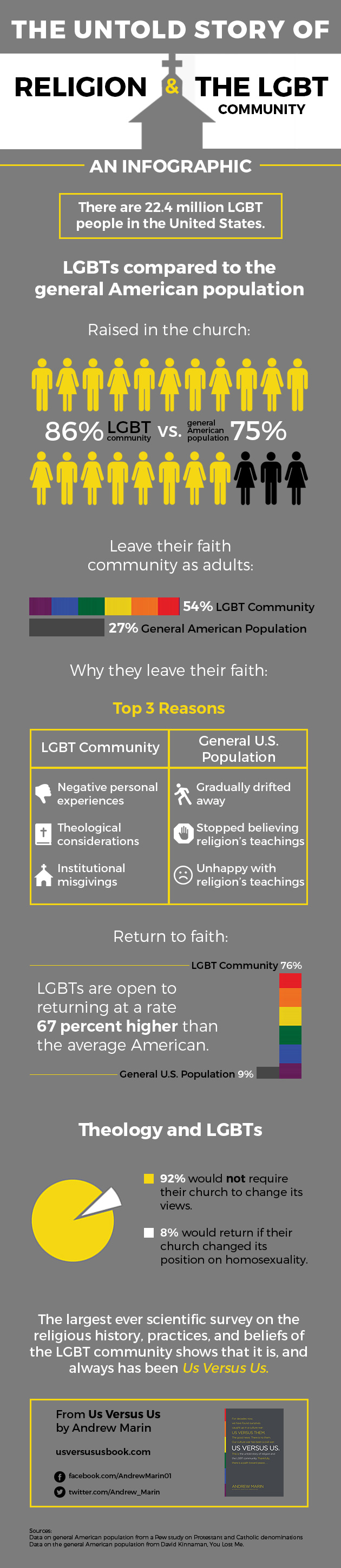
Great Infographic for Research Findings in Us Versus...

My ebook, Our Last Option, is Patheos Book...
TRENDING AT PATHEOS Evangelical

The REST of Your Life: A Creative Wrestles...
This week I had a conversation with a good friend from church....

How the author of the world's best hymn...
I've been working with John Newton for a while now. This makes...

Long before this Lectio Divina, Psalm 130 - the song - started...

What About the Trees? Another Living Parable
After I finished writing the last article about falling leaves as a...

Why Classical Education Is a Conversation, Not a...
Come and Read: Joy in Classical Education When I was a little...

Cornell University has received a great deal of negative publicity and intense...
view all Evangelical blogs
Ad-Free & Subscriber Log-In Subscription Support
- About Us
- 2026 Calendar
- Videos
- Podcasts
- Library of World Religions
- Faith In Media Tracker
- Advertise With Us
- Write for Us
- Privacy Policy
- Terms of Service
- Do Not Sell My Data
- Contact Us
- Radiant Digital
- Manage Newsletter Subscriptions
- Unsubscribe From Notifications
- Sitemap
Copyright 2008-2026, Patheos. All rights reserved.
Subscription Support Ad-Free & Subscriber Log-In
Follow Patheos