
BuddhistCatholicContemplativeEvangelicalGeneral ChristianHinduJewishLatter-day SaintMuslimNew VisionsProgressive Christian
Beliefs
- Buddhist
- Catholic
- Contemplative
- Evangelical
- General Christian
- Hindu
- Jewish
- Latter-day Saint
- More Voices
- Muslim
- New Visions
- Pagan
- Progressive Christian
Topics
- Religion News
- Food and Religion
- Sports and Religion
- Religious Art
- Religious Music and Entertainment
- Religious Events
- History and Religion
- Style and Religion
- Politics and Religion
- Women in Religion
- Recreation Outdoors and Religion
- Business Finance and Religion
- Careers Workplace and Religion
- Education and Religion
- Family Parenting and Religion
- Health Fitness and Religion
- Home and Religion
- Relationships and Religion
- Technology and Religion
- Travel and Religion
Columnists
- Buddhist Columnists
- Business Finance and Religion Columnists
- Careers Workplace and Religion Columnists
- Catholic Columnists
- Contemplative Columnists
- Education and Religion Columnists
- Evangelists Columnists
- Family Parenting and Religion Columnists
- General Christian Columnists
- Health Fitness and Religion Columnists
- Hindu Columnists
- History and Religion Columnists
- Home and Religion Columnists
- Jewish Columnists
- More Voices Columnists
- Latter Day Columnists
- Muslim Columnists
- New Visions Columnists
- Nonreligious Columnists
- Pagan Columnists
- Politics and Religion Columnists
- Progressive Columnists
- Recreation Outdoors and Religion Columnists
- Relationships and Religion Columnists
- Religion News Columnists
- Religious Art Columnists
- Religious Events Columnists
- Religious Music and Entertainment Columnists
- Sports and Religion Columnists
- Style and Religion Columnists
- Technology and Religion Columnists
- Travel and Religion Columnists
- Women in Religion Columnists
Resource Library
- 2026 Calendar
- Library of World Religions
- The 100 Most Holy Places on Earth
- Patheos Answers
- Podcasts
- Videos
- Faith Leaders Database
- Anglican Episcopalian
- Bahai
- Baptist
- Buddhism
- Christianity
- Confucianism
- Eastern Orthodoxy
- Hinduism
- Holiness and Pentecostal
- ISKCON
- Islam
- Judaism
- Lutheran
- Methodist
- The Church of Jesus Christ of Latter-day Saints
- New Age
- Paganism
- Presbytarian and Reformed
- Protestantism
- Religion Behind the Scenes
- Roman Catholic
- Scientology
- Shia Islam
- Sikhism
- Sufism
- Sunni Islam
- Taoism
- Zen
- See all religions
Research Tools
 Ad-Free & Subscriber Log-In Subscription Support
Ad-Free & Subscriber Log-In Subscription Support
Follow Patheos 

- Trending:
- Forgiveness
- |
- Marriage
- |
- Consciousness
- |
- Death Penalty
- |
- Election
- |
- Halloween
 Love is an Orientation
- Home
- Evangelical
- Part 2: Language in the Culture War—Reconciliation
Part 2: Language in the Culture War—Reconciliation
Last updated on: December 17, 2012 at 3:01 pm by Andrew Marin
Part 2: Language in the Culture War—Reconciliation 2012-12-17T15:01:22-06:00 Andrew Marin
Patheos Explore the world's faith through different perspectives on religion and spirituality! Patheos has the views of the prevalent religions and spiritualities of the world.

Here is the Intro to this series on Language in the Culture War.
Reconciliation:
The word ‘reconciliation’ has become one of those ugly, politically charged words that bring on a new (and incorrect) cultural understanding of the word’s original intent in definition and usage.
The culture war definition of Reconciliation: People (specifically conservative Christians) have to fully agree with gay, lesbian, bisexual and transgender people (and GLBT Christians) who are sexually active in a committed, monogamous relationship.
Within this new definition of reconciliation, it means that GLBT people reconcile their faith and sexuality with the understanding that people are born with a same-sex attraction, acting out on those attractions is not a sin, and living in a same-sex committed monogamous relationship is a happy, healthy, God-ordained way of life. Thus, whoever does not agree with any of these statements in homophobic or out of touch with reality.
That is not reconciliation! In fact, I think that definition is the exact opposite of reconciliation because if the gospel is all about reconciliation (which I believe it to be)—it’s purpose is to draw people closer to God and closer to each other. The culture war definition actually separates people from each other, and therefore can only separate people (and warring communities) from God as well. In no way, shape or form does the culture war definition represent any biblical (I am not talking about theology) form of reconciliation.
My bridge building definition of Reconciliation: Torn apart and ruined relationships through the Fall and through one another’s actions with each other, are all now redeemed in Christ; together, bonded in relationship with each other and God through Christ’s death on a cross.
“The only purpose of the gospel is to reconcile people to God and to each other. A gospel that doesn’t reconcile is not a Christian gospel at all. But in America it seems as if we don’t believe that. We don’t really believe that the proof of our discipleship is that we love one another (John 13:35)…
To be reconciled to each other, then, we must bear the burdens created by each other’s pasts. And to be reconcilers in the world, to bring others together, we must bear the burdens of both the parties we seek to reconcile…
We must be reconciled to both God and man. The gospel’s first work is to reconcile us to God (2 Cor. 5:18), then, if our relationship with God is right, it will show up in our relationships with each other (1 John 4:20). For my worship to be acceptable to God, I must be reconciled to my brother (Matthew 5:23-24). To be reconciled to my brother I must first be reconciled to God; to remain reconciled to God I must be reconciled to my brother. I cannot have one without the other…
If the purpose of the gospel is to reconcile us to God and to our fellowman, if your mission is to be God’s ambassadors of reconciliation (2 Cor. 5:20), how do we fulfill that mission?
We must model the kind of relationships into which we want to invite others. Our love for each other gives credibility and power to our witness. We must begin by being. Being, though, is not complete until it results in doing. As James says, “Faith, if it has no works, it’s dead”. A faith that doesn’t express itself in works is not a true faith. Now that’s good, but it’s not enough. It’s not enough to just be a reconciled fellowship, though that is where we have to start. We must be a reconciled fellowship on a mission. And our mission is to bring others into fellowship with God and with us.
And many of the people in the Christian community movement seem to lack this vision. They love each other, yet they lack the drive [to live it out].” Excerpts from racial reconciliation leader Dr. John Perkins in his book With Justice for All.
I have said many times that by in-large the Christian community has the God to human portion of reconciliation down. It’s the human to human piece many are missing. And on our last Live Chat I was corrected with an eye-opening revelation by someone named Blaser85:
“Andrew, you talk about the God to us part as we have it all figured out; that we’re just lacking the ‘us to us’ part. But I wonder if we really do understand and “get” the ‘God to us’ reconciliation part? My thought is that if we really did understand the ‘God to us’ part, then the ‘us to us’ part wouldn’t be hard at all! I don’t think we really understand how much God truly loves us and wants a relationship with us, giving us the freedom to choose Him and the relationship with each other. I think reconciliation with others would be much easier once we finally and correctly understand the ‘God to us’ reconciliation relationship.”
I am truly taken back by Blaser85’s insight—who couldn’t be more right! Well, I guess it’s time we all start reworking our understanding and subsequent reactions of what it means to have a reconciled relationship with God, because we obviously don’t have that figured out yet. If we did have it figured out, we wouldn’t be in this situation. So how are we then able to start learning how to reconcile each other to God and other people and communities? It’s a work in progress with God and each other.
Here is my understanding of the movements to reclaiming biblical reconciliation:
1. Legitimately enter into this journey with someone exactly opposite (theologically and socially) than yourself
2. Center God in the middle—not the culture war, sexuality, religion, work, hobbies, commonalities, clear differing points, etc.
3. Be committed for the long haul no matter what happens (the weak and those with excuses just give up); no matter who turns their back on who (go and relentlessly pursue them); who says whatever about the other (only face to face meetings to directly talk about it); who gets annoyed, angry, bored, frustrated, etc with the other (persistence in commitment is the only way growth happens).
4. Keep a consistent place (email, journal, blog) for individual and dual reflections of meetings, discussions and life experiences.
5. After a significant amount of time watch the bitterness fade away, the person flow forward and God light it all up. And if that doesn’t happen, keep repeating until Jesus returns.
Peace. God-centered. Biblical reconciliation. Out to the world.
Much love.
Previous Post

September 19, 2009
Sept 19: My One Sentence Bible
Next Post
September 21, 2009 Sept 21: My One Sentence Bible
Browse Our Archives
Select a Category Book Reviews Bridging Opposing Worldviews Culture Don't Drink and Drive Faith Guest Posts I'm Sorry Campaign Interviews Language Laura Statesir LGBT Living in the Tension Living in the Tension Gatherings Love Is an Orientation Love Is an Orientation Blog Love Is an Orientation Book Love Is an Orientation DVD Melinda Guerra Memory My One Sentence Bible Newsletter Our Last Option Parents & Families Politics Quick Quotes Quotes ReEngaging Civility Sexuality Speaking The Marin Foundation Theology Uncategorized Us Versus Us Videos Warren Perry Youth and Campus Ministry
Select a Month June 2016 May 2016 December 2015 June 2015 May 2015 April 2015 March 2015 February 2015 January 2015 December 2014 November 2014 October 2014 September 2014 August 2014 July 2014 June 2014 May 2014 April 2014 March 2014 February 2014 January 2014 December 2013 November 2013 October 2013 September 2013 August 2013 July 2013 June 2013 May 2013 April 2013 March 2013 February 2013 January 2013 December 2012 November 2012 October 2012 September 2012 August 2012 July 2012 June 2012 May 2012 April 2012 March 2012 February 2012 January 2012 December 2011 November 2011 October 2011 September 2011 August 2011 July 2011 June 2011 May 2011 April 2011 March 2011 February 2011 January 2011 December 2010 November 2010 October 2010 September 2010 August 2010 July 2010 June 2010 May 2010 April 2010 March 2010 February 2010 January 2010 December 2009 November 2009 October 2009 September 2009 August 2009 July 2009 June 2009 May 2009 April 2009 March 2009 February 2009 January 2009 December 2008 November 2008 October 2008 September 2008
Follow Us!
TAKE THE
Religious Wisdom Quiz
What does 2 Peter say will come like a thief?
Select your answer to see how you score.
The day of the Lord The end The Spirit Judgment
Related posts from Love is an Orientation

Don't Let Your Anger Turn Into Their Hate

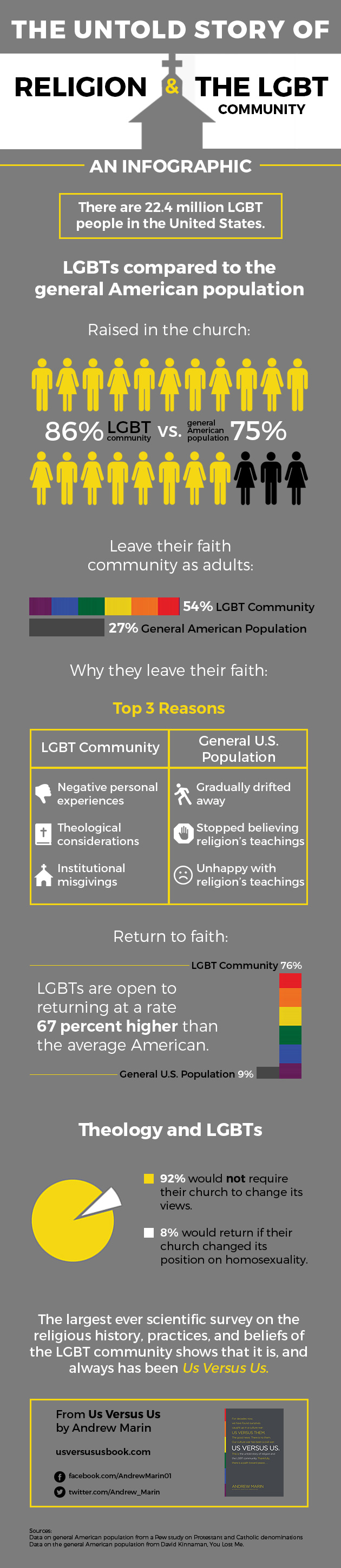
Great Infographic for Research Findings in Us Versus...

My ebook, Our Last Option, is Patheos Book...
TRENDING AT PATHEOS Evangelical

The REST of Your Life: A Creative Wrestles...
This week I had a conversation with a good friend from church....

How the author of the world's best hymn...
I've been working with John Newton for a while now. This makes...

Long before this Lectio Divina, Psalm 130 - the song - started...

What About the Trees? Another Living Parable
After I finished writing the last article about falling leaves as a...

Why Classical Education Is a Conversation, Not a...
Come and Read: Joy in Classical Education When I was a little...

Cornell University has received a great deal of negative publicity and intense...
view all Evangelical blogs
Ad-Free & Subscriber Log-In Subscription Support
- About Us
- 2026 Calendar
- Videos
- Podcasts
- Library of World Religions
- Faith In Media Tracker
- Advertise With Us
- Write for Us
- Privacy Policy
- Terms of Service
- Do Not Sell My Data
- Contact Us
- Radiant Digital
- Manage Newsletter Subscriptions
- Unsubscribe From Notifications
- Sitemap
Copyright 2008-2026, Patheos. All rights reserved.
Subscription Support Ad-Free & Subscriber Log-In
Follow Patheos