
BuddhistCatholicContemplativeEvangelicalGeneral ChristianHinduJewishLatter-day SaintMuslimNew VisionsProgressive Christian
Beliefs
- Buddhist
- Catholic
- Contemplative
- Evangelical
- General Christian
- Hindu
- Jewish
- Latter-day Saint
- More Voices
- Muslim
- New Visions
- Pagan
- Progressive Christian
Topics
- Religion News
- Food and Religion
- Sports and Religion
- Religious Art
- Religious Music and Entertainment
- Religious Events
- History and Religion
- Style and Religion
- Politics and Religion
- Women in Religion
- Recreation Outdoors and Religion
- Business Finance and Religion
- Careers Workplace and Religion
- Education and Religion
- Family Parenting and Religion
- Health Fitness and Religion
- Home and Religion
- Relationships and Religion
- Technology and Religion
- Travel and Religion
Columnists
- Buddhist Columnists
- Business Finance and Religion Columnists
- Careers Workplace and Religion Columnists
- Catholic Columnists
- Contemplative Columnists
- Education and Religion Columnists
- Evangelists Columnists
- Family Parenting and Religion Columnists
- General Christian Columnists
- Health Fitness and Religion Columnists
- Hindu Columnists
- History and Religion Columnists
- Home and Religion Columnists
- Jewish Columnists
- More Voices Columnists
- Latter Day Columnists
- Muslim Columnists
- New Visions Columnists
- Nonreligious Columnists
- Pagan Columnists
- Politics and Religion Columnists
- Progressive Columnists
- Recreation Outdoors and Religion Columnists
- Relationships and Religion Columnists
- Religion News Columnists
- Religious Art Columnists
- Religious Events Columnists
- Religious Music and Entertainment Columnists
- Sports and Religion Columnists
- Style and Religion Columnists
- Technology and Religion Columnists
- Travel and Religion Columnists
- Women in Religion Columnists
Resource Library
- 2026 Calendar
- Library of World Religions
- The 100 Most Holy Places on Earth
- Patheos Answers
- Podcasts
- Videos
- Faith Leaders Database
- Anglican Episcopalian
- Bahai
- Baptist
- Buddhism
- Christianity
- Confucianism
- Eastern Orthodoxy
- Hinduism
- Holiness and Pentecostal
- ISKCON
- Islam
- Judaism
- Lutheran
- Methodist
- The Church of Jesus Christ of Latter-day Saints
- New Age
- Paganism
- Presbytarian and Reformed
- Protestantism
- Religion Behind the Scenes
- Roman Catholic
- Scientology
- Shia Islam
- Sikhism
- Sufism
- Sunni Islam
- Taoism
- Zen
- See all religions
Research Tools
 Ad-Free & Subscriber Log-In Subscription Support
Ad-Free & Subscriber Log-In Subscription Support
Follow Patheos 

- Trending:
- Forgiveness
- |
- Marriage
- |
- Consciousness
- |
- Death Penalty
- |
- Election
- |
- Halloween
 Love, InshAllah
- Home
- Muslim
- Relationships and Religion
- Love Is A Radical Tool
Love Is A Radical Tool
Last updated on: November 3, 2014 at 11:14 am by Posted by The Editors
Love Is A Radical Tool 2014-11-03T11:14:44-07:00 Posted by The Editors
Patheos Explore the world's faith through different perspectives on religion and spirituality! Patheos has the views of the prevalent religions and spiritualities of the world.
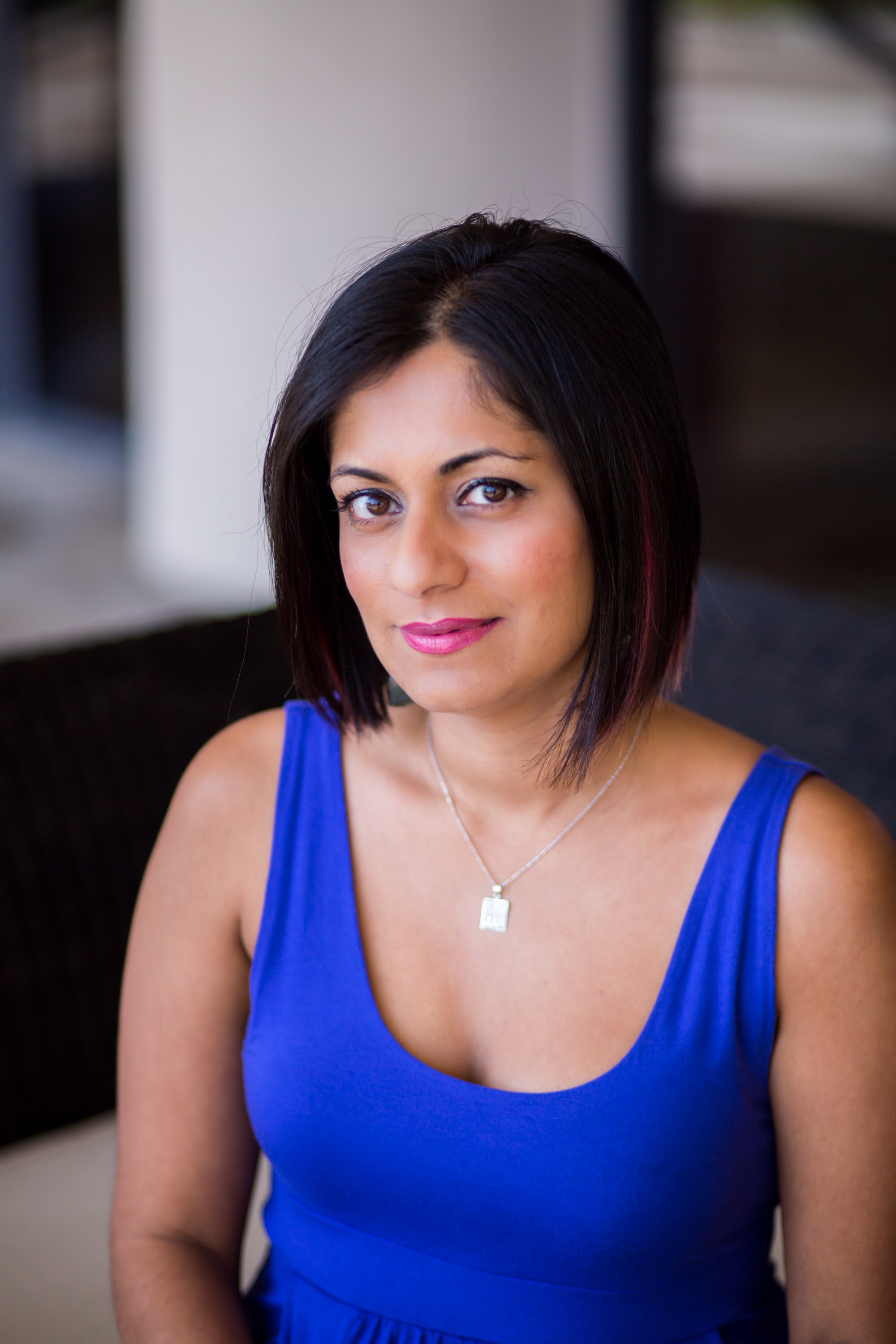
Photo credit: Les Talusan, lestalusanphoto.com
It was last summer, and I was sitting on a panel, with Asian American leaders speaking about identity politics and civil rights. We had arrived to the Q&A portion of the panel, and the moderator had just asked us, “Who is your civil rights hero?” The other panelist responded, with answers like Grace Lee Boggs or Yuri Kochiyama.
I took a deep breath, and responded, “Right now? Malcolm X. Because I’m trying to re-appropriate what it means to be a radical activist, and what it means to do this as a Muslim and person of color. I’m grappling with identifying as a ‘radical Muslim’ and Malcolm X is the legacy of being a radical Muslim in the U.S.”
There were a smattering of claps in the crowd. As I looked around the audience, the young faces seemed contemplative. I had outed myself as a radical Muslim. Nervously, I sighed.
I had just finished reading The Autobiography of Malcolm X that summer– apparently fifteen years too late since most of my peers had read the book in high school. So excited about the book, that I’d go up to everyone I met and ask them if they had read it, hoping for a heady discussion. Unfortunately, most people could only muster up vague recollections. I had purposely avoided reading his book all these years, mainly because so many people had spoken so highly of it. I wasn’t a book bandwagoner. But the timing to read it now was right.
As an American Muslim born to immigrant parents, I had spent much of my early life understanding that my Islam was intimately tied to America’s xenophobia. It wasn’t until I was older and I started collecting stories to develop my own history did I start to understand that the American Muslim narrative has a rich legacy diverse in perspectives and histories. There were the 1970s waves of Muslim immigrants, yes – but there were also White converts and slave churches in the South that faced East, and bean pies slung on Crenshaw Blvd. I didn’t hear these stories at the Sunni, Pakistani-run suburban Sunday youth group. And on top of that, I learned the American Muslim narrative is rich with social justice activism – Malcolm X’s story wasn’t just about faith, it was a journey about fighting institutional oppressions.
Though I hate the word, I guess I have always been an activist. I hate the word, because it implies causes for charity and “doing good” as something you do on the side. For me it’s not a side project, but rather social justice is value to live life with. When public policies have a direct impact on my immediate family, I can’t afford to have social justice work as a hobby – it is quite literally a matter of survival. I can’t imagine having a career that doesn’t involve community organizing and I’ve spent most of my career working on campaigns empowering people to get out and vote. It is a systematic solution to grassroots organizing – there is a timeline, escalation of tactics to a winnable goal, and a tangible outcome that advocates for policy change.
It was only in the past few years that I started opening up my thinking around how I saw myself as a radical activist. A big turning point on my journey to think like this happened at Occupy Oakland two years ago. It was at the height of activity where thousands would convene nightly on the steps of City Hall. We decided to gather a group of Muslims to pray Maghrib prayer, by the people. We brought our prayer rugs and with the pink glow of the sky streaking above us and a critical mass of people slowly growing in numbers on the plaza, a group of about twenty-five of us lined up, toe to toe, all praying together in solidarity. The scarves we had in our bags could cover our heads for prayer and also cover our mouths to protect us from the tear gas. We held the prayers because we wanted to show the movement that Muslims were owning our radical space, we did it in solidarity, we did it because the Occupy Oakland needed the power of love, and we did it because we didn’t think that our faith and our radical activism identities needed to be mutually exclusive. After duas, we joined the crowd in the plaza, rippling with energy, helicopters hovering above.
To me, radical means unconventional. It means working outsides the conventional confines that society has structured for us to live by. Radical is the area of movement building where faith and solidarity work hand in hand. It’s where meaningful conversations and eye contact and listening to stories are an essential tool to making change. In these spaces love is a tool, and sometimes anger is a tool too, but hate – hate is never a tool. It’s not about being militant, or anarchist, or breaking down systems with a revolution – it’s about creating transformative moments and rippling inspiration. It’s creating the type of art that “culture shifts” and challenges internalized oppressions without confrontations. In this form of radical, telling counternarratives of stories on the margins is as important as creating counterculture art that disrupts the mainstream narrative. Making people uncomfortable, to think, to feel, to love – that’s the activist movement I want to belong to. It’s subtle, it’s extreme, and you know what, it’s radical, too.
In this form of activism, winning campaign goals are fine. Getting people elected is great. We need that kind of conventional grassroots organizing to continue to happen. But radical counter culture movement building where love is a transformative value so as to shift our community – well that needs to happen too. They go hand in hand.
Last weekend, a friend who was in New York for Occupy Wall Street asked what my experience was like being involved with Occupy Oakland. “Nothing came out of it. Do you think it was successful?”
“Yes,” I responded. “I mean, big banks still exist, but lots of people shifted to union banks. And it’s the other stuff where there was the kind of success that can’t be measured.”
It’s like workshopping with youth on their South Asian American community’s legacy of activism. Or creating cringe-worthy (thought-worthy) #MuslimVDay cards and mailing them to your friends. It’s like books of first person narratives on being Muslim and love. And then reading the stories out loud to each other. The Return on Investment (R.O.I.) may not be immediate, but it’s that long-term counter culture movement happening. It’s dropping the mic, and watching that inspiration ripple out.
When I went to see Detroit Asian American civil rights leader Grace Lee Boggs speak last summer, the 98-year-old woman, sitting in her wheelchair proudly stated that she had been a radical for 70 years of her life. It was impressive. She also said, “These are the times to grow our souls. Each of us is called upon to embrace the conviction that despite the powers and principalities bent on commodifying all our human relationships, we have the power within us to create the world anew.”
A revolution fueled by love? Now, what could be more radical than that?
So next time someone tries to insult you by calling you a “Radical Muslim”, think twice. Maybe it’s not quite what they think.
—
To read more posts by Tanzila, click here.
Tanzila “Taz” Ahmed is an activist, storyteller, and politico based in Los Angeles currently working as the Voter Engagement Manager at Asian Americans Advancing Justice – Los Angeles. She was a long-time writer for Sepia Mutiny, and was recently published in the anthology Love, Inshallah: The Secret Love Lives of American Muslim Women and both zines from Totally Radical Muslims. Her personal projects include curating images for Mutinous Mind State and writing about Desi music at Mishthi Music where she just co-produced Beats for Bangladesh: A Benefit Album in Solidarity with the Garment Workers of Rana Plaza. Taz also organizes with Bay Area Solidarity Summer and South Asians for Justice – Los Angeles. You can find her rant at @tazzystar.
Previous Post

February 3, 2014
The sacrilegious love affair I couldn’t resist
Next Post
February 4, 2014 Happy Birthday, "Salaam, Love"!
Browse Our Archives
Select a Category Book Reviews Brown Girl Dreaming Editors Flirting with Fate and other Disasters of an Intersectional Muslimah Food, Love, & Memories Friday Love Halal Since 22 Integrity of Heart Life After Death Literary Mama Literature Love Inshallah Podcast Love InshAllah writers Media My Infidel Husband Not Without Love Poetry Monday Radical Love Reflections & Readings Reviews of Love InshAllah Salaam Love Writers Sex & The Ummah Single in the City Spotlight Story & Chai Book Club The Geekologist The Love Tour The Male Gaze Things I Wish I'd Known Thoughts of a Wasat Girl Uncategorized Your Sunny Side Up Your voices
Select a Month May 2015 April 2015 March 2015 February 2015 January 2015 December 2014 November 2014 October 2014 September 2014 August 2014 July 2014 June 2014 May 2014 April 2014 March 2014 February 2014 January 2014 December 2013 November 2013 October 2013 September 2013 August 2013 July 2013 June 2013 May 2013 April 2013 March 2013 February 2013 January 2013 December 2012 November 2012 October 2012 September 2012 August 2012 July 2012 June 2012 May 2012 April 2012 March 2012 February 2012 January 2012 December 2011 November 2011
Follow Us!
TAKE THE
Religious Wisdom Quiz
Who said: "I am the Alpha and the Omega, who is, and who was, and who is to come, the Almighty"?
Select your answer to see how you score.
John Jesus An angel God (the Lord God)
Related posts from Love, InshAllah



Hip-Hop Hijabis: Spitting Rhymes About Being Muslim And...

TRENDING AT PATHEOS Muslim

25 Years Later: How Much Has Changed for...
As we approach the 25th anniversary of September 11th, I’ve found myself...

Podcast: Third Spaces & The Rise of Yemeni...
In the latest episode of The Artistic Foodies Podcast, hosts Abbas...

HalalFest Picks: Best 60 Halal Spots for Super...
Back in 2016, I came up with a list of 29...

Unity Is America’s Strength — Division Is Its...
by Hidayatullah Ahsan When Valentina Gomez, a Republican candidate for Congress in...

Zohran Mamdani and New York’s Fight Against Islamophobia
This past June, against all odds, Zohran Mamdani won the Democratic primary...

What the Fourth of July Means to a...
As we mark another Fourth of July, millions of Americans will celebrate...
view all Muslim blogs
Ad-Free & Subscriber Log-In Subscription Support
- About Us
- 2026 Calendar
- Videos
- Podcasts
- Library of World Religions
- Faith In Media Tracker
- Advertise With Us
- Write for Us
- Privacy Policy
- Terms of Service
- Do Not Sell My Data
- Contact Us
- Radiant Digital
- Manage Newsletter Subscriptions
- Unsubscribe From Notifications
- Sitemap
Copyright 2008-2026, Patheos. All rights reserved.
Subscription Support Ad-Free & Subscriber Log-In
Follow Patheos