
BuddhistCatholicContemplativeEvangelicalGeneral ChristianHinduJewishLatter-day SaintMuslimNew VisionsProgressive Christian
Beliefs
- Buddhist
- Catholic
- Contemplative
- Evangelical
- General Christian
- Hindu
- Jewish
- Latter-day Saint
- More Voices
- Muslim
- New Visions
- Pagan
- Progressive Christian
Topics
- Religion News
- Food and Religion
- Sports and Religion
- Religious Art
- Religious Music and Entertainment
- Religious Events
- History and Religion
- Style and Religion
- Politics and Religion
- Women in Religion
- Recreation Outdoors and Religion
- Business Finance and Religion
- Careers Workplace and Religion
- Education and Religion
- Family Parenting and Religion
- Health Fitness and Religion
- Home and Religion
- Relationships and Religion
- Technology and Religion
- Travel and Religion
Columnists
- Buddhist Columnists
- Business Finance and Religion Columnists
- Careers Workplace and Religion Columnists
- Catholic Columnists
- Contemplative Columnists
- Education and Religion Columnists
- Evangelists Columnists
- Family Parenting and Religion Columnists
- General Christian Columnists
- Health Fitness and Religion Columnists
- Hindu Columnists
- History and Religion Columnists
- Home and Religion Columnists
- Jewish Columnists
- More Voices Columnists
- Latter Day Columnists
- Muslim Columnists
- New Visions Columnists
- Nonreligious Columnists
- Pagan Columnists
- Politics and Religion Columnists
- Progressive Columnists
- Recreation Outdoors and Religion Columnists
- Relationships and Religion Columnists
- Religion News Columnists
- Religious Art Columnists
- Religious Events Columnists
- Religious Music and Entertainment Columnists
- Sports and Religion Columnists
- Style and Religion Columnists
- Technology and Religion Columnists
- Travel and Religion Columnists
- Women in Religion Columnists
Resource Library
- 2026 Calendar
- Library of World Religions
- The 100 Most Holy Places on Earth
- Patheos Answers
- Podcasts
- Videos
- Faith Leaders Database
- Anglican Episcopalian
- Bahai
- Baptist
- Buddhism
- Christianity
- Confucianism
- Eastern Orthodoxy
- Hinduism
- Holiness and Pentecostal
- ISKCON
- Islam
- Judaism
- Lutheran
- Methodist
- The Church of Jesus Christ of Latter-day Saints
- New Age
- Paganism
- Presbytarian and Reformed
- Protestantism
- Religion Behind the Scenes
- Roman Catholic
- Scientology
- Shia Islam
- Sikhism
- Sufism
- Sunni Islam
- Taoism
- Zen
- See all religions
Research Tools
 Ad-Free & Subscriber Log-In Subscription Support
Ad-Free & Subscriber Log-In Subscription Support
Follow Patheos 

- Trending:
- Forgiveness
- |
- Marriage
- |
- Consciousness
- |
- Death Penalty
- |
- Election
- |
- Halloween

- Home
- Progressive Christian
- Fourth Sunday in Lent – Lectionary Commentary for March 15
Fourth Sunday in Lent – Lectionary Commentary for March 15
Last updated on: March 8, 2026 at 8:18 pm by Bruce Epperly
Fourth Sunday in Lent – Lectionary Commentary for March 15 2026-03-08T20:18:39-04:00 Bruce Epperly
Patheos Explore the world's faith through different perspectives on religion and spirituality! Patheos has the views of the prevalent religions and spiritualities of the world.
The Adventurous Lectionary – Fourth Sunday in Lent – March 15, 2026
Samuel 16:1-13, Psalm 23, Ephesians 5:8-14, John 9:1-41
Today’s readings are full of twists and turns, theologically and spiritually. They invite us to look at the world and our beliefs with new eyes. To be faithful to God, we must challenge our assumptions of what is important and who is important. We must also look for God in unexpected situations and unexpected persons. This Sunday’s scriptures challenge glib theological reflection, including the bloviations of pastors and spiritual guides who connect suffering and sin with divine judgment, negative thinking, and lack of faith. God deliver us from easy answers that traumatize persons who are already traumatized by illness and pain! God deliver us from false understandings of what it means to be faitful and chosen!
LEADERSHIP WHERE YOU LEAST EXPECT IT. In the reading from I Samuel, the unexpected and unlikely child becomes a national leader, and not his more mature and stronger brothers. In Psalm 23, we feel safe – or at least are not paralyzed by our fears – as we trek through the darkest valley, and, in the epistle and gospel, we can live in contrast to the norms of our culture in which the blind can see and the sighted are blind. These scriptures speak of light and darkness, and sight and blindness They are metaphorical in nature, and must be understood in terms of honoring the full humanity of persons of color and sight-impaired people. Darkness is not synonymous with evil: it is also the place of growth and gestation. Too often we have universalized spiritual states to the detriment of marginalized peoples. God’s darkness is dazzling and nurturing and gives birth to all the colors of the rainbow.
The story of the shepherd David asserts that the call of spiritual leadership may come from unexpected places and be given to unexpected persons. Wealth and celebrity do not ensure good leadership. In fact, those least willing to lead – and overlooked by a populace in search of sound bytes, adoring crowds, tweets, and easy answers – may very well be the most gifted leaders. In the story of Samue’s anointing of Davidas king, Samuel participates in both divine disingenuousness and divine inspiration. Worried about his well-being, Samuel wants to hide his visit from King Saul. Seeking to protect his servant Samuel and perhaps David as well, God tells Samuel to go Jesse’s family under the ruse of sacrificing a heifer. When he arrives at Jesse’s house, he is shown the most likely candidates for king, but none of them fit God’s requirements. Instead, God directs him to the youngest and least experienced of Jesse’s sons.
Samuel and David discover the surprising nature of God’s vision. God’s way differs from our own. God sees possibility in the most unlikely of places and persons. God blesses Greta Thunberg and disregards Donald Trump, welcomes a houseless person and passes by Elon Musk, uplifts an agnostic war protestor and humbles Pete Hegseth. Whether in an adverse situation or an unexpected encounter, all things can become vehicles of divine revelation and all persons can reveal the holy to those who have eyes to see.
GOD IS WITH US IN THE DARKNESS. The shepherd Psalm 23 involves a transformed vision of reality. There is a dazzling darkness that enables the darkest night to reveal God’s healing light. As comforting as this Psalm is, its context is that of threat and anxiety. Circumstances can be challenging, yet we can still experience God’s peace and know that it is well with our souls. Most readers see the comforting aspects of the Psalm and fail to notice that the Psalmist is traveling through the darkest valley and is feasting with enemies all around. We cannot go around some dangerous situations; we must go through them. Death is inevitable and conflict may surround us, but not nothing can separate us from the love of God.
ENCIRCLING PRAYER. Psalm 23 is a Hebraic version of the Celtic caim or encircling prayer: in which one draws a circle around oneself, pivots in a clockwise direction, and invokes a prayer of protection. Many of life’s challenges will not go away, but we can experience God’s presence and a peace that passes all understanding in the midst of turmoil and threat. The words of the Psalmist speak to our current concerns over health, national security, and climate change. God is with us, companioning us, in times of fear and anxiety.
In difficult situations, you can circle yourself with light, and proclaim amid your fear, “I am encircled by divine light. I am safe from any threat because God is with me.”
CHOOSING RIGHT, BEING THE LIGHT. Ephesians 5 contrasts light and darkness as spiritual and ethical realities and invites us to become children of the light, forsaking the pathways of darkness and evil and following God’s luminous adventures. This is as true for issues of foreign policy as it is for personal morality. We embrace and become God’s light to the world as Christ’s followers and should behave accordingly. Those who awaken to Christ’s pathway of wholeness and integrity will experience Christ’s light shining on them and, dare we say, in their cells as well as their souls. In the meantime, our vocation is to live faithfully, act lovingly, and walk in the light, for the brevity of our lives calls us to make the most of each day. While following God’s way may not lead to success in the world’s terms, we need to walk in the light following our better angels, reaching out and sharing, albeit with care, rather than succumbing to the forces of fear and exclusion.
WHO SINNED? There are many definitions of health. In fact, health and illness are a matter of perspective and relativity. You can think you are healthy, showing off your power, bullying your opponents, and demeaning others as inferior, and be empty inside. You can be apparently broken physically and economically and experience grace beyond belief. John 9 is about light and darkness and healing and wholeness and seeing God’s presence beneath external experiences.
This story is profoundly theological in nature. First, this healing story challenges the acts-consequences understanding of suffering. In acts-consequences theologies, there is a direct and linear relationship between what we do and what happens to us: the good prosper and enjoy health; the evil suffer and become diseased; positive thinkers succeed, negative thinkers fail; the blessed are right with God, the poor obviously have done something to deserve their poverty. God punishes the unrighteous and blesses the righteous.
Jesus addresses the problem of evil, in response to a peculiar question, “Who sinned, this man or his parents that he was born blind?” This question raises a variety of further questions:
• Is the suffering of children fully attributable to their parents, whether in terms of DNA, quality of relationship, or economics?
• Is this man suffering from the prenatal behaviors of his parents or some prenatal act on his part? (For example, the prenatal conflict of Jacob and Esau.)
• Does this passage suggest a first century, barely articulated, version of reincarnation?
Jesus does not give a direct answer, despite his undermining of the traditional theodicies of inexorable karma from past lives and this-worldly linear understandings of health and illness. Jesus notes that God will be glorified in the curing of the man’s blindness. He is not an object of God’s wrath or a moral lesson to others; his healing is the important thing, both in terms of his own well-being and its witness to God’s amazing love.
Similar to the passage from Ephesians, Jesus tells his disciples to walk in the light, doing works of healing, while it is still day. Time is short and our lives are brief: acts of healing cannot be put off until tomorrow. When suffering is around us, the solution to the problem of evil is our partnership with God in bringing comfort and cure. In this brief moment, where are we called to stand for the light of God and mediate God’s healing touch in our personal relationships and citizenship?
The problem of evil is a theological issue and challenges us to reflect on the nature of the God-world relation and the extent of God’s power in the determining the events of our lives. Although his words raise theological issues, Jesus’ solution is more practical: confront suffering, ease suffering, and cure suffering. Two thousand years later, in the wake of the 9/11 attacks. “Mr. Rogers” looked beyond fear and hate and the need to retaliate: “When I was a boy and I would see scary things in the news, my mother would say to me, ‘Look for the helpers. You will always find people who are helping.’” This still is sagely advice to those who are living by fear rather than hospitality and who cheerlead violence from pulpits and Defense Department prayer meetings. Are you a helper in times of crisis? Is your congregation committed to helping the vulnerable and traumatized? Do you respond to the pain of the marginalized and minister to the anxious affluent?
HEALING PRACTICES. I need to mention the methodology of healing: Jesus uses mud to cure the man’s blindness. Mud is a poultice and a form of therapy in ancient societies. Jesus uses faith and ordinary medicine to cure blindness. Prayer and medicine are companions. God uses energy work and laying on of hands; God also uses medication and surgery. Wherever there is healing, God is its source. We need prayer and Prozac, praise and pills, and chanting and chemotherapy. (For more on healing, see Bruce Epperly, “Healing Marks: Healing and Spirituality in Mark’s Gospel”; “Healing Worship: Purpose and Practice”; “God’s Touch: Faith, Wholeness, and the Healing Miracles of Jesus,” “Reiki Healing Touch and the Way of Jesus,” and “The Energy of Love: Reiki and Christian Healing.”)
John 9, if read in its entirety, concludes with a long and convoluted conversation between certain religious leaders, the man, and his parents. The religious leaders are unable to accept the man’s healing as coming from God. This healing act of Jesus does not conform to their understanding of religious propriety. God doesn’t heal on the Sabbath, they assert. Healing only occurs in prescribed ways and times, they claim. Anything else cannot come from God. But divine healing is always surprising and not limited by human rituals and institutions
Today’s readings challenge us to walk in the light and to experience God in unexpected places, including in our own daily lives. God is with us in threatening times and God’s circle of love surrounds us. In living light-filled lives, we tap into resources beyond our imagination for the good of ourselves and the world. We can do ordinary things with great love and claim our vocation as God’s companions in healing the earth.
+++
Bruce Epperly is Theologian in Residence at Westmoreland Congregational United Church of Christ, Bethesda, MD and a professor in theology and spirituality at Wesley Theological Seminary in Washington DC. He is the author of over eighty books, including Jesus: Mystic, Healer, and Prophet; Creation Sings: Forty Days of Spiritual Wisdom from the Non-Human World; Messy Incarnation: Meditations on Christ in Process; and Homegrown Mystics: Restoring Our Nation with the Healing Wisdom of America’s Visionaries. His latest books are Creation Sings: Forty Days of Spiritual Wisdom from the Non-human World and Three Wise Wisdom: The Twelve Days of Christmas with Mary, Elizabeth, and Anna (volume seven in “The Twelve Days of Christmas” series along with the recently released Lenten devotional, Just a Little Walk with Jesus: A Spiritual Saunter with Mark’s Gospel and Whitehead and Jesus:An Adventure in Spiritual Transformation. He is married to Rev. Kate Epperly, D.Min. and lives in Potomac, Maryland.
Previous Post

March 2, 2026
Living Waters of Lent - Commentary for Third Sunday of Lent
Next Post
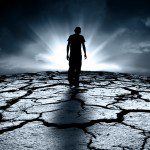
March 15, 2026 Dry Bones Live! – The Fifth Sunday in Lent – March 22, 2026
Recent Comments
"https://www.antalyaescortsi... siz siz olun gelin"
Caesar or Jesus: A Palm Sunday ..."
"https://www.antalyaescortsi... harikalar diyarı"
Palm Sunday’s Tragic Beauty – March ..."
"Power of love is far more beautiful and effective than the love of power. "The ..."
Palm Sunday’s Tragic Beauty – March ..."
"Ash Wednesday, 2026The 40 Days and Three Tests of Jesus in the DesertThe joy these ..."
The First Sunday in Lent – ..."
Browse Our Archives
Select a Category Book Reviews The Adventurous Lectionary Uncategorized
Select a Month October 2026 September 2026 August 2026 July 2026 June 2026 May 2026 April 2026 March 2026 February 2026 January 2026 December 2025 November 2025 October 2025 September 2025 August 2025 July 2025 June 2025 May 2025 April 2025 March 2025 February 2025 January 2025 December 2024 November 2024 October 2024 September 2024 August 2024 July 2024 June 2024 May 2024 April 2024 March 2024 February 2024 January 2024 December 2023 November 2023 October 2023 September 2023 August 2023 July 2023 June 2023 May 2023 March 2023 February 2023 January 2023 December 2022 November 2022 October 2022 September 2022 August 2022 July 2022 June 2022 May 2022 April 2022 March 2022 February 2022 January 2022 December 2021 November 2021 October 2021 September 2021 August 2021 July 2021 June 2021 May 2021 April 2021 March 2021 February 2021 January 2021 December 2020 November 2020 October 2020 September 2020 August 2020 July 2020 June 2020 May 2020 April 2020 March 2020 February 2020 January 2020 December 2019 November 2019 October 2019 September 2019 August 2019 July 2019 June 2019 May 2019 April 2019 March 2019 February 2019 January 2019 December 2018 November 2018 October 2018 September 2018 August 2018 July 2018 June 2018 May 2018 April 2018 March 2018 February 2018 January 2018 December 2017 November 2017 October 2017 September 2017 August 2017 July 2017 June 2017 May 2017 April 2017 March 2017 February 2017 January 2017 December 2016 November 2016 October 2016 September 2016 August 2016 July 2016 June 2016 May 2016 April 2016 March 2016 February 2016 January 2016 December 2015 November 2015 October 2015 September 2015 August 2015 July 2015 June 2015 May 2015 April 2015 March 2015 February 2015 January 2015 December 2014 November 2014 October 2014 September 2014 August 2014 July 2014 June 2014 May 2014 April 2014 March 2014 February 2014 January 2014 December 2013 November 2013 October 2013 September 2013 August 2013 July 2013 June 2013 May 2013 April 2013 March 2013 February 2013 January 2013 December 2012 November 2012 October 2012 September 2012 August 2012 July 2012 June 2012 May 2012 April 2012 March 2012 February 2012 December 2011 May 2011 April 2011 March 2011 February 2011 January 2011
TAKE THE
Religious Wisdom Quiz
In 1 Peter 1, what does Peter say is more valuable than gold?
Select your answer to see how you score.
Faith Wisdom Righteousness Charity
Books by This Author Books by Living A Holy Adventure
Related posts from Living A Holy Adventure

The Adventurous Lectionary – October 18, 2026 -...

Adventurous Lectionary - Pentecost 20 - October 11,...

Adventurous Lectionary - Pentecost 19 - October 4,...

Adventurous Lectionary - Pentecost 17 - September 27
TRENDING AT PATHEOS Progressive Christian

Emotion in Early Christianity by Andrew Crislip
Andrew Crislip’s Emotion in Early Christianity examines an often overlooked dimension of...

16 Spiritual Touchstones for a More Grounded Life
After decades of spiritual study, here are 16 principles I try...

Catholic Evangelization: Sharing Your Faith Every Day
Welcome back to the Graceful Awakening mini-series called, “From Faith to Mission.” ...

The Pillar of the Boatmen: the Ancient Monument...
The Pillar of the Boatmen is a Romano-Gaulish sculpture that dates from...

In one sense walking into Westminster Abbey is like walking down the...

'Super Scam Me' Exposes AI Jon Bon Jovi...
Leslie Pickett believed she was in a relationship with Jon Bon Jovi....
view all Progressive Christian blogs
What Are Your Thoughts?leave a comment
Ad-Free & Subscriber Log-In Subscription Support
- About Us
- 2026 Calendar
- Videos
- Podcasts
- Library of World Religions
- Faith In Media Tracker
- Advertise With Us
- Write for Us
- Privacy Policy
- Terms of Service
- Do Not Sell My Data
- Contact Us
- Radiant Digital
- Manage Newsletter Subscriptions
- Unsubscribe From Notifications
- Sitemap
Copyright 2008-2026, Patheos. All rights reserved.
Subscription Support Ad-Free & Subscriber Log-In
Follow Patheos