
BuddhistCatholicContemplativeEvangelicalGeneral ChristianHinduJewishLatter-day SaintMuslimNew VisionsProgressive Christian
Beliefs
- Buddhist
- Catholic
- Contemplative
- Evangelical
- General Christian
- Hindu
- Jewish
- Latter-day Saint
- More Voices
- Muslim
- New Visions
- Pagan
- Progressive Christian
Topics
- Religion News
- Food and Religion
- Sports and Religion
- Religious Art
- Religious Music and Entertainment
- Religious Events
- History and Religion
- Style and Religion
- Politics and Religion
- Women in Religion
- Recreation Outdoors and Religion
- Business Finance and Religion
- Careers Workplace and Religion
- Education and Religion
- Family Parenting and Religion
- Health Fitness and Religion
- Home and Religion
- Relationships and Religion
- Technology and Religion
- Travel and Religion
Columnists
- Buddhist Columnists
- Business Finance and Religion Columnists
- Careers Workplace and Religion Columnists
- Catholic Columnists
- Contemplative Columnists
- Education and Religion Columnists
- Evangelists Columnists
- Family Parenting and Religion Columnists
- General Christian Columnists
- Health Fitness and Religion Columnists
- Hindu Columnists
- History and Religion Columnists
- Home and Religion Columnists
- Jewish Columnists
- More Voices Columnists
- Latter Day Columnists
- Muslim Columnists
- New Visions Columnists
- Nonreligious Columnists
- Pagan Columnists
- Politics and Religion Columnists
- Progressive Columnists
- Recreation Outdoors and Religion Columnists
- Relationships and Religion Columnists
- Religion News Columnists
- Religious Art Columnists
- Religious Events Columnists
- Religious Music and Entertainment Columnists
- Sports and Religion Columnists
- Style and Religion Columnists
- Technology and Religion Columnists
- Travel and Religion Columnists
- Women in Religion Columnists
Resource Library
- 2026 Calendar
- Library of World Religions
- The 100 Most Holy Places on Earth
- Patheos Answers
- Podcasts
- Videos
- Faith Leaders Database
- Anglican Episcopalian
- Bahai
- Baptist
- Buddhism
- Christianity
- Confucianism
- Eastern Orthodoxy
- Hinduism
- Holiness and Pentecostal
- ISKCON
- Islam
- Judaism
- Lutheran
- Methodist
- The Church of Jesus Christ of Latter-day Saints
- New Age
- Paganism
- Presbytarian and Reformed
- Protestantism
- Religion Behind the Scenes
- Roman Catholic
- Scientology
- Shia Islam
- Sikhism
- Sufism
- Sunni Islam
- Taoism
- Zen
- See all religions
Research Tools
 Ad-Free & Subscriber Log-In Subscription Support
Ad-Free & Subscriber Log-In Subscription Support
Follow Patheos 

- Trending:
- Forgiveness
- |
- Marriage
- |
- Consciousness
- |
- Death Penalty
- |
- Election
- |
- Halloween

- Home
- Progressive Christian
- Adventurous Lectionary Third Sunday after Pentecost – June 9
Adventurous Lectionary Third Sunday after Pentecost – June 9
Last updated on: June 2, 2024 at 6:27 pm by Bruce Epperly
Adventurous Lectionary Third Sunday after Pentecost – June 9 2024-06-02T18:27:26-04:00 Bruce Epperly
Patheos Explore the world's faith through different perspectives on religion and spirituality! Patheos has the views of the prevalent religions and spiritualities of the world.
The Adventurous Lectionary – The Third Sunday after Pentecost – June 9, 2024
I Samuel 8:4-20
Psalm 138
II Corinthians 4:13-5:1
Mark 3:20-35
Are there two realms, political and spirituality, communal and congregational, secular or Christian, or just one world embracing all creation in its many aspects. A study of church history and the relationship between Christianity and politics reveals a long-standing debate on this issue: theologians have argued about whether there are “two kingdoms,” operating by different values, the city of God and the city of human governments, or there is just one world in which we seek to embody God’s realm “on earth as it is in heaven.” While Luther and Augustine championed the two kingdom approach, leading to the contrast of self-transcendence, and indifference about history among Christians, in the realm of faith and contradictory self-interest in politics, Luther’s vision of the priesthood of believers also suggests that our political activity is sacred and subject to divine values and judgment. We can serve God in any profession: this is good news, and it also challenges us to live in the way of Jesus in our political and personal lives.
The question for us in liberal democracies is how we can best seek God’s realm in a pluralistic society in which there is no established religion. Moreover, we need to recognize the danger of theocracies – the unity of religion of government often leads to persecution of minorities and absolutism for the state. Theocracies, grounded in an absolute and sovereign God whose way promotes binary images of truth and salvation, promotes binary policies which are coercive toward all who oppose God’s/the leader’s way. We can see this approach in Muslim theocracies and also in today’s Trumpism, often motivated by religious absolutism and the conflation of religious and political viewpoints. (See Bruce Epperly, “One World: The Lord’s Prayer from a Process Perspective” and “Talking Politics with Jesus: A Process Perspective on the Sermon on the Mount.”
The judication of this issue is significant in church and state: we have the Christian adulation of Trump as the fourth person of the Trinity despite his glorification of the seven deadly sins and denunciation of the Christian values of community, hospitality, grace, and forgiveness, and also the binary divisiveness of right as well as left, gracelessly demanding agreement and demonizing even allies who are not in lock step with their positions.
Today’s reading from I Samuel might come with the motto, “the government that governs least governs best.” Dissatisfied with their current political situation, the people demand a king. Both God and Samuel object. Following a more theocratic and libertarian approach, they object to the people’s desire for an intermediary, a human leader, rather than God or a spiritual leader. The consequences of secular rule, even in a godly society, are power plays and self-interest among leaders, taxes, and loss of personal control. Coercion is essential to all governmental leadership, some humane, others dehumanizing. Yet, despite the dangers of civil government, would we want a theocracy today, given the fanaticism and self-interest of those who claim to follow God, whether in Christian and Islamic communities? Throughout history, the unholy alliance of religion and government has led to violence, idolatry, and investing penultimate values with ultimate authority. God’s intermediaries are often more bloodthirsty than secular political leaders.
Secular political leadership is often positive, especially in the United States. It allows for religious diversity and the diversity of human life as well as the affirmation of women as decision makers. Those who wrap the cross in the flag are often the greatest opponents of peace, equality, and justice, based on their belief that their positions align with God’s and that any deviation from their position is sin and destructive of civil order. Speaker of the House Mike Johnson’s sense of himself as called by God, for example, and his equal distain for environmental law and women’s rights is an obvious example. Still, even though we oppose theocracies of all kinds, ultimately, we need to trust God’s care for us above all earthly rulers. Governments are best when they recognize their penultimate status and, accordingly, recognize a variety of viewpoints, including those held by non-religious persons.
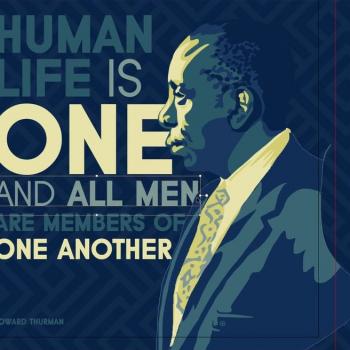
In the spirit of Reinhold Niebuhr, we need to recognize the limitations of our positions and the truth within contrasting approaches. At their best, rulers and the rule of law are not to be placed above God and conscience. Accordingly, the reading from I Samuel is an invitation to follow God’s ways not just the patterns of government and society. The church is at its best when it is countercultural, that is, when it has a critical edge, judging governmental policies in light of God’s vision of Shalom. The church is faithful when it promotes justice, earth care, equality, and reconciliation. (For more on this approach, see Bruce Epperly, “Process Theology and Politics” and “Prophetic Healing: Howard Thurman’s Vision of Contemplative Activism.”)
Psalm 138 also addresses divine power and sees God’s power in moral rather than coercive terms. God’s power is revealed in steadfast love. The kings of the earth are subservient to God and rule best when they listen to divine wisdom in the promotion of their political and social policies. God cares for the poor and vulnerable. Those who seek to be faithful must put God first and honor God’s power made manifest in love; love not coercion should characterize their own political involvement. Our actions, accordingly, are inspired by God’s care for the least of these. In the pluralistic society, we must seek the same benefits – justice, equality, hospitality – for the other as for persons of our own faith tradition.
Psalm 138 invites us to sing our faith. This inspires the possibility of a favorite hymn sing Sunday as summer begins.
Paul invites his Corinthian listeners to trust in God’s everlasting promise. He wants them to trust that they are resurrection people, growing in grace despite life’s setbacks. In the midst of life’s personal and political challenges, our hope is in the unseen, in God’s vision for our lives. The resurrection transforms everything: failure cannot defeat God, imprisonment cannot defeat God, and aging cannot defeat God. Deeper spiritual growth is possible despite the limitations of age and illness. This is a life-transforming promise especially in our aging congregations. We are invited trust in God in all the seasons of life and to look for God’s movements in our lives. Whether we live or die, we belong to God; God’s eternity is our greatest hope. Nothing can separate us from the love of God. This does not turn us away from the world but gives us a foundation for social and political involvement and for patience with processes whose fruition may come to pass in years rather than days. Can we trust God despite the rise of the powers of destruction in our body politic and global relationships? What does trusting God mean in a “doomed” world, as Brain McLaren says? At the very least, it means seeking to “save the world” one act at a time, whether these acts be interpersonal or political.
The world’s values are penultimate and need to be seen in light of God’s everlasting love. The world’s values need to be judged by the moral and spiritual arcs of the universe, which call into question every achievement in light of the horizon of God’s Shalom. Still, the vision of divine fidelity allows us to respond to evil courageously, knowing our times are in God’s care.
The Gospel reading describes Jesus in conflict with his family. No doubt, Jesus’ family has good intentions: they want to protect him; they are concerned that he has gone too far and will be hurt. Perhaps, they are more aware of where his ministry may take him than he is. Their prudence is based on love of Jesus and the wellbeing of their family. They believe that he has gone off the spiritual and political deep end. Their prudence is justified but misguided. The religious leaders also challenge Jesus’ spiritual wellness, suggesting that he is demon-possessed. In contrast to his family and the religious leaders, Jesus establishes his bona fides; he is speaking for God, he is not possessed by an evil spirit. In words that must have hurt his parents, Jesus asserts that his true family is made up of those who follow his pathway. He is claiming that a new kind of community is on the horizon, one that lives in accordance with God’s vision. This spiritual family includes the nuisances and nobodies, tax collectors and sinners, and not just the wise and righteous. In God’s realm, biological family is important but also penultimate and may be destructive when it becomes an ultimate concern.
While we love the creator by loving the creatures, our love for creatures needs to be placed in light of our fidelity to God. Attentiveness to God’s vision enables us to have life-giving attitudes not only toward the powers that be, but also toward the necessary losses accompanying aging and events beyond our control. The political is personal, and the personal is political, and this challenges us to political activism grounded in “prophetic healing,” care for our kin and also the other as God’s beloved children. Can we join faith and politics in ways that heal our personal lives and heal the world? Is it too late to heal the grand vision? I don’t know, but I do know that we must heal the world right where we are, and transform the world by daily actions committed to peace and planetary healing on the small and large scales.
+++
Bruce Epperly is a pastor, professor, and author of over eighty books, “Jesus: Mystic, Healer, and Prophet,” “Process and Politics,” Spirituality, Simplicity, and Service: The Timeless Wisdom of Francis, Clare, and Bonaventure,” and “The Elephant is Running: Process and Open and Relational Theology and Religious Pluralism.” He is the author of the upcoming “The God of Tomorrow: Whitehead and Teilhard on Metaphysics, Mysticism, and Mission” and “Head, Heart, and Hands: An Introduction to St. Bonaventure.”
Previous Post

May 26, 2024
Memorial Day and the Spirit of Sacrifice and Generosity
Next Post

June 12, 2024 Adventurous Lectionary - Fourth Sunday after Pentecost
Recent Comments
"https://www.antalyaescortsi... siz siz olun gelin"
Caesar or Jesus: A Palm Sunday ..."
"https://www.antalyaescortsi... harikalar diyarı"
Palm Sunday’s Tragic Beauty – March ..."
"Power of love is far more beautiful and effective than the love of power. "The ..."
Palm Sunday’s Tragic Beauty – March ..."
"Ash Wednesday, 2026The 40 Days and Three Tests of Jesus in the DesertThe joy these ..."
The First Sunday in Lent – ..."
Browse Our Archives
Select a Category Book Reviews The Adventurous Lectionary Uncategorized
Select a Month October 2026 September 2026 August 2026 July 2026 June 2026 May 2026 April 2026 March 2026 February 2026 January 2026 December 2025 November 2025 October 2025 September 2025 August 2025 July 2025 June 2025 May 2025 April 2025 March 2025 February 2025 January 2025 December 2024 November 2024 October 2024 September 2024 August 2024 July 2024 June 2024 May 2024 April 2024 March 2024 February 2024 January 2024 December 2023 November 2023 October 2023 September 2023 August 2023 July 2023 June 2023 May 2023 March 2023 February 2023 January 2023 December 2022 November 2022 October 2022 September 2022 August 2022 July 2022 June 2022 May 2022 April 2022 March 2022 February 2022 January 2022 December 2021 November 2021 October 2021 September 2021 August 2021 July 2021 June 2021 May 2021 April 2021 March 2021 February 2021 January 2021 December 2020 November 2020 October 2020 September 2020 August 2020 July 2020 June 2020 May 2020 April 2020 March 2020 February 2020 January 2020 December 2019 November 2019 October 2019 September 2019 August 2019 July 2019 June 2019 May 2019 April 2019 March 2019 February 2019 January 2019 December 2018 November 2018 October 2018 September 2018 August 2018 July 2018 June 2018 May 2018 April 2018 March 2018 February 2018 January 2018 December 2017 November 2017 October 2017 September 2017 August 2017 July 2017 June 2017 May 2017 April 2017 March 2017 February 2017 January 2017 December 2016 November 2016 October 2016 September 2016 August 2016 July 2016 June 2016 May 2016 April 2016 March 2016 February 2016 January 2016 December 2015 November 2015 October 2015 September 2015 August 2015 July 2015 June 2015 May 2015 April 2015 March 2015 February 2015 January 2015 December 2014 November 2014 October 2014 September 2014 August 2014 July 2014 June 2014 May 2014 April 2014 March 2014 February 2014 January 2014 December 2013 November 2013 October 2013 September 2013 August 2013 July 2013 June 2013 May 2013 April 2013 March 2013 February 2013 January 2013 December 2012 November 2012 October 2012 September 2012 August 2012 July 2012 June 2012 May 2012 April 2012 March 2012 February 2012 December 2011 May 2011 April 2011 March 2011 February 2011 January 2011
TAKE THE
Religious Wisdom Quiz
What food was eaten during the first Passover?
Select your answer to see how you score.
Fish and figs Barley and honey Roasted quail and dates Unleavened bread, bitter herbs, and lamb
Books by This Author Books by Living A Holy Adventure
Related posts from Living A Holy Adventure

A Biased God! - Lectionary Commentary for July...
Adventurous Lectionary - Epiphany 2 - January 19

Adventurous Lectionary - Reign of Christ - November...
The Adventurous Lectionary – July 30, 2023 –...
TRENDING AT PATHEOS Progressive Christian

I was strolling through the top floor of the brand new Parthenon...

What Does Gêvâh Mean For Kimberley Guifoyle &...
This week, a lot of the news is focused on Kimberly Guilfoyle....

INNER CIRCLE: Profound Mystery (Of Christ In All...
Ephesians 5:31-32 “For this reason, a man will leave his father and...

Do Not Rejoice When Your Enemy Falls: The...
Turning an execution into a public spectacle is a disturbing expression of...

'The Chosen' S6 Trailer: The Passion Gets Very...
Not many watching 'The Chosen' worry about spoilers, but just because they...

The purpose-driven labor priest
A labor activist reads Rick Warren and it gets me wondering about...
view all Progressive Christian blogs
What Are Your Thoughts?leave a comment
Ad-Free & Subscriber Log-In Subscription Support
- About Us
- 2026 Calendar
- Videos
- Podcasts
- Library of World Religions
- Faith In Media Tracker
- Advertise With Us
- Write for Us
- Privacy Policy
- Terms of Service
- Do Not Sell My Data
- Contact Us
- Radiant Digital
- Manage Newsletter Subscriptions
- Unsubscribe From Notifications
- Sitemap
Copyright 2008-2026, Patheos. All rights reserved.
Subscription Support Ad-Free & Subscriber Log-In
Follow Patheos