
BuddhistCatholicContemplativeEvangelicalGeneral ChristianHinduJewishLatter-day SaintMuslimNew VisionsProgressive Christian
Beliefs
- Buddhist
- Catholic
- Contemplative
- Evangelical
- General Christian
- Hindu
- Jewish
- Latter-day Saint
- More Voices
- Muslim
- New Visions
- Pagan
- Progressive Christian
Topics
- Religion News
- Food and Religion
- Sports and Religion
- Religious Art
- Religious Music and Entertainment
- Religious Events
- History and Religion
- Style and Religion
- Politics and Religion
- Women in Religion
- Recreation Outdoors and Religion
- Business Finance and Religion
- Careers Workplace and Religion
- Education and Religion
- Family Parenting and Religion
- Health Fitness and Religion
- Home and Religion
- Relationships and Religion
- Technology and Religion
- Travel and Religion
Columnists
- Buddhist Columnists
- Business Finance and Religion Columnists
- Careers Workplace and Religion Columnists
- Catholic Columnists
- Contemplative Columnists
- Education and Religion Columnists
- Evangelists Columnists
- Family Parenting and Religion Columnists
- General Christian Columnists
- Health Fitness and Religion Columnists
- Hindu Columnists
- History and Religion Columnists
- Home and Religion Columnists
- Jewish Columnists
- More Voices Columnists
- Latter Day Columnists
- Muslim Columnists
- New Visions Columnists
- Nonreligious Columnists
- Pagan Columnists
- Politics and Religion Columnists
- Progressive Columnists
- Recreation Outdoors and Religion Columnists
- Relationships and Religion Columnists
- Religion News Columnists
- Religious Art Columnists
- Religious Events Columnists
- Religious Music and Entertainment Columnists
- Sports and Religion Columnists
- Style and Religion Columnists
- Technology and Religion Columnists
- Travel and Religion Columnists
- Women in Religion Columnists
Resource Library
- 2026 Calendar
- Library of World Religions
- The 100 Most Holy Places on Earth
- Patheos Answers
- Podcasts
- Videos
- Faith Leaders Database
- Anglican Episcopalian
- Bahai
- Baptist
- Buddhism
- Christianity
- Confucianism
- Eastern Orthodoxy
- Hinduism
- Holiness and Pentecostal
- ISKCON
- Islam
- Judaism
- Lutheran
- Methodist
- The Church of Jesus Christ of Latter-day Saints
- New Age
- Paganism
- Presbytarian and Reformed
- Protestantism
- Religion Behind the Scenes
- Roman Catholic
- Scientology
- Shia Islam
- Sikhism
- Sufism
- Sunni Islam
- Taoism
- Zen
- See all religions
Research Tools
 Ad-Free & Subscriber Log-In Subscription Support
Follow Patheos 

- Trending:
- Advent
- |
- Forgiveness
- |
- Thanksgiving
- |
- Election
- |
- Seasonal Holidays
- |
- Marriage

- Home
- Progressive Christian
- The Adventurous Lectionary: The First Sunday in Lent – March 9, 2014
The Adventurous Lectionary: The First Sunday in Lent – March 9, 2014
Last updated on: March 6, 2014 at 2:17 pm by Bruce Epperly
The Adventurous Lectionary: The First Sunday in Lent – March 9, 2014 2014-03-06T14:17:29-05:00 Bruce Epperly
Patheos Explore the world's faith through different perspectives on religion and spirituality! Patheos has the views of the prevalent religions and spiritualities of the world.

Adam and Eve by Jan-Gossaert, c.1520
Lectionary Reflections for the First Sunday in Lent
March 9, 2014
Genesis 2:15-17, 3:1-7 (preferred reading, Genesis 2:15-3:7)
Psalm 32
Romans 5:12-19
Matthew 4:1-11
We begin our Journey into Lent with the affirmation that God’s grace is greater than our sin. The story of Adam and Eve, the primordial legend of humankind’s evolution, begins with relationship and creativity and ends with ambiguity and uncertain adventure. Still, they grow in spite of, and perhaps because of, leaving the garden. The passage from Romans proclaims the universality of grace: we have made a mess of things but God’s grace pursues those who are most ardent in sinful behaviors. Nothing, even including our sin, can separate us from the love of God. Jesus travels to the wilderness for a retreat and comes to terms with the possibilities as well as challenges of his vocation as God’s emissary and healer of humankind.
The Genesis passage, despite popular explanations, is a clear argument against the misnamed doctrine of original sin. Sin is, in fact, derivative; the goodness of humankind and the universe is original, and prior to any misadventures on our part. Today’s reading begins with human creativity, tilling the garden and naming the animals. The mythical first couple lives an idyllic existence: there is no dissonance between instinct and action. They do what they are told, without objection or second thoughts. They are naked and unashamed.
The question of the Genesis passage is whether the fall of humankind is upward or downward. The mythical couple eats from the tree of knowledge of good and evil, and experience the complexity and dissonance of life for the first time. They no longer align themselves fully with God’s vision; however, the dissonance allows them greater agency. As Jewish scholars have noted, the first sin does not alienate the first couple from God: God continues to protect and inspire them. They go forth from the garden, never to return to childhood innocence, but they become parents, history makers, and creators, claiming their own agency in relationship with God.
Psalm 32 connects confession with well-being. The act of confession is a form of communion with God which restores relationship and opens us to the loving energies of God. Our lack of self-awareness leads to alienation from God and contributes to ill health. Confession allows for the emergence of healing power that can enhance our spiritual and relational stature. Confession is good for the soul, and also the body.
The words of Romans 5 introduce within Christian writings the doctrine of first, or “original” sin. The first couple’s sin upsets our personal and cosmic well-being. Suffering and death – the dissonance of mortality – enter the world. Life becomes messy, and so does death, but the story does not end with human alienation from God and others. In Christ sin is defeated; its alienating power is overcome by God’s love. While all die in Adam, all live in Christ.
Paul may be saying more than he intends – he certainly is saying more than most of his interpreters – when he proclaims the universality of grace. No Calvinist, separating the world into saved and damned, or Lutheran (following Luther’s Bondage of the Will), asserting that God passes over the lost, Paul’s universalism embraces everyone. At the very least, God intends to save all humankind. Yet, something more may be at stake: what is it about “all” you don’t understand? Over the years, I have witnessed the misguided gymnastics of preachers and commentators attempting to interpret “all” as “some” or as limited to God’s “chosen ones,” when the clear sense of the passage suggests a grace that embraces everyone. In the spirit of Romans 8: if nothing can separate us from the love of God, then at some deep level no one can be separated from the love of God.
Matthew’s Gospel describes Jesus’ retreat in the wilderness. Inspired by his baptism and the descent of the Spirit, Jesus discovers that the Spirit both agitates and comforts. He is driven into the desert for a time of introspection and spiritual discernment. He discovers, with the North African Desert Mothers and Fathers, that the desert is full of life: he confronts the temptations inherent in the power he now possesses. He may use his vocation for good or for ill; he may succumb to “good things” (security, power, and comfort) that stand in the way of embodying the “best things.” Every gift comes with temptations and the greater the gift, the greater potential for misuse and self-interest.
Jesus responds to the temptations inherent in his vocational power by prayerfully taking these temptations to God. Jesus has agency but unlike the primordial couple, he seeks to blend his agency with God’s creative vision. In so doing, Jesus’ power is focused and transformed to achieve healing and wholeness for all generations.
The Lenten wilderness journey provides a great opportunity for spiritual discernment. Insightfully and imaginatively interpreted, today’s passages invite us to consider our relationships with one another and with God. They help us understand confession as a positive practice, nurturing our spirits and even our physical well-being. They call us to consider our vocations and the temptations inherent in our deepest gifts and passions.
Previous Post

March 4, 2014
Ash Wednesday: Beauty and Mortality
Next Post

March 10, 2014 The Adventurous Lectionary for the Second Sunday in Lent: March 16, 2014
Browse Our Archives
Select a Category Book Reviews The Adventurous Lectionary Uncategorized
Select a Month November 2026 October 2026 September 2026 August 2026 July 2026 June 2026 May 2026 April 2026 March 2026 February 2026 January 2026 December 2025 November 2025 October 2025 September 2025 August 2025 July 2025 June 2025 May 2025 April 2025 March 2025 February 2025 January 2025 December 2024 November 2024 October 2024 September 2024 August 2024 July 2024 June 2024 May 2024 April 2024 March 2024 February 2024 January 2024 December 2023 November 2023 October 2023 September 2023 August 2023 July 2023 June 2023 May 2023 March 2023 February 2023 January 2023 December 2022 November 2022 October 2022 September 2022 August 2022 July 2022 June 2022 May 2022 April 2022 March 2022 February 2022 January 2022 December 2021 November 2021 October 2021 September 2021 August 2021 July 2021 June 2021 May 2021 April 2021 March 2021 February 2021 January 2021 December 2020 November 2020 October 2020 September 2020 August 2020 July 2020 June 2020 May 2020 April 2020 March 2020 February 2020 January 2020 December 2019 November 2019 October 2019 September 2019 August 2019 July 2019 June 2019 May 2019 April 2019 March 2019 February 2019 January 2019 December 2018 November 2018 October 2018 September 2018 August 2018 July 2018 June 2018 May 2018 April 2018 March 2018 February 2018 January 2018 December 2017 November 2017 October 2017 September 2017 August 2017 July 2017 June 2017 May 2017 April 2017 March 2017 February 2017 January 2017 December 2016 November 2016 October 2016 September 2016 August 2016 July 2016 June 2016 May 2016 April 2016 March 2016 February 2016 January 2016 December 2015 November 2015 October 2015 September 2015 August 2015 July 2015 June 2015 May 2015 April 2015 March 2015 February 2015 January 2015 December 2014 November 2014 October 2014 September 2014 August 2014 July 2014 June 2014 May 2014 April 2014 March 2014 February 2014 January 2014 December 2013 November 2013 October 2013 September 2013 August 2013 July 2013 June 2013 May 2013 April 2013 March 2013 February 2013 January 2013 December 2012 November 2012 October 2012 September 2012 August 2012 July 2012 June 2012 May 2012 April 2012 March 2012 February 2012 December 2011 May 2011 April 2011 March 2011 February 2011 January 2011
TAKE THE
Religious Wisdom Quiz
Who said, “Follow me, and I will make you fishers of men”?
Select your answer to see how you score.
Paul Peter Jesus Moses
Books by This Author Books by Living A Holy Adventure
Related posts from Living A Holy Adventure
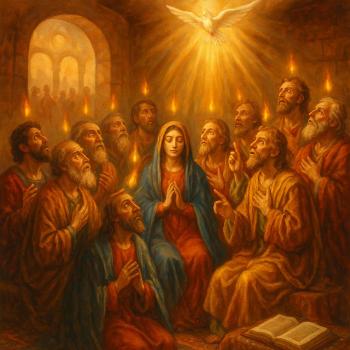
Become Fire: A New Pentecost for Progressive Christians

Adventurous Lectionary - Epiphany 5 - February 4,...

The Adventurous Lectionary - The Eighteenth Sunday after...

The Adventurous Lectionary - Eighth Sunday after Pentecost...
TRENDING AT PATHEOS Progressive Christian

Smart people saying smart things (11.24.26)
Please take time to listen to Perry Bacon, Sarah Posner, Adam Serwer,...

The Contingency of Our Technology
Last week we were hit with a raft of massive technology outages....

In 1939, President Franklin D. Roosevelt moved Thanksgiving from November 30 to...

Reasons for Restraint: Ricardo Gonzalez, Florida and Dec...
The Morning of January 3 I begin with the dead. On the...

I published this column for Thanksgiving 2012 in the Deseret News....

For many years, Catholicism has been caught up in division over the...
view all Progressive Christian blogs
Ad-Free & Subscriber Log-In Subscription Support
- About Us
- 2026 Calendar
- Videos
- Podcasts
- Library of World Religions
- Faith In Media Tracker
- Advertise With Us
- Write for Us
- Privacy Policy
- Terms of Service
- Do Not Sell My Data
- Contact Us
- Radiant Digital
- Manage Newsletter Subscriptions
- Unsubscribe From Notifications
- Sitemap
Copyright 2008-2026, Patheos, part of the Radiant Digital network of media brands. All rights reserved.
Subscription Support Ad-Free & Subscriber Log-In
Follow Patheos