
BuddhistCatholicContemplativeEvangelicalGeneral ChristianHinduJewishLatter-day SaintMuslimNew VisionsProgressive Christian
Beliefs
- Buddhist
- Catholic
- Contemplative
- Evangelical
- General Christian
- Hindu
- Jewish
- Latter-day Saint
- More Voices
- Muslim
- New Visions
- Pagan
- Progressive Christian
Topics
- Religion News
- Food and Religion
- Sports and Religion
- Religious Art
- Religious Music and Entertainment
- Religious Events
- History and Religion
- Style and Religion
- Politics and Religion
- Women in Religion
- Recreation Outdoors and Religion
- Business Finance and Religion
- Careers Workplace and Religion
- Education and Religion
- Family Parenting and Religion
- Health Fitness and Religion
- Home and Religion
- Relationships and Religion
- Technology and Religion
- Travel and Religion
Columnists
- Buddhist Columnists
- Business Finance and Religion Columnists
- Careers Workplace and Religion Columnists
- Catholic Columnists
- Contemplative Columnists
- Education and Religion Columnists
- Evangelists Columnists
- Family Parenting and Religion Columnists
- General Christian Columnists
- Health Fitness and Religion Columnists
- Hindu Columnists
- History and Religion Columnists
- Home and Religion Columnists
- Jewish Columnists
- More Voices Columnists
- Latter Day Columnists
- Muslim Columnists
- New Visions Columnists
- Nonreligious Columnists
- Pagan Columnists
- Politics and Religion Columnists
- Progressive Columnists
- Recreation Outdoors and Religion Columnists
- Relationships and Religion Columnists
- Religion News Columnists
- Religious Art Columnists
- Religious Events Columnists
- Religious Music and Entertainment Columnists
- Sports and Religion Columnists
- Style and Religion Columnists
- Technology and Religion Columnists
- Travel and Religion Columnists
- Women in Religion Columnists
Resource Library
- 2026 Calendar
- Library of World Religions
- The 100 Most Holy Places on Earth
- Patheos Answers
- Podcasts
- Videos
- Faith Leaders Database
- Anglican Episcopalian
- Bahai
- Baptist
- Buddhism
- Christianity
- Confucianism
- Eastern Orthodoxy
- Hinduism
- Holiness and Pentecostal
- ISKCON
- Islam
- Judaism
- Lutheran
- Methodist
- The Church of Jesus Christ of Latter-day Saints
- New Age
- Paganism
- Presbytarian and Reformed
- Protestantism
- Religion Behind the Scenes
- Roman Catholic
- Scientology
- Shia Islam
- Sikhism
- Sufism
- Sunni Islam
- Taoism
- Zen
- See all religions
Research Tools
 Ad-Free & Subscriber Log-In Subscription Support
Follow Patheos 

- Trending:
- Advent
- |
- Forgiveness
- |
- Thanksgiving
- |
- Election
- |
- Seasonal Holidays
- |
- Marriage

- Home
- Progressive Christian
- The Adventurous Lectionary – September 22, 2013
The Adventurous Lectionary – September 22, 2013
Last updated on: September 17, 2013 at 2:10 pm by Bruce Epperly
The Adventurous Lectionary – September 22, 2013 2013-09-17T14:10:13-04:00 Bruce Epperly
Patheos Explore the world's faith through different perspectives on religion and spirituality! Patheos has the views of the prevalent religions and spiritualities of the world.
Lectionary Reflections for September 22, 2013
Jeremiah 8:18-9:1
Psalm 79:1-9
1Timothy 2:1-7
Luke 16:1-13
Today’s scriptures reflect on the social consequences of turning away from God and the possibility that prayer and God-centered values can be a source of health in our personal and corporate lives. A transformed mind may lead over the long haul to transformed social systems.
Jeremiah paints the picture of a prophet with a broken heart. The people are in pain; the nation is in chaos and there is no relief in sight. Although the nation’s powerful and elite, as is frequently the case, have brought about this national catastrophe by their injustice and idolatry, still the prophet implores the saving God to show up and reverse the nation’s fortunes. There is no professional distance in Jeremiah. The people’s pain is his pain and he assumes God’s pain as well. He lives by the hope of what Abraham Joshua Heschel calls the “divine pathos,” God’s care for the intimate details of life, reflecting God’s solidarity with the world. Still the prophet asks, “Where is the Great Physician? Who will heal my people? When will the healing begin?” Jeremiah has hope in God, but for his hope to be authentic, it must come out of the ashes and the peoples’ willingness to confess their sin and begin again.
A recent film, Olympus Has Fallen, describes an attack on the White House. The destruction and devastation of a nation’s symbols can demoralize a people. We still remember the fall of the Twin Towers on 9/11, but even more devastating would be the destruction of the Capitol, White House, or Lincoln and Washington monuments. This is precisely what happened in Jerusalem. The Psalmist experiences utter desolation and disorientation with the desecration of the Temple. The people have turned away from God, but must they suffer these indignities? Even worse, must they endure an attack on their national God? The Psalmist wonders why God doesn’t respond to this affront to his sovereignty. How long must we wait? When will your anger turn to compassion? In other words, God when are going to act to set things state and restore the nation and your honor as Sovereign over all the Earth?
The Psalmist and Jeremiah see God in fully personal terms. God has emotions just as we do – God is angry and compassionate; God can turn away and God can embrace. These images are almost too anthropomorphic, and yet they point to something important about the God-world relationship. God is connected to the world. What happens in the world matters to God such that our pain is God’s pain and our joy is God’s joy. What we do may advance or weaken God’s cause in the world and add to or limit God’s power in our lives and the world.
In his anguish, the Psalmist and the nation have nowhere to turn. At rock bottom, they discover the rock of their salvation. In repentance and transformation, they open the door to the possibility of God’s return to bring healing to persons and nations.
The words of Timothy join the life of nations and individuals and point to God’s global reach. Pray for your leaders that they follow the ways of wisdom. God desires the salvation of all and this can only occur in the concrete world in which we live. Governments shape our lives and the sharing of God’s good news for better or worse.
There is a great deal of cursing in the public arena today. We vilify our political opponents, questioning their citizenship and patriotism, suggesting that anything they do will undermine our country’s best interests. What would it be like to bless Boehner? What would happen if you prayed for John McCain or Mitch McConnell? How would it change your life to surround the President with affirmations and prayers and lift up Nancy Pelosi and Harry Reid, asking that God protect and guide them?
Today, in a time of political gridlock and polarization, prayer is our only hope for self-transcendence and common ground. Prayer is an act of interdependence, joining God and us, as well as humans with one another. We cannot vilify or malign someone we pray for, even when we have contrasting points of view. Prayer unites us as God’s children, looking beyond self-interest, humbly recognizing the limitations of our point of view, and opening to greater guidance and wisdom.
The parable of the dishonest steward is a curious one indeed. It should come with the warning, “Don’t try this at home or the office.” In fact, the steward’s behavior would lead to indictment and incarceration, or – in the case of today’s white collar criminals – probation and a fine! Can we be crafty for Jesus? Can we use sharp strategies to promote the Gospel? We need to be wise in the ways of the world, using the wisdom and technologies of the world to promote the good news of Christ’s transformational presence. We need to be twenty-first century people, using the best practical wisdom of our time, to affirm the everlasting wisdom of an every-emerging God.
The parable also presents most congregations with serious challenges in terms of values, ethics, and priorities. You cannot serve God and money. One has to come first; one has to be the lens through which you make your personal and corporate decisions. Studies suggest that great wealth does not lead to greater happiness. In light of the Hebraic prophetic scriptures, wealth without justice and compassion leads to personal and corporate destruction. Wealth without consideration of God’s Shalom and purposes beyond our self-interest leads to poverty and pain.
There are no guarantees of our immediate success as a result of spiritual transformation. Still, the practice of prayer and self-examination in terms of our values create the framework for communities and governments characterized by shared purposes, unity despite diversity, and greater social equity.

Browse Our Archives
Select a Category Book Reviews The Adventurous Lectionary Uncategorized
Select a Month November 2026 October 2026 September 2026 August 2026 July 2026 June 2026 May 2026 April 2026 March 2026 February 2026 January 2026 December 2025 November 2025 October 2025 September 2025 August 2025 July 2025 June 2025 May 2025 April 2025 March 2025 February 2025 January 2025 December 2024 November 2024 October 2024 September 2024 August 2024 July 2024 June 2024 May 2024 April 2024 March 2024 February 2024 January 2024 December 2023 November 2023 October 2023 September 2023 August 2023 July 2023 June 2023 May 2023 March 2023 February 2023 January 2023 December 2022 November 2022 October 2022 September 2022 August 2022 July 2022 June 2022 May 2022 April 2022 March 2022 February 2022 January 2022 December 2021 November 2021 October 2021 September 2021 August 2021 July 2021 June 2021 May 2021 April 2021 March 2021 February 2021 January 2021 December 2020 November 2020 October 2020 September 2020 August 2020 July 2020 June 2020 May 2020 April 2020 March 2020 February 2020 January 2020 December 2019 November 2019 October 2019 September 2019 August 2019 July 2019 June 2019 May 2019 April 2019 March 2019 February 2019 January 2019 December 2018 November 2018 October 2018 September 2018 August 2018 July 2018 June 2018 May 2018 April 2018 March 2018 February 2018 January 2018 December 2017 November 2017 October 2017 September 2017 August 2017 July 2017 June 2017 May 2017 April 2017 March 2017 February 2017 January 2017 December 2016 November 2016 October 2016 September 2016 August 2016 July 2016 June 2016 May 2016 April 2016 March 2016 February 2016 January 2016 December 2015 November 2015 October 2015 September 2015 August 2015 July 2015 June 2015 May 2015 April 2015 March 2015 February 2015 January 2015 December 2014 November 2014 October 2014 September 2014 August 2014 July 2014 June 2014 May 2014 April 2014 March 2014 February 2014 January 2014 December 2013 November 2013 October 2013 September 2013 August 2013 July 2013 June 2013 May 2013 April 2013 March 2013 February 2013 January 2013 December 2012 November 2012 October 2012 September 2012 August 2012 July 2012 June 2012 May 2012 April 2012 March 2012 February 2012 December 2011 May 2011 April 2011 March 2011 February 2011 January 2011
TAKE THE
Religious Wisdom Quiz
Which king was known for his extravagant building projects and many wives?
Select your answer to see how you score.
Solomon David Hezekiah Ahab
Books by This Author Books by Living A Holy Adventure
Related posts from Living A Holy Adventure
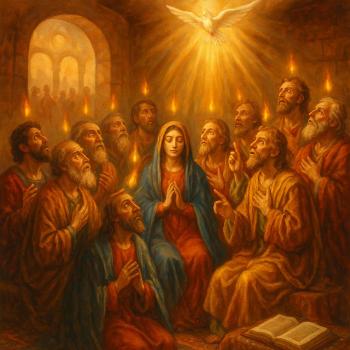
Become Fire: A New Pentecost for Progressive Christians

Adventurous Lectionary - Epiphany 5 - February 4,...

The Adventurous Lectionary - The Eighteenth Sunday after...

The Adventurous Lectionary - Eighth Sunday after Pentecost...
TRENDING AT PATHEOS Progressive Christian

Smart people saying smart things (11.24.26)
Please take time to listen to Perry Bacon, Sarah Posner, Adam Serwer,...

The Contingency of Our Technology
Last week we were hit with a raft of massive technology outages....

In 1939, President Franklin D. Roosevelt moved Thanksgiving from November 30 to...

Reasons for Restraint: Ricardo Gonzalez, Florida and Dec...
The Morning of January 3 I begin with the dead. On the...

I published this column for Thanksgiving 2012 in the Deseret News....

For many years, Catholicism has been caught up in division over the...
view all Progressive Christian blogs
Ad-Free & Subscriber Log-In Subscription Support
- About Us
- 2026 Calendar
- Videos
- Podcasts
- Library of World Religions
- Faith In Media Tracker
- Advertise With Us
- Write for Us
- Privacy Policy
- Terms of Service
- Do Not Sell My Data
- Contact Us
- Radiant Digital
- Manage Newsletter Subscriptions
- Unsubscribe From Notifications
- Sitemap
Copyright 2008-2026, Patheos, part of the Radiant Digital network of media brands. All rights reserved.
Subscription Support Ad-Free & Subscriber Log-In
Follow Patheos