
BuddhistCatholicContemplativeEvangelicalGeneral ChristianHinduJewishLatter-day SaintMuslimNew VisionsProgressive Christian
Beliefs
- Buddhist
- Catholic
- Contemplative
- Evangelical
- General Christian
- Hindu
- Jewish
- Latter-day Saint
- More Voices
- Muslim
- New Visions
- Pagan
- Progressive Christian
Topics
- Religion News
- Food and Religion
- Sports and Religion
- Religious Art
- Religious Music and Entertainment
- Religious Events
- History and Religion
- Style and Religion
- Politics and Religion
- Women in Religion
- Recreation Outdoors and Religion
- Business Finance and Religion
- Careers Workplace and Religion
- Education and Religion
- Family Parenting and Religion
- Health Fitness and Religion
- Home and Religion
- Relationships and Religion
- Technology and Religion
- Travel and Religion
Columnists
- Buddhist Columnists
- Business Finance and Religion Columnists
- Careers Workplace and Religion Columnists
- Catholic Columnists
- Contemplative Columnists
- Education and Religion Columnists
- Evangelists Columnists
- Family Parenting and Religion Columnists
- General Christian Columnists
- Health Fitness and Religion Columnists
- Hindu Columnists
- History and Religion Columnists
- Home and Religion Columnists
- Jewish Columnists
- More Voices Columnists
- Latter Day Columnists
- Muslim Columnists
- New Visions Columnists
- Nonreligious Columnists
- Pagan Columnists
- Politics and Religion Columnists
- Progressive Columnists
- Recreation Outdoors and Religion Columnists
- Relationships and Religion Columnists
- Religion News Columnists
- Religious Art Columnists
- Religious Events Columnists
- Religious Music and Entertainment Columnists
- Sports and Religion Columnists
- Style and Religion Columnists
- Technology and Religion Columnists
- Travel and Religion Columnists
- Women in Religion Columnists
Resource Library
- 2026 Calendar
- Library of World Religions
- The 100 Most Holy Places on Earth
- Patheos Answers
- Podcasts
- Videos
- Faith Leaders Database
- Anglican Episcopalian
- Bahai
- Baptist
- Buddhism
- Christianity
- Confucianism
- Eastern Orthodoxy
- Hinduism
- Holiness and Pentecostal
- ISKCON
- Islam
- Judaism
- Lutheran
- Methodist
- The Church of Jesus Christ of Latter-day Saints
- New Age
- Paganism
- Presbytarian and Reformed
- Protestantism
- Religion Behind the Scenes
- Roman Catholic
- Scientology
- Shia Islam
- Sikhism
- Sufism
- Sunni Islam
- Taoism
- Zen
- See all religions
Research Tools
 Ad-Free & Subscriber Log-In Subscription Support
Follow Patheos 

- Trending:
- Advent
- |
- Forgiveness
- |
- Thanksgiving
- |
- Election
- |
- Seasonal Holidays
- |
- Marriage

- Home
- Progressive Christian
- God and the Global Public Square: A Response to Os Guinness’ The Global Public Square
God and the Global Public Square: A Response to Os Guinness’ The Global Public Square
Last updated on: August 23, 2013 at 12:03 pm by Bruce Epperly
God and the Global Public Square: A Response to Os Guinness’ The Global Public Square 2013-08-23T12:03:15-04:00 Bruce Epperly
Patheos Explore the world's faith through different perspectives on religion and spirituality! Patheos has the views of the prevalent religions and spiritualities of the world.
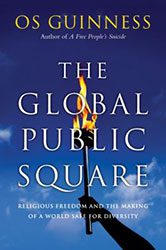 Although I come from the progressive theological and political wing of the Christian family, I always appreciate Os Guinness’ reflections. I am very appreciative of his new book The Global Public Square. Though I take a slightly different path, I find his reflections typically spot on in their assessment of social and cultural trends. As a pastor of a congregation within the United Church of Christ (South Congregational, Centerville, MA), which seeks to welcome people wherever they are on life’s journey, I am committed to thoughtful, affirmative, and respectful diversity. I believe that our response to diversity is a profoundly theological issue and that our vision of God shapes our response to the “holy otherness” of our fellow humans. Accordingly, my response to Os Guinness’ The Global Public Square is intended to be an invitation to mindful theological reflection among my fellow Christians, conservative, liberal, and in between.
I want to begin with the affirmation that God loves diversity. In our lively, interdependent, and evolving universe, diversity abounds in flora and fauna. Survival and growth depend on diversity and even though diversity may lead to struggle, the upward reach of evolution and the moral arc of history depend on the creative interdependence of unique and diverse individuals, cultures, ethnicities and races, gifts and talents, lifestyles and sexual identities. The diversity of life is not a call to undifferentiated relativism, but an acceptance of otherness, indeed, the gentle though not-uncritical promotion of otherness, provided it does not undermine the bases of healthy and life-supporting community. Freedom is never absolute but contingent on the well-being of the community, congregation, and planet.
Historically religion becomes tyrannical when it blesses uniformity, establishing one orthodoxy, liturgy, polity, creed, and sexuality as absolute, and defining “others” as heretics, unworthy of ethical, theological, or political consideration. I often ponder how Christianity might have evolved: if the writings of the heterodox gnostic Christian groups were included, like the Apocrypha, in the scriptural canon; if Augustine had recognized wisdom in Pelagius’ vision of human agency and goodness rather than making the Celt’s name an anathema; if East and West had not split over interpretation of creeds; and Protestants and Catholics found ways to redefine and transform authority and understandings of the relationship of grace and effort. Perhaps, Christianity would be a healthier religion.
A monolithic God ultimately distrusts diversity and inspires believers to persecute otherness. An unchanging God also threatens diversity. A God who exists in unchanging perfection, having chosen the elect and the lost, tempts believers to clearly divide the world into in and out, saved and unsaved, righteous and unrighteous, and worthy and unworthy of basic human rights. If truth is static and settled, then those we presume to be in error have no rights to voice or freedom.
A living God, evolving with the world, active in every part of the world, seeking wholeness for everyone, in other words, the God of dynamic omnipresence, encourages diversity. If, as John’s Gospel proclaims, the true light shines on everyone, then we must accord some light – something of the divine – to every person; we must also accord “others” the possibility of sharing some of the truths we hold, even if we understand truth differently.
A universal and cosmic God promotes respect for diversity. I constantly remind congregants and colleagues that we live in a universe that is nearly14 billion years old and that is made up of over 125 billion galaxies (and counting!). This ought to be enough to inspire humility. Our truths may be “saving,” that is, they may transform our lives in healing ways, giving us confidence about this life and eternity. Our “saving” truths are also partial and limited. In a grand universe and a diverse planet, there must be many paths of salvation. The only response to such majestic divinely-inspired and cosmic and planetary diversity is humility. Humility does not preclude us from value judgments, ethical actions, and enforcing the laws of our community; it awakens us to a holy relativity that allows those with whom we disagree to have voice and a place at the table of pious pluralism.
A lively, evolving, and diversity-affirming approach to life is enshrined in the Christian doctrine of the Trinity, especially the Orthodox Christion image of perichoresis, “the dancing, interactive trinity.” Each member is uniquely her or himself, but also one in spirit and intent, spinning off wondrous diversity with every movement. A large-spirited lively and moving God inspires believers of stature, large-souled persons, who embrace otherness while maintaining fidelity to their own evolving understanding of God.
Next Post

August 26, 2013 The Adventurous Lectionary for Sept 1: Creative Interdependence
Browse Our Archives
Select a Category Book Reviews The Adventurous Lectionary Uncategorized
Select a Month November 2026 October 2026 September 2026 August 2026 July 2026 June 2026 May 2026 April 2026 March 2026 February 2026 January 2026 December 2025 November 2025 October 2025 September 2025 August 2025 July 2025 June 2025 May 2025 April 2025 March 2025 February 2025 January 2025 December 2024 November 2024 October 2024 September 2024 August 2024 July 2024 June 2024 May 2024 April 2024 March 2024 February 2024 January 2024 December 2023 November 2023 October 2023 September 2023 August 2023 July 2023 June 2023 May 2023 March 2023 February 2023 January 2023 December 2022 November 2022 October 2022 September 2022 August 2022 July 2022 June 2022 May 2022 April 2022 March 2022 February 2022 January 2022 December 2021 November 2021 October 2021 September 2021 August 2021 July 2021 June 2021 May 2021 April 2021 March 2021 February 2021 January 2021 December 2020 November 2020 October 2020 September 2020 August 2020 July 2020 June 2020 May 2020 April 2020 March 2020 February 2020 January 2020 December 2019 November 2019 October 2019 September 2019 August 2019 July 2019 June 2019 May 2019 April 2019 March 2019 February 2019 January 2019 December 2018 November 2018 October 2018 September 2018 August 2018 July 2018 June 2018 May 2018 April 2018 March 2018 February 2018 January 2018 December 2017 November 2017 October 2017 September 2017 August 2017 July 2017 June 2017 May 2017 April 2017 March 2017 February 2017 January 2017 December 2016 November 2016 October 2016 September 2016 August 2016 July 2016 June 2016 May 2016 April 2016 March 2016 February 2016 January 2016 December 2015 November 2015 October 2015 September 2015 August 2015 July 2015 June 2015 May 2015 April 2015 March 2015 February 2015 January 2015 December 2014 November 2014 October 2014 September 2014 August 2014 July 2014 June 2014 May 2014 April 2014 March 2014 February 2014 January 2014 December 2013 November 2013 October 2013 September 2013 August 2013 July 2013 June 2013 May 2013 April 2013 March 2013 February 2013 January 2013 December 2012 November 2012 October 2012 September 2012 August 2012 July 2012 June 2012 May 2012 April 2012 March 2012 February 2012 December 2011 May 2011 April 2011 March 2011 February 2011 January 2011
TAKE THE
Religious Wisdom Quiz
True or False: Paul instructs the Philippians to do everything without grumbling or arguing.
Select your answer to see how you score.
TRUE FALSE
Books by This Author Books by Living A Holy Adventure
Related posts from Living A Holy Adventure
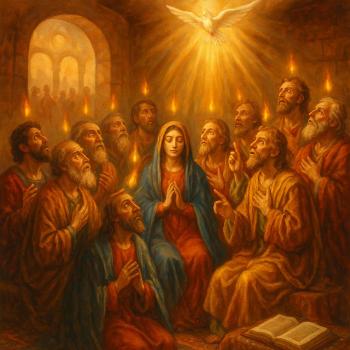
Become Fire: A New Pentecost for Progressive Christians

The Adventurous Lectionary - The Twenty Fourth Sunday...

The Adventurous Lectionary - The Seventeenth Sunday after...

Faith in a Time of Pandemic - Blessing...
TRENDING AT PATHEOS Progressive Christian

Smart people saying smart things (11.24.26)
Please take time to listen to Perry Bacon, Sarah Posner, Adam Serwer,...

The Contingency of Our Technology
Last week we were hit with a raft of massive technology outages....

In 1939, President Franklin D. Roosevelt moved Thanksgiving from November 30 to...

Reasons for Restraint: Ricardo Gonzalez, Florida and Dec...
The Morning of January 3 I begin with the dead. On the...

I published this column for Thanksgiving 2012 in the Deseret News....

For many years, Catholicism has been caught up in division over the...
view all Progressive Christian blogs
Ad-Free & Subscriber Log-In Subscription Support
- About Us
- 2026 Calendar
- Videos
- Podcasts
- Library of World Religions
- Faith In Media Tracker
- Advertise With Us
- Write for Us
- Privacy Policy
- Terms of Service
- Do Not Sell My Data
- Contact Us
- Radiant Digital
- Manage Newsletter Subscriptions
- Unsubscribe From Notifications
- Sitemap
Copyright 2008-2026, Patheos, part of the Radiant Digital network of media brands. All rights reserved.
Subscription Support Ad-Free & Subscriber Log-In
Follow Patheos