
BuddhistCatholicContemplativeEvangelicalGeneral ChristianHinduJewishLatter-day SaintMuslimNew VisionsProgressive Christian
Beliefs
- Buddhist
- Catholic
- Contemplative
- Evangelical
- General Christian
- Hindu
- Jewish
- Latter-day Saint
- More Voices
- Muslim
- New Visions
- Pagan
- Progressive Christian
Topics
- Religion News
- Food and Religion
- Sports and Religion
- Religious Art
- Religious Music and Entertainment
- Religious Events
- History and Religion
- Style and Religion
- Politics and Religion
- Women in Religion
- Recreation Outdoors and Religion
- Business Finance and Religion
- Careers Workplace and Religion
- Education and Religion
- Family Parenting and Religion
- Health Fitness and Religion
- Home and Religion
- Relationships and Religion
- Technology and Religion
- Travel and Religion
Columnists
- Buddhist Columnists
- Business Finance and Religion Columnists
- Careers Workplace and Religion Columnists
- Catholic Columnists
- Contemplative Columnists
- Education and Religion Columnists
- Evangelists Columnists
- Family Parenting and Religion Columnists
- General Christian Columnists
- Health Fitness and Religion Columnists
- Hindu Columnists
- History and Religion Columnists
- Home and Religion Columnists
- Jewish Columnists
- More Voices Columnists
- Latter Day Columnists
- Muslim Columnists
- New Visions Columnists
- Nonreligious Columnists
- Pagan Columnists
- Politics and Religion Columnists
- Progressive Columnists
- Recreation Outdoors and Religion Columnists
- Relationships and Religion Columnists
- Religion News Columnists
- Religious Art Columnists
- Religious Events Columnists
- Religious Music and Entertainment Columnists
- Sports and Religion Columnists
- Style and Religion Columnists
- Technology and Religion Columnists
- Travel and Religion Columnists
- Women in Religion Columnists
Resource Library
- 2026 Calendar
- Library of World Religions
- The 100 Most Holy Places on Earth
- Patheos Answers
- Podcasts
- Videos
- Faith Leaders Database
- Anglican Episcopalian
- Bahai
- Baptist
- Buddhism
- Christianity
- Confucianism
- Eastern Orthodoxy
- Hinduism
- Holiness and Pentecostal
- ISKCON
- Islam
- Judaism
- Lutheran
- Methodist
- The Church of Jesus Christ of Latter-day Saints
- New Age
- Paganism
- Presbytarian and Reformed
- Protestantism
- Religion Behind the Scenes
- Roman Catholic
- Scientology
- Shia Islam
- Sikhism
- Sufism
- Sunni Islam
- Taoism
- Zen
- See all religions
Research Tools
 Ad-Free & Subscriber Log-In Subscription Support
Ad-Free & Subscriber Log-In Subscription Support
Follow Patheos 

- Trending:
- Forgiveness
- |
- Marriage
- |
- Consciousness
- |
- Death Penalty
- |
- Election
- |
- Halloween

- Home
- Evangelical
- Religious Events
- Insufficient? The Bible and Baptist Progressives
Insufficient? The Bible and Baptist Progressives
Last updated on: July 21, 2026 at 9:45 am by Layne Wallace
Insufficient? The Bible and Baptist Progressives 2026-07-21T09:45:57-04:00 Layne Wallace
Patheos Explore the world's faith through different perspectives on religion and spirituality! Patheos has the views of the prevalent religions and spiritualities of the world.
Progressives and the Bible
In a previous article, I traced the trajectory of progressive theology by examining a proponent’s claims. One of my chief concerns is how progressive theology engages with Holy Scripture. It does not engage the Bible as Holy Writ but as a series of documents in tension with one another and often contradictory. The Scriptures then, are not so much authoritative but illustrative. For progressive theologians, the Scriptures do not have authority because they come from God; rather, they illustrate how people in the past understood their encounters with God. If there is any authority in the Bible, it comes not from the text but from the reasoning capacity of the reader. Progressive theologians, even progressive Baptists have a problem with the way they think of Scripture.
Editor of Baptist New Global, Mark Wingfield,* just illustrated the point perfectly. In a recent article, Insufficient, Wingfield argues that the Bible is not sufficient for matters of faith. He writes,
Most importantly, God still speaks today. The life of Jesus still inspires and guides us today. The Holy Spirit still leads us into all truth. No part of the Trinity is bound by the words of Moses or Paul. Thus, to say Scripture is insufficient is not a condemnation but an acknowledgement that neither popes nor potentates, neither priests nor pastors, neither seminary presidents nor podcasters have the final word.
Authority belongs to God and God alone. And God still speaks.
Is God Bound to the Bible?
The target of his article is the movement among some in Calvinist circles who conclude that the Bible’s sufficiency applies to practically everything. That, however, is a small group. Most who hold to the sufficiency of Scripture apply that concept to matters of life and faith. The mating habits of porcupines and the dietary needs of the Burmese python are beyond the Scriptures’ scope, after all.
While aiming at his target, Wingfield makes comments that are quite revealing. The last sentences, among others in the article, are quite shocking. Notice what he has done. The Scriptures are no longer the word of God in any real sense. They are the words of Moses, Paul and the other writers. Furthermore, God is not bound to them.
Outside the Norm
To say that his thinking is outside the norms of the Christian faith is to understate the issue. A look at Christian theologians across time, location, and denomination will illustrate:
Augustine says, “Let us, therefore, yield ourselves and bow to the authority of the Holy Scriptures, which can neither err nor deceive.”
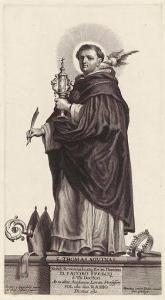
Aquinas writes, “The author of sacred Scripture is God …” The human authors are “instrumental authors.”
Calvin writes, “ … it [the Bible] has flowed to us from the very mouth of God by the ministry of men.”
John Wesley writes, “ … I draw this conclusion, that the Bible must be given by divine inspiration.”
Count Nicholas Zinzendorf writes, “Holy Scripture is the book of all books; it contains, as it is, the truth from God’s heart and mouth … ”
Baptists and the Bible
Baptists, historically speaking, have held to a high view of Scripture as well. The 1963 Baptist Faith and Message states,
The Holy Bible was written by men divinely inspired and is the record of God’s revelation of Himself to man. It is a perfect treasure of divine instruction. It has God for its author, salvation for its end, and truth, without any mixture of error, for its matter. It reveals the principles by which God judges us; and therefore is, and will remain to the end of the world, the true center of Christian union, and the supreme standard by which all human conduct, creeds, and religious opinions should be tried. The criterion by which the Bible is to be interpreted is Jesus Christ.
The Emergence of Liberal/Progressive Thought
Until the 19th century and the emergence of theological liberalism, the Church understood the Scriptures to have their origin in God. While there was significant disagreement about how inspiration occurred and the authority of the Christian tradition relative to the Scriptures, the Church believed the Bible was the written word of God.
Most notably in the work of Friedrich Schleiermacher, theological liberalism countered the idea of God’s authorship of the Scriptures. Schleiermacher, the “father of theological liberalism,” contended that the Bible was the record of human consciousness of the divine, not the revelation of God.
Wingfield’s contention here might have even dilated the blood vessels in Schleiermacher’s cheeks had the late German theologian read them. What Wingfield has done here is separate God from the Bible in such a way that the words of Scripture themselves are in opposition to what God wants to do. So, when applying the words of Scripture to Wingfield’s pet issue, human sexuality, applying them as written is an attempt to bind God.
God is Truthful
No, God cannot be bound. That much is true. What is also true is that God is truthful. More precisely, God is truth itself. In the words of Jesus, “I am the way, the truth, and the life.” If God is the ultimate author of Scripture, inspiring humans to compose the text, and God cannot lie, then what God has said stands.
It has long been my contention that without the belief that the Scriptures are the written word of God, theology cannot help but lurch from one issue of the day to the next. Valiant keyboard warriors may think they are guarding the true nature of the Gospel without upholding divine inspiration of the text, but they are not. What inevitably happens is that culturally-driven herd mentality drives them from one absurdity to another. Their understanding of what true and right will simply mirror the values the intelligentsia treasure, even if those values contradict Scripture.
A Service
In one sense, Wingfield has done a great service. What many who share Wingfield’s views on a range of issues do is try to find loopholes in what the Bible says. The intellectual dexterity they often demonstrate is quite impressive, even if unconvincing. What Wingfield does, though, is intellectually honest. He is aware of what Scripture says and does not make intellectually embarrassing attempts to contort it. Rather, he argues that the Scriptures are not divine enough to be authoritative. They may inspire us, but the voice of God is what is authoritative.
It is a great irony that he finishes his article by saying that Popes nor potentates, priests nor pastors have the last word. God does. That is true, of course. The truth of that is why the Church insists on the inspiration and authority of Scripture.
Who Has the Final Word?
If Scripture does not have the final word, then some person or some persons will have the final word. It cannot be otherwise. If the Scriptures are not the final authority, then someone’s claim to hearing the voice of God might have the last word. There have been far too many examples of this process to count, and they all end badly. How does an outsider know if a person has heard the voice of God or has ingested too many hallucinogens? How does an outsider know if a person has heard the voice of God or is responding to an overactive bladder or thyroid? One cannot.
If Scripture is not the final authority, then the pressure of culture might have final authority. The winds of social norms blow at gale force. Few structures stand their blast, and there is little protection from the winds of culture without the Scriptures.
What Wingfield does is the opposite of his intent. He wants to say that people do not have the last word. What he does is ensure that people have the last word.
There is only one way to prevent fallen people from having the last word: the Scriptures.
Sola canonica scripture est regula fidei. “Only the canonical Scriptures are the standard of faith” — Thomas Aquinas.
* I know Mark, and I have written for his publication on numerous occasions. Mark is gracious, and he as always welcomed me.
Previous Post
July 13, 2026
Pope Leo and Islam
Next Post
August 3, 2026 The Process of Preaching
Recent Comments
Browse Our Archives
Select a Category Biblical Studies Mental Health and Religion News Philosophy of Religion Uncategorized
Select a Month August 2026 July 2026 June 2026 February 2025 January 2025 November 2024 October 2024 September 2024 July 2024 June 2024 May 2024 February 2024 November 2023 October 2023 September 2023 August 2023 July 2023 April 2022 March 2022 December 2021 November 2021 October 2021 September 2021 August 2021 July 2021 June 2021 April 2021 March 2021 February 2021 December 2020 November 2020 October 2020 September 2020 August 2020 March 2020 February 2020 January 2020 December 2019 November 2019 September 2019 August 2019 July 2019 June 2019 May 2019 April 2019 March 2019 February 2019 January 2019 January 2018
Follow Us!
TAKE THE
Religious Wisdom Quiz
What theme is central to both Isaiah and Jeremiah's prophecies?
Select your answer to see how you score.
Judgment and restoration Genealogy Priestly leadership Military conquest
Related posts from Layne Wallace

Asteroids, God, and a Chaotic Universe: What It...


Helene the Horrible: The Windows of the Heavens
TRENDING AT PATHEOS Evangelical

Letters on Living the Faith by C.S. Lewis
Most of us met C.S. Lewis as a public intellectual. Mere Christianity....

When Halloween Unmasks Married Hearts
Written by Dr. David K. Ewen from Eternal Truth Bible College Behind...

Aristotle. He’s been called the father of logic, the father of the...

Methodist Central Hall and Westminster Abbey
Situated on the same square is Methodist Central Hall and Westminster Abbey. ...

57th Dove Awards Honor Dolly Parton, Crown New...
On gospel music’s biggest night, the 57th annual GMA Dove Awards honored...

The First Eucharistic Controversy: Christ’s Real Presence
For Catholics, the Eucharist is the source and summit of the Christian...
view all Evangelical blogs
What Are Your Thoughts?leave a comment
Ad-Free & Subscriber Log-In Subscription Support
- About Us
- 2026 Calendar
- Videos
- Podcasts
- Library of World Religions
- Faith In Media Tracker
- Advertise With Us
- Write for Us
- Privacy Policy
- Terms of Service
- Do Not Sell My Data
- Contact Us
- Radiant Digital
- Manage Newsletter Subscriptions
- Unsubscribe From Notifications
- Sitemap
Copyright 2008-2026, Patheos. All rights reserved.
Subscription Support Ad-Free & Subscriber Log-In
Follow Patheos