
BuddhistCatholicContemplativeEvangelicalGeneral ChristianHinduJewishLatter-day SaintMuslimNew VisionsProgressive Christian
Beliefs
- Buddhist
- Catholic
- Contemplative
- Evangelical
- General Christian
- Hindu
- Jewish
- Latter-day Saint
- More Voices
- Muslim
- New Visions
- Pagan
- Progressive Christian
Topics
- Religion News
- Food and Religion
- Sports and Religion
- Religious Art
- Religious Music and Entertainment
- Religious Events
- History and Religion
- Style and Religion
- Politics and Religion
- Women in Religion
- Recreation Outdoors and Religion
- Business Finance and Religion
- Careers Workplace and Religion
- Education and Religion
- Family Parenting and Religion
- Health Fitness and Religion
- Home and Religion
- Relationships and Religion
- Technology and Religion
- Travel and Religion
Columnists
- Buddhist Columnists
- Business Finance and Religion Columnists
- Careers Workplace and Religion Columnists
- Catholic Columnists
- Contemplative Columnists
- Education and Religion Columnists
- Evangelists Columnists
- Family Parenting and Religion Columnists
- General Christian Columnists
- Health Fitness and Religion Columnists
- Hindu Columnists
- History and Religion Columnists
- Home and Religion Columnists
- Jewish Columnists
- More Voices Columnists
- Latter Day Columnists
- Muslim Columnists
- New Visions Columnists
- Nonreligious Columnists
- Pagan Columnists
- Politics and Religion Columnists
- Progressive Columnists
- Recreation Outdoors and Religion Columnists
- Relationships and Religion Columnists
- Religion News Columnists
- Religious Art Columnists
- Religious Events Columnists
- Religious Music and Entertainment Columnists
- Sports and Religion Columnists
- Style and Religion Columnists
- Technology and Religion Columnists
- Travel and Religion Columnists
- Women in Religion Columnists
Resource Library
- 2026 Calendar
- Library of World Religions
- The 100 Most Holy Places on Earth
- Patheos Answers
- Podcasts
- Videos
- Faith Leaders Database
- Anglican Episcopalian
- Bahai
- Baptist
- Buddhism
- Christianity
- Confucianism
- Eastern Orthodoxy
- Hinduism
- Holiness and Pentecostal
- ISKCON
- Islam
- Judaism
- Lutheran
- Methodist
- The Church of Jesus Christ of Latter-day Saints
- New Age
- Paganism
- Presbytarian and Reformed
- Protestantism
- Religion Behind the Scenes
- Roman Catholic
- Scientology
- Shia Islam
- Sikhism
- Sufism
- Sunni Islam
- Taoism
- Zen
- See all religions
Research Tools
 Ad-Free & Subscriber Log-In Subscription Support
Ad-Free & Subscriber Log-In Subscription Support
Follow Patheos 

- Trending:
- Forgiveness
- |
- Marriage
- |
- Consciousness
- |
- Death Penalty
- |
- Election
- |
- Halloween
 Lasara Firefox Allen
- Home
- Pagan
- Transmutation of Suffering: The Magic of Tonglen
Transmutation of Suffering: The Magic of Tonglen
Last updated on: January 28, 2017 at 10:55 am by Lasara Firefox Allen
Transmutation of Suffering: The Magic of Tonglen 2017-01-28T10:55:03-08:00 Lasara Firefox Allen
Patheos Explore the world's faith through different perspectives on religion and spirituality! Patheos has the views of the prevalent religions and spiritualities of the world.
Tonglen meditation is a healing practice. The word tonglen is Tibetan, and means “giving and taking.” It is also translated as “sending and receiving.” Rooted deeply in Tibetan Buddhist teachings of mindfulness and service, tonglen is designed to transmute and transcend suffering, not only on the personal level but on the global as well.
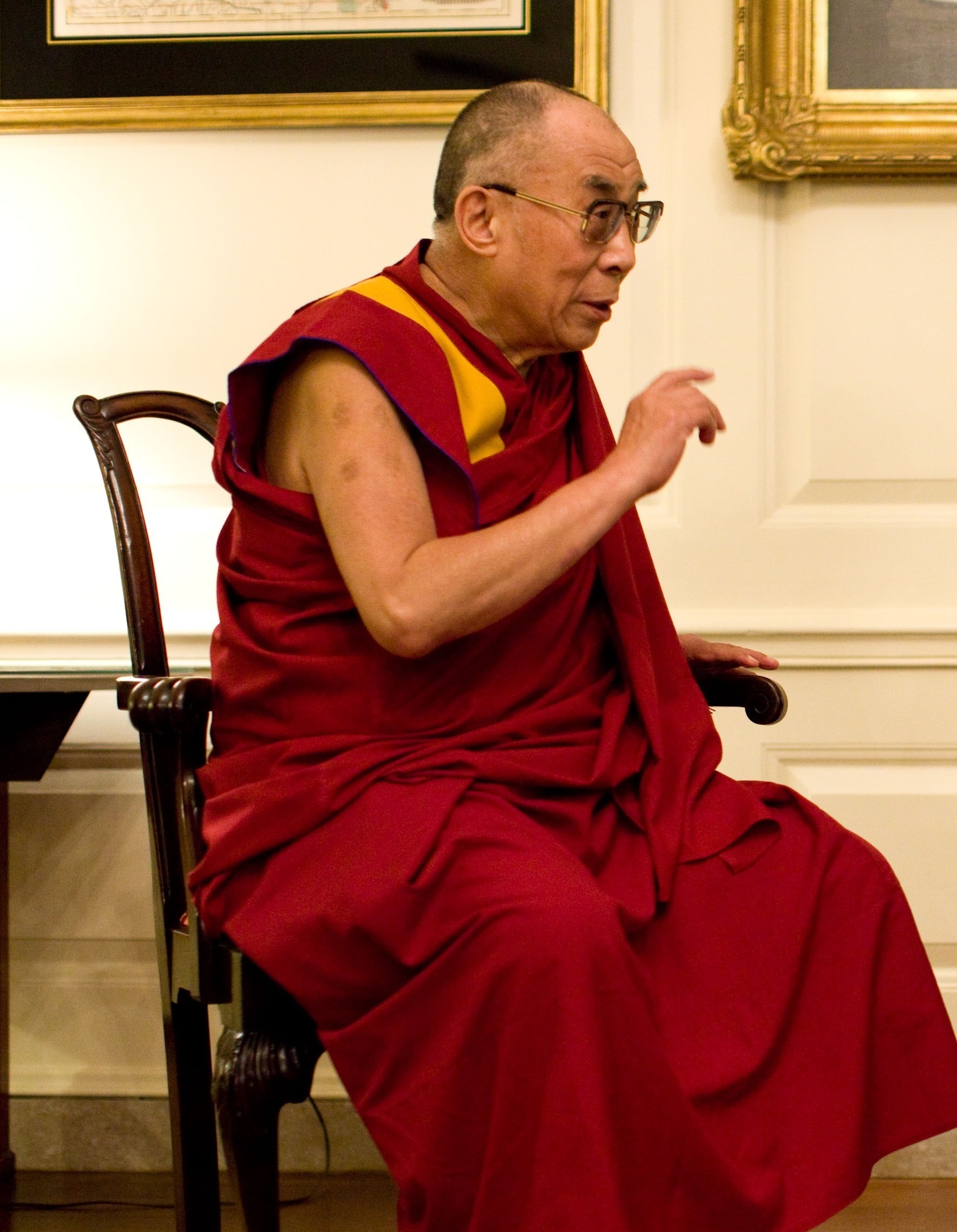
His Holiness the Dalai Lama
Seeking ease for ourselves is not always synonymous with working toward the liberation of all beings. But, in the case of tonglen, the transformation of discomfort is a path that allows for healing, transformation, and liberation on all levels. His Holiness the Dalai Lama has said that he practices tonglen everyday. This is what he says of the practice; “Whether this meditation really helps others or not, it gives me peace of mind. Then I can be more effective, and the benefit is immense.”
Tonglen is a practice I’ve found to be helpful when I’m feeling the need to create change in myself, or in the world at large. And lately I’ve been feeling that need a lot. Perhaps you have been too? Tonglen is part of my spiritual process around social justice, because it contributes to the liberation of all beings. It’s part of my mental health plan and my self-care process because I find it to be a valuable practice for centering, releasing attachment, and increasing presence. Perhaps you will find through practice that tonglen has immense benefit for you as well.
The Pali word dukkha is often translated into English as suffering, but has many other more subtle and complex meanings. In an effort to be more accurate and inclusive of meaning, I will use the word dukkha in this article instead of one of the various translations.
The practice of tonglen may at first seem a counter-intuitive method for creating healing if you are used to the concept of breathing in “good” energy, and releasing the “bad.” The practice of tonglen instead allows us the opportunity to consciously take dukkha into ourselves, and using our consciousness, to transform dukkha to resourceful states such as nonattachment, peace, ease, joy, love, or other states that encourage healing, release, relaxation, and well-being.
Tonglen begins with becoming conscious of the moment. Then, as opposed to the meditations or visualizations that invite you to breathe in peace and breath out pain, you breathe in dukkha and breathe out resourceful states. Like a tree converting carbon dioxide to oxygen, you become the filter that purifies the air for others to breathe.
While the idea of breathing in spiritual exhaust may not appeal at first, this practice is also designed as a way to overcome selfishness, or the act of cherishing oneself above other beings.
When taken to the pragmatic level you can see that the practice of tonglen serves; when we become willing to transmute suffering it allows us to actively “be the change we wish to see in the world,” whether the suffering we transform is truly only our own or is a more global suffering.
The magic of tonglen is a simple yet profound process of spiritual alchemy. By converting the suffering of yourself and the suffering of all beings through your consciousness and breath, you are contributing to conversion of the clouds of attachment, which can be visualized as clouds of spiritual exhaust. This spiritual exhaust is created by attachment, which, according the many spiritual philosophies, produces suffering.
The practice of tonglen touches and purifies all occurrences of attachment that arise in the experience of being.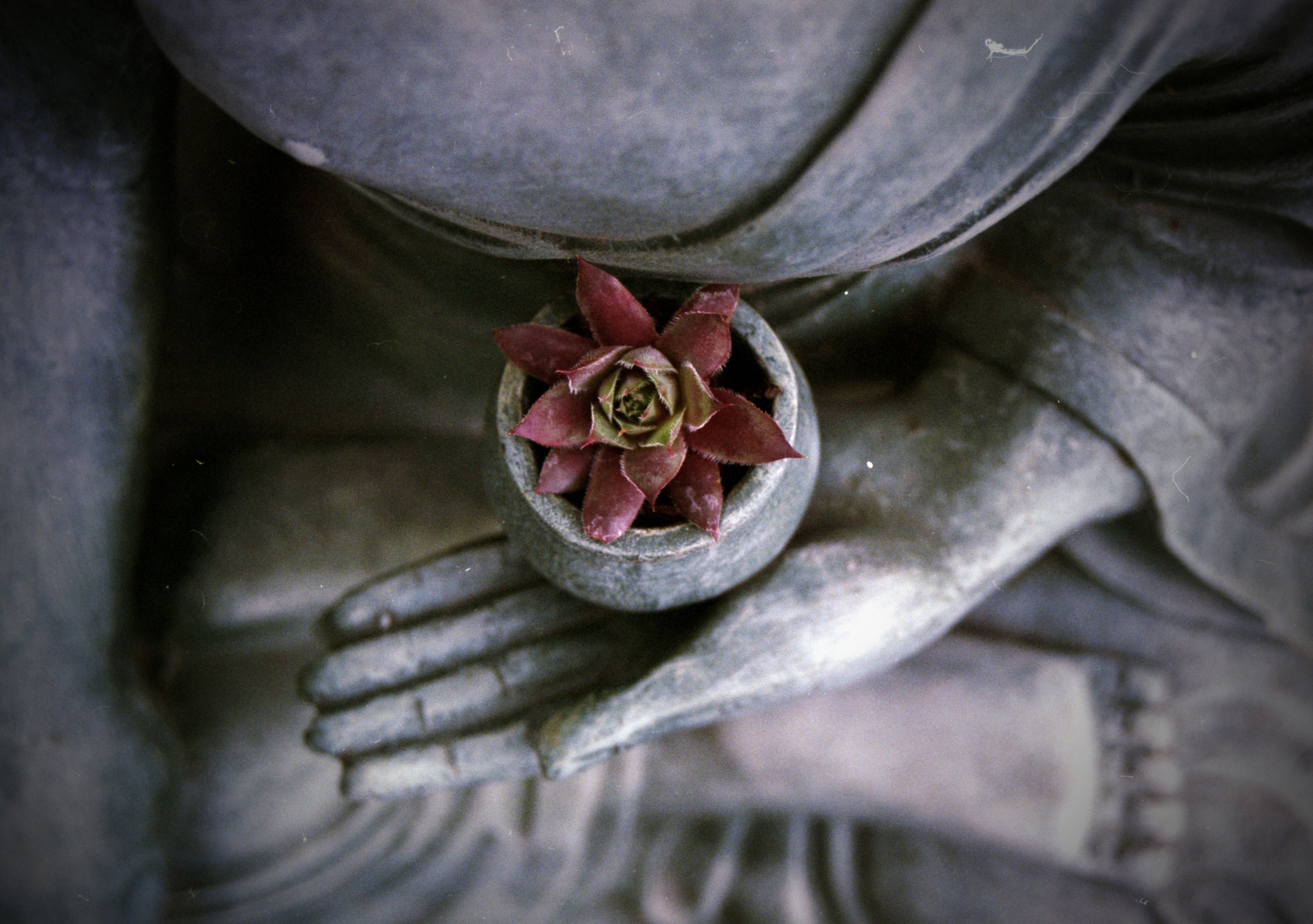
How to Practice Tonglen:
- Become conscious of the moment you are in. Don’t grasp at attachment to a purity of awareness, but be exactly where you are. Every moment of experience, be it joyful, blissful, angry, exuberant, sad, or frustrated has equal opportunity for your coming fully present in awakening.
- Breathe the dukkha, or spiritual exhaust, in. You may imagine the dukkha as smoke, haze, or as a having a color if that helps. If it helps, you may also or alternatively visualize one who is suffering, or the cause of suffering itself. You may visualize breathing in the dukkha surrounding the one who is suffering. Remember, this may be you. You may visualize your own dukkha and breathe it in, or the dukkha of others.
- In your center, allow the dukkha to transform. You are transmuting that spiritual exhaust to pure spiritual oxygen, like a tree transforms exhaust to clear air. Create this transformation by allowing the dukkha to dissolve into the nothingness at the center of everything. Or, as my friend Durga Fuller says, allow it to dissolve into “the emptiness that we are essentially.”
- As the transformation occurs, the dukkha transitions to nonattachment, joy, bliss, ease, peace. Allow yourself to fill your center with whatever of these states is within your reach. All merit you have accrued through the enactment of practice in the world will help to power this transformation.
- Breathe out the cleared and resourceful emotion or state, and send it out into the world in the form of non-attachment, bliss, joy, ease, happiness, peace.
Sometimes healing of the self is more challenging, so it may be easier for you to practice tonglen for the healing of others. Or, it may be easier to start with breathing in your own dukkha. Wherever you start, know that healing suffering is an ongoing process. And, healing suffering through your own selfless practice is work towards the liberation of all beings.
(Note: Edited How To section on 1/28 for greater clarity.)
Previous Post

December 18, 2016
Simple Winter Self-Care Magick to Banish Your Winter Blues
Browse Our Archives
Select a Category Devotional Family Traditions Magick Meditation Mental Health Relationships Samhain Seasonal self-care Sexuality social justice Uncategorized
Select a Month January 2017 December 2016 November 2016 October 2016 September 2016 May 2016 April 2016 February 2016 January 2016 December 2015
Follow Us!
TAKE THE
Religious Wisdom Quiz
Who was Deborah's husband?
Select your answer to see how you score.
Lapidoth Jephthah Barak Gideon
Related posts from Lasara Firefox Allen
Simple Winter Self-Care Magick to Banish Your Winter...


Fight Sexism: Get Out the Vote

TRENDING AT PATHEOS Pagan

I was recently chatting with someone on Instagram. She asked me what...

While there are many people who share their results, the end of...

On July 23, I saw Christopher Nolan's The Odyssey which is Homer’s...

As I write this two big events have just finished up. One...

Restoring the Watershed of Divine Love
Perhaps cooperation is not something we manufacture through legislation, ideology, or moral...

Many UUs don’t pray because of bad experiences in a previous religion,...
view all Pagan blogs
Ad-Free & Subscriber Log-In Subscription Support
- About Us
- 2026 Calendar
- Videos
- Podcasts
- Library of World Religions
- Faith In Media Tracker
- Advertise With Us
- Write for Us
- Privacy Policy
- Terms of Service
- Do Not Sell My Data
- Contact Us
- Radiant Digital
- Manage Newsletter Subscriptions
- Unsubscribe From Notifications
- Sitemap
Copyright 2008-2026, Patheos. All rights reserved.
Subscription Support Ad-Free & Subscriber Log-In
Follow Patheos