
BuddhistCatholicContemplativeEvangelicalGeneral ChristianHinduJewishLatter-day SaintMuslimNew VisionsProgressive Christian
Beliefs
- Buddhist
- Catholic
- Contemplative
- Evangelical
- General Christian
- Hindu
- Jewish
- Latter-day Saint
- More Voices
- Muslim
- New Visions
- Pagan
- Progressive Christian
Topics
- Religion News
- Food and Religion
- Sports and Religion
- Religious Art
- Religious Music and Entertainment
- Religious Events
- History and Religion
- Style and Religion
- Politics and Religion
- Women in Religion
- Recreation Outdoors and Religion
- Business Finance and Religion
- Careers Workplace and Religion
- Education and Religion
- Family Parenting and Religion
- Health Fitness and Religion
- Home and Religion
- Relationships and Religion
- Technology and Religion
- Travel and Religion
Columnists
- Buddhist Columnists
- Business Finance and Religion Columnists
- Careers Workplace and Religion Columnists
- Catholic Columnists
- Contemplative Columnists
- Education and Religion Columnists
- Evangelists Columnists
- Family Parenting and Religion Columnists
- General Christian Columnists
- Health Fitness and Religion Columnists
- Hindu Columnists
- History and Religion Columnists
- Home and Religion Columnists
- Jewish Columnists
- More Voices Columnists
- Latter Day Columnists
- Muslim Columnists
- New Visions Columnists
- Nonreligious Columnists
- Pagan Columnists
- Politics and Religion Columnists
- Progressive Columnists
- Recreation Outdoors and Religion Columnists
- Relationships and Religion Columnists
- Religion News Columnists
- Religious Art Columnists
- Religious Events Columnists
- Religious Music and Entertainment Columnists
- Sports and Religion Columnists
- Style and Religion Columnists
- Technology and Religion Columnists
- Travel and Religion Columnists
- Women in Religion Columnists
Resource Library
- 2026 Calendar
- Library of World Religions
- The 100 Most Holy Places on Earth
- Patheos Answers
- Podcasts
- Videos
- Faith Leaders Database
- Anglican Episcopalian
- Bahai
- Baptist
- Buddhism
- Christianity
- Confucianism
- Eastern Orthodoxy
- Hinduism
- Holiness and Pentecostal
- ISKCON
- Islam
- Judaism
- Lutheran
- Methodist
- The Church of Jesus Christ of Latter-day Saints
- New Age
- Paganism
- Presbytarian and Reformed
- Protestantism
- Religion Behind the Scenes
- Roman Catholic
- Scientology
- Shia Islam
- Sikhism
- Sufism
- Sunni Islam
- Taoism
- Zen
- See all religions
Research Tools
 Ad-Free & Subscriber Log-In Subscription Support
Ad-Free & Subscriber Log-In Subscription Support
Follow Patheos 

- Trending:
- Forgiveness
- |
- Marriage
- |
- Consciousness
- |
- Death Penalty
- |
- Election
- |
- Halloween

- Home
- Catholic
- Religion News
- Saint Teresa of Avila
Saint Teresa of Avila
Last updated on: March 25, 2016 at 4:28 pm by Father Pablo Migone
Saint Teresa of Avila 2016-03-25T16:28:59-05:00 Father Pablo Migone
Patheos Explore the world's faith through different perspectives on religion and spirituality! Patheos has the views of the prevalent religions and spiritualities of the world.
Saint Teresa of Avila (1515-1582) is best known reforming the Carmelite Religious Order in the 16th century by founding the Discalced Carmelites and writing the spiritual masterpiece The Interior Castle.
After spending thirty years at the Monastery of La Encarnacion in Avila, Spain, three of those years as prioress, Teresa founded the Monastery of San Jose for the Discalced Carmelite Nuns of the Primitive Rule of Saint Joseph in 1562. Saint Teresa believed the religious of the Carmelite Order had become too complacent and lived too comfortably. The communities were too large making it impossible for the sisters to know each other and to live true community life. Some religious had servants and lived in large cells with private kitchens. Teresa chose to leave La Encarnacion to begin something new with the help and encouragement of her confessor Saint John of the Cross, who founded the Discalced Carmelite Order for men.
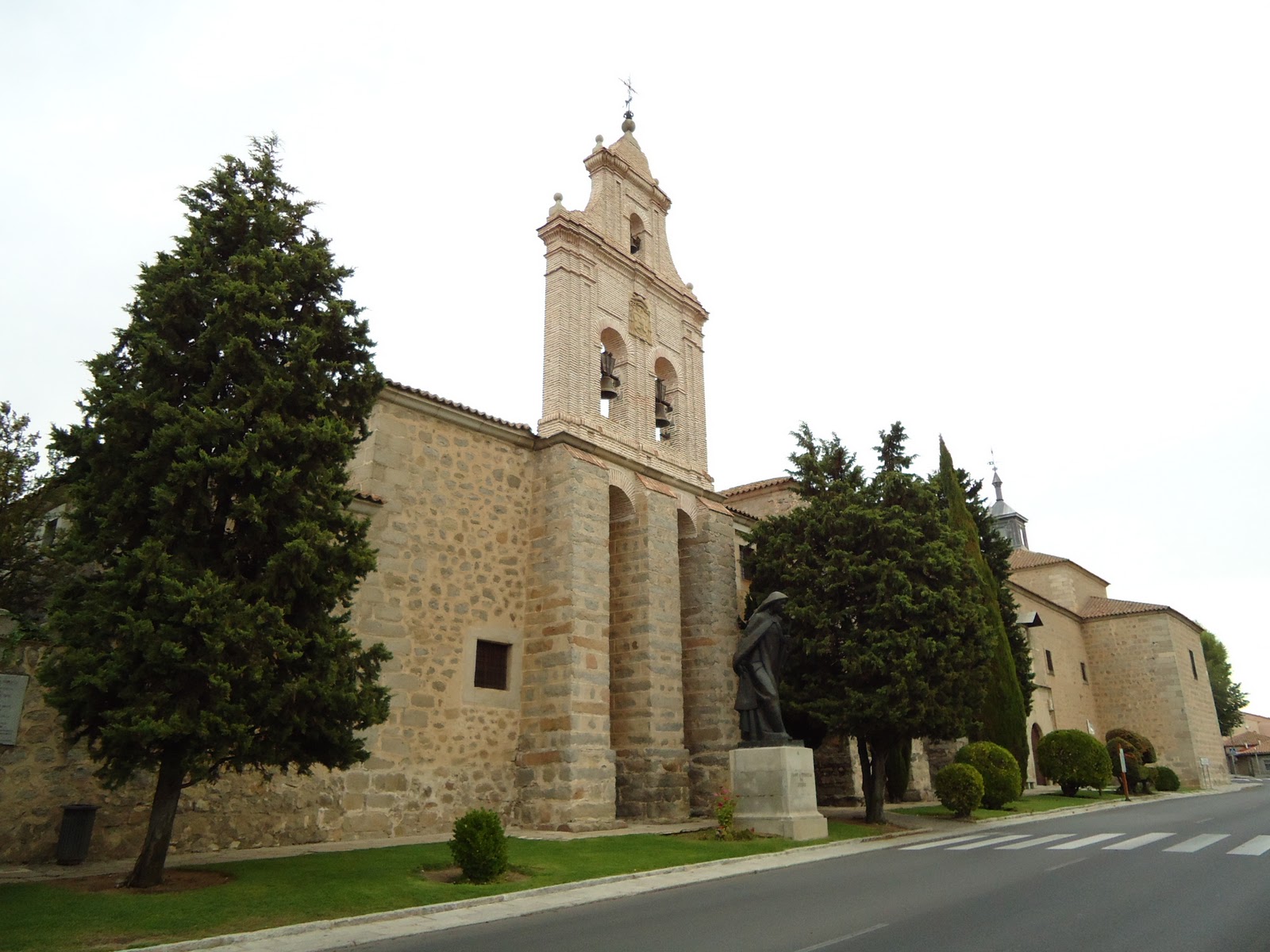
Monastery of La Encarnacion, Avila
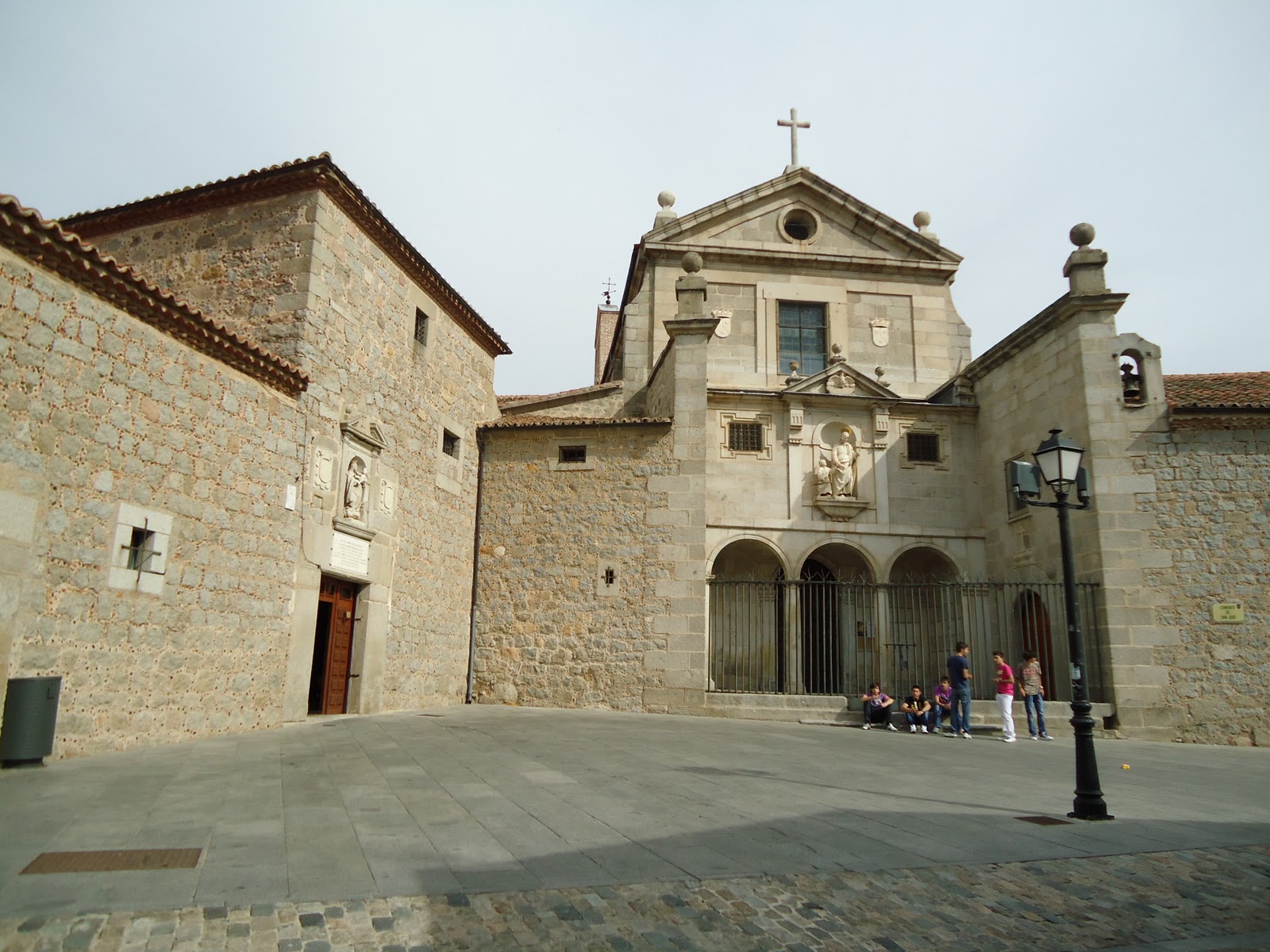
Monastery of San Jose, Avila
Saint Teresa gained ecclesiastical approval for her new foundation and in a relatively short amount of time founded Discalced Carmelite communities throughout the Spanish kingdom.
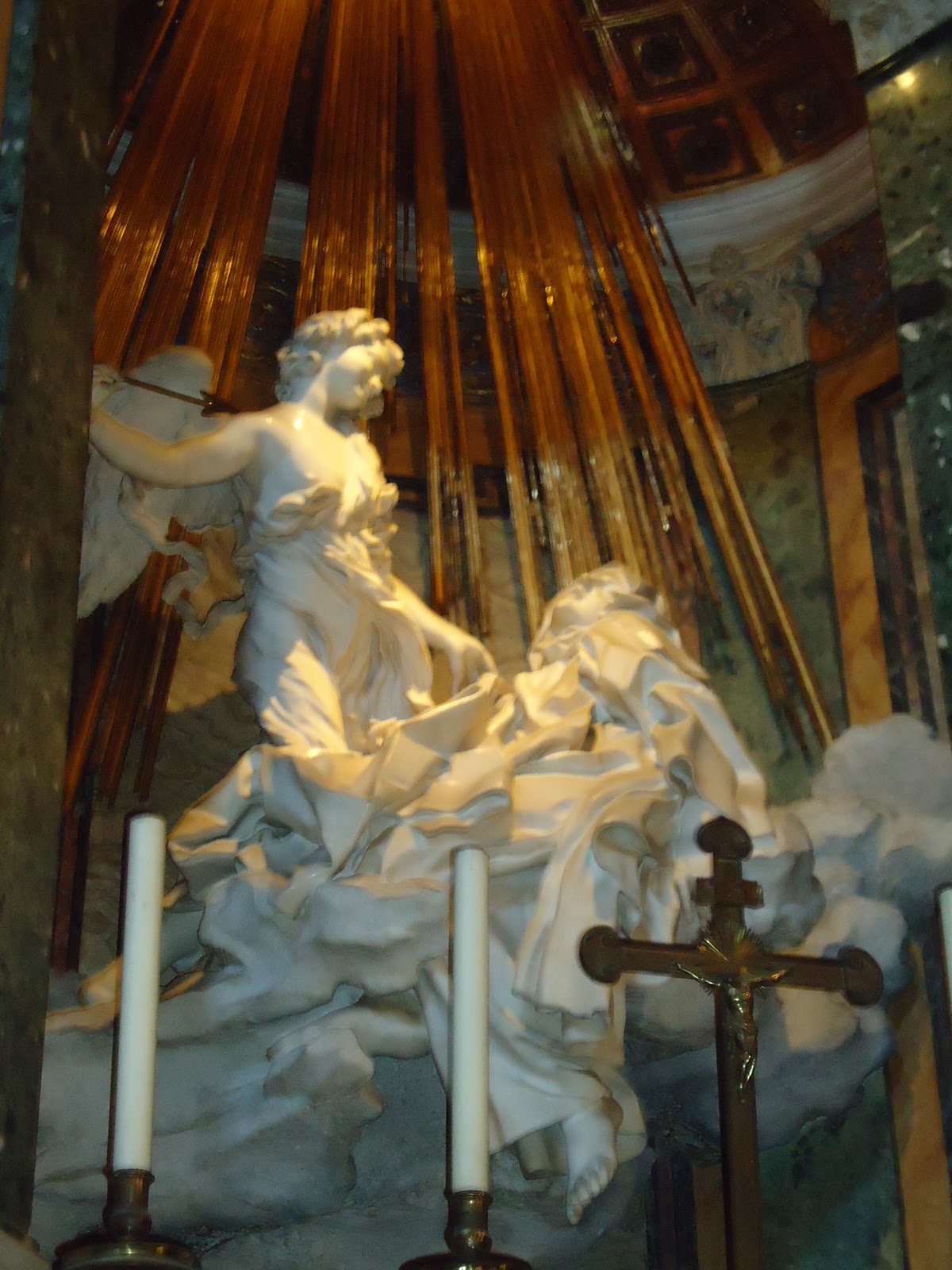
While at La Encarnacion, Saint Teresa experienced the transverberation, the piercing of her heart by a heavenly creature. She had a tremendous mystical experience since the transverberation caused her to enter into ecstasy. She describes this experience in her own words, here taken from Life of Saint Teresa, chapter XXIX:
“I saw an angel very near me, on my left side, in a corporeal form, which is not usual with me. He was not tall, but rather little, and very beautiful; his face was so inflamed, that he seemed to be one of those glorious spirits who appear to be all on fire. I saw that he had a long golden dart in his hand, and at the point there seemed to me to be a little fire: I thought that he pierced my heart with this dart several times, and in such a manner that it went through my very bowels; and when he drew it out, it seemed as if my bowels came with it, and I remained wholly inflamed with a great love of God. The pain thereof was so intense, that it foreed deep groans from me; but the sweetness which this extreme pain caused in me was so excessive, that there was no desiring to be free from it; nor is the soul content with anything less than God. This is not a corporeal but a spiritual pain. It is so delightful an intercourse between the soul and God, that I beseech His goodness to give some taste of it to him who may imagine I do not tell the truth.
“During the time I was in this state, I went up and down like one transported; I wished neither to see nor to speak, but only to be consumed by my pain, which was a greater happiness for me than any that can be found in creatures. In this state I continued some time, when our Lord was pleased I should fall into such great raptures, that I was not able to resist them, even in the presence of secular persons; and so, to my great grief, they began to be public.”
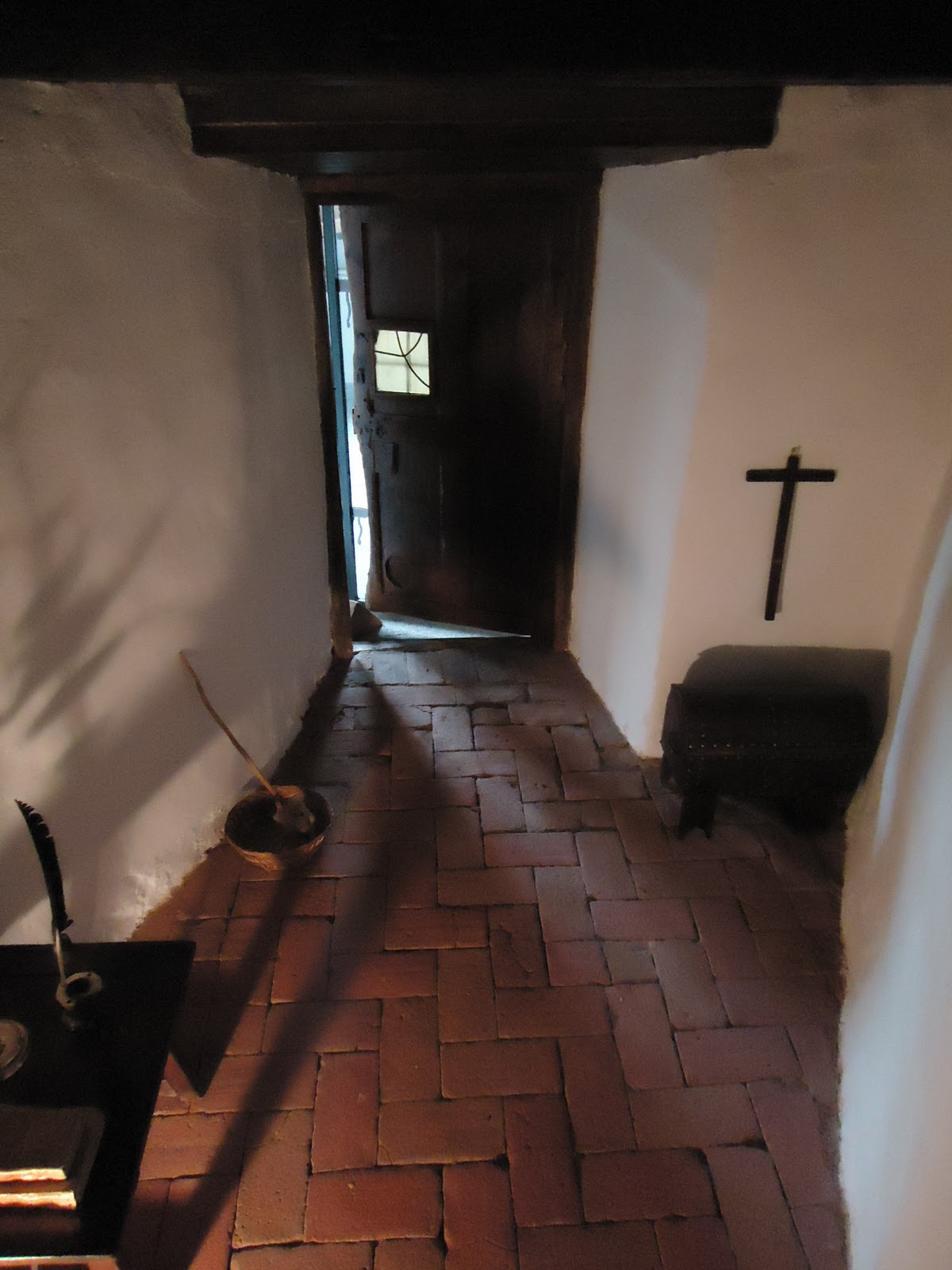
Below is Bernini’s 1652 sculpture titled Ecstasy of Saint Teresa, located in the Church of Santa Maria della Vittoria in Rome, Italy. Bernini impressively captures Saint Teresa’s rapture and the angel’s sweet smile in marble. Next you will see what remains of Saint Teresa’s cell at La Encarnacion where the transverberation occurred, followed by a picture of the chapel now built over the location of Saint Teresa’s cell. The transverberation is depicted over the altar.
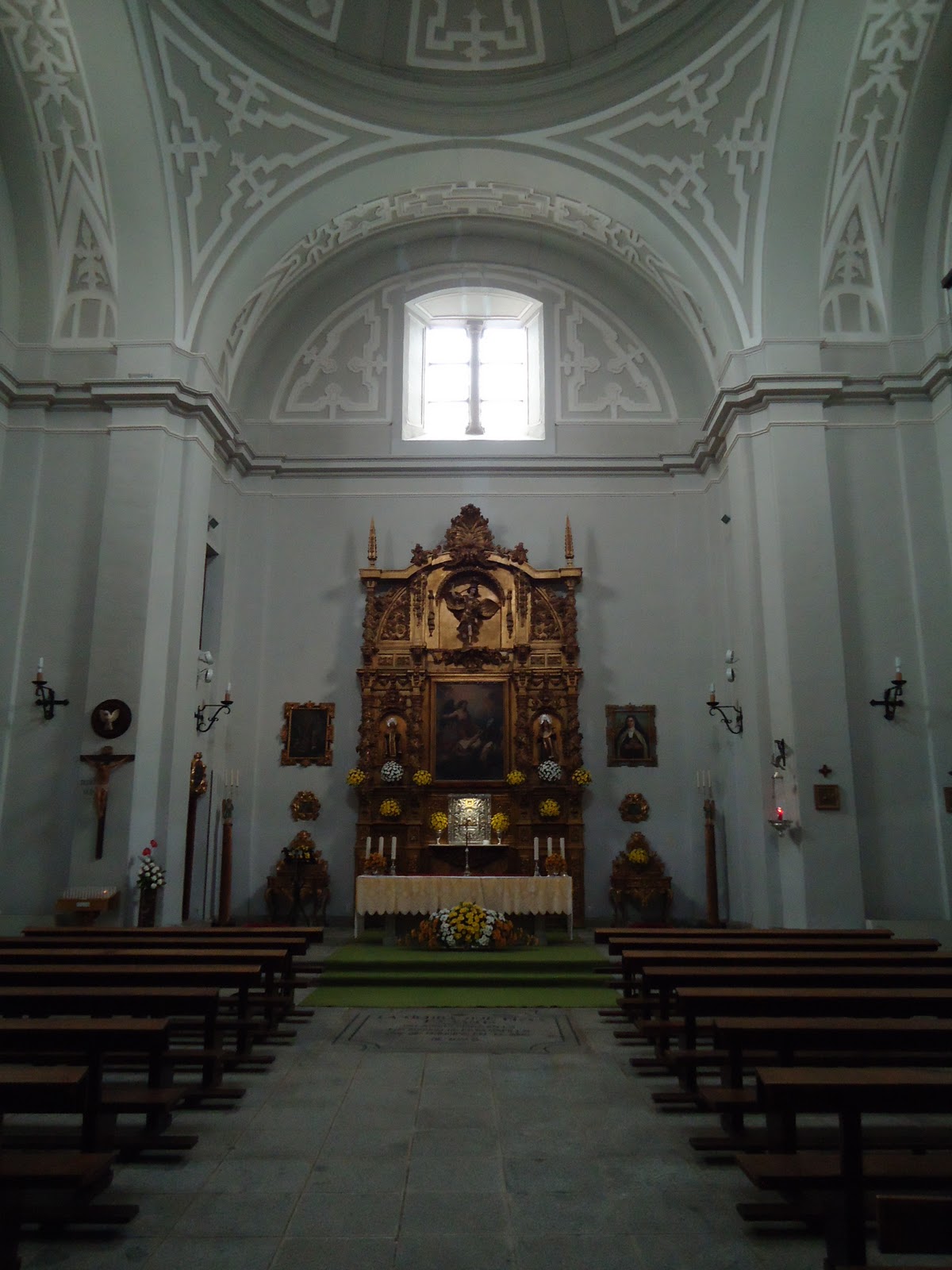
Today both Carmelite communities of La Encarnacion and San Jose are active cloistered monasteries. La Encarnacion has twenty-nine sisters and they are surprisingly a young community. The spirit of Saint Teresa continues to thrive in her foundations as the Holy Spirit continues to do His work through the prayers of these holy women dedicated to prayer alone. They have courageously renounced the world to devote their lives to God alone since, as Saint Teresa wrote, God alone is enough. The sisters say that while the world is on its feet, they are on their knees.
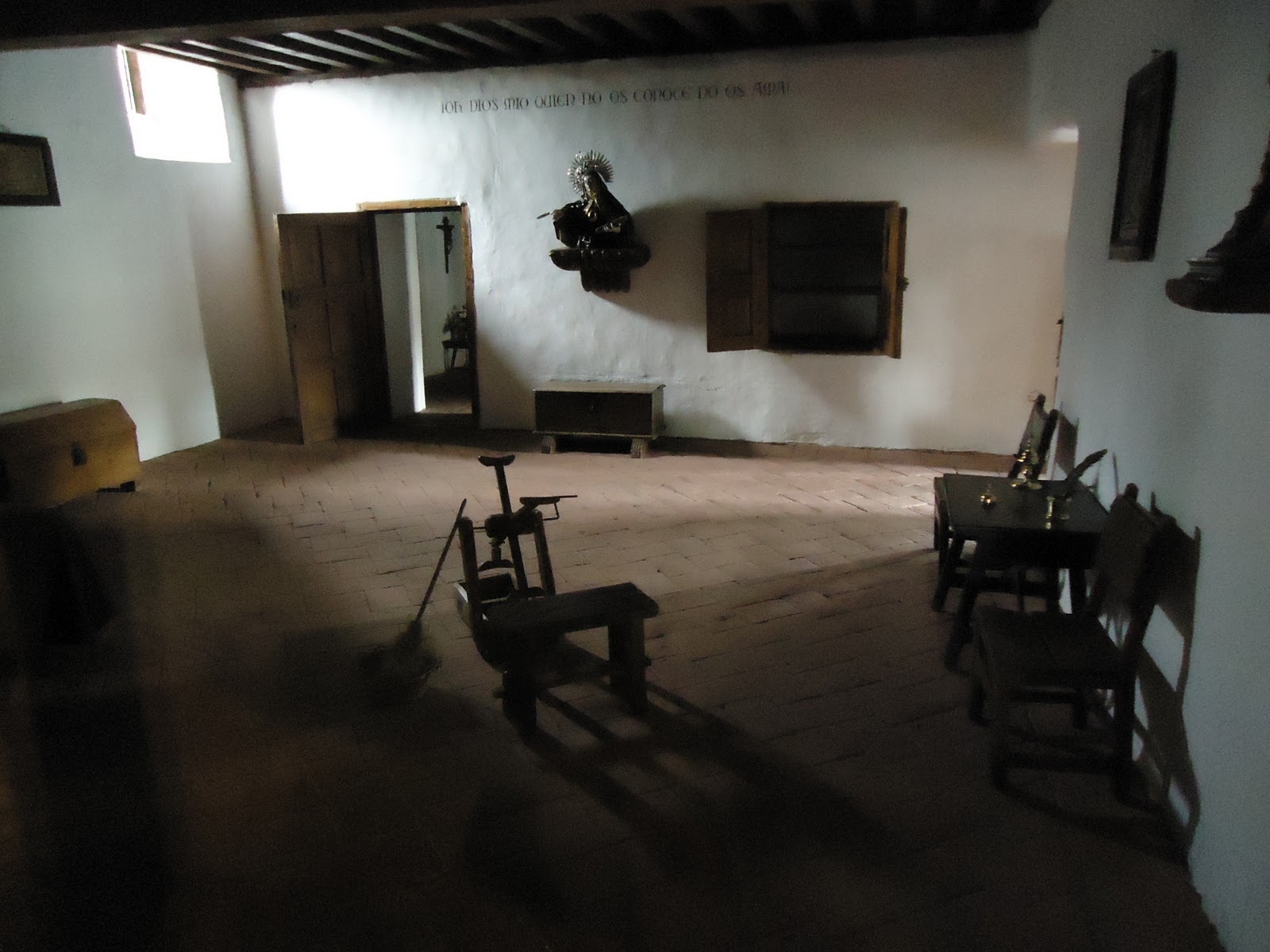
The cell where Saint Teresa lived for three years as prioress of La Encarnacion
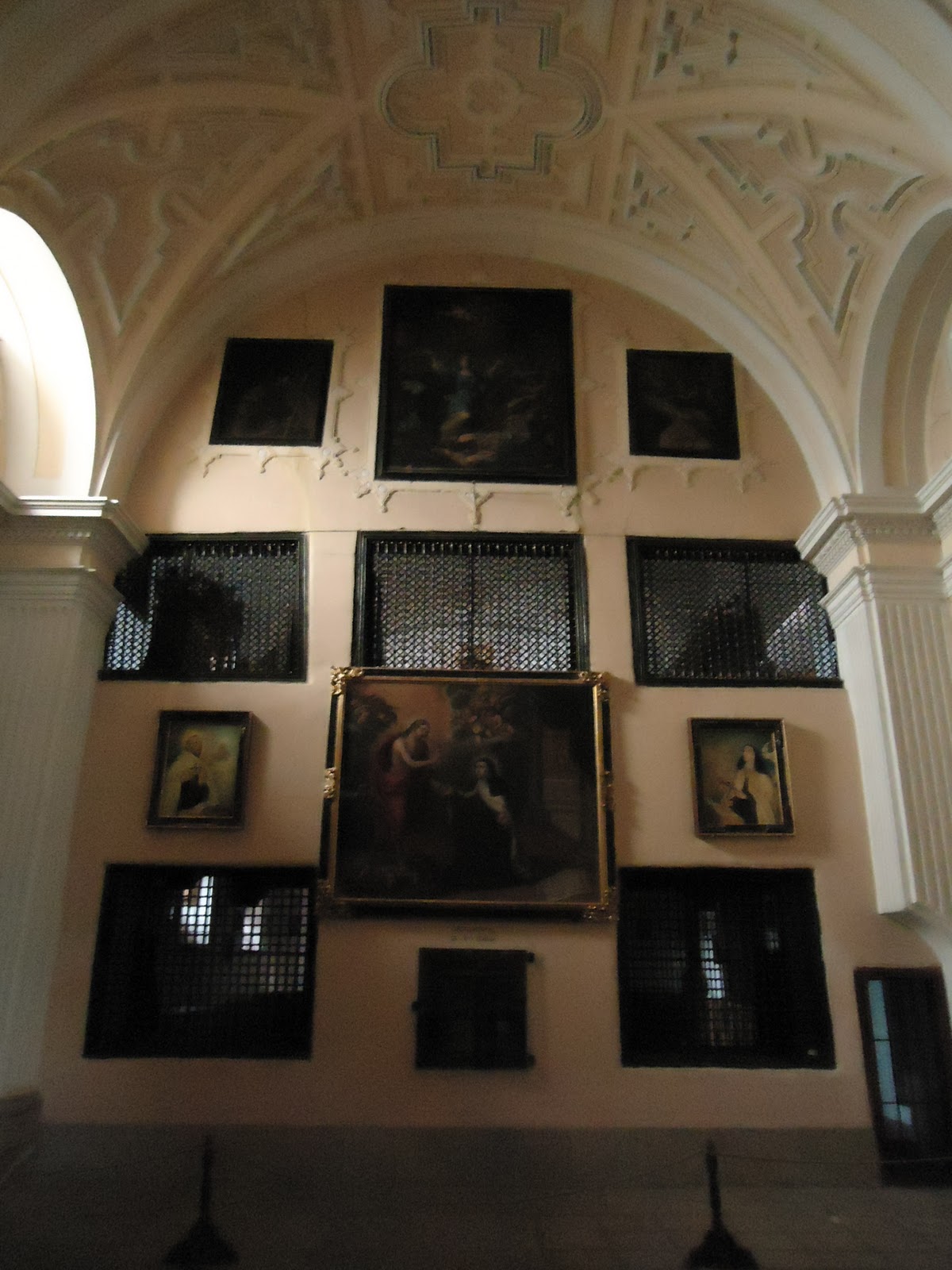
Back wall of the chapel of La Encarnacion where the Carmelites sit behind the grills to attend the Eucharist just as Saint Teresa did five hundred years ago. At the bottom center of the wall is the communion doorway through which the sisters receive communion.
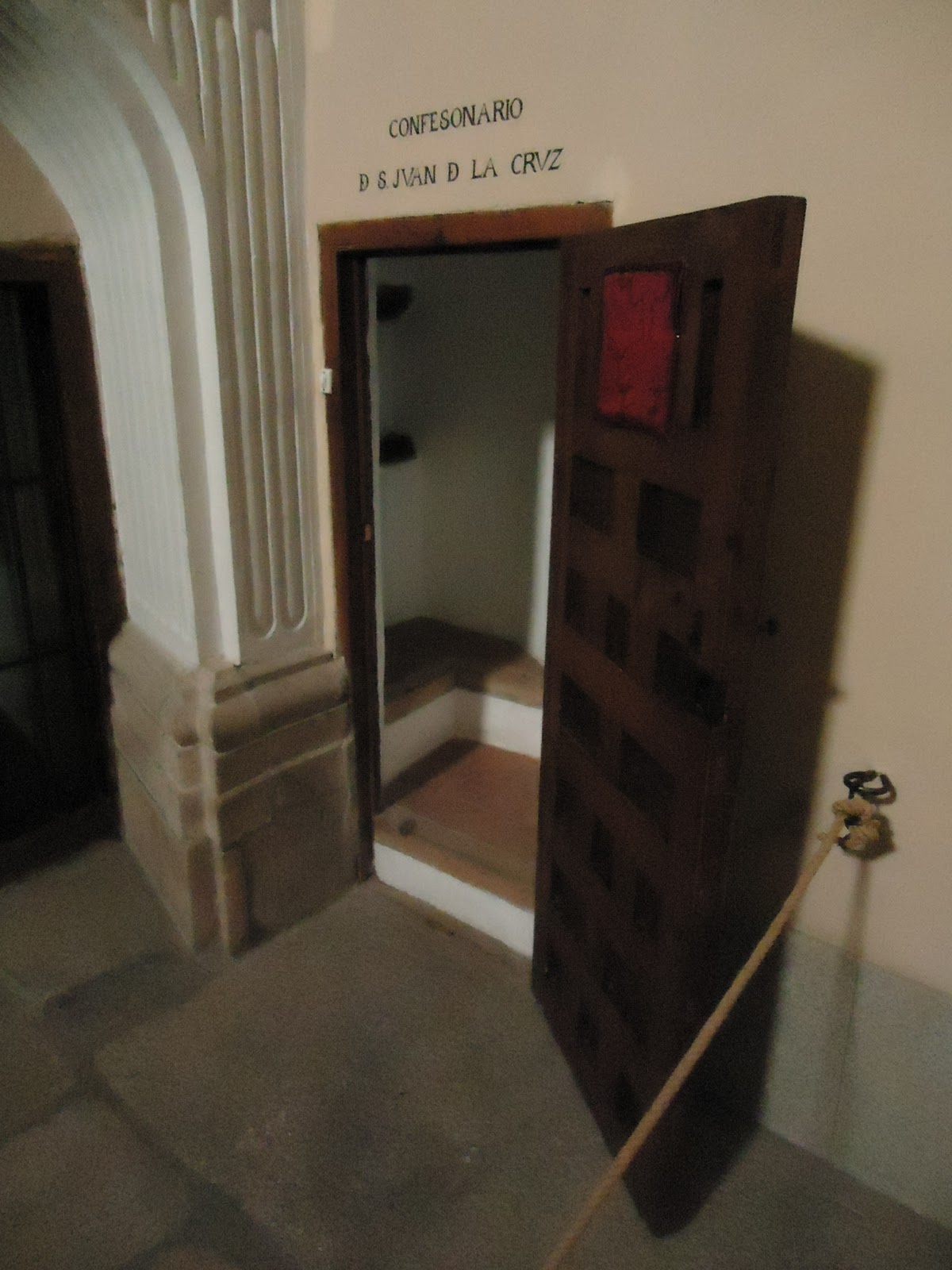
Confessional of La Encarnacion where Saint John of the Cross would hear the sister’s confessions, among them Saint Teresa

Interior of the Chapel of the Monastery of San Jose
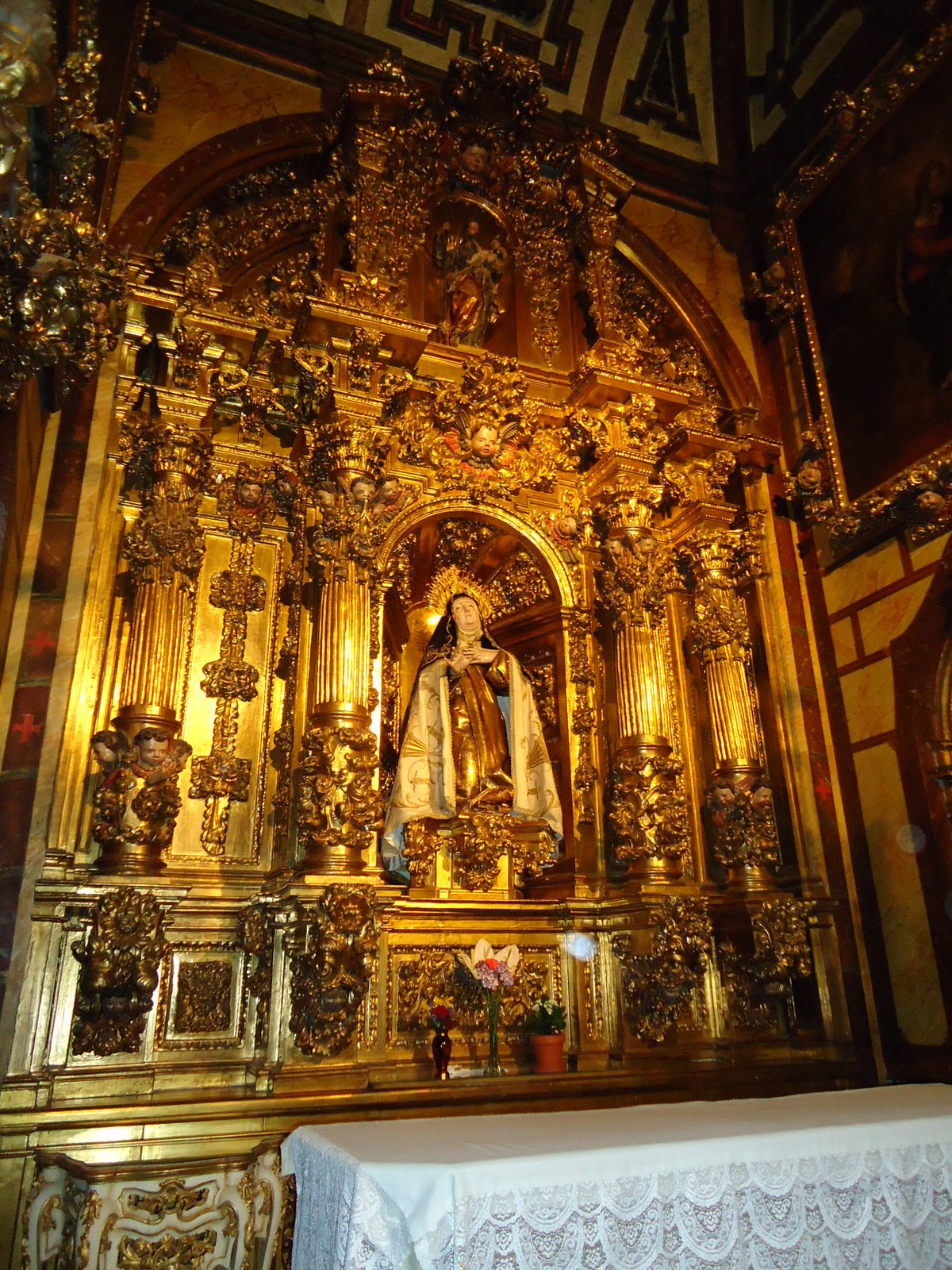
Altar of the Chapel of Saint Teresa at the Convent of Saint Teresa in Avila run by Discalced Carmelite Friars, which marks the birth place of Saint Teresa.
Click here for post on Saint Teresa’s beautiful Nada te Turbe poem
Pictures are mine, all rights reserved.
Previous Post

October 13, 2011
Great book about the mystery of suffering
Next Post
October 16, 2011 Roman church vandalized
Browse Our Archives
Select a Category Article Catholic Lima Christmas Commentary History Homily Immigration martyrs Meditation Pope Reflection Saint Story Uncategorized
Select a Month September 2026 August 2026 July 2026 June 2026 May 2026 April 2026 December 2025 November 2025 October 2025 September 2025 August 2025 July 2025 June 2025 May 2025 April 2025 March 2025 February 2025 January 2025 December 2024 November 2024 September 2024 August 2024 July 2024 June 2024 May 2024 April 2024 March 2024 February 2024 January 2024 December 2023 November 2023 October 2023 September 2023 August 2023 June 2023 May 2023 April 2023 February 2023 January 2023 December 2022 November 2022 October 2022 September 2022 August 2022 July 2022 June 2022 May 2022 April 2022 March 2022 February 2022 January 2022 December 2021 November 2021 October 2021 September 2021 August 2021 July 2021 June 2021 May 2021 April 2021 March 2021 February 2021 January 2021 December 2020 November 2020 October 2020 September 2020 August 2020 July 2020 June 2020 May 2020 April 2020 March 2020 February 2020 January 2020 December 2019 November 2019 October 2019 September 2019 August 2019 July 2019 June 2019 May 2019 April 2019 March 2019 February 2019 January 2019 December 2018 November 2018 October 2018 September 2018 August 2018 July 2018 June 2018 May 2018 April 2018 March 2018 February 2018 January 2018 December 2017 November 2017 October 2017 September 2017 August 2017 July 2017 June 2017 May 2017 April 2017 March 2017 February 2017 January 2017 December 2016 November 2016 October 2016 September 2016 August 2016 July 2016 June 2016 May 2016 April 2016 March 2016 February 2016 January 2016 December 2015 November 2015 October 2015 September 2015 August 2015 July 2015 June 2015 May 2015 April 2015 March 2015 February 2015 January 2015 December 2014 November 2014 October 2014 September 2014 August 2014 July 2014 June 2014 May 2014 April 2014 March 2014 February 2014 January 2014 December 2013 November 2013 October 2013 September 2013 August 2013 July 2013 June 2013 May 2013 April 2013 March 2013 February 2013 January 2013 December 2012 November 2012 October 2012 September 2012 August 2012 July 2012 June 2012 May 2012 April 2012 March 2012 February 2012 January 2012 December 2011 November 2011 October 2011 September 2011 August 2011 July 2011 June 2011 May 2011 April 2011 March 2011 February 2011 January 2011 December 2010 November 2010 October 2010 September 2010 August 2010 July 2010 June 2010 May 2010 April 2010 January 2010 June 2009 September 2008 August 2008
TAKE THE
Religious Wisdom Quiz
What was the main language of Jesus’ daily speech?
Select your answer to see how you score.
Greek Latin Hebrew Aramaic
Related posts from Labyrinthine Mind
Greatness in Life and Death: The Georgia Martyrs
The Catholic Unity of Faith and Reason
Una vida de dedicación: Lecciones del Padre Fred
A life of Dedication: Lessons of Father Fred
TRENDING AT PATHEOS Catholic

The Problem with False Prophets
Miller’s Station UMC| 10/18/26| Anchor Verse: Jeremiah 23: 1, 9-23 I...

Emotion in Early Christianity by Andrew Crislip
Andrew Crislip’s Emotion in Early Christianity examines an often overlooked dimension of...

16 Spiritual Touchstones for a More Grounded Life
After decades of spiritual study, here are 16 principles I try...

Catholic Evangelization: Sharing Your Faith Every Day
Welcome back to the Graceful Awakening mini-series called, “From Faith to Mission.” ...

The Pillar of the Boatmen: the Ancient Monument...
The Pillar of the Boatmen is a Romano-Gaulish sculpture that dates from...

In one sense walking into Westminster Abbey is like walking down the...
view all Catholic blogs
Ad-Free & Subscriber Log-In Subscription Support
- About Us
- 2026 Calendar
- Videos
- Podcasts
- Library of World Religions
- Faith In Media Tracker
- Advertise With Us
- Write for Us
- Privacy Policy
- Terms of Service
- Do Not Sell My Data
- Contact Us
- Radiant Digital
- Manage Newsletter Subscriptions
- Unsubscribe From Notifications
- Sitemap
Copyright 2008-2026, Patheos. All rights reserved.
Subscription Support Ad-Free & Subscriber Log-In
Follow Patheos