
BuddhistCatholicContemplativeEvangelicalGeneral ChristianHinduJewishLatter-day SaintMuslimNew VisionsProgressive Christian
Beliefs
- Buddhist
- Catholic
- Contemplative
- Evangelical
- General Christian
- Hindu
- Jewish
- Latter-day Saint
- More Voices
- Muslim
- New Visions
- Pagan
- Progressive Christian
Topics
- Religion News
- Food and Religion
- Sports and Religion
- Religious Art
- Religious Music and Entertainment
- Religious Events
- History and Religion
- Style and Religion
- Politics and Religion
- Women in Religion
- Recreation Outdoors and Religion
- Business Finance and Religion
- Careers Workplace and Religion
- Education and Religion
- Family Parenting and Religion
- Health Fitness and Religion
- Home and Religion
- Relationships and Religion
- Technology and Religion
- Travel and Religion
Columnists
- Buddhist Columnists
- Business Finance and Religion Columnists
- Careers Workplace and Religion Columnists
- Catholic Columnists
- Contemplative Columnists
- Education and Religion Columnists
- Evangelists Columnists
- Family Parenting and Religion Columnists
- General Christian Columnists
- Health Fitness and Religion Columnists
- Hindu Columnists
- History and Religion Columnists
- Home and Religion Columnists
- Jewish Columnists
- More Voices Columnists
- Latter Day Columnists
- Muslim Columnists
- New Visions Columnists
- Nonreligious Columnists
- Pagan Columnists
- Politics and Religion Columnists
- Progressive Columnists
- Recreation Outdoors and Religion Columnists
- Relationships and Religion Columnists
- Religion News Columnists
- Religious Art Columnists
- Religious Events Columnists
- Religious Music and Entertainment Columnists
- Sports and Religion Columnists
- Style and Religion Columnists
- Technology and Religion Columnists
- Travel and Religion Columnists
- Women in Religion Columnists
Resource Library
- 2026 Calendar
- Library of World Religions
- The 100 Most Holy Places on Earth
- Patheos Answers
- Podcasts
- Videos
- Faith Leaders Database
- Anglican Episcopalian
- Bahai
- Baptist
- Buddhism
- Christianity
- Confucianism
- Eastern Orthodoxy
- Hinduism
- Holiness and Pentecostal
- ISKCON
- Islam
- Judaism
- Lutheran
- Methodist
- The Church of Jesus Christ of Latter-day Saints
- New Age
- Paganism
- Presbytarian and Reformed
- Protestantism
- Religion Behind the Scenes
- Roman Catholic
- Scientology
- Shia Islam
- Sikhism
- Sufism
- Sunni Islam
- Taoism
- Zen
- See all religions
Research Tools
 Ad-Free & Subscriber Log-In Subscription Support
Ad-Free & Subscriber Log-In Subscription Support
Follow Patheos 

- Trending:
- Forgiveness
- |
- Marriage
- |
- Consciousness
- |
- Death Penalty
- |
- Election
- |
- Halloween
 Kyle Cupp
- Home
- Catholic
- Politics and Religion
- Teaching Your Children the Faith Doesn’t Mean Indoctrinating Them
Teaching Your Children the Faith Doesn’t Mean Indoctrinating Them
Last updated on: January 9, 2017 at 11:49 pm by Kyle Cupp
Teaching Your Children the Faith Doesn’t Mean Indoctrinating Them 2017-01-09T23:49:01-05:00 Kyle Cupp
Patheos Explore the world's faith through different perspectives on religion and spirituality! Patheos has the views of the prevalent religions and spiritualities of the world.
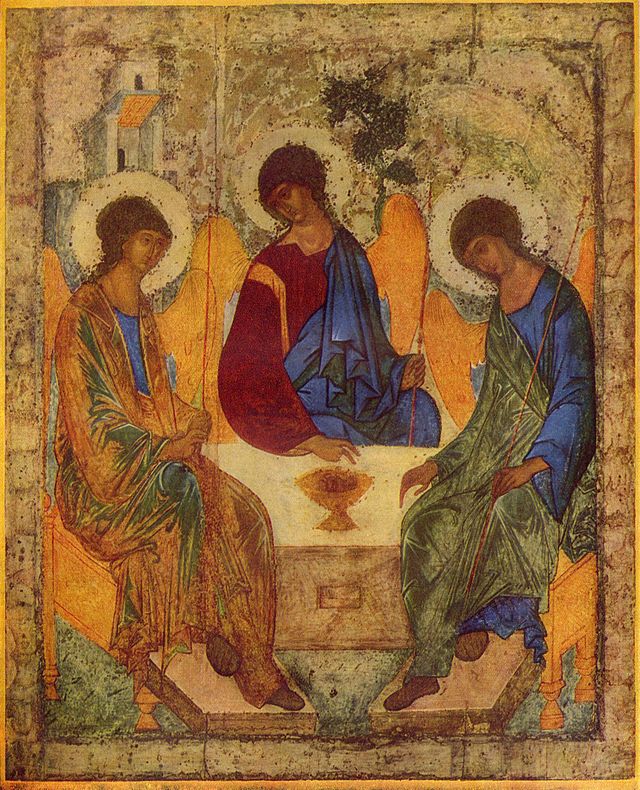 Michael Brendan Dougherty corrects Richard Dawkins on the noted atheist’s scanty understanding of religious instruction and his stupid, supercilious charge that raising children religious is psychological child abuse, explaining that passing on the faith to one’s children can and should involve teaching the children to think for themselves, ask their own questions, and hear the opposition.
This section in particular warmed the cockles of my hermeneutic heart:
Notice the language he uses: force, indoctrinate. And the implication that religious kids cannot think for themselves. Of course, I don’t intend to force religious convictions on my children or indoctrinate them any more than I intend to force on them good manners, or indoctrinate them in the conviction that “might does not make right.” I simply intend to teach, guide, instruct, and correct. Rarely will that even involve formal lessons. Most of it will simply be implied.
[…]
The little expressions, eye rolls, and groans that parents attach to ideas, people, dress, or even dinner plates pass on good or harmful lessons without ever presenting themselves as “indoctrination.” So, too, do the books on the shelves, and the books that come off the shelves more frequently than others. These are the very things that teach children how to situate themselves in the home, in the world, in their social class — how to value themselves or others.
Han-Georg Gadamer would be proud. Richard Dawkins himself cannot escape some religious instruction because he’s situated in a society formed by multiple religious traditions. He rejects these traditions and the teachings and practices they bear, but he can’t separate himself from them. They inform his world, his worldview, and his thinking. It’s in this context that Dawkins has learned to situate himself against the forces of religion. Religion is part of his being-in-the-world.
Dawkins doesn’t want “un-evidenced opinions about the nature of life or the cosmos” forced on children. Great. I agree. But you seldom need to force these things. They come with living in any society. An atheist society too would have its traditions and their accompanying prejudices, assumptions, and un-evidenced opinions about the nature of life or the cosmos. No one lives on evidence alone.
Admittedly, I teach my children to take more after Michael Brendan Dougherty than Richard Dawkins. Like a lot more.
Follow Kyle on Facebook and Twitter.
Previous Post

February 24, 2015
Destroying ObamaCare, Whatever the Consequences
Next Post

February 26, 2015 Mistborn LEGO Minifigures
Browse Our Archives
Select a Category Book Reviews Confessions Culture Current Events Family Life Hermeneutics Humor LEGO Sets Mindless Monday Question Personal Philosophy Policy Politics and Society Quotes Religion in Pop Culture Series Theology Uncategorized
Select a Month April 2016 December 2015 August 2015 July 2015 March 2015 February 2015 January 2015 December 2014 November 2014 October 2014
Follow Us!
TAKE THE
Religious Wisdom Quiz
What does Paul tell Titus that God's grace teaches us to deny?
Select your answer to see how you score.
Ungodliness and worldly passions Our sinful nature The flesh The devil
Related posts from Kyle Cupp

In 'The Force Awakens,' Star Wars Takes a...


To Love This Poor Perishable World
Why I Hold on to My Faith, Even...
TRENDING AT PATHEOS Catholic

Rejecting Doom: Christian Hope And Human Action
Christianity is a religion of hope. We are to have hope and...

It’s What Comes From Within Which Matters
One of the most difficult things for us to understand is why...

Why I Choose the Eucharist Over the Sermon
Choose the Eucharist, Not the Sermon What are we supposed to get...

5 Design Elements Found in Spiritually Rooted Homes
Putting Spirituality Into Home Decor Our homes are more than our living...

Credo: A Story of God Told with the...
About 10 years ago, I began to imagine a personal "Credo" that...

The Anatomy of Divine Revelation in Catholic Thought
The claim that God has made Himself known to human beings is...
view all Catholic blogs
Ad-Free & Subscriber Log-In Subscription Support
- About Us
- 2026 Calendar
- Videos
- Podcasts
- Library of World Religions
- Faith In Media Tracker
- Advertise With Us
- Write for Us
- Privacy Policy
- Terms of Service
- Do Not Sell My Data
- Contact Us
- Radiant Digital
- Manage Newsletter Subscriptions
- Unsubscribe From Notifications
- Sitemap
Copyright 2008-2026, Patheos. All rights reserved.
Subscription Support Ad-Free & Subscriber Log-In
Follow Patheos