
BuddhistCatholicContemplativeEvangelicalGeneral ChristianHinduJewishLatter-day SaintMuslimNew VisionsProgressive Christian
Beliefs
- Buddhist
- Catholic
- Contemplative
- Evangelical
- General Christian
- Hindu
- Jewish
- Latter-day Saint
- More Voices
- Muslim
- New Visions
- Pagan
- Progressive Christian
Topics
- Religion News
- Food and Religion
- Sports and Religion
- Religious Art
- Religious Music and Entertainment
- Religious Events
- History and Religion
- Style and Religion
- Politics and Religion
- Women in Religion
- Recreation Outdoors and Religion
- Business Finance and Religion
- Careers Workplace and Religion
- Education and Religion
- Family Parenting and Religion
- Health Fitness and Religion
- Home and Religion
- Relationships and Religion
- Technology and Religion
- Travel and Religion
Columnists
- Buddhist Columnists
- Business Finance and Religion Columnists
- Careers Workplace and Religion Columnists
- Catholic Columnists
- Contemplative Columnists
- Education and Religion Columnists
- Evangelists Columnists
- Family Parenting and Religion Columnists
- General Christian Columnists
- Health Fitness and Religion Columnists
- Hindu Columnists
- History and Religion Columnists
- Home and Religion Columnists
- Jewish Columnists
- More Voices Columnists
- Latter Day Columnists
- Muslim Columnists
- New Visions Columnists
- Nonreligious Columnists
- Pagan Columnists
- Politics and Religion Columnists
- Progressive Columnists
- Recreation Outdoors and Religion Columnists
- Relationships and Religion Columnists
- Religion News Columnists
- Religious Art Columnists
- Religious Events Columnists
- Religious Music and Entertainment Columnists
- Sports and Religion Columnists
- Style and Religion Columnists
- Technology and Religion Columnists
- Travel and Religion Columnists
- Women in Religion Columnists
Resource Library
- 2026 Calendar
- Library of World Religions
- The 100 Most Holy Places on Earth
- Patheos Answers
- Podcasts
- Videos
- Faith Leaders Database
- Anglican Episcopalian
- Bahai
- Baptist
- Buddhism
- Christianity
- Confucianism
- Eastern Orthodoxy
- Hinduism
- Holiness and Pentecostal
- ISKCON
- Islam
- Judaism
- Lutheran
- Methodist
- The Church of Jesus Christ of Latter-day Saints
- New Age
- Paganism
- Presbytarian and Reformed
- Protestantism
- Religion Behind the Scenes
- Roman Catholic
- Scientology
- Shia Islam
- Sikhism
- Sufism
- Sunni Islam
- Taoism
- Zen
- See all religions
Research Tools
 Ad-Free & Subscriber Log-In Subscription Support
Ad-Free & Subscriber Log-In Subscription Support
Follow Patheos 

- Trending:
- Forgiveness
- |
- Marriage
- |
- Consciousness
- |
- Death Penalty
- |
- Election
- |
- Halloween
 Kyle Cupp
- Home
- Catholic
- Politics and Religion
- How Mary Affirmed the Impossible
How Mary Affirmed the Impossible
Last updated on: January 9, 2017 at 11:49 pm by Kyle Cupp
How Mary Affirmed the Impossible 2017-01-09T23:49:51-05:00 Kyle Cupp
Patheos Explore the world's faith through different perspectives on religion and spirituality! Patheos has the views of the prevalent religions and spiritualities of the world.
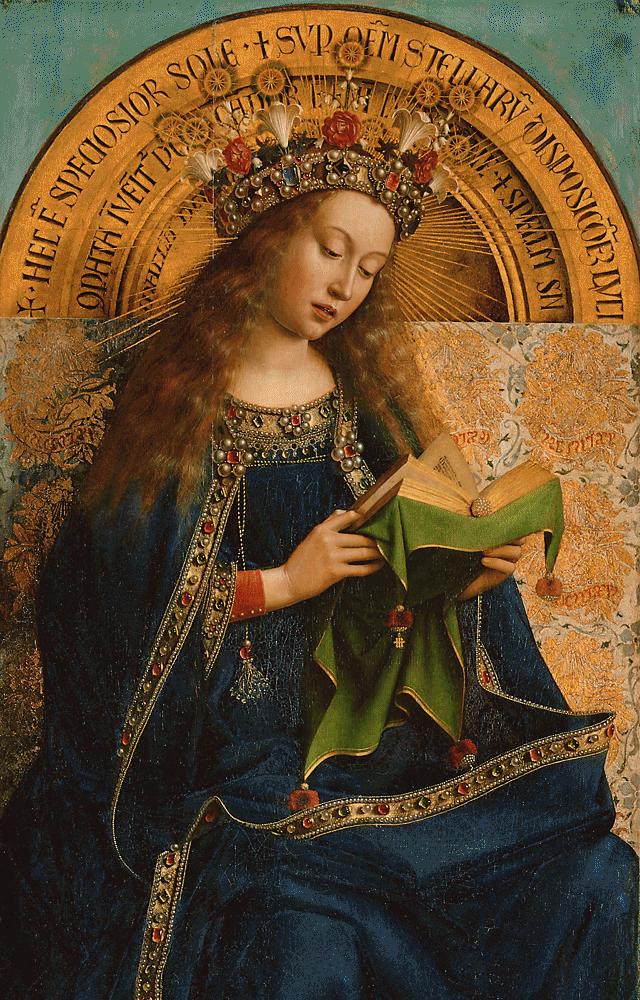 In my book, Living by Faith, Dwelling in Doubt, I wrote about how Mary, by consenting to be the Mother of God even though the very idea made no sense, displayed a faith we’re all called to share–the faith that makes love possible even when it seems impossible:
If alterity is an aspect of God and of every person, then living by faith means hospitality to those we encounter—especially to their unseen depths. It means keeping the doors to our mind and heart open to the presence of others, a presence that may challenge our notions and call us to respond in ways we aren’t expecting and for which we are unprepared.
Perhaps no story better illustrates this affirmation of alterity than Mary’s yes to the angel Gabriel. When the angel appeared to her, bringing tidings of God’s favor and news of an impossible conception, Mary was greatly troubled and asked how this could be. Gabriel’s answer was no less obscure and unfathomable—no less words of alterity—but Mary responded in hospitality to this impossible, otherworldly visitation, saying, “Let it be to me.” She could not know or explain or understand what this “it” was, but she welcomed it freely, faithfully, and lovingly.
Theologians would later try to make sense of this visitation, defining its terms within a system of thought—downplaying its alterity in favor of intelligibility, but I think Mary gave the better and more appropriate response. After her inquiring “How can this be?” was answered with an equally inexplicable explanation, she chose to act in the only way that could pierce the cloud of unknowing. She answered her own “How can it be?” with “Let it be.” She responded in loving service and reverence to her God.
Mary couldn’t make intellectual sense of the angelic announcement (we kid ourselves if we think we can), so she made sense of it creatively. How? By simply being a mother. Her faith should be our own, for we are all called to bring Christ into the world–not with proofs or careful definitions, as if these give birth to God, but with love. Simply with live. If we really want to know God, then we must love others, for to love others is to know God.
Follow Kyle Cupp on Facebook and Twitter.
Previous Post

December 31, 2014
Parenting ProTip
Next Post

January 2, 2015 All Philosophy Is Contextual, So Every Philosopher Must Be Read in Context
Browse Our Archives
Select a Category Book Reviews Confessions Culture Current Events Family Life Hermeneutics Humor LEGO Sets Mindless Monday Question Personal Philosophy Policy Politics and Society Quotes Religion in Pop Culture Series Theology Uncategorized
Select a Month April 2016 December 2015 August 2015 July 2015 March 2015 February 2015 January 2015 December 2014 November 2014 October 2014
Follow Us!
TAKE THE
Religious Wisdom Quiz
Who lived in Ur of the Chaldeans before God called him?
Select your answer to see how you score.
Isaac Jacob Abram Lot
Related posts from Kyle Cupp

How My Faith Became Mostly Dead

To Love This Poor Perishable World
Why I Hold on to My Faith, Even...
TRENDING AT PATHEOS Catholic

Rejecting Doom: Christian Hope And Human Action
Christianity is a religion of hope. We are to have hope and...

It’s What Comes From Within Which Matters
One of the most difficult things for us to understand is why...

Why I Choose the Eucharist Over the Sermon
Choose the Eucharist, Not the Sermon What are we supposed to get...

5 Design Elements Found in Spiritually Rooted Homes
Putting Spirituality Into Home Decor Our homes are more than our living...

Credo: A Story of God Told with the...
About 10 years ago, I began to imagine a personal "Credo" that...

The Anatomy of Divine Revelation in Catholic Thought
The claim that God has made Himself known to human beings is...
view all Catholic blogs
Ad-Free & Subscriber Log-In Subscription Support
- About Us
- 2026 Calendar
- Videos
- Podcasts
- Library of World Religions
- Faith In Media Tracker
- Advertise With Us
- Write for Us
- Privacy Policy
- Terms of Service
- Do Not Sell My Data
- Contact Us
- Radiant Digital
- Manage Newsletter Subscriptions
- Unsubscribe From Notifications
- Sitemap
Copyright 2008-2026, Patheos. All rights reserved.
Subscription Support Ad-Free & Subscriber Log-In
Follow Patheos