
BuddhistCatholicContemplativeEvangelicalGeneral ChristianHinduJewishLatter-day SaintMuslimNew VisionsProgressive Christian
Beliefs
- Buddhist
- Catholic
- Contemplative
- Evangelical
- General Christian
- Hindu
- Jewish
- Latter-day Saint
- More Voices
- Muslim
- New Visions
- Pagan
- Progressive Christian
Topics
- Religion News
- Food and Religion
- Sports and Religion
- Religious Art
- Religious Music and Entertainment
- Religious Events
- History and Religion
- Style and Religion
- Politics and Religion
- Women in Religion
- Recreation Outdoors and Religion
- Business Finance and Religion
- Careers Workplace and Religion
- Education and Religion
- Family Parenting and Religion
- Health Fitness and Religion
- Home and Religion
- Relationships and Religion
- Technology and Religion
- Travel and Religion
Columnists
- Buddhist Columnists
- Business Finance and Religion Columnists
- Careers Workplace and Religion Columnists
- Catholic Columnists
- Contemplative Columnists
- Education and Religion Columnists
- Evangelists Columnists
- Family Parenting and Religion Columnists
- General Christian Columnists
- Health Fitness and Religion Columnists
- Hindu Columnists
- History and Religion Columnists
- Home and Religion Columnists
- Jewish Columnists
- More Voices Columnists
- Latter Day Columnists
- Muslim Columnists
- New Visions Columnists
- Nonreligious Columnists
- Pagan Columnists
- Politics and Religion Columnists
- Progressive Columnists
- Recreation Outdoors and Religion Columnists
- Relationships and Religion Columnists
- Religion News Columnists
- Religious Art Columnists
- Religious Events Columnists
- Religious Music and Entertainment Columnists
- Sports and Religion Columnists
- Style and Religion Columnists
- Technology and Religion Columnists
- Travel and Religion Columnists
- Women in Religion Columnists
Resource Library
- 2026 Calendar
- Library of World Religions
- The 100 Most Holy Places on Earth
- Patheos Answers
- Podcasts
- Videos
- Faith Leaders Database
- Anglican Episcopalian
- Bahai
- Baptist
- Buddhism
- Christianity
- Confucianism
- Eastern Orthodoxy
- Hinduism
- Holiness and Pentecostal
- ISKCON
- Islam
- Judaism
- Lutheran
- Methodist
- The Church of Jesus Christ of Latter-day Saints
- New Age
- Paganism
- Presbytarian and Reformed
- Protestantism
- Religion Behind the Scenes
- Roman Catholic
- Scientology
- Shia Islam
- Sikhism
- Sufism
- Sunni Islam
- Taoism
- Zen
- See all religions
Research Tools
 Ad-Free & Subscriber Log-In Subscription Support
Ad-Free & Subscriber Log-In Subscription Support
Follow Patheos 

- Trending:
- Forgiveness
- |
- Marriage
- |
- Consciousness
- |
- Death Penalty
- |
- Election
- |
- Halloween
 Kyle Cupp
- Home
- Catholic
- Politics and Religion
- Has the Synod Report Undermined Infallibility?
Has the Synod Report Undermined Infallibility?
Last updated on: January 9, 2017 at 11:50 pm by Kyle Cupp
Has the Synod Report Undermined Infallibility? 2017-01-09T23:50:20-05:00 Kyle Cupp
Patheos Explore the world's faith through different perspectives on religion and spirituality! Patheos has the views of the prevalent religions and spiritualities of the world.
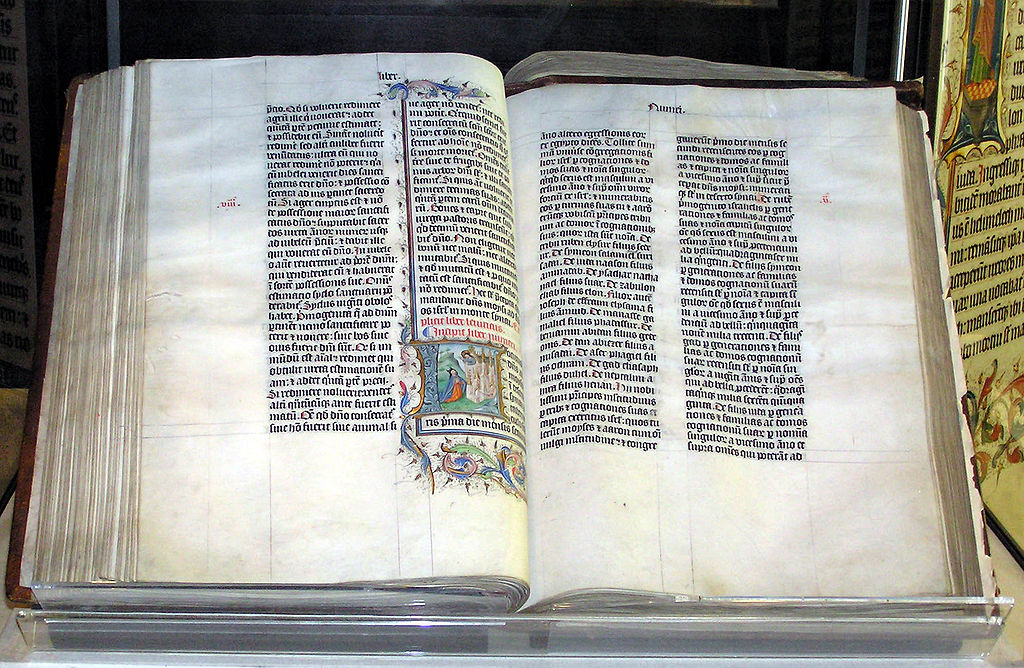 Critics of the Synod’s mid-term report fear that its novel language, which suggests that Catholics ought to value homosexuality and recognize same-sex partnerships as real, meaningful unions, will lead the faithful to believe that the Church has changed her doctrine on marriage and sexuality or that they can safely ignore it because the process toward doctrinal change is underway. No wonder the response, both from inside and outside the Vatican, has been described as damage control.
For the most part, I don’t object to the offending paragraphs myself, but I understand why the report’s critics are responding to it so vehemently. The Magisterium has a hard enough time competing for people’s attention and assent when it’s simply teaching the deposit of faith. As the teaching office of the Church, it’s supposed to lead the faithful to the truth and keep them on the right path. In the minds of the Synod’s critics, the report does the opposite. It conveys a message contrary to the Word of God and consequently endangers souls. It subverts the purpose of the Magisterium.
If this is the case, then the Synod report also acts against the Magisterium’s infallibility. No, the document is not a statement of doctrine or teaching. It demands no assent from the faithful. It’s not even a guarantee of some future change in church discipline. But it doesn’t have to do any of these things to affect people’s beliefs and behavior. If the critics are right about the relatio, then the Church has led people astray, and in so doing, counteracted the purpose of infallibility.
What is that purpose? In the words of Mark Shea, infallibility means that “God holds the Church’s hand every step of the way and makes sure she doesn’t spill the wine of revelation, not because we are dexterous and holy, but because we are all such sinful klutzes that, without him, we’d have lost track of the gospel an hour after Pentecost.” The synod report is no infallible document, but if its critics are right, then it will, in a way, result in spilled wine. On its own terms, infallibility doesn’t prevent the appearance of erroneous teaching or its consequences for belief and behavior. For some of the people who read the report or hear about it in the news, the effect will be the same as if the Church really did reverse her teaching. They will believe otherwise than what the Church has traditionally taught, and they will act accordingly.
Kyle Cupp is the author of Living by Faith, Dwelling in Doubt. Follow him on Facebook and Twitter.
Previous Post

October 14, 2014
Making Sense of Death, Creatively
Next Post
October 17, 2014 The Possibility of Pretend Infallibility
Browse Our Archives
Select a Category Book Reviews Confessions Culture Current Events Family Life Hermeneutics Humor LEGO Sets Mindless Monday Question Personal Philosophy Policy Politics and Society Quotes Religion in Pop Culture Series Theology Uncategorized
Select a Month April 2016 December 2015 August 2015 July 2015 March 2015 February 2015 January 2015 December 2014 November 2014 October 2014
Follow Us!
TAKE THE
Religious Wisdom Quiz
I am the vine; you are the branches. If you remain in me and I in you, you will bear much ____; apart from me you can do nothing.
Select your answer to see how you score.
Faith Fruit Joy Peace
Related posts from Kyle Cupp


To Love This Poor Perishable World
Why I Hold on to My Faith, Even...
Ted Cruz's Religious Politics Are Not Especially Christian
TRENDING AT PATHEOS Catholic

Rejecting Doom: Christian Hope And Human Action
Christianity is a religion of hope. We are to have hope and...

It’s What Comes From Within Which Matters
One of the most difficult things for us to understand is why...

Why I Choose the Eucharist Over the Sermon
Choose the Eucharist, Not the Sermon What are we supposed to get...

5 Design Elements Found in Spiritually Rooted Homes
Putting Spirituality Into Home Decor Our homes are more than our living...

Credo: A Story of God Told with the...
About 10 years ago, I began to imagine a personal "Credo" that...

The Anatomy of Divine Revelation in Catholic Thought
The claim that God has made Himself known to human beings is...
view all Catholic blogs
Ad-Free & Subscriber Log-In Subscription Support
- About Us
- 2026 Calendar
- Videos
- Podcasts
- Library of World Religions
- Faith In Media Tracker
- Advertise With Us
- Write for Us
- Privacy Policy
- Terms of Service
- Do Not Sell My Data
- Contact Us
- Radiant Digital
- Manage Newsletter Subscriptions
- Unsubscribe From Notifications
- Sitemap
Copyright 2008-2026, Patheos. All rights reserved.
Subscription Support Ad-Free & Subscriber Log-In
Follow Patheos