
BuddhistCatholicContemplativeEvangelicalGeneral ChristianHinduJewishLatter-day SaintMuslimNew VisionsProgressive Christian
Beliefs
- Buddhist
- Catholic
- Contemplative
- Evangelical
- General Christian
- Hindu
- Jewish
- Latter-day Saint
- More Voices
- Muslim
- New Visions
- Pagan
- Progressive Christian
Topics
- Religion News
- Food and Religion
- Sports and Religion
- Religious Art
- Religious Music and Entertainment
- Religious Events
- History and Religion
- Style and Religion
- Politics and Religion
- Women in Religion
- Recreation Outdoors and Religion
- Business Finance and Religion
- Careers Workplace and Religion
- Education and Religion
- Family Parenting and Religion
- Health Fitness and Religion
- Home and Religion
- Relationships and Religion
- Technology and Religion
- Travel and Religion
Columnists
- Buddhist Columnists
- Business Finance and Religion Columnists
- Careers Workplace and Religion Columnists
- Catholic Columnists
- Contemplative Columnists
- Education and Religion Columnists
- Evangelists Columnists
- Family Parenting and Religion Columnists
- General Christian Columnists
- Health Fitness and Religion Columnists
- Hindu Columnists
- History and Religion Columnists
- Home and Religion Columnists
- Jewish Columnists
- More Voices Columnists
- Latter Day Columnists
- Muslim Columnists
- New Visions Columnists
- Nonreligious Columnists
- Pagan Columnists
- Politics and Religion Columnists
- Progressive Columnists
- Recreation Outdoors and Religion Columnists
- Relationships and Religion Columnists
- Religion News Columnists
- Religious Art Columnists
- Religious Events Columnists
- Religious Music and Entertainment Columnists
- Sports and Religion Columnists
- Style and Religion Columnists
- Technology and Religion Columnists
- Travel and Religion Columnists
- Women in Religion Columnists
Resource Library
- 2026 Calendar
- Library of World Religions
- The 100 Most Holy Places on Earth
- Patheos Answers
- Podcasts
- Videos
- Faith Leaders Database
- Anglican Episcopalian
- Bahai
- Baptist
- Buddhism
- Christianity
- Confucianism
- Eastern Orthodoxy
- Hinduism
- Holiness and Pentecostal
- ISKCON
- Islam
- Judaism
- Lutheran
- Methodist
- The Church of Jesus Christ of Latter-day Saints
- New Age
- Paganism
- Presbytarian and Reformed
- Protestantism
- Religion Behind the Scenes
- Roman Catholic
- Scientology
- Shia Islam
- Sikhism
- Sufism
- Sunni Islam
- Taoism
- Zen
- See all religions
Research Tools
 Ad-Free & Subscriber Log-In Subscription Support
Ad-Free & Subscriber Log-In Subscription Support
Follow Patheos 

- Trending:
- Forgiveness
- |
- Marriage
- |
- Consciousness
- |
- Death Penalty
- |
- Election
- |
- Halloween
 Keeping Her Keys
- Home
- Pagan
- The Many Sides of Hekate: Using Epithets To Take Your Practice Deeper
The Many Sides of Hekate: Using Epithets To Take Your Practice Deeper
Last updated on: June 11, 2020 at 8:05 pm by Cyndi Brannen
The Many Sides of Hekate: Using Epithets To Take Your Practice Deeper 2020-06-11T20:05:51-04:00 Cyndi Brannen
Patheos Explore the world's faith through different perspectives on religion and spirituality! Patheos has the views of the prevalent religions and spiritualities of the world.
Hekate is a complex goddess with many abilities, attributes and powers. Epithets are words used to describe these things. Think of them as archetypes that evoke these aspects from the universal flow. Epithetical practice is a key for deepening our spiritual practice and ramping up our magick. However, it can be off-putting if you’re new to using them. They are potent evokers, connected to deep forces, and excellent for expanding my understanding. Epithets can be used to craft spells and expand consciousness.
Words are power to the witch. They evoke certain energies and spirits, carrying with them a trail of magic. Summoning characteristics that are associated with archetypal aspects of animals and other creatures are common practices in a variety of cultures and traditions. Sometimes, this is accomplished through taking on the physical appearance of the creature, like in the image. However, the words themselves – like “fierce” or “strong” – can also summon such powers.
Epithets are words used to describe aspects of a person, spirit of deity that can be used for personal, spiritual and magical practice. These descriptive terms are thought forms, containing great power through their connection to the energy associated with them. In Modern Hekatean Witchcraft, epithets are used to evoke and invoke specific aspects of Hekate, spirits and forces. For personal practice, epithets can be used to enhance existing abilities and characteristics through intentionally summoning the energy of the characteristics. Epithetical spiritual practices include chanting certain ones to connect to their energetic signatures and using them in ritual. In magical practice, these words are woven into spells and other witchery to cast their power into our intentions. Epithets are concise descriptors of attributes and powers associated with Hekate, such as when I determined that, in 21st century vocabulary, she is a Goddess of Relationships.
Historical writings about Hekate often used animal epithets to describe her attributes. For example, she is often described as bullish, from being Bull-Faced (Tauropos) to the Bull-Dragon (Taurodrakaina) in the Greek Magical Papyri. You can read more about her animal epithets here. When ancient writers and practitioners used these terms, they were both describing characteristics and evoking their power.
The use of epithets extended far beyond animals, including numerical associations, personality characteristics, and honorifics. You can find a lengthy list of Hekatean epithets here.
In fact, there are well over 200 known Hekatean epithets derived from ancient sources, from Angelos (Messenger) to Mormo (She-Monster). There are the more widely known ones, including Torchbearer and others associated with the Underworld.
While the power of these historical terms is undeniable, creating new appellations that hold meaning in the here and now empowers us as practitioners of Hekatean Witchcraft. I’ve written about Hekate as Goddess of the Marginalized, for example. Epithetical practice should be a living, current approach and not entirely based in the distant past.
Learn more about Hekate’s epithets in Keeping Her Keys: An Introduction to Hekate’s Modern Witchcraft.
JUNE 2020: Please subscribe to my blog on keepingherkeys.com/read to receive updates about new articles which are completely free. I am not publishing new articles on Patheos. You can join my modern online coven network for the first month free. Try it out here.
Questions? Comments? [email protected] is where to send them.
Thanks to everyone for supporting Keeping Her Keys on Patheos. You can find me at keepingherkeys.com, on Facebook, Pinterest, Twitter or Instagram, in addition to the Keeping Her Keys network.
Stay true. Rise strong. Keep your own keys.
Deep Blessings,
Cyndi

About Cyndi Brannen
Cyndi Brannen, PhD, is a teacher and writer focusing on personal development, spirituality and true magic. She is an energetic healer, psychic, herbalist, spiritual coach and mentor. Founder of the Keeping Her Keys Mystery School, she teaches and writes about the true magic of healing and personal power. The bestselling Keeping Her Keys: An Introduction to Hekate’s Modern Witchcraft explores Hekate from her ancient origins to our modern understanding through magic and personal development. True Magic: Unleashing Your Inner Witch, based on the sacred seven principles, will be available this October. You can read more about the author here.
Previous Post

August 1, 2019
Hekate's Garden and Plant Spirit Witchcraft
Next Post

August 16, 2019 Being A Firewalking Witch
Browse Our Archives
Select a Category Goddesses Modern Hekatean Witchcraft Modern Witchcraft Moon Magick Personal Development Rituals Rituals Spells Spiritual Development Uncategorized Wheel of the Year
Select a Month June 2020 May 2020 April 2020 March 2020 February 2020 January 2020 December 2019 November 2019 October 2019 September 2019 August 2019 July 2019 June 2019 May 2019 April 2019 March 2019 February 2019 January 2019 December 2018 November 2018 October 2018 September 2018 August 2018 July 2018 June 2018 May 2018 April 2018 March 2018 February 2018 January 2018 December 2017 November 2017 October 2017
Follow Us!
TAKE THE
Religious Wisdom Quiz
Who was the wise woman who saved her city from Joab by throwing a man's head over the wall?
Select your answer to see how you score.
Bathsheba Abigail A woman of Abel Michal
Related posts from Keeping Her Keys
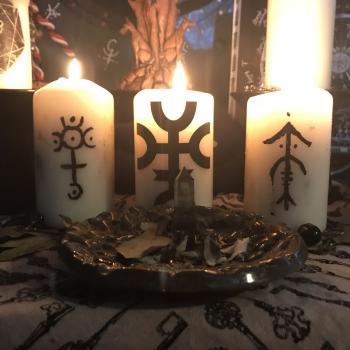
The Triple Moon Goddesses Ritual For Justice

The Keys and The Path: Beginning Spiritual Witchcraft

Leaning Into Hekate's Crossroads During Difficult Times
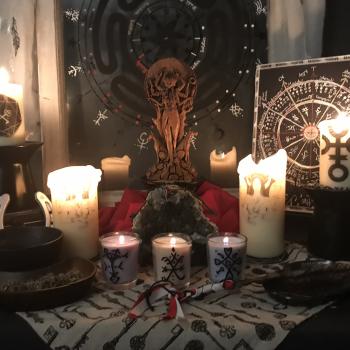
Ritual Of Hekate During COVID-19 For The Vulnerable,...
TRENDING AT PATHEOS Pagan

I was recently chatting with someone on Instagram. She asked me what...

While there are many people who share their results, the end of...

On July 23, I saw Christopher Nolan's The Odyssey which is Homer’s...

As I write this two big events have just finished up. One...

Restoring the Watershed of Divine Love
Perhaps cooperation is not something we manufacture through legislation, ideology, or moral...

Many UUs don’t pray because of bad experiences in a previous religion,...
view all Pagan blogs
Ad-Free & Subscriber Log-In Subscription Support
- About Us
- 2026 Calendar
- Videos
- Podcasts
- Library of World Religions
- Faith In Media Tracker
- Advertise With Us
- Write for Us
- Privacy Policy
- Terms of Service
- Do Not Sell My Data
- Contact Us
- Radiant Digital
- Manage Newsletter Subscriptions
- Unsubscribe From Notifications
- Sitemap
Copyright 2008-2026, Patheos. All rights reserved.
Subscription Support Ad-Free & Subscriber Log-In
Follow Patheos