
BuddhistCatholicContemplativeEvangelicalGeneral ChristianHinduJewishLatter-day SaintMuslimNew VisionsProgressive Christian
Beliefs
- Buddhist
- Catholic
- Contemplative
- Evangelical
- General Christian
- Hindu
- Jewish
- Latter-day Saint
- More Voices
- Muslim
- New Visions
- Pagan
- Progressive Christian
Topics
- Religion News
- Food and Religion
- Sports and Religion
- Religious Art
- Religious Music and Entertainment
- Religious Events
- History and Religion
- Style and Religion
- Politics and Religion
- Women in Religion
- Recreation Outdoors and Religion
- Business Finance and Religion
- Careers Workplace and Religion
- Education and Religion
- Family Parenting and Religion
- Health Fitness and Religion
- Home and Religion
- Relationships and Religion
- Technology and Religion
- Travel and Religion
Columnists
- Buddhist Columnists
- Business Finance and Religion Columnists
- Careers Workplace and Religion Columnists
- Catholic Columnists
- Contemplative Columnists
- Education and Religion Columnists
- Evangelists Columnists
- Family Parenting and Religion Columnists
- General Christian Columnists
- Health Fitness and Religion Columnists
- Hindu Columnists
- History and Religion Columnists
- Home and Religion Columnists
- Jewish Columnists
- More Voices Columnists
- Latter Day Columnists
- Muslim Columnists
- New Visions Columnists
- Nonreligious Columnists
- Pagan Columnists
- Politics and Religion Columnists
- Progressive Columnists
- Recreation Outdoors and Religion Columnists
- Relationships and Religion Columnists
- Religion News Columnists
- Religious Art Columnists
- Religious Events Columnists
- Religious Music and Entertainment Columnists
- Sports and Religion Columnists
- Style and Religion Columnists
- Technology and Religion Columnists
- Travel and Religion Columnists
- Women in Religion Columnists
Resource Library
- 2026 Calendar
- Library of World Religions
- The 100 Most Holy Places on Earth
- Patheos Answers
- Podcasts
- Videos
- Faith Leaders Database
- Anglican Episcopalian
- Bahai
- Baptist
- Buddhism
- Christianity
- Confucianism
- Eastern Orthodoxy
- Hinduism
- Holiness and Pentecostal
- ISKCON
- Islam
- Judaism
- Lutheran
- Methodist
- The Church of Jesus Christ of Latter-day Saints
- New Age
- Paganism
- Presbytarian and Reformed
- Protestantism
- Religion Behind the Scenes
- Roman Catholic
- Scientology
- Shia Islam
- Sikhism
- Sufism
- Sunni Islam
- Taoism
- Zen
- See all religions
Research Tools
 Ad-Free & Subscriber Log-In Subscription Support
Ad-Free & Subscriber Log-In Subscription Support
Follow Patheos 

- Trending:
- Forgiveness
- |
- Marriage
- |
- Consciousness
- |
- Death Penalty
- |
- Election
- |
- Halloween
 Kathryn Lopez
- Home
- Catholic
- Twelve Catholic Things that Caught My Eye Today (April 16, 2015)
Twelve Catholic Things that Caught My Eye Today (April 16, 2015)
Last updated on: April 16, 2015 at 3:54 pm by Kathryn Jean Lopez
Twelve Catholic Things that Caught My Eye Today (April 16, 2015) 2015-04-16T15:54:03-05:00 Kathryn Jean Lopez
Patheos Explore the world's faith through different perspectives on religion and spirituality! Patheos has the views of the prevalent religions and spiritualities of the world.
1.
God is not scornful of desire. He is the one who answers holy longings. (St. Catherine of Siena)
— Cardinal Napier (@CardinalNapier) April 16, 2015
2. Good for after-tax day:
Do not weary yourself with getting rich. Proverbs 23:4
— Fr. Patrick Brennan (@Pathound) April 16, 2015
3.
Shrine in Bartres showing St Bernadette Soubirous as a shepherdess. Today is her feast day. https://t.co/KwEk62PcpG
— Fr Lawrence Lew OP (@LawrenceOP) April 16, 2015
4. 10 things to know about Our Lady of Lourdes and St. Bernadette from Word on Fire-land.
5. Pope Benedict (whose 88th birthday is today) in Lourdes in 2008 on Mary’s smile, which Bernadette saw:
Today Mary dwells in the joy and the glory of the Resurrection. The tears shed at the foot of the Cross have been transformed into a smile which nothing can wipe away, even as her maternal compassion towards us remains unchanged. The intervention of the Virgin Mary in offering succour throughout history testifies to this, and does not cease to call forth, in the people of God, an unshakable confidence in her: the Memorare prayer expresses this sentiment very well. Mary loves each of her children, giving particular attention to those who, like her Son at the hour of his Passion, are prey to suffering; she loves them quite simply because they are her children, according to the will of Christ on the Cross.
The psalmist, seeing from afar this maternal bond which unites the Mother of Christ with the people of faith, prophesies regarding the Virgin Mary that “the richest of the people … will seek your smile” (Ps 44:13). In this way, prompted by the inspired word of Scripture, Christians have always sought the smile of Our Lady, this smile which medieval artists were able to represent with such marvellous skill and to show to advantage. This smile of Mary is for all; but it is directed quite particularly to those who suffer, so that they can find comfort and solace therein. To seek Mary’s smile is not an act of devotional or outmoded sentimentality, but rather the proper expression of the living and profoundly human relationship which binds us to her whom Christ gave us as our Mother.
To wish to contemplate this smile of the Virgin, does not mean letting oneself be led by an uncontrolled imagination. Scripture itself discloses it to us through the lips of Mary when she sings the Magnificat: “My soul glorifies the Lord, my spirit exults in God my Saviour” (Lk 1:46-47). When the Virgin Mary gives thanks to the Lord, she calls us to witness. Mary shares, as if by anticipation, with us, her future children, the joy that dwells in her heart, so that it can become ours. Every time we recite the Magnificat, we become witnesses of her smile. Here in Lourdes, in the course of the apparition of Wednesday 3 March 1858, Bernadette contemplated this smile of Mary in a most particular way. It was the first response that the Beautiful Lady gave to the young visionary who wanted to know who she was. Before introducing herself, some days later, as “the Immaculate Conception”, Mary first taught Bernadette to know her smile, this being the most appropriate point of entry into the revelation of her mystery.
In the smile of the most eminent of all creatures, looking down on us, is reflected our dignity as children of God, that dignity which never abandons the sick person. This smile, a true reflection of God’s tenderness, is the source of an invincible hope. Unfortunately we know only too well: the endurance of suffering can upset life’s most stable equilibrium; it can shake the firmest foundations of confidence, and sometimes even leads people to despair of the meaning and value of life.
There are struggles that we cannot sustain alone, without the help of divine grace. When speech can no longer find the right words, the need arises for a loving presence: we seek then the closeness not only of those who share the same blood or are linked to us by friendship, but also the closeness of those who are intimately bound to us by faith. Who could be more intimate to us than Christ and his holy Mother, the Immaculate One? More than any others, they are capable of understanding us and grasping how hard we have to fight against evil and suffering. The Letter to the Hebrews says of Christ that he “is not unable to sympathize with our weaknesses; for in every respect he has been tempted as we are” (cf. Heb 4:15).
I would like to say, humbly, to those who suffer and to those who struggle and are tempted to turn their backs on life: turn towards Mary! Within the smile of the Virgin lies mysteriously hidden the strength to fight against sickness and for life. With her, equally, is found the grace to accept without fear or bitterness to leave this world at the hour chosen by God.
6.
Happy Birthday, Father Benedict! (That's how he said he's like to be called!) http://t.co/HtZ5BzDZL8
— Dominican Nuns (@MonialesOP) April 16, 2015
7. Just a taste of today’s meditation of the day in Magnificat (subscribe as an Easter gift!):
The difference between knowing naturally and knowing through faith is not a difference of degree but of essence. Faith brings about our unity with God’s thinking and an internal sharing in the light in which God comes to know himself. In this sense, it leads to contemplation and is an introduction to the future knowledge of God in eternal life.
–Fr. Tadeusz Dajczer
8. That reminds me how much I love this newish Peter Kreeft book on Aquinas. Super practical.
9.
“Intelligence and love are not in separate compartments: love is rich in intelligence and intelligence is full of love.” #HappyBirthdayBXVI
— Matt Swaim (@mattswaim) April 16, 2015
10. In the Office of Readings today, there’s another great name you don’t hear everyday: Saint Gaudentius of Brescia. If you don’t have time now, make a little time for this sermon on the Eucharist. It may just change the way you receive our Lord and how you proclaim Him in your life. I sure pray that’s true for me!
The heavenly sacrifice, instituted by Christ, is the most gracious legacy of his new covenant. On the night he was delivered up to be crucified he left us this gift as a pledge of his abiding presence.
This sacrifice is our sustenance on life’s journey; by it we are nourished and supported along the road of life until we depart from this world and make our way to the Lord. For this reason he addressed these words to us: Unless you eat my flesh and drink my blood, you will not have life in you.
It was the Lord’s will that his gifts should remain with us, and that we who have been redeemed by his precious blood should constantly be sanctified according to the pattern of his own passion. And so he commanded those faithful disciples of his whom he made the first priests of his Church to enact these mysteries of eternal life continuously. All priests throughout the churches of the world must celebrate these mysteries until Christ comes again from heaven. Therefore let us all, priests and people alike, be faithful to this everlasting memorial of our redemption. Daily it is before our eyes as a representation of the passion of Christ. We hold it in our hands, we receive it in our mouths, and we accept it in our hearts.
It is appropriate that we should receive the body of Christ in the form of bread, because, as there are many grains of wheat in the flour from which bread is made by mixing it with water and baking it with fire, so also we know that many members make up the one body of Christ which is brought to maturity by the fire of the Holy Spirit. Christ was born of the Holy Spirit, and since it was fitting that he should fulfill all justice, he entered into the waters of baptism to sanctify them. When he left the Jordan he was filled with the Holy Spirit who had descended upon him in the form of a dove. As the evangelist tells us: Jesus, full of the Holy Spirit, returned from the Jordan.
Similarly, the wine of Christ’s blood, drawn from the many grapes of the vineyard that he had planted, is extracted in the winepress of the cross. When men receive it with believing hearts, like capacious wineskins, it ferments within them by its own power.
And so, now that you have escaped from the power of Egypt and of Pharaoh, who is the devil, join with us, all of you, in receiving this sacrifice of the saving passover with the eagerness of dedicated hearts. Then in our inmost being we shall be wholly sanctified by the very Lord Jesus Christ whom we believe to be present in his sacraments, and whose boundless power abides for ever.
Or, if the time is not to be:
"The heavenly sacrifice, instituted by Christ, is the most gracious legacy of his new covenant" ~ St Gaudentius pic.twitter.com/9gmAo3q3bO
— Fr Brad Sweet (@BradBradsweet) April 16, 2015
11. #homilytweets:
Today's Sermon asks: What is God's anger, and how is Mercy rendered meaningless? http://t.co/oBfmaMFKdP
— Fr Lawrence Lew OP (@LawrenceOP) April 16, 2015
Accepting and Obeying God's Trustworthy Testimony like St. Bernadette Soubirous – http://t.co/BekjhXIGAW
— Fr. Roger Landry (@FrRogerLandry) April 16, 2015
Saint Peter proclaims “We must obey God rather than men” – this must be the guiding principle of every decision we make. #HomilyTweet
— Fr James Bradley (@FrJamesBradley) April 16, 2015
12. St. Augustine:
O Lord, I run to the spring, I desire the sources of the water. In you is the fountain of life, an inexhaustible source; in your light there is a light which will never be darkened. I long for this light, this fountain … Seeing this light, my inner eye grows keener and drinking from this fountain my inner thirst becomes more acute. I run to the fountain, panting for its water, but I do not run at random … I run like a deer … not a slow running, but with all speed I run to the source with untiring longing …
O Lord, I am panting at the fountain; you have power to refresh me, and you fill to overflowing those who come to you thirsting … My soul thirsts for the living God … as the deer thirsts for the springs of water, so my soul thirsts for you, my God.
Previous Post

April 15, 2015
Ten Catholic Things that Caught My Eye Today (April 15, 2015)
Next Post
April 17, 2015 Ten Catholic Things That Caught My Eye Today (April 17, 2015)
Browse Our Archives
Select a Category B16 Christian Persecution Christianity Today Culture Good Links/Must Read HHS Mandate Holy Land Must Reads Prayer Religious Liberty Uncategorized
Select a Month July 2016 June 2016 May 2016 April 2016 March 2016 February 2016 January 2016 December 2015 November 2015 October 2015 September 2015 August 2015 July 2015 June 2015 May 2015 April 2015 March 2015 February 2015 January 2015 December 2014 November 2014 October 2014 September 2014 August 2014 July 2014 June 2014 May 2014 April 2014 March 2014 February 2014 January 2014 December 2013 November 2013 October 2013 September 2013 August 2013 July 2013 June 2013 May 2013 April 2013 March 2013 February 2013 January 2013 December 2012 November 2012 October 2012 September 2012 August 2012 July 2012 June 2012 May 2012 April 2012 March 2012 February 2012
Follow Us!
TAKE THE
Religious Wisdom Quiz
There is a season for everything under heaven—a time to be born and a time to do what?
Select your answer to see how you score.
Sing Rest Live Die
Related posts from Kathryn Lopez
Athirst? Moving Deeper into the Trinity
10 Catholic Things that Caught My Eye Today...
10 Things that Caught My Eye on Maria...
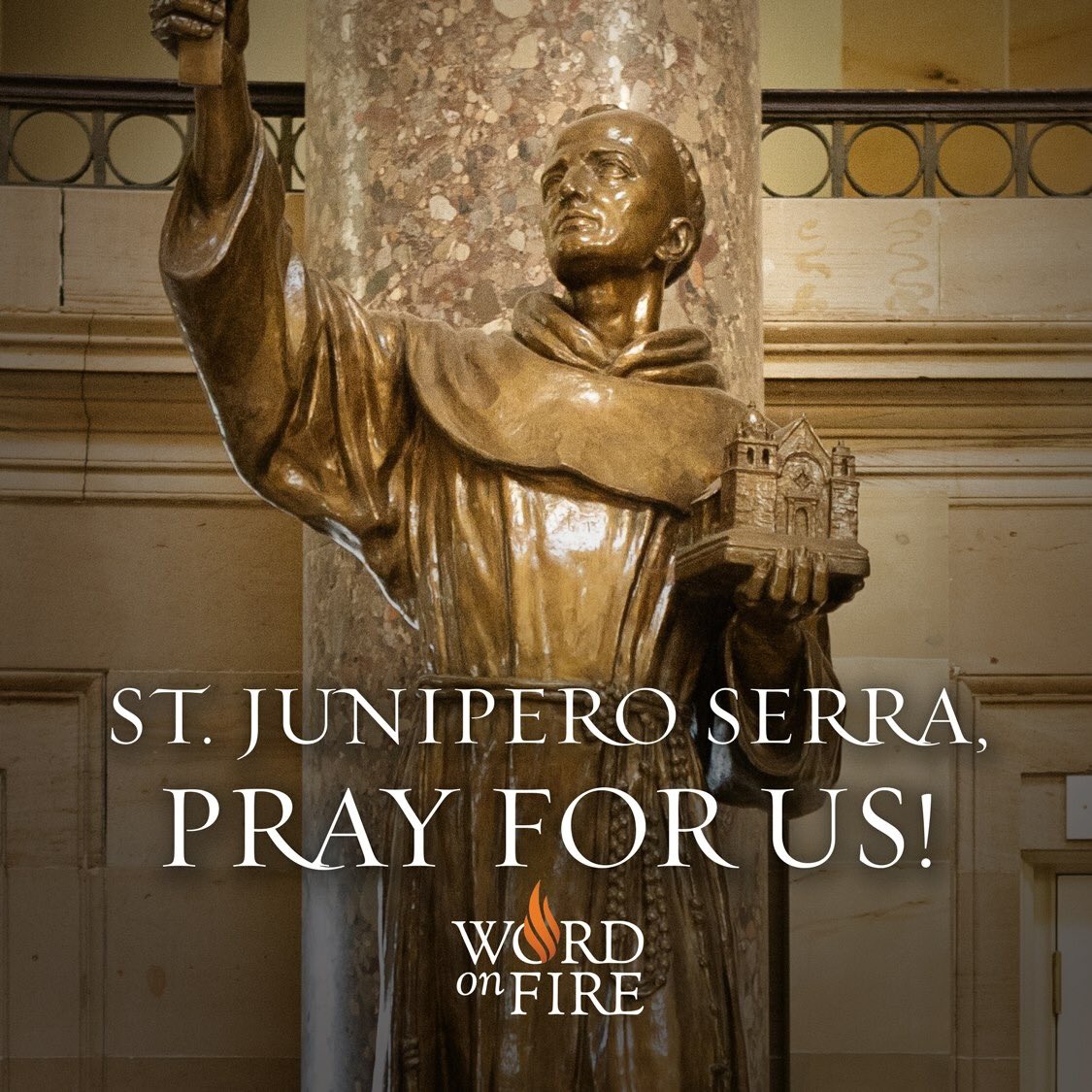
10 Saint Serra Things that Caught My Eye...
TRENDING AT PATHEOS Catholic

The Parable Of The Sower And The Word...
One of Christ’s most famous parables is that of the sower who...

Rejecting Doom: Christian Hope And Human Action
Christianity is a religion of hope. We are to have hope and...

Why I Choose the Eucharist Over the Sermon
Choose the Eucharist, Not the Sermon What are we supposed to get...

5 Design Elements Found in Spiritually Rooted Homes
Putting Spirituality Into Home Decor Our homes are more than our living...

Credo: A Story of God Told with the...
About 10 years ago, I began to imagine a personal "Credo" that...

The Anatomy of Divine Revelation in Catholic Thought
The claim that God has made Himself known to human beings is...
view all Catholic blogs
Ad-Free & Subscriber Log-In Subscription Support
- About Us
- 2026 Calendar
- Videos
- Podcasts
- Library of World Religions
- Faith In Media Tracker
- Advertise With Us
- Write for Us
- Privacy Policy
- Terms of Service
- Do Not Sell My Data
- Contact Us
- Radiant Digital
- Manage Newsletter Subscriptions
- Unsubscribe From Notifications
- Sitemap
Copyright 2008-2026, Patheos. All rights reserved.
Subscription Support Ad-Free & Subscriber Log-In
Follow Patheos