
BuddhistCatholicContemplativeEvangelicalGeneral ChristianHinduJewishLatter-day SaintMuslimNew VisionsProgressive Christian
Beliefs
- Buddhist
- Catholic
- Contemplative
- Evangelical
- General Christian
- Hindu
- Jewish
- Latter-day Saint
- More Voices
- Muslim
- New Visions
- Pagan
- Progressive Christian
Topics
- Religion News
- Food and Religion
- Sports and Religion
- Religious Art
- Religious Music and Entertainment
- Religious Events
- History and Religion
- Style and Religion
- Politics and Religion
- Women in Religion
- Recreation Outdoors and Religion
- Business Finance and Religion
- Careers Workplace and Religion
- Education and Religion
- Family Parenting and Religion
- Health Fitness and Religion
- Home and Religion
- Relationships and Religion
- Technology and Religion
- Travel and Religion
Columnists
- Buddhist Columnists
- Business Finance and Religion Columnists
- Careers Workplace and Religion Columnists
- Catholic Columnists
- Contemplative Columnists
- Education and Religion Columnists
- Evangelists Columnists
- Family Parenting and Religion Columnists
- General Christian Columnists
- Health Fitness and Religion Columnists
- Hindu Columnists
- History and Religion Columnists
- Home and Religion Columnists
- Jewish Columnists
- More Voices Columnists
- Latter Day Columnists
- Muslim Columnists
- New Visions Columnists
- Nonreligious Columnists
- Pagan Columnists
- Politics and Religion Columnists
- Progressive Columnists
- Recreation Outdoors and Religion Columnists
- Relationships and Religion Columnists
- Religion News Columnists
- Religious Art Columnists
- Religious Events Columnists
- Religious Music and Entertainment Columnists
- Sports and Religion Columnists
- Style and Religion Columnists
- Technology and Religion Columnists
- Travel and Religion Columnists
- Women in Religion Columnists
Resource Library
- 2026 Calendar
- Library of World Religions
- The 100 Most Holy Places on Earth
- Patheos Answers
- Podcasts
- Videos
- Faith Leaders Database
- Anglican Episcopalian
- Bahai
- Baptist
- Buddhism
- Christianity
- Confucianism
- Eastern Orthodoxy
- Hinduism
- Holiness and Pentecostal
- ISKCON
- Islam
- Judaism
- Lutheran
- Methodist
- The Church of Jesus Christ of Latter-day Saints
- New Age
- Paganism
- Presbytarian and Reformed
- Protestantism
- Religion Behind the Scenes
- Roman Catholic
- Scientology
- Shia Islam
- Sikhism
- Sufism
- Sunni Islam
- Taoism
- Zen
- See all religions
Research Tools
 Ad-Free & Subscriber Log-In Subscription Support
Ad-Free & Subscriber Log-In Subscription Support
Follow Patheos 

- Trending:
- Forgiveness
- |
- Marriage
- |
- Consciousness
- |
- Death Penalty
- |
- Election
- |
- Halloween
 Kathryn Lopez
- Home
- Catholic
- Why Go to a Priest for Confession?
Why Go to a Priest for Confession?
Last updated on: April 8, 2013 at 7:34 am by Kathryn Jean Lopez
Why Go to a Priest for Confession? 2013-04-08T07:34:59-05:00 Kathryn Jean Lopez
Patheos Explore the world's faith through different perspectives on religion and spirituality! Patheos has the views of the prevalent religions and spiritualities of the world.
You know how Pope Francis keeps repeating himself? How he keeps talking about the mercy of God and pleading with the world to go to our tender, loving Father? On Divine Mercy Sunday at high noon Mass in Washington, D.C., Archbishop Joseph Augustine DiNoia, O.P. ran with this clear theme — so needed by the world — of the early pontificate of Pope Francis, upping the urgency.
His entire homily can be read here. But reading it does not fully capture the passion and love in this Dominican father’s delivery; he is working with his Jesuit brother, both working in Christ, to bring a world of souls to actual encounter and communion with God.
Archbishop DiNoia talked a bit about why the Sacrament of Confession is necessary, why a simple personal reflection with Christ is not enough, talking a bit about Thomas, the apostle, as well:
Now, to be sure, we can turn to God at any moment of our lives to ask for His pardon with the assurance that He will hear us. Still, with respect to His mercy, God has not left the burden solely on us. He has taken the initiative here in a striking manner to give a sacramental form to His mercy, putting it at our disposal in a tangible way. This point is of the greatest importance. As the Holy Father implies, God patiently waits for us in a concrete way in the Sacrament of Penance, a sacrament that might well and truly be called the “Sacrament of Divine Mercy.” In faith, we can affirm with all seriousness that He patiently waits for us in the confessional where we can outwardly express our need for His forgiveness and, what is more, where He can address His words of mercy directly to us through the priest who speaks in the power of His only begotten Son.
…
In what is itself an act of mercy, accommodated to our human nature, God has given a sacramental and thus tangible form to the bestowal of His mercy. Not only can we express our need for divine mercy in private prayer—hoping that it will be heard—but God has instituted a sacramental form through which to impart His mercy so that, by a sacred ritual comprised of words and gestures, we may speak to Him with unqualified assurance and, very importantly, He can speak to us.
In his delivery, there were some ad libs, including when the New York native announced, proclaimed, and pleaded: We can do something! It’s something Sacramental, something so beyond any power of this world. There is Divine Mercy waiting for us. Get thee to a confessional. Early and often.
In a bit of a loving admonishment, Archbishop DiNoia said:
The penitent’s right to this personal encounter with Christ in the Sacrament of Divine Mercy cannot be compromised by reducing the reception of this sacrament to the occasions of communal penance services twice a year at Advent and Lent when there is little time for a proper examination of conscience or for anything more than a hasty confession of a few sins. As Blessed John Paul wrote: “Although participation by the fraternal community of the faithful in the penitential celebration is a great help for the act of personal conversion, nevertheless, in the final analysis, it is necessary that in this act there should be a pronouncement by the individual himself with the whole depth of his conscience and with the whole of his sense of guilt and of trust in God…”(ibid.). The full experience of the divine mercy in its sacramental form demands a discipline of frequent and regular confession in which one can reflect with a recollected heart on one’s failings and the need for true conversion. How can one fully relish the richness of the divine mercy on the run?
Once again, I was reminded of a talk I was present for during the later days of Pope Benedict XVI’s pontificate, where he lovingly admonished the Catholic leaders in front of Him: If you are not encountering Christ daily, you are not being Catholic leaders, you are not equipped for the work of evangelization, you are not who you say you are. The first step in any evangelization effort, in any Christian life, is encountering Christ in prayer and the Sacraments.
There is nothing God won’t forgive us for. Nothing. Don’t let anyone tell us otherwise. Whatever we’ve done, He knows worse.
We all do need some mercy now, but — and don’t ever forget this — God wants to give us some mercy now, if only we would ask. … As Pope Francis put it so aptly, “God’s face is the face of a merciful Father who is always patient…. The problem is that we ourselves tire, we do not want to ask, we grow weary of asking for forgiveness.” God is patiently waiting in the confessional to make us a gift of His mercy. We must not keep Him waiting any longer.
The Sacrament of Divine Mercy—won for us by Christ in the events of the passion, death and resurrection that we have celebrated in this Easter Season—is the concrete expression in space and time of the condescension and forbearance by which God looks with merciful forgiveness on our sins and the sins of the whole world. On this Divine Mercy Sunday, we must resolve to take advantage of this great sacrament, giving thanks “to the Lord for He is good, for His mercy endures forever.” Amen.
May we truly know this, act on this, never forget this.
Archbishop Joseph Augustine DiNoia
Previous Post

April 8, 2013
An Annunciation Prayer
Next Post
April 8, 2013 'There Is No More Room for Anxiety'
Browse Our Archives
Select a Category B16 Christian Persecution Christianity Today Culture Good Links/Must Read HHS Mandate Holy Land Must Reads Prayer Religious Liberty Uncategorized
Select a Month July 2016 June 2016 May 2016 April 2016 March 2016 February 2016 January 2016 December 2015 November 2015 October 2015 September 2015 August 2015 July 2015 June 2015 May 2015 April 2015 March 2015 February 2015 January 2015 December 2014 November 2014 October 2014 September 2014 August 2014 July 2014 June 2014 May 2014 April 2014 March 2014 February 2014 January 2014 December 2013 November 2013 October 2013 September 2013 August 2013 July 2013 June 2013 May 2013 April 2013 March 2013 February 2013 January 2013 December 2012 November 2012 October 2012 September 2012 August 2012 July 2012 June 2012 May 2012 April 2012 March 2012 February 2012
Follow Us!
TAKE THE
Religious Wisdom Quiz
What Christian group emphasizes speaking in tongues as evidence of faith?
Select your answer to see how you score.
Pentecostals Catholics Presbyterians Methodists
Related posts from Kathryn Lopez
Advent Stations -- Lighting the Way to Christmas
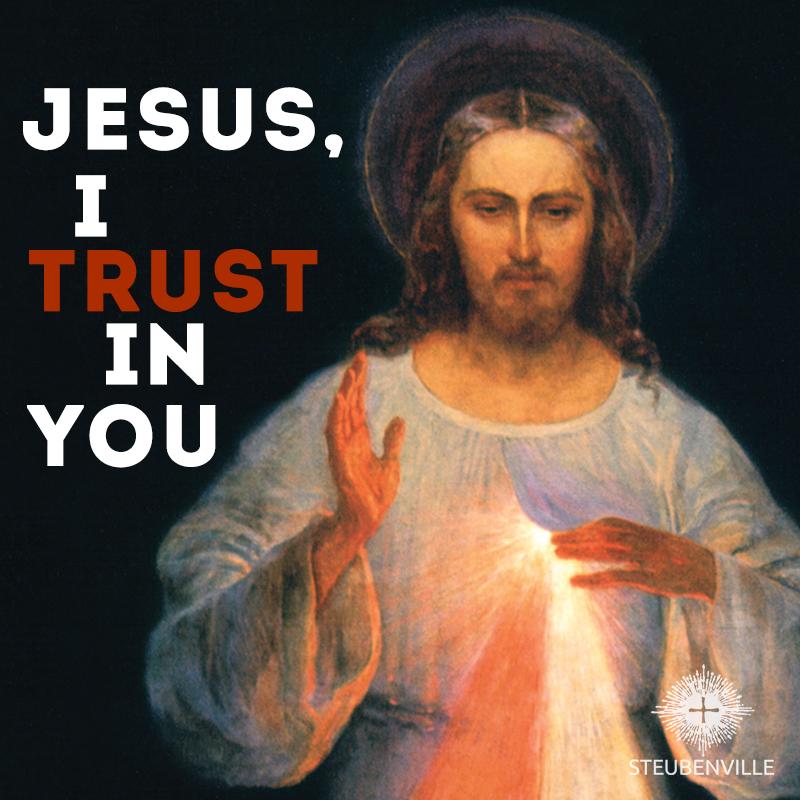
Ten #DivineMercy Tweets that Caught My Eye on...
Tweet #DivineMercy on #DivineMercySunday

Tweet a Station of the Cross During the...
TRENDING AT PATHEOS Catholic

The Parable Of The Sower And The Word...
One of Christ’s most famous parables is that of the sower who...

Rejecting Doom: Christian Hope And Human Action
Christianity is a religion of hope. We are to have hope and...

Why I Choose the Eucharist Over the Sermon
Choose the Eucharist, Not the Sermon What are we supposed to get...

5 Design Elements Found in Spiritually Rooted Homes
Putting Spirituality Into Home Decor Our homes are more than our living...

Credo: A Story of God Told with the...
About 10 years ago, I began to imagine a personal "Credo" that...

The Anatomy of Divine Revelation in Catholic Thought
The claim that God has made Himself known to human beings is...
view all Catholic blogs
Ad-Free & Subscriber Log-In Subscription Support
- About Us
- 2026 Calendar
- Videos
- Podcasts
- Library of World Religions
- Faith In Media Tracker
- Advertise With Us
- Write for Us
- Privacy Policy
- Terms of Service
- Do Not Sell My Data
- Contact Us
- Radiant Digital
- Manage Newsletter Subscriptions
- Unsubscribe From Notifications
- Sitemap
Copyright 2008-2026, Patheos. All rights reserved.
Subscription Support Ad-Free & Subscriber Log-In
Follow Patheos