
BuddhistCatholicContemplativeEvangelicalGeneral ChristianHinduJewishLatter-day SaintMuslimNew VisionsProgressive Christian
Beliefs
- Buddhist
- Catholic
- Contemplative
- Evangelical
- General Christian
- Hindu
- Jewish
- Latter-day Saint
- More Voices
- Muslim
- New Visions
- Pagan
- Progressive Christian
Topics
- Religion News
- Food and Religion
- Sports and Religion
- Religious Art
- Religious Music and Entertainment
- Religious Events
- History and Religion
- Style and Religion
- Politics and Religion
- Women in Religion
- Recreation Outdoors and Religion
- Business Finance and Religion
- Careers Workplace and Religion
- Education and Religion
- Family Parenting and Religion
- Health Fitness and Religion
- Home and Religion
- Relationships and Religion
- Technology and Religion
- Travel and Religion
Columnists
- Buddhist Columnists
- Business Finance and Religion Columnists
- Careers Workplace and Religion Columnists
- Catholic Columnists
- Contemplative Columnists
- Education and Religion Columnists
- Evangelists Columnists
- Family Parenting and Religion Columnists
- General Christian Columnists
- Health Fitness and Religion Columnists
- Hindu Columnists
- History and Religion Columnists
- Home and Religion Columnists
- Jewish Columnists
- More Voices Columnists
- Latter Day Columnists
- Muslim Columnists
- New Visions Columnists
- Nonreligious Columnists
- Pagan Columnists
- Politics and Religion Columnists
- Progressive Columnists
- Recreation Outdoors and Religion Columnists
- Relationships and Religion Columnists
- Religion News Columnists
- Religious Art Columnists
- Religious Events Columnists
- Religious Music and Entertainment Columnists
- Sports and Religion Columnists
- Style and Religion Columnists
- Technology and Religion Columnists
- Travel and Religion Columnists
- Women in Religion Columnists
Resource Library
- 2026 Calendar
- Library of World Religions
- The 100 Most Holy Places on Earth
- Patheos Answers
- Podcasts
- Videos
- Faith Leaders Database
- Anglican Episcopalian
- Bahai
- Baptist
- Buddhism
- Christianity
- Confucianism
- Eastern Orthodoxy
- Hinduism
- Holiness and Pentecostal
- ISKCON
- Islam
- Judaism
- Lutheran
- Methodist
- The Church of Jesus Christ of Latter-day Saints
- New Age
- Paganism
- Presbytarian and Reformed
- Protestantism
- Religion Behind the Scenes
- Roman Catholic
- Scientology
- Shia Islam
- Sikhism
- Sufism
- Sunni Islam
- Taoism
- Zen
- See all religions
Research Tools
 Ad-Free & Subscriber Log-In Subscription Support
Ad-Free & Subscriber Log-In Subscription Support
Follow Patheos 

- Trending:
- Forgiveness
- |
- Marriage
- |
- Consciousness
- |
- Death Penalty
- |
- Election
- |
- Halloween
 Just and Sinner
- Home
- Evangelical
- Problems with Covenant Theology
Problems with Covenant Theology
Last updated on: June 3, 2014 at 1:23 am by Jordan Cooper
Problems with Covenant Theology 2014-06-03T01:23:16-06:00 Jordan Cooper
Patheos Explore the world's faith through different perspectives on religion and spirituality! Patheos has the views of the prevalent religions and spiritualities of the world.
If you have done any study of covenant theology, you are probably aware that the Hebrew term berith and the Greek term διαθηκη are translated as “covenant.” In Reformed theology, covenant is the primary hermeneutical grid whereby all of Scripture is understood. Thus, the relationship between Adam and God is a covenant (though never stated with the possible exception of Hosea 6:7), the relationships with Noah, Abraham, Moses, and David are covenantal, as well as the New Covenant. It is even argued that the persons of the Holy Trinity have an eternal covenant among themselves (the covenant of redemption).
As a Lutheran, I have often been asked how we understand the concept of covenant. Is it an overriding theme of Scripture? It of course can’t be denied that it is a concept used in Scripture. Yes, God makes covenants. I think that Meredith Kline’s work in demonstrating to continuity between ancient Suzerainty/vassal treaties and the structure of the Mosaic covenant is helpful. But this leads me to an important question. Is covenant the overriding concept of Scripture, or is it God’s way of interacting with people in a culture that had a prominent emphasis on covenants? Is God accommodating himself so as to interact within the current cultural milieu? I think the latter may be the case.
Look for example at how the New Testament speaks of covenant, using the term διαθηκη. There isn’t a lot of talk about the New Covenant, at least not in those terms. Yes, we are people of the New Covenant in fulfillment of the prophecy of Jeremiah 31. Yet, the concept of covenant is not used within the same suzerainty/vassal context that it is in the Old Testament. Look at how the concept is used in Hebrews 9,
“Therefore he is the mediator of a new covenant, so that those who are called may receive the promised eternal inheritance, since a death has occurred that redeems them from the transgressions committed under the first covenant. For where a will is involved, the death of the one who made it must be established. For a will takes effect only at death, since it is not in force as long as the one who made it is alive. Therefore not even the first covenant was inaugurated without blood. For when every commandment of the law had been declared by Moses to all the people, he took the blood of calves and goats, with water and scarlet wool and hyssop, and sprinkled both the book itself and all the people, saying, “This is the blood of the covenant that God commanded for you.” And in the same way he sprinkled with the blood both the tent and all the vessels used in worship. Indeed, under the law almost everything is purified with blood, and without the shedding of blood there is no forgiveness of sins.” (Hebrews 9:15-22)
The theme of this text is not covenant in the Old Testament context, but a testament or will. Because of the context in which the term is placed, it really is better translated as testament than covenant. The argument he makes is not in relation to any type of suzerainty/vassal or royal grant Hittite treaty, but the concept of a will and testament. In a will, one assigns all that they have to certain people. This only takes effect once one dies. In this way, Jesus willed us to have his righteousness, life, and eternal inheritance. It is only through death that this will is enacted.
Notice also, what this testament is connected to in the New Testament:
“And likewise the cup after they had eaten, saying, “This cup that is poured out for you is the new covenant in my blood.” (Luke 22:20)
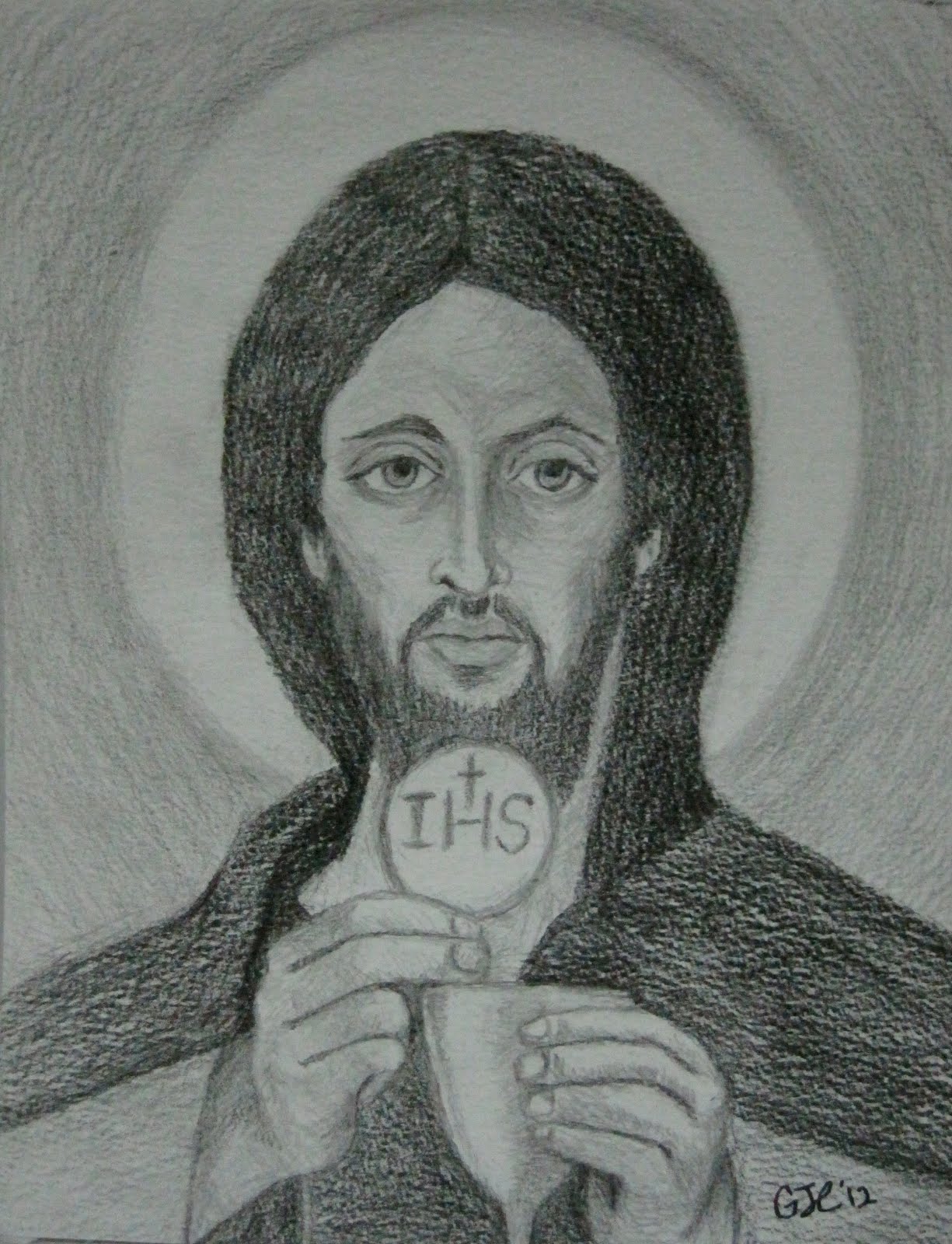
The Eucharist is the new covenant. It is through the sacrament that the gifts of Christ are given, where what he has left in his will for us is administered. It is here where the inheritance is given to those who partake in faith. This, I think, is where covenant theology gets it wrong. The New Testament doesn’t have much information about the church as a covenant community, or about the sacraments as covenantal ratification, or any of the other language prominent within Reformed federal theology. In the New Testament, the new covenant isn’t really a covenant at all (in the sense usually understood), but is a testament. And that testament is the Eucharist.
I was once much more positive about covenant theology than I am now. I do think that there are some valuable insights from many of these covenantal writers (Kline, Horton, Vos, etc.) but ultimately, I think that one theme of the Old Testament becomes the overriding theme of all of Scripture. The attempt, for example, to place Biblical inspiration in a covenantal context is far fetched and not exegetically tenable.
Previous Post

June 3, 2014
Infant Faith
Next Post
June 3, 2014 Stop Being so Reactionary
Browse Our Archives
Select a Category American Lutheran Classics Blog Posts Book Review Christian Dogmatics Course Church Resources Curtis Leins Dogmatic Theology Ethics FAQs Historical Theology Just & Sinner Publications Luther Quotations Podcast Sermons The American Lutheran Theological Journal The complete works of Revere Franklin Weidner Theology Proper Uncategorized Videos
Select a Month October 2019 September 2019 July 2019 June 2019 May 2019 April 2019 March 2019 February 2019 January 2019 December 2018 November 2018 October 2018 September 2018 July 2018 June 2018 May 2018 April 2018 March 2018 February 2018 January 2018 December 2017 November 2017 October 2017 September 2017 August 2017 July 2017 June 2017 May 2017 April 2017 March 2017 February 2017 January 2017 December 2016 November 2016 October 2016 September 2016 August 2016 July 2016 June 2016 May 2016 April 2016 March 2016 February 2016 January 2016 December 2015 November 2015 October 2015 September 2015 August 2015 July 2015 June 2015 May 2015 April 2015 March 2015 February 2015 January 2015 December 2014 November 2014 October 2014 September 2014 August 2014 July 2014 June 2014 May 2014
Follow Us!
TAKE THE
Religious Wisdom Quiz
What does "blessed are the peacemakers" mean?
Select your answer to see how you score.
Cause trouble Promote peace Always win Start fights
Related posts from Just and Sinner
A Discussion of Romans 9 and Predestination
Do Lutherans Believe in Covenant Theology?


TRENDING AT PATHEOS Evangelical

The REST of Your Life: A Creative Wrestles...
This week I had a conversation with a good friend from church....

How the author of the world's best hymn...
I've been working with John Newton for a while now. This makes...

Long before this Lectio Divina, Psalm 130 - the song - started...

What About the Trees? Another Living Parable
After I finished writing the last article about falling leaves as a...

Why Classical Education Is a Conversation, Not a...
Come and Read: Joy in Classical Education When I was a little...

Cornell University has received a great deal of negative publicity and intense...
view all Evangelical blogs
Ad-Free & Subscriber Log-In Subscription Support
- About Us
- 2026 Calendar
- Videos
- Podcasts
- Library of World Religions
- Faith In Media Tracker
- Advertise With Us
- Write for Us
- Privacy Policy
- Terms of Service
- Do Not Sell My Data
- Contact Us
- Radiant Digital
- Manage Newsletter Subscriptions
- Unsubscribe From Notifications
- Sitemap
Copyright 2008-2026, Patheos. All rights reserved.
Subscription Support Ad-Free & Subscriber Log-In
Follow Patheos