
BuddhistCatholicContemplativeEvangelicalGeneral ChristianHinduJewishLatter-day SaintMuslimNew VisionsProgressive Christian
Beliefs
- Buddhist
- Catholic
- Contemplative
- Evangelical
- General Christian
- Hindu
- Jewish
- Latter-day Saint
- More Voices
- Muslim
- New Visions
- Pagan
- Progressive Christian
Topics
- Religion News
- Food and Religion
- Sports and Religion
- Religious Art
- Religious Music and Entertainment
- Religious Events
- History and Religion
- Style and Religion
- Politics and Religion
- Women in Religion
- Recreation Outdoors and Religion
- Business Finance and Religion
- Careers Workplace and Religion
- Education and Religion
- Family Parenting and Religion
- Health Fitness and Religion
- Home and Religion
- Relationships and Religion
- Technology and Religion
- Travel and Religion
Columnists
- Buddhist Columnists
- Business Finance and Religion Columnists
- Careers Workplace and Religion Columnists
- Catholic Columnists
- Contemplative Columnists
- Education and Religion Columnists
- Evangelists Columnists
- Family Parenting and Religion Columnists
- General Christian Columnists
- Health Fitness and Religion Columnists
- Hindu Columnists
- History and Religion Columnists
- Home and Religion Columnists
- Jewish Columnists
- More Voices Columnists
- Latter Day Columnists
- Muslim Columnists
- New Visions Columnists
- Nonreligious Columnists
- Pagan Columnists
- Politics and Religion Columnists
- Progressive Columnists
- Recreation Outdoors and Religion Columnists
- Relationships and Religion Columnists
- Religion News Columnists
- Religious Art Columnists
- Religious Events Columnists
- Religious Music and Entertainment Columnists
- Sports and Religion Columnists
- Style and Religion Columnists
- Technology and Religion Columnists
- Travel and Religion Columnists
- Women in Religion Columnists
Resource Library
- 2026 Calendar
- Library of World Religions
- The 100 Most Holy Places on Earth
- Patheos Answers
- Podcasts
- Videos
- Faith Leaders Database
- Anglican Episcopalian
- Bahai
- Baptist
- Buddhism
- Christianity
- Confucianism
- Eastern Orthodoxy
- Hinduism
- Holiness and Pentecostal
- ISKCON
- Islam
- Judaism
- Lutheran
- Methodist
- The Church of Jesus Christ of Latter-day Saints
- New Age
- Paganism
- Presbytarian and Reformed
- Protestantism
- Religion Behind the Scenes
- Roman Catholic
- Scientology
- Shia Islam
- Sikhism
- Sufism
- Sunni Islam
- Taoism
- Zen
- See all religions
Research Tools
 Ad-Free & Subscriber Log-In Subscription Support
Ad-Free & Subscriber Log-In Subscription Support
Follow Patheos 

- Trending:
- Forgiveness
- |
- Marriage
- |
- Consciousness
- |
- Death Penalty
- |
- Election
- |
- Halloween
 Just and Sinner
- Home
- Evangelical
- Heretics Tell the Truth
Heretics Tell the Truth
Last updated on: July 31, 2017 at 7:17 am by nathanrinne
Heretics Tell the Truth 2017-07-31T07:17:12-06:00 nathanrinne
Patheos Explore the world's faith through different perspectives on religion and spirituality! Patheos has the views of the prevalent religions and spiritualities of the world.

Marcion (on right): “First-born of Satan” (per Polycarp) or “an important leader in early Christianity” (Wikipedia)?
+++
The MacMillan Encylopedia says about heresy, in part: “Owing to such factors as the rise of theological liberalism and the ecumenical movement, the term ‘heresy’ is rarely used in modern Church circles”
To say the least, this is most certainly true! And yet, as Pastor Todd Wilken of Issues ETC. says, “false teaching hurts people”.
And here is the kicker:
The biggest problem with heretical speech is that it is often always right.
In the words which are uttered, there is often nothing spoken which is, in itself, wrong. In fact heretical speech is often comprised of many true statements. The problem however – which is related to the definition of the word heresy itself – is that the picture that they paint with their statements is completely wrong at worst and incomplete at best. And dangerously so.
It is not so much what is said that makes the heretic. It is what is not said.
A heretic is someone who does not wish to embrace all that one is given to embrace. They are “choosy”. Literally, a heresy means to “pick and choose”.[i]

2nd century pastor Irenaeus of Lyons’s metaphor for heresy: the same puzzle pieces can be put together to show the King or to show a fox. But what is the image on the cover of the puzzle?
Another major problem with heretical speech however, is that so often it does not come from hardened heretics. In fact, in all likelihood (we cannot know human hearts!), it rarely does. No doubt the famous second century Christian heretic, Marcion, (pictured above) seemed quite genuine in his profession of Christianity. And, perhaps, as seems to be the case with Eugene Peterson, those who fall into heresy are more like reeds shaken by the wind then they are those who consciously “masquerade as an angel of light” (II Cor. 11:14).
Speaking of which, I am very glad that Eugene Peterson has recanted. I hope that the recantation is genuine, from his heart. I definitely hope to see him in heaven!
That said, I don’t think I will be paying much attention to his books anymore. Around the time of the news last week a man on a Facebook group I am on said the following (used with permission):
Peterson’s “thing” in evangelical circles was to highlight the introspective, meditative, and mystical elements. So those who wanted a “deeper” faith circled around him like moths to the flame. Peterson was in evangelical precincts what Nouwen was for Roman Catholics and Liberal Protestants. Most of his nearly three dozen books were well received among evangelicals. Then, when he was in his early 60s, he did a stint as Professor of Spiritual Theology at highly regarded Regent College in Vancouver, British Columbia, for another decade and a half. But, his “circle” of evangelical admirers expanded to take in a very different constituency among American evangelicals: the church growth types. They LOVED his “The Message” paraphrase of the Bible because it was so “accessible,” and did not employ “churchy” language. I could never understand how a mainline Presbyterian in the PCUSA garnered such a large following among theologically conservative evangelicals. But, for Peterson, much of his writing exalted the interior spiritual experience. Experience often seems to trump doctrine among some segments of evangelicalism and that carried him a very long way in the evangelical camp. Notice how his criterion for acceptance of homosexuality was the fact that “gay Christians” seemed to have “as good a spiritual life as I do.”
“Experience often seems to trump doctrine.”
Mark and note that friends.
Trust in the Word — the living Word and His living words in Scripture — and pray that your faith would be deep and strong, like a nail driven into a board. That is the experience you need.
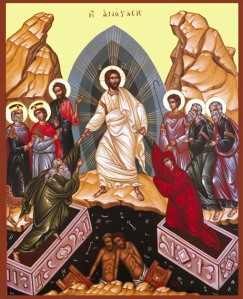
Is your God good and strong enough to save you?
FIN
[i] See here.
All images from Wikipedia and in the public domain.
Previous Post
July 11, 2017
Without Tradition as Truth, the West – and the Rest – Cannot Be Saved
Next Post
July 29, 2017 The Life and Legacy of Martin Luther
Browse Our Archives
Select a Category American Lutheran Classics Blog Posts Book Review Christian Dogmatics Course Church Resources Curtis Leins Dogmatic Theology Ethics FAQs Historical Theology Just & Sinner Publications Luther Quotations Podcast Sermons The American Lutheran Theological Journal The complete works of Revere Franklin Weidner Theology Proper Uncategorized Videos
Select a Month October 2019 September 2019 July 2019 June 2019 May 2019 April 2019 March 2019 February 2019 January 2019 December 2018 November 2018 October 2018 September 2018 July 2018 June 2018 May 2018 April 2018 March 2018 February 2018 January 2018 December 2017 November 2017 October 2017 September 2017 August 2017 July 2017 June 2017 May 2017 April 2017 March 2017 February 2017 January 2017 December 2016 November 2016 October 2016 September 2016 August 2016 July 2016 June 2016 May 2016 April 2016 March 2016 February 2016 January 2016 December 2015 November 2015 October 2015 September 2015 August 2015 July 2015 June 2015 May 2015 April 2015 March 2015 February 2015 January 2015 December 2014 November 2014 October 2014 September 2014 August 2014 July 2014 June 2014 May 2014
Follow Us!
TAKE THE
Religious Wisdom Quiz
Who was the strongest man mentioned in the Bible?
Select your answer to see how you score.
David Saul Samson Goliath
Related posts from Just and Sinner
A Review of Confessing the Gospel: A Lutheran...
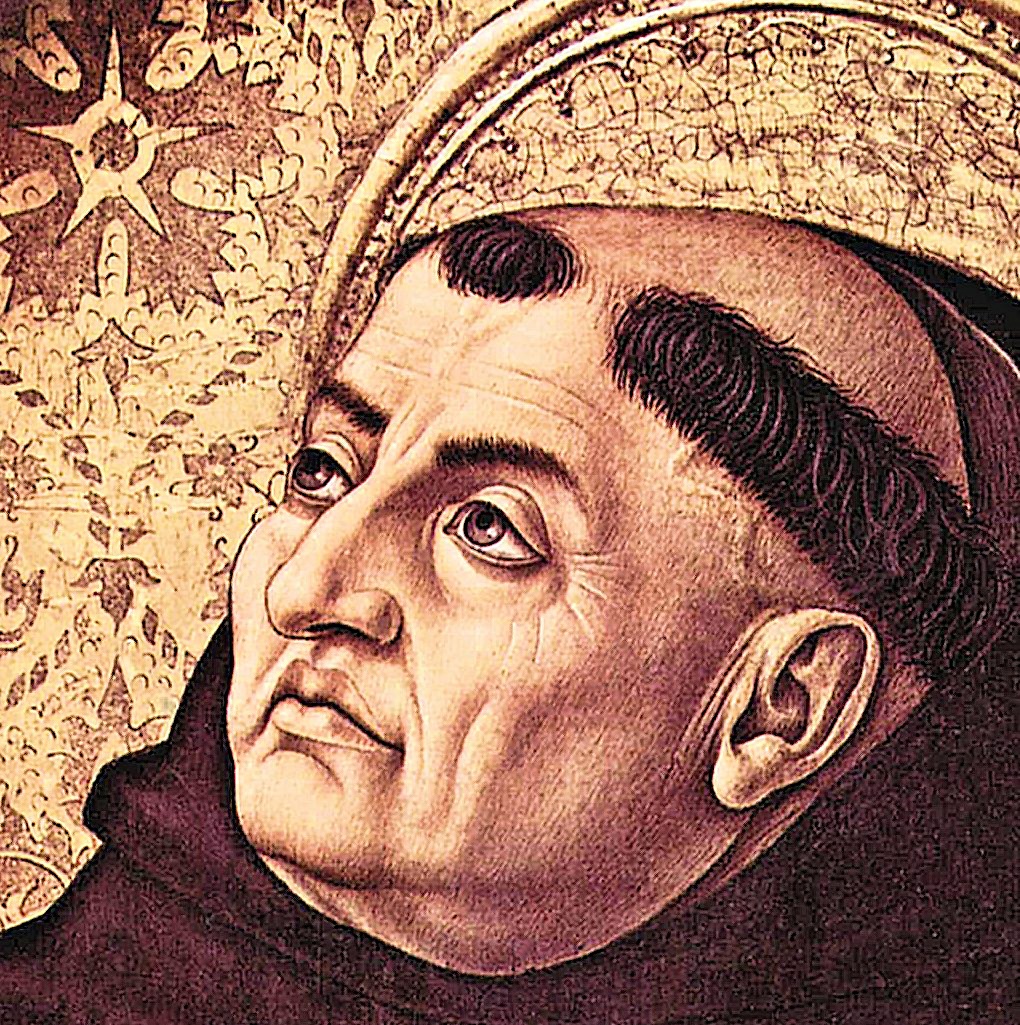
Thomas Aquinas and Thirteenth Century Scholasticism

Introduction to Christian Doctrine Videos
TRENDING AT PATHEOS Evangelical

The REST of Your Life: A Creative Wrestles...
This week I had a conversation with a good friend from church....

How the author of the world's best hymn...
I've been working with John Newton for a while now. This makes...

Long before this Lectio Divina, Psalm 130 - the song - started...

What About the Trees? Another Living Parable
After I finished writing the last article about falling leaves as a...

Why Classical Education Is a Conversation, Not a...
Come and Read: Joy in Classical Education When I was a little...

Cornell University has received a great deal of negative publicity and intense...
view all Evangelical blogs
Ad-Free & Subscriber Log-In Subscription Support
- About Us
- 2026 Calendar
- Videos
- Podcasts
- Library of World Religions
- Faith In Media Tracker
- Advertise With Us
- Write for Us
- Privacy Policy
- Terms of Service
- Do Not Sell My Data
- Contact Us
- Radiant Digital
- Manage Newsletter Subscriptions
- Unsubscribe From Notifications
- Sitemap
Copyright 2008-2026, Patheos. All rights reserved.
Subscription Support Ad-Free & Subscriber Log-In
Follow Patheos