
BuddhistCatholicContemplativeEvangelicalGeneral ChristianHinduJewishLatter-day SaintMuslimNew VisionsProgressive Christian
Beliefs
- Buddhist
- Catholic
- Contemplative
- Evangelical
- General Christian
- Hindu
- Jewish
- Latter-day Saint
- More Voices
- Muslim
- New Visions
- Pagan
- Progressive Christian
Topics
- Religion News
- Food and Religion
- Sports and Religion
- Religious Art
- Religious Music and Entertainment
- Religious Events
- History and Religion
- Style and Religion
- Politics and Religion
- Women in Religion
- Recreation Outdoors and Religion
- Business Finance and Religion
- Careers Workplace and Religion
- Education and Religion
- Family Parenting and Religion
- Health Fitness and Religion
- Home and Religion
- Relationships and Religion
- Technology and Religion
- Travel and Religion
Columnists
- Buddhist Columnists
- Business Finance and Religion Columnists
- Careers Workplace and Religion Columnists
- Catholic Columnists
- Contemplative Columnists
- Education and Religion Columnists
- Evangelists Columnists
- Family Parenting and Religion Columnists
- General Christian Columnists
- Health Fitness and Religion Columnists
- Hindu Columnists
- History and Religion Columnists
- Home and Religion Columnists
- Jewish Columnists
- More Voices Columnists
- Latter Day Columnists
- Muslim Columnists
- New Visions Columnists
- Nonreligious Columnists
- Pagan Columnists
- Politics and Religion Columnists
- Progressive Columnists
- Recreation Outdoors and Religion Columnists
- Relationships and Religion Columnists
- Religion News Columnists
- Religious Art Columnists
- Religious Events Columnists
- Religious Music and Entertainment Columnists
- Sports and Religion Columnists
- Style and Religion Columnists
- Technology and Religion Columnists
- Travel and Religion Columnists
- Women in Religion Columnists
Resource Library
- 2026 Calendar
- Library of World Religions
- The 100 Most Holy Places on Earth
- Patheos Answers
- Podcasts
- Videos
- Faith Leaders Database
- Anglican Episcopalian
- Bahai
- Baptist
- Buddhism
- Christianity
- Confucianism
- Eastern Orthodoxy
- Hinduism
- Holiness and Pentecostal
- ISKCON
- Islam
- Judaism
- Lutheran
- Methodist
- The Church of Jesus Christ of Latter-day Saints
- New Age
- Paganism
- Presbytarian and Reformed
- Protestantism
- Religion Behind the Scenes
- Roman Catholic
- Scientology
- Shia Islam
- Sikhism
- Sufism
- Sunni Islam
- Taoism
- Zen
- See all religions
Research Tools
 Ad-Free & Subscriber Log-In Subscription Support
Ad-Free & Subscriber Log-In Subscription Support
Follow Patheos 

- Trending:
- Forgiveness
- |
- Marriage
- |
- Consciousness
- |
- Death Penalty
- |
- Election
- |
- Halloween
 Jonathan Wilson-Hartgrove
- Home
- Progressive Christian
- On Followership: Building Up the Movement I Can’t Lead
On Followership: Building Up the Movement I Can’t Lead
Last updated on: April 30, 2013 at 10:09 am by Jonathan Wilson-Hartgrove
On Followership: Building Up the Movement I Can’t Lead 2013-04-30T10:09:31-06:00 Jonathan Wilson-Hartgrove
Patheos Explore the world's faith through different perspectives on religion and spirituality! Patheos has the views of the prevalent religions and spiritualities of the world.
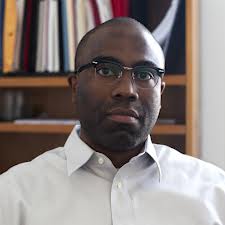
Attorney Daryl Atkinson of the Southern Coalition for Social Justice
Daryl Atkinson isn’t just quoting statistics when he talks about America’s most overlooked domestic crisis–mass incarceration as a result of the War on Drugs. 2.3 million people in prison, nearly 7 million in our criminal justice system. The United States incarcerates a higher percentage of its population than any other nation in the world. Since the early 1980’s, when our War on Drugs was declared, incarceration rates have increased by nearly 800%. The result: 65 million Americans–most of them people of color–have been relegated to a criminal caste that is denied access to employment, federal housing, and financial assistance for education.
Daryl quotes these facts from memory, rapid fire. They are a part of the stump speech he gives dozens of times each week, no doubt. But on this particular Sunday afternoon at the end of April, as we’re sitting before a mass meeting that our local NAACP has called to address “racial profiling,” Daryl says something important. “I’m not here because I know this stuff. I’m here because I spent 40 months in an Alabama state prison on a nonviolent drug crime. I’m here because I’m a victim of America’s War on Drugs. And there’s nothing special about me. I left a thousand intelligent brothers behind the walls.”
We talk for nearly three hours about the problem. Complex as it is, each of us sees it manifested in different ways. This isn’t Bull Conner’s bigotry; it’s not codified in Jim Crow statutes that are overtly racists. It’s hard to get to the bottom of it, hard to know how we as a community might begin to address it.
But Daryl knows something basic to organizing–something that is rooted in his own experience. He looks at the hundred or so people gathered in the room and says, “We can’t lead this movement. We’ve got to support the people who’ve got skin in the game.”
Which is not to say that we can do nothing. In America’s abolitionist movement, white evangelicals told the stories of freed slaves and Quakers opened their homes. Freed black folks gave money and established local groups to protect runaways from bounty hunters under the Fugitive Slave Law. All of this was crucial. But it depended on the leadership of Harriet Tubman and Frederick Douglass. It depended on the awakening of people who had “skin in the game.”
Ella Baker knew this in the 1960’s when she stepped in to support the young people who organized sit-ins across the country in the spring on 1960. They had skin in the game, so Ella Baker knew they would have the will power and the imagination to lead the Freedom Rides of 1961, voter-registration and direct action campaigns, Freedom Summer in 1964, and the Mississippi Freedom Democratic Party. But Baker was determined that these young people not simply get in line behind Martin Luther King, Jr. His leadership was important (she’d helped him start SCLC). But he could not take these young people where they needed to go. In fact, their empowerment was necessary for his own continued growth in the movement.
What the abolitionists and Ella Baker knew, Daryl knows. Deep down, we all do. So we ask, where are our young leaders?
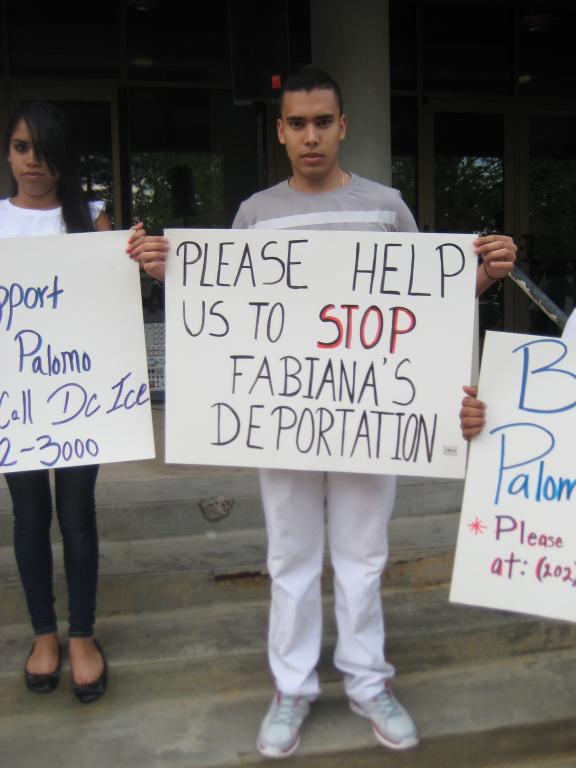 I had the chance to talk with some of them last night. Last Tuesday here in Durham, a youth worker at the Catholic Church was involved in a traffic accident and detained by Immigration and Customs Enforcement officials. She’s being held in a detention center. “She’s like a second mother to me,” one of the youth said.
Some people call Fabiana “illegal.” But these kids know that slur is a lie. Their teacher, their mentor, their friend is not illegal. She is an essential part of their community. And they are determined to get her back.
“Who organized this protest?” I asked the kids. “We did,” they said proudly. Then, in the interest of full disclosure, one of them said, “I mean, we made the signs ourselves. We had some help inviting others to join us.”
Their help, I happen to know, came from a fearless leader of the undocumented community, only some five years their senior. Last year, she infiltrated a detention center in Florida to tell the stories of women detained there. After she organized a hunger strike, along with a co-worker on the men’s side, she was kicked out. “Please, just leave,” a guard was overheard saying on her way out.
We have found our leaders–and there are more yet to be found. To follow them is to support their cause and learn from their tactics. It is to pass along the stories and the wisdom they are living so faithfully.
To learn how you can support Fabiana’s case, click here.
Previous Post

April 24, 2013
Instead of "Leadership Development"
Next Post
May 6, 2013 "Ilegal": the New "N" Word?
Browse Our Archives
Select a Category Features Front Porch Nurturing Communities Testimonies
Select a Month April 2015 March 2015 February 2015 January 2015 December 2014 September 2014 August 2014 July 2014 June 2014 May 2014 April 2014 March 2014 February 2014 January 2014 December 2013 November 2013 October 2013 September 2013 August 2013 July 2013 June 2013 May 2013 April 2013 March 2013 February 2013 January 2013 December 2012 November 2012 October 2012 September 2012 August 2012 July 2012 June 2012 May 2012 April 2012 March 2012 February 2012 January 2012
Follow Us!
TAKE THE
Religious Wisdom Quiz
Who was the youngest king of Judah?
Select your answer to see how you score.
Josiah Asa Jehoshaphat Hezekiah
Related posts from Jonathan Wilson-Hartgrove



TRENDING AT PATHEOS Progressive Christian

What Being a Modern-Day Apostle Means to Me
In my last column, I discussed the ins and outs of modern-day...

Did Ancient China Once Worship the God of...
Across human history, a common thread weaves through the origins of the...

Love Your Neighbor – Including Earth-Kin: Lev. 19,...
God’s command to love your neighbor means acting in an ethical and...

Lead a Church Study of “Jesus and Lao...
Guest writer Jack Thomas (The Irreverent Reverend) reflects on leading his church...

Pastoral Wisdom for Responding to Sermon Pushback
Getting sermon pushback on your social justice sermon? Learn practical, Proverbs-based strategies...

Principles for Understanding the Apostolic Ministry Today
Whenever people discover that my formal ministry title is "apostle," as in...
view all Progressive Christian blogs
Ad-Free & Subscriber Log-In Subscription Support
- About Us
- 2026 Calendar
- Videos
- Podcasts
- Library of World Religions
- Faith In Media Tracker
- Advertise With Us
- Write for Us
- Privacy Policy
- Terms of Service
- Do Not Sell My Data
- Contact Us
- Radiant Digital
- Manage Newsletter Subscriptions
- Unsubscribe From Notifications
- Sitemap
Copyright 2008-2026, Patheos. All rights reserved.
Subscription Support Ad-Free & Subscriber Log-In
Follow Patheos