
BuddhistCatholicContemplativeEvangelicalGeneral ChristianHinduJewishLatter-day SaintMuslimNew VisionsProgressive Christian
Beliefs
- Buddhist
- Catholic
- Contemplative
- Evangelical
- General Christian
- Hindu
- Jewish
- Latter-day Saint
- More Voices
- Muslim
- New Visions
- Pagan
- Progressive Christian
Topics
- Religion News
- Food and Religion
- Sports and Religion
- Religious Art
- Religious Music and Entertainment
- Religious Events
- History and Religion
- Style and Religion
- Politics and Religion
- Women in Religion
- Recreation Outdoors and Religion
- Business Finance and Religion
- Careers Workplace and Religion
- Education and Religion
- Family Parenting and Religion
- Health Fitness and Religion
- Home and Religion
- Relationships and Religion
- Technology and Religion
- Travel and Religion
Columnists
- Buddhist Columnists
- Business Finance and Religion Columnists
- Careers Workplace and Religion Columnists
- Catholic Columnists
- Contemplative Columnists
- Education and Religion Columnists
- Evangelists Columnists
- Family Parenting and Religion Columnists
- General Christian Columnists
- Health Fitness and Religion Columnists
- Hindu Columnists
- History and Religion Columnists
- Home and Religion Columnists
- Jewish Columnists
- More Voices Columnists
- Latter Day Columnists
- Muslim Columnists
- New Visions Columnists
- Nonreligious Columnists
- Pagan Columnists
- Politics and Religion Columnists
- Progressive Columnists
- Recreation Outdoors and Religion Columnists
- Relationships and Religion Columnists
- Religion News Columnists
- Religious Art Columnists
- Religious Events Columnists
- Religious Music and Entertainment Columnists
- Sports and Religion Columnists
- Style and Religion Columnists
- Technology and Religion Columnists
- Travel and Religion Columnists
- Women in Religion Columnists
Resource Library
- 2026 Calendar
- Library of World Religions
- The 100 Most Holy Places on Earth
- Patheos Answers
- Podcasts
- Videos
- Faith Leaders Database
- Anglican Episcopalian
- Bahai
- Baptist
- Buddhism
- Christianity
- Confucianism
- Eastern Orthodoxy
- Hinduism
- Holiness and Pentecostal
- ISKCON
- Islam
- Judaism
- Lutheran
- Methodist
- The Church of Jesus Christ of Latter-day Saints
- New Age
- Paganism
- Presbytarian and Reformed
- Protestantism
- Religion Behind the Scenes
- Roman Catholic
- Scientology
- Shia Islam
- Sikhism
- Sufism
- Sunni Islam
- Taoism
- Zen
- See all religions
Research Tools
 Ad-Free & Subscriber Log-In Subscription Support
Follow Patheos 

- Trending:
- Advent
- |
- Forgiveness
- |
- Thanksgiving
- |
- Election
- |
- Seasonal Holidays
- |
- Marriage

- Home
- Pagan
- Do You Fear Death?
Do You Fear Death?
Last updated on: November 23, 2025 at 3:00 am by John Beckett
Do You Fear Death? 2025-11-21T19:03:13-06:00 John Beckett
Patheos Explore the world's faith through different perspectives on religion and spirituality! Patheos has the views of the prevalent religions and spiritualities of the world.
Ryan Burge is a political science professor, a statistician, and a former minister in the mainline American Baptist Church. He publishes research and analysis on religious life and trends. His most recent post is on how the fear of death varies by age and by religious tradition and it has two main conclusions:
- Across the religious spectrum, people fear death less as they get older.
- Catholics fear death far more than Protestants, Others, or Nones.
The first conclusion is easy to understand. As people get older, they become more settled in what they do and don’t believe. Less uncertainty means less fear. As we age and decline, we start to understand that eventually, death becomes a mercy. Plus it’s easier to accept death when you’ve already lived most of a full life than when you’re young and there’s so much you’ve yet to experience.
The second conclusion is more difficult. Burge says “this may be a situation where theology actually does matter.” Protestant and especially Evangelical theology provides assurances to their adherents that Catholic theology does not, even for devout Catholics.
The sample size for Pagans and related paths is too small to draw meaningful conclusions from this data set. And in any case, this is a deeply personal matter. What other Pagans believe is far less important than what you believe, and why, and how those beliefs impact your outlook on death and what comes after.
So, do you fear death?
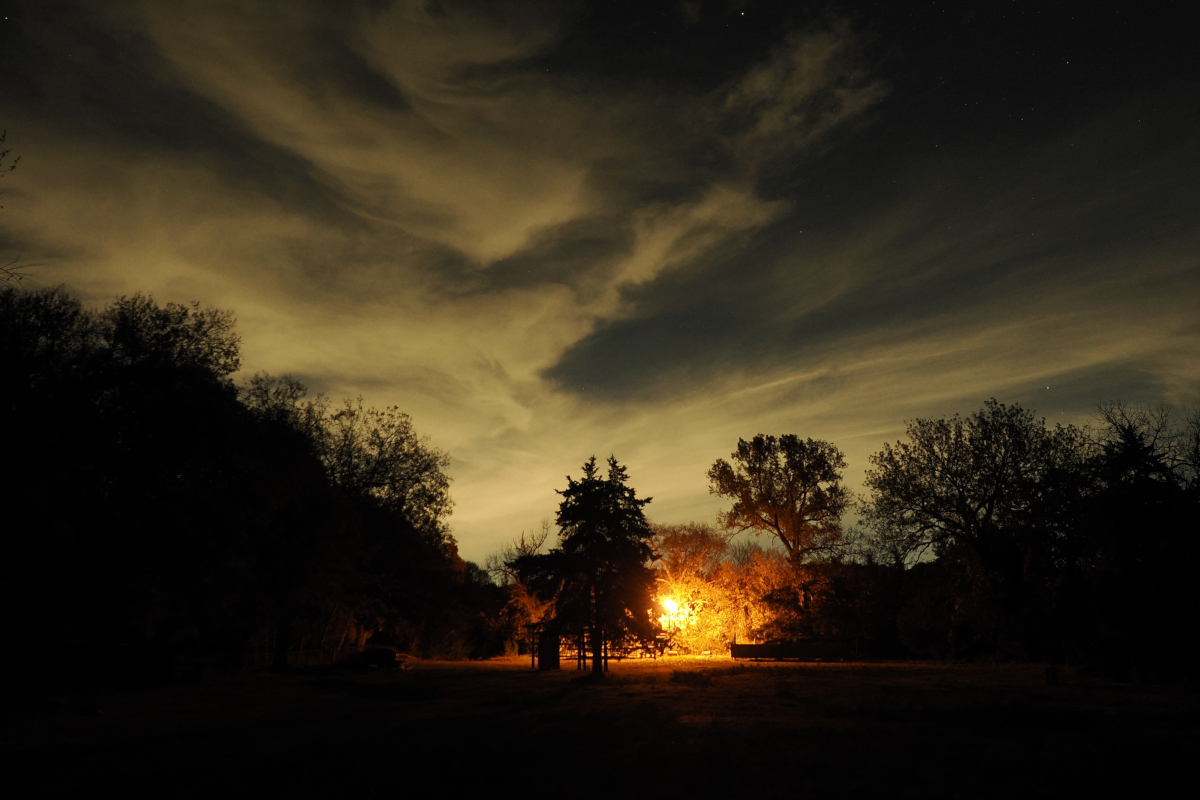
Toxic religion causes fear of death
Growing up in a fundamentalist Baptist church, I was very afraid of death. For all that I said the right things and did the right things – and at the time, truly believed the right things – the “born again” and “eternal security” promised by the preachers rang false. Even at a very young age, I understood the difference between knowing and believing in a way they did not.
It didn’t help that they taught that the vast majority of people – including many Christians – were going to hell. That, along with their insistence on reading Genesis literally, convinced me they had critical errors in their theology and that started me on the path that led to where I am today.
It would take many years and a lot of work before I was finally able to exorcise the tentacles of toxic religion from my soul. But I did the work, and I no longer fear death.
Do you fear death? Do you still have religious baggage you need to unpack?
We can be certain death is not bad
It is necessary to begin with what we know, what we don’t know, and what we will never know on this side of death. Last year I wrote A UU Pagan Looks at Death and Beyond. That was a Sunday service at Denton UU intended to present these concepts to a religiously diverse audience.
Perhaps there is an afterlife, perhaps there is reincarnation, perhaps there is both, or perhaps there is nothing. Or perhaps there is something we’ve never considered. We simply cannot say with any certainty.
What we can say with reasonable certainty is that hell and damnation is a human-created fiction, designed to satisfy our desire for justice in a world that often has none… and our desire to punish those who have harmed us. Or just annoyed us.
There is no reason to fear death. It may come at an inopportune time, but what awaits on the other side is at least neutral and likely positive.
There is reason to fear dying badly, but that’s a different question – one we need to address both individually and as a society.
If Professor Burge is right that “theology actually does matter” – and I think he is – then saying “I don’t know, but it won’t be bad” will only take us so far. We need a modern Pagan theology of death and the afterlife. As we approach death, we need to be able to say “I know we can’t know, but this is what I truly believe is coming.”
Good theology will help us move past our fear of death.
Our consciousness never dies
A good Pagan theology of death and what comes after begins with the animist principle that consciousness is independent of brain activity. And also, consciousness – not matter – is fundamental to life. We know our bodies will die and decay, but our consciousness – the essence of who and what we are – will remain. We have good reason to believe that we live on after death.
But what will that life be like?
As I write this, I feel the weight of my body in my chair. I feel the cool air circulating through the room. It’s not yet dinner time, but I’m starting to get hungry… and I know that if I go too long without eating I’ll get anxious and if I go longer my thinking will be impaired. Our experiences are mediated through our bodies.
Meditation and journeying give us a glimpse into what our experiences will be like when we no longer have bodies. These spiritual practices have real, demonstrative, this-world benefits, but they also have the benefit of preparing us for life after death. We know what to expect, because we’ve already experienced it.
Death is a process of transition
Death is not a point in time – there is no “moment of death.” Rather, death is a process. We can observe and measure this physically. Responsiveness declines. Heartbeat and breath slow and then stop. Brain activity ceases. Eventually, decay begins. While there are numerous examples of people who were declared dead and then came back to life, at some point that is no longer possible.
Death is also a spiritual process. People with near death experiences often report rising out of their bodies and observing activities from above. People who are near death speak of ancestors, angels, and even Gods coming to escort them into the afterlife.
We do not simply go to sleep here and wake up in the Otherworld. There is a journey from here to there. Meditation and journeying are practice for that journey. Do it now while you can come back (and must come back – the living belong in this world) so that when you do it when you can’t come back (at least, not quickly and easily) you’ll be familiar with the route and the markers.
And you won’t fear the process of death, because you will have experienced something very similar while you were alive.
We have things to do in the Otherworld
The Charge of the Goddess – which is not scripture but often functions in a similar way – speaks of “peace and freedom and reunion with those who have gone before.” That’s a beautiful way of expressing what most of us expect to experience once we’ve completed our transition into the next life.
But permanent vacation gets rather dull after a while. And no matter how long we live, there’s always something we didn’t do, didn’t experience, didn’t learn, didn’t build.
So yes, I expect a time of rest and reunion. And then I expect a time of review. What did I do well? What did I do poorly? What do I need to do better next time?
Some of this review will be difficult. Much of this life is difficult – why would you expect perpetual ease in the afterlife? There are things I’ve done I should not have done – not rules I broke but people I hurt. There are things I did not do that I should have done – times when I hurt others or myself through inaction, and also experiences I denied myself out of fear.
This is not hell… though it may feel like hell to those who have much to answer for. It’s not punishment – it’s honesty. It’s cause and effect. It’s learning from your mistakes so you don’t make them again next time.
At some point, the review will be over. And then it will be time to do the things we can do there but not here. I don’t know exactly what that is, but I believe it is intended for learning and growth.
And then it will be time to come back to this world and go back to work on the things we can only do here. I think some of us have some input into where and when we are reborn, but I do not think we get to choose all the details, and we certainly don’t sign up for specific suffering like some people claim.
We are immortal
The fear of death is caused by fear of the unknown. While it’s not healthy to dwell on death or to spend so much time thinking about the next life that you forget to live this life fully and completely, it is good and necessary to figure out what you belief and what you don’t. More specifically, meditation and journeying help familiarize us with the Otherworld and with the path from here to there.
The fear of death is caused by toxic religion. Unpack your religious baggage, learn to spot the lies, and learn to spot the truth. Theology matters – develop a good Pagan theology, especially around death and the Otherworld.
Someday our bodies will die, but the essence of who and what we are is immortal and will live on. We will leave the ordinary world and move into the Otherworld, the world of the Gods and ancestors. We will have a time of rest and reunion, and a time for review and for planning. And then we will return to this world to start the process over again.
Previous Post
November 19, 2025
7 Steps to a Successful Long-term Magical Working
Next Post

November 30, 2025 What It Means To Be A Pagan
Recent Comments
"I wonder if Francis encountered the devil? Not questioning he met something, but your point ..."
Pope Francis and The Devil – ..."
"I really do wish people would not use "mentally ill" when they mean "psychotic". Most ..."
Pope Francis and The Devil – ..."
"A thought form, a construct, a non-human entity, are what they are, despite my lack ..."
Pope Francis and The Devil – ..."
"Trans women are women, trans men are men, non-binary people are non-binary. Trans rights are ..."
Pagans And The Rise Of The ..."
Browse Our Archives
Select a Category Books Community CUUPS Druidry Foundations and Context Gods and Goddesses Magic Myth Nature Ritual Spiritual Practice Theology Travel Uncategorized Videos
Select a Month November 2026 October 2026 September 2026 August 2026 July 2026 June 2026 May 2026 April 2026 March 2026 February 2026 January 2026 December 2025 November 2025 October 2025 September 2025 August 2025 July 2025 June 2025 May 2025 April 2025 March 2025 February 2025 January 2025 December 2024 November 2024 October 2024 September 2024 August 2024 July 2024 June 2024 May 2024 April 2024 March 2024 February 2024 January 2024 December 2023 November 2023 October 2023 September 2023 August 2023 July 2023 June 2023 May 2023 April 2023 March 2023 February 2023 January 2023 December 2022 November 2022 October 2022 September 2022 August 2022 July 2022 June 2022 May 2022 April 2022 March 2022 February 2022 January 2022 December 2021 November 2021 October 2021 September 2021 August 2021 July 2021 June 2021 May 2021 April 2021 March 2021 February 2021 January 2021 December 2020 November 2020 October 2020 September 2020 August 2020 July 2020 June 2020 May 2020 April 2020 March 2020 February 2020 January 2020 December 2019 November 2019 October 2019 September 2019 August 2019 July 2019 June 2019 May 2019 April 2019 March 2019 February 2019 January 2019 December 2018 November 2018 October 2018 September 2018 August 2018 July 2018 June 2018 May 2018 April 2018 March 2018 February 2018 January 2018 December 2017 November 2017 October 2017 September 2017 August 2017 July 2017 June 2017 May 2017 April 2017 March 2017 February 2017 January 2017 December 2016 November 2016 October 2016 September 2016 August 2016 July 2016 June 2016 May 2016 April 2016 March 2016 February 2016 January 2016 December 2015 November 2015 October 2015 September 2015 August 2015 July 2015 June 2015 May 2015 April 2015 March 2015 February 2015 January 2015 December 2014 November 2014 October 2014 September 2014 August 2014 July 2014 June 2014 May 2014 April 2014 March 2014 February 2014 January 2014 December 2013 November 2013 October 2013 September 2013 August 2013 July 2013 June 2013 May 2013 April 2013 March 2013 February 2013 January 2013 December 2012 November 2012 October 2012 September 2012 August 2012 July 2012 June 2012 May 2012 April 2012 March 2012 February 2012 January 2012 December 2011 November 2011 October 2011 September 2011 August 2011 July 2011 June 2011 May 2011 April 2011 March 2011 February 2011 January 2011 December 2010 November 2010 October 2010 September 2010 August 2010 July 2010 June 2010 May 2010 April 2010 March 2010 February 2010 January 2010 December 2009 November 2009 October 2009 September 2009 August 2009 July 2009 June 2009 May 2009 April 2009 March 2009 February 2009 January 2009 December 2008 November 2008 October 2008 September 2008 August 2008 July 2008 June 2008
Follow Us!
TAKE THE
Religious Wisdom Quiz
How many sons did Jacob (Israel) have?
Select your answer to see how you score.
Ten Twelve Seven Nine
Related posts from John Beckett
Pope Francis and The Devil – A Pagan...

Pagans And The Rise Of The Religious Left
Why Halloween Is So Popular – And So...
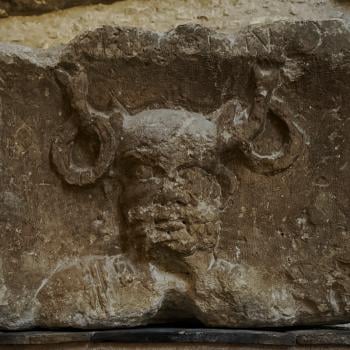
The Pillar of the Boatmen: the Ancient Monument...
TRENDING AT PATHEOS Pagan

The Darkening of the Sun, Moon, and Stars
The darkening of the sun and moon and the falling of stars...

Gratitude as the Parent of All Virtues
Giving thanks stems from gratitude. Cicero said that gratitude is the parent...

Make Thanksgiving Bring Family Closer
Written by Dr. David K. Ewen from Eternal Truth Bible College Start...

Ghosts, Spirits, and Wizards in Post-Puritan New England
As it is Thanksgiving, I have a seasonal post concerned with New...

Here are two Thanksgiving columns that I originally wrote for the...

Book III, Chapter 3: Christ "Classic" (Matt. 9:9-34)
Book III, Chapter 3: Christ "Classic" (Matt. 9:9-34) In honor of tomorrow's...
view all Pagan blogs
What Are Your Thoughts?leave a comment
Ad-Free & Subscriber Log-In Subscription Support
- About Us
- 2026 Calendar
- Videos
- Podcasts
- Library of World Religions
- Faith In Media Tracker
- Advertise With Us
- Write for Us
- Privacy Policy
- Terms of Service
- Do Not Sell My Data
- Contact Us
- Radiant Digital
- Manage Newsletter Subscriptions
- Unsubscribe From Notifications
- Sitemap
Copyright 2008-2026, Patheos, part of the Radiant Digital network of media brands. All rights reserved.
Subscription Support Ad-Free & Subscriber Log-In
Follow Patheos