
BuddhistCatholicContemplativeEvangelicalGeneral ChristianHinduJewishLatter-day SaintMuslimNew VisionsProgressive Christian
Beliefs
- Buddhist
- Catholic
- Contemplative
- Evangelical
- General Christian
- Hindu
- Jewish
- Latter-day Saint
- More Voices
- Muslim
- New Visions
- Pagan
- Progressive Christian
Topics
- Religion News
- Food and Religion
- Sports and Religion
- Religious Art
- Religious Music and Entertainment
- Religious Events
- History and Religion
- Style and Religion
- Politics and Religion
- Women in Religion
- Recreation Outdoors and Religion
- Business Finance and Religion
- Careers Workplace and Religion
- Education and Religion
- Family Parenting and Religion
- Health Fitness and Religion
- Home and Religion
- Relationships and Religion
- Technology and Religion
- Travel and Religion
Columnists
- Buddhist Columnists
- Business Finance and Religion Columnists
- Careers Workplace and Religion Columnists
- Catholic Columnists
- Contemplative Columnists
- Education and Religion Columnists
- Evangelists Columnists
- Family Parenting and Religion Columnists
- General Christian Columnists
- Health Fitness and Religion Columnists
- Hindu Columnists
- History and Religion Columnists
- Home and Religion Columnists
- Jewish Columnists
- More Voices Columnists
- Latter Day Columnists
- Muslim Columnists
- New Visions Columnists
- Nonreligious Columnists
- Pagan Columnists
- Politics and Religion Columnists
- Progressive Columnists
- Recreation Outdoors and Religion Columnists
- Relationships and Religion Columnists
- Religion News Columnists
- Religious Art Columnists
- Religious Events Columnists
- Religious Music and Entertainment Columnists
- Sports and Religion Columnists
- Style and Religion Columnists
- Technology and Religion Columnists
- Travel and Religion Columnists
- Women in Religion Columnists
Resource Library
- 2026 Calendar
- Library of World Religions
- The 100 Most Holy Places on Earth
- Patheos Answers
- Podcasts
- Videos
- Faith Leaders Database
- Anglican Episcopalian
- Bahai
- Baptist
- Buddhism
- Christianity
- Confucianism
- Eastern Orthodoxy
- Hinduism
- Holiness and Pentecostal
- ISKCON
- Islam
- Judaism
- Lutheran
- Methodist
- The Church of Jesus Christ of Latter-day Saints
- New Age
- Paganism
- Presbytarian and Reformed
- Protestantism
- Religion Behind the Scenes
- Roman Catholic
- Scientology
- Shia Islam
- Sikhism
- Sufism
- Sunni Islam
- Taoism
- Zen
- See all religions
Research Tools
 Ad-Free & Subscriber Log-In Subscription Support
Follow Patheos 

- Trending:
- Advent
- |
- Forgiveness
- |
- Thanksgiving
- |
- Election
- |
- Seasonal Holidays
- |
- Marriage

- Home
- Pagan
- Why Do People Break New Year’s Resolutions?
Why Do People Break New Year’s Resolutions?
Last updated on: December 11, 2022 at 3:00 am by John Beckett
Why Do People Break New Year’s Resolutions? 2022-12-06T19:54:10-06:00 John Beckett
Patheos Explore the world's faith through different perspectives on religion and spirituality! Patheos has the views of the prevalent religions and spiritualities of the world.
It’s getting to be that time of year.
I’m not talking about Winter Solstice, or Christmas, or Hanukkah, or even Festivus.
I’m talking about New Year’s Day and the fine old tradition of making New Year’s resolutions.
Which is usually followed by the equally old tradition of breaking New Year’s resolutions.
Why do we do this? Why do we resolve to do new things in the new year and then drop them before Imbolc gets here on February 1st?
Ultimately there are as many reasons as there are resolutioners. Here are five of the most common reasons people break New Year’s resolutions – and what we can do instead.

They resolve to do things that aren’t important to them
This is the most common reason people break their New Year’s resolutions – and I speak from personal experience. Many years of personal experience.
We resolve to do the things we think we want, the things society tells us we’re supposed to want – the things the evil sorcerers of the advertising world tell us will make us happy, if only we’ll buy what they’re selling.
The most common New Year’s resolutions are around health. People resolve to exercise more, ignoring the fact they hate most forms of exercise. They resolve to eat healthy, ignoring the fact they love rich foods – and the fact that healthy food is expensive, in both money and in time. They resolve to lose weight without considering if their weight has any real impact on their lives as they live them.
They set goals that deep down aren’t very important to them, so of course they abandon them the first chance they get.
What to do instead: begin a process to discern what you really want.
Spend time in meditation and contemplation. Practice divination. Don’t ask “what should I do?” (never give away your agency to a deck of cards or to the spirits that may or may not be behind them) but rather ask “what do I want?”
What makes you happy when you do it? Do more of it. Where do you want to be in the mid to long term future? Work toward it. What do you need to live a better life? Figure out a way to get it.
Resolve to do and be what you want, not what you’ve been told you’re supposed to want.

They never turn their resolutions into plans
Some people know what they want and make good, solid, meaningful resolutions.
And then they stop there. So either they never really get started, or they take a couple steps in the right direction and then lose sight of where they’re going.
Simply making a resolution doesn’t accomplish anything. “The power of intention” is useless without follow-up action.
And that works best with a plan.
What to do instead: set a specific goal and develop a realistic plan to reach it.
Health goals can be good goals… and sometimes necessary goals. But “I resolve to exercise more this year” is so vague as to be meaningless. “I resolve to exercise every day” is also vague, as well as unrealistic.
I’ve been walking a fair amount over the past few years (it’s a form of exercise I enjoy), but I’ve been very sporadic about it. This year I set a goal to walk for 20 minutes or more three days a week. My plan was to do a short walk early in the morning on the days when I’m working from home, and then a longer walk on the weekend. Mix in some mid-day walks when I can take a long lunch.
I may not hit that goal for the year as a whole (it’s going to be close). I had a really bad summer, and the Texas heat was only part of it. But I’m exceeding it now, and I’m feeling better than I have in several years. That’s a good thing.

They don’t anticipate difficulties and setbacks
Boxer Mike Tyson famously said “everybody’s got a plan till they get punched in the mouth.” Whatever your goal, whatever your plan, sooner or later you’re going to get punched in the mouth – hopefully only metaphorically.
What if you set an exercise goal and then you get injured? Or a travel goal and then unexpected house repairs wipe out your travel budget? Or a reading goal and then your paying job starts demanding constant overtime? If something interferes or interrupts it can create serious roadblocks to achieving your resolution – not to mention it’s disheartening.
What to do instead: consider what’s likely to interfere and decide how you’ll respond.
There’s certainly something to be said for positive thinking, and especially for not dwelling on the million and one things that might go wrong. But it’s worth giving some thought to the two or three or four things that are most likely to go wrong. And then when something does go wrong – because Murphy’s Law is still very much in force – you’re not surprised.
And you already know what to do.

They don’t review their plans until it’s too late
A goal is a destination. A plan is a roadmap to get there. Neither control your steering wheel. If you miss that left turn at Albuquerque you may find yourself a long way from where you want to be.
Our plans will always be imperfect, because we will never have perfect information and perfect foresight. The question is how much those imperfections will impact our journey. A slip-up that’s no big deal if it happens once can become a serious problem if it happens over and over again. A major error can take us further away from our goal instead of closer to it.
What to do instead: conduct regular reviews and make necessary adjustments.
You have a goal. You have a plan. The plan has intermediate steps and target dates for reaching them. On a regular basis, take a few minutes (it shouldn’t take longer than that) to pause, see how you’re doing, and determine if you’re still on track. If so, great – keep doing what you’ve been doing. If not, do something to get back on track.
How often do you need to review your progress? It depends on the nature of your goal and the steps on your plan, but for the kind of things that typically become New Year’s resolutions I’d say once a week for the first month or two, and then no less than once a month after that.
Regular reviews also keep your resolutions in the front of your mind, which keeps you from forgetting about them.

They act like New Year’s Day is magical
Why do we make resolutions at the new year? It’s traditional. But why is it traditional – what’s special about the new year?
There’s something emotionally appealing about new beginnings. But the fact is that while a year is an astronomical phenomenon, what day we select as the end of the old year and the beginning of the new year is completely arbitrary. There’s nothing magical about January 1st, and certainly nothing that would make this day more auspicious for making resolutions or setting goals than any other day.
What to do instead: incorporate real magic into your plan.
I’m a Pagan who practices magic according to a three-fold theory. Perhaps you’re skeptical – that’s OK. Even if you don’t believe in Gods and spirits and even if you believe there are no unseen forces we can manipulate, some magic works by psychological programming.
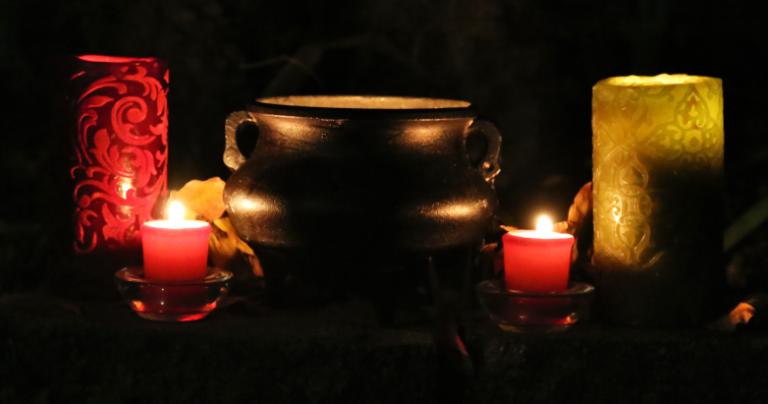
Begin the practice of visualizing your goal: see yourself doing the things you resolve to do and reaching the goals you resolve to reach. Light a candle with a color that corresponds to your goal. Create and repeat a series of affirmations that you have and are what you want to have and be. Plant some helpful seeds deep in your subconscious mind and let them grow.
You don’t have to raise and direct energy or draw and charge sigils or stir magical ingredients in a cauldron.
But you can.
What to do now
If you’re reading this when it’s first posted, you’re in great shape. You’ve got three weeks to meditate and contemplate and think about what goals you want to set for next year. Once you figure out what you want (as opposed to what you’ve been told you’re supposed to want) then you can create a plan to achieve it. You can think about what might go wrong and how you can work around it or through it. You can set up a schedule to review your progress on a regular basis and make any necessary adjustments.
If you’re reading this in February or March and you’re trying to figure out why you broke your New Year’s resolutions, don’t beat yourself up. You didn’t break your resolutions because you were weak or lacked “will power.” It’s certainly not because you were “sinful.” It’s highly likely you made one or more of the common errors listed here.
Figure out what went wrong. Think about how you can do better.
And remember you don’t have to wait till next January 1st to start again.
Previous Post

December 7, 2022
9 Ways to Facilitate Spiritual Experiences For Yourself
Next Post

December 14, 2022 The Liminal Zones of the Winter Solstice Season
Browse Our Archives
Select a Category Books Community CUUPS Druidry Foundations and Context Gods and Goddesses Magic Myth Nature Ritual Spiritual Practice Theology Travel Uncategorized Videos
Select a Month November 2026 October 2026 September 2026 August 2026 July 2026 June 2026 May 2026 April 2026 March 2026 February 2026 January 2026 December 2025 November 2025 October 2025 September 2025 August 2025 July 2025 June 2025 May 2025 April 2025 March 2025 February 2025 January 2025 December 2024 November 2024 October 2024 September 2024 August 2024 July 2024 June 2024 May 2024 April 2024 March 2024 February 2024 January 2024 December 2023 November 2023 October 2023 September 2023 August 2023 July 2023 June 2023 May 2023 April 2023 March 2023 February 2023 January 2023 December 2022 November 2022 October 2022 September 2022 August 2022 July 2022 June 2022 May 2022 April 2022 March 2022 February 2022 January 2022 December 2021 November 2021 October 2021 September 2021 August 2021 July 2021 June 2021 May 2021 April 2021 March 2021 February 2021 January 2021 December 2020 November 2020 October 2020 September 2020 August 2020 July 2020 June 2020 May 2020 April 2020 March 2020 February 2020 January 2020 December 2019 November 2019 October 2019 September 2019 August 2019 July 2019 June 2019 May 2019 April 2019 March 2019 February 2019 January 2019 December 2018 November 2018 October 2018 September 2018 August 2018 July 2018 June 2018 May 2018 April 2018 March 2018 February 2018 January 2018 December 2017 November 2017 October 2017 September 2017 August 2017 July 2017 June 2017 May 2017 April 2017 March 2017 February 2017 January 2017 December 2016 November 2016 October 2016 September 2016 August 2016 July 2016 June 2016 May 2016 April 2016 March 2016 February 2016 January 2016 December 2015 November 2015 October 2015 September 2015 August 2015 July 2015 June 2015 May 2015 April 2015 March 2015 February 2015 January 2015 December 2014 November 2014 October 2014 September 2014 August 2014 July 2014 June 2014 May 2014 April 2014 March 2014 February 2014 January 2014 December 2013 November 2013 October 2013 September 2013 August 2013 July 2013 June 2013 May 2013 April 2013 March 2013 February 2013 January 2013 December 2012 November 2012 October 2012 September 2012 August 2012 July 2012 June 2012 May 2012 April 2012 March 2012 February 2012 January 2012 December 2011 November 2011 October 2011 September 2011 August 2011 July 2011 June 2011 May 2011 April 2011 March 2011 February 2011 January 2011 December 2010 November 2010 October 2010 September 2010 August 2010 July 2010 June 2010 May 2010 April 2010 March 2010 February 2010 January 2010 December 2009 November 2009 October 2009 September 2009 August 2009 July 2009 June 2009 May 2009 April 2009 March 2009 February 2009 January 2009 December 2008 November 2008 October 2008 September 2008 August 2008 July 2008 June 2008
Follow Us!
TAKE THE
Religious Wisdom Quiz
What city is known as the birthplace of Jesus?
Select your answer to see how you score.
Galilee Bethlehem Nazareth Jerusalem
Related posts from John Beckett

Pagans And The Rise Of The Religious Left

Why Halloween Is So Popular – And So...

The Pillar of the Boatmen: the Ancient Monument...
TRENDING AT PATHEOS Pagan

Are You a Scrooge or an Ebenezer?
A Call to Remember As the Christmas season begins, will we remember...

Noah’s Ark Archaeologists: Gopher Wood or Should We...
Ancient wood, a boat-shaped formation and dates that invite a second look:...

Smart people saying smart things (11.24.26)
Please take time to listen to Perry Bacon, Sarah Posner, Adam Serwer,...

The Contingency of Our Technology
Last week we were hit with a raft of massive technology outages....

In 1939, President Franklin D. Roosevelt moved Thanksgiving from November 30 to...

Reasons for Restraint: Ricardo Gonzalez, Florida and Dec...
The Morning of January 3 I begin with the dead. On the...
view all Pagan blogs
Ad-Free & Subscriber Log-In Subscription Support
- About Us
- 2026 Calendar
- Videos
- Podcasts
- Library of World Religions
- Faith In Media Tracker
- Advertise With Us
- Write for Us
- Privacy Policy
- Terms of Service
- Do Not Sell My Data
- Contact Us
- Radiant Digital
- Manage Newsletter Subscriptions
- Unsubscribe From Notifications
- Sitemap
Copyright 2008-2026, Patheos, part of the Radiant Digital network of media brands. All rights reserved.
Subscription Support Ad-Free & Subscriber Log-In
Follow Patheos