
BuddhistCatholicContemplativeEvangelicalGeneral ChristianHinduJewishLatter-day SaintMuslimNew VisionsProgressive Christian
Beliefs
- Buddhist
- Catholic
- Contemplative
- Evangelical
- General Christian
- Hindu
- Jewish
- Latter-day Saint
- More Voices
- Muslim
- New Visions
- Pagan
- Progressive Christian
Topics
- Religion News
- Food and Religion
- Sports and Religion
- Religious Art
- Religious Music and Entertainment
- Religious Events
- History and Religion
- Style and Religion
- Politics and Religion
- Women in Religion
- Recreation Outdoors and Religion
- Business Finance and Religion
- Careers Workplace and Religion
- Education and Religion
- Family Parenting and Religion
- Health Fitness and Religion
- Home and Religion
- Relationships and Religion
- Technology and Religion
- Travel and Religion
Columnists
- Buddhist Columnists
- Business Finance and Religion Columnists
- Careers Workplace and Religion Columnists
- Catholic Columnists
- Contemplative Columnists
- Education and Religion Columnists
- Evangelists Columnists
- Family Parenting and Religion Columnists
- General Christian Columnists
- Health Fitness and Religion Columnists
- Hindu Columnists
- History and Religion Columnists
- Home and Religion Columnists
- Jewish Columnists
- More Voices Columnists
- Latter Day Columnists
- Muslim Columnists
- New Visions Columnists
- Nonreligious Columnists
- Pagan Columnists
- Politics and Religion Columnists
- Progressive Columnists
- Recreation Outdoors and Religion Columnists
- Relationships and Religion Columnists
- Religion News Columnists
- Religious Art Columnists
- Religious Events Columnists
- Religious Music and Entertainment Columnists
- Sports and Religion Columnists
- Style and Religion Columnists
- Technology and Religion Columnists
- Travel and Religion Columnists
- Women in Religion Columnists
Resource Library
- 2026 Calendar
- Library of World Religions
- The 100 Most Holy Places on Earth
- Patheos Answers
- Podcasts
- Videos
- Faith Leaders Database
- Anglican Episcopalian
- Bahai
- Baptist
- Buddhism
- Christianity
- Confucianism
- Eastern Orthodoxy
- Hinduism
- Holiness and Pentecostal
- ISKCON
- Islam
- Judaism
- Lutheran
- Methodist
- The Church of Jesus Christ of Latter-day Saints
- New Age
- Paganism
- Presbytarian and Reformed
- Protestantism
- Religion Behind the Scenes
- Roman Catholic
- Scientology
- Shia Islam
- Sikhism
- Sufism
- Sunni Islam
- Taoism
- Zen
- See all religions
Research Tools
 Ad-Free & Subscriber Log-In Subscription Support
Follow Patheos 

- Trending:
- Advent
- |
- Forgiveness
- |
- Thanksgiving
- |
- Election
- |
- Seasonal Holidays
- |
- Marriage

- Home
- Pagan
- Fighting Imposter Syndrome as a Pagan
Fighting Imposter Syndrome as a Pagan
Last updated on: February 7, 2021 at 3:00 am by John Beckett
Fighting Imposter Syndrome as a Pagan 2021-02-04T19:29:53-06:00 John Beckett
Patheos Explore the world's faith through different perspectives on religion and spirituality! Patheos has the views of the prevalent religions and spiritualities of the world.
Fellow Denton Pagan Linda Masten asked this:
What is imposter syndrome? How does it relate to religion generally, and Paganism specifically? What’s the cure?
Imposter syndrome is the self-doubt that what you do isn’t real or isn’t good enough – the fear that you don’t belong. It’s the feeling that you’re just faking it, and the fear that sooner or later someone is going to see through your charade and call you on it.
Here are two good articles on imposter syndrome. One is from the American Psychological Association. The other is from Psychology Today. That piece focuses on women, but it’s applicable to anyone.
At its core, imposter syndrome is a psychological phenomenon. If your problems with it are severe or persistent, you may want to consult a mental health professional – which I am not. But imposter syndrome in a religious setting is very common and rarely debilitating (though it can suck the joy out of our religious practices and experiences), plus I have both first and second hand experience in dealing with it. So I have some things to say about this that hopefully will be helpful. If this isn’t enough, you may want to see a professional.
There are two different ways imposter syndrome impacts our religious lives. The first is with doubts that the whole thing is real. The second is with doubts that we’re as good or as real as other people in our traditions and communities.

Imposter syndrome or ordinary doubts?
I’m not sure where imposter syndrome ends and ordinary doubts begin.
Our mainstream society is infected with the idea that religion is all about what you believe. That’s bad enough. Then fundamentalist Christianity insists you must believe that certain myths are literally true and that doubts are a sin. Meanwhile, militant atheists argue that since Christian myths aren’t literally true all religion is worthless.
That debate is a waste of time based on bad assumptions and we need not – and should not – participate in it. For most people throughout most of the world throughout most of history, religion was and is about what you do, who you are, and whose you are, not what you believe.
Most people go a lifetime without seeing a God with their physical eyes. In a society where religion is assumed to be literal, how could we not have doubts about Them?
Magic works by improving the odds, not by direct action. How can we ever be sure our magic really worked?
Nobody has proof. Most of us have experiences that lead us to believe these things are real, and a few of those experiences are strong enough they make it hard to doubt.
But not impossible. Not for me, and if they were being perfectly honest, not for the vast majority of deeply religious people across the religious spectrum.
It’s good to have these doubts. Doubts keep us humble. Doubts keep us honest.
Is it fraud to practice a religion when you aren’t sure the beliefs it teaches are true? Only if you think belief is the essence of religion.
And for Pagans – and pretty much everyone else besides fundamentalists – it isn’t.
If you feel like an imposter for practicing a religion you aren’t 100% sure is true, you’re playing by the rules of a different religion.
“Other people’s Paganism / witchcraft is so much more than mine”
This, I think, is more of a problem for most of us than the doubts discussed above. How can I be a real Pagan when I don’t do all the things I read about on the internet? How can I be a real polytheist when I’ve never had the ecstatic experiences some people talk about? How can I be a real witch when I don’t look like the Witches of Instagram?
Particularly with witchcraft (but also with our encounters with the Gods) we’re already influenced by what we see and read in movies and fiction. We know we can’t do things like that, but when we hear something that sounds a lot closer to it than anything we’ve ever done, we start to wonder if something is wrong with us.
It’s good to talk about our spiritual experiences – especially the strange ones. Most of us have them, but we suppress them or rationalize them away because we’re afraid of people thinking we’re crazy… or thinking that we’re lying. When one person shares their experiences, it reminds the rest of us that we’re not crazy – and we’re not alone.
But I don’t believe every story I hear. Sometimes the story is just too implausible. Sometimes the storyteller isn’t believable. Sometimes it sounds good, but then I do some divination and alarms start going off.
The more people make it about themselves – especially when they start talking about “gifts” and “bloodlines” stuff like that – the less I’m inclined to believe them. When they talk about how cool these things are and not about the responsibilities that come with them, I’m really inclined to think they’re making things up… or that they’re about to come crashing down when the reality of it all smacks them in the face.
Setting realistic expectations
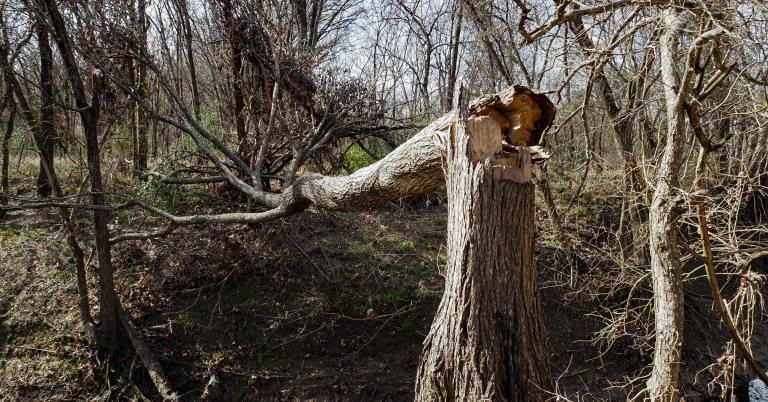
Even if what we hear from others is the absolute truth, it’s only a snapshot of a moment in someone’s life. The other 99% of the time their lives are as ordinary as anyone else’s. If we’re not careful we can judge our ordinary days by someone else’s once-a-year or once-in-a-lifetime days. That can lead to imposter syndrome.
Real religious experiences are usually subtle. Often they’re ineffable, not because it’s forbidden to speak of them but because they can’t be adequately expressed in words. If we set our expectations based on other people’s peak experiences – or worse, on the lies and exaggerations of egomaniacs – we can overlook the wonder and awe of Nature, the whispers of the Gods, or the tiny bit of magic that pushed us over the line from failure to success.
“I’m really a bad Pagan”
For some people, imposter syndrome is less about the experiences they do or don’t have and more about how they actually practice their religion. They’re left with the idea that all “real” Pagans know the current phase of moon at every moment or only eat organic food or do this or that practice on a regular basis.
A couple years ago Jason Mankey wrote Bad Witch: Things Other Witches Do That I Don’t. Jason would be the first to tell you he’s not the model for what a witch or a Wiccan or a Pagan should be, but if someone with his experience and knowledge doesn’t do all these things, why should any of us feel like we have to?
I frequently rant against the idea that Paganism is whatever you want it to be. The Pagan movement may not have hard boundaries, but some things are inside our Big Tent and some things aren’t. Still, there is no One True Way.
More than that, there is room in our religions for people at all levels of commitment and participation. My religion is not just for mystics and priests – it’s also for accountants and auto mechanics, for people who just want to honor the Gods and live virtuous ordinary lives.
We are not all called to do the same things. Our wider community is best served by participants from many walks of life, filling many roles, in many different ways.
Find your place, where ever it may be.
Focus on your practice
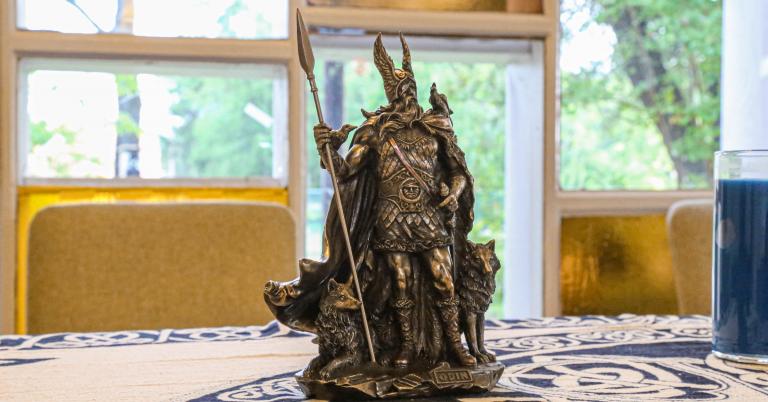
What’s the cure for imposter syndrome? For me, it’s a question of responsibilities. I’m responsible for doing what I’ve been called to do. Or if you prefer, I’m responsible for doing what I know I need to be doing, here and now.
That starts with daily spiritual practice. It includes my weekly, monthly, and seasonal devotions and celebrations. It’s writing about what I do and teaching what I know.
If someone else has deeper devotions, bigger rituals, or writes more books, good for them – that helps our wider movement. If I really want to be more like them, then I have to be willing to do what they do (writing books is hard!). And in some cases they may have talents and abilities I simply don’t have. I’ve made myself into a good speaker, but I’m never going to be a great speaker – I don’t have the natural talent for it.
A successful religious movement needs people filling many roles at many levels of expertise and commitment. They are all necessary and beneficial, and they’re all real.
If it helps, it’s real
Is all of this real? Am I a real Pagan and a real Druid? Am I as valid as the people I look up to? If you give me enough whiskey to remove all my inhibitions, my answer will be “I don’t know.”
But here’s what I do know. My experiences are real. My magic works well enough and often enough that I keep doing it because it helps.
Mainly, my life is orders of magnitude better since I started following this Pagan path. My desire to keep following this path and to take it farther and deeper is greater than my fear of feeling like I’m faking it all.
It helps. That makes it all real enough for me.
Watch “The Fraud Police”
This video is musician Amanda Palmer’s 11-minute commencement speech to The New England Institute of Art in 2011. Whatever you think of Amanda Palmer as a musician or as a performance artist, she is 100% right in this speech. I watch it at least once a year – it’s the best “urgent care” for imposter syndrome I’ve ever found.
Previous Post

February 4, 2021
Dealing With Troublesome Leaders
Next Post

February 9, 2021 When the Teacher is Ready the Students Will Appear
Browse Our Archives
Select a Category Books Community CUUPS Druidry Foundations and Context Gods and Goddesses Magic Myth Nature Ritual Spiritual Practice Theology Travel Uncategorized Videos
Select a Month November 2026 October 2026 September 2026 August 2026 July 2026 June 2026 May 2026 April 2026 March 2026 February 2026 January 2026 December 2025 November 2025 October 2025 September 2025 August 2025 July 2025 June 2025 May 2025 April 2025 March 2025 February 2025 January 2025 December 2024 November 2024 October 2024 September 2024 August 2024 July 2024 June 2024 May 2024 April 2024 March 2024 February 2024 January 2024 December 2023 November 2023 October 2023 September 2023 August 2023 July 2023 June 2023 May 2023 April 2023 March 2023 February 2023 January 2023 December 2022 November 2022 October 2022 September 2022 August 2022 July 2022 June 2022 May 2022 April 2022 March 2022 February 2022 January 2022 December 2021 November 2021 October 2021 September 2021 August 2021 July 2021 June 2021 May 2021 April 2021 March 2021 February 2021 January 2021 December 2020 November 2020 October 2020 September 2020 August 2020 July 2020 June 2020 May 2020 April 2020 March 2020 February 2020 January 2020 December 2019 November 2019 October 2019 September 2019 August 2019 July 2019 June 2019 May 2019 April 2019 March 2019 February 2019 January 2019 December 2018 November 2018 October 2018 September 2018 August 2018 July 2018 June 2018 May 2018 April 2018 March 2018 February 2018 January 2018 December 2017 November 2017 October 2017 September 2017 August 2017 July 2017 June 2017 May 2017 April 2017 March 2017 February 2017 January 2017 December 2016 November 2016 October 2016 September 2016 August 2016 July 2016 June 2016 May 2016 April 2016 March 2016 February 2016 January 2016 December 2015 November 2015 October 2015 September 2015 August 2015 July 2015 June 2015 May 2015 April 2015 March 2015 February 2015 January 2015 December 2014 November 2014 October 2014 September 2014 August 2014 July 2014 June 2014 May 2014 April 2014 March 2014 February 2014 January 2014 December 2013 November 2013 October 2013 September 2013 August 2013 July 2013 June 2013 May 2013 April 2013 March 2013 February 2013 January 2013 December 2012 November 2012 October 2012 September 2012 August 2012 July 2012 June 2012 May 2012 April 2012 March 2012 February 2012 January 2012 December 2011 November 2011 October 2011 September 2011 August 2011 July 2011 June 2011 May 2011 April 2011 March 2011 February 2011 January 2011 December 2010 November 2010 October 2010 September 2010 August 2010 July 2010 June 2010 May 2010 April 2010 March 2010 February 2010 January 2010 December 2009 November 2009 October 2009 September 2009 August 2009 July 2009 June 2009 May 2009 April 2009 March 2009 February 2009 January 2009 December 2008 November 2008 October 2008 September 2008 August 2008 July 2008 June 2008
Follow Us!
TAKE THE
Religious Wisdom Quiz
How many children did Job lose in the disasters at the beginning of the book?
Select your answer to see how you score.
Ten Twelve Five Seven
Related posts from John Beckett

Pagans And The Rise Of The Religious Left
Why Halloween Is So Popular – And So...
The Pillar of the Boatmen: the Ancient Monument...
TRENDING AT PATHEOS Pagan

Demmed if it do and demmed if it...
"First Presidency Announces Salt Lake Temple Rededication Date" Apropos of that,...

Stop Making Thanksgiving Problematic And Just Give Thanks
“What if, today, we were grateful for everything?” –Charlie Brown I...

Sunday Readings: Stay Awake and Hope
The First Sunday of Advent begins a new liturgical year, and the...

Are You a Scrooge or an Ebenezer?
A Call to Remember As the Christmas season begins, will we remember...

Noah’s Ark Archaeologists: Gopher Wood or Should We...
Ancient wood, a boat-shaped formation and dates that invite a second look:...

Smart people saying smart things (11.24.26)
Please take time to listen to Perry Bacon, Sarah Posner, Adam Serwer,...
view all Pagan blogs
Ad-Free & Subscriber Log-In Subscription Support
- About Us
- 2026 Calendar
- Videos
- Podcasts
- Library of World Religions
- Faith In Media Tracker
- Advertise With Us
- Write for Us
- Privacy Policy
- Terms of Service
- Do Not Sell My Data
- Contact Us
- Radiant Digital
- Manage Newsletter Subscriptions
- Unsubscribe From Notifications
- Sitemap
Copyright 2008-2026, Patheos, part of the Radiant Digital network of media brands. All rights reserved.
Subscription Support Ad-Free & Subscriber Log-In
Follow Patheos