
BuddhistCatholicContemplativeEvangelicalGeneral ChristianHinduJewishLatter-day SaintMuslimNew VisionsProgressive Christian
Beliefs
- Buddhist
- Catholic
- Contemplative
- Evangelical
- General Christian
- Hindu
- Jewish
- Latter-day Saint
- More Voices
- Muslim
- New Visions
- Pagan
- Progressive Christian
Topics
- Religion News
- Food and Religion
- Sports and Religion
- Religious Art
- Religious Music and Entertainment
- Religious Events
- History and Religion
- Style and Religion
- Politics and Religion
- Women in Religion
- Recreation Outdoors and Religion
- Business Finance and Religion
- Careers Workplace and Religion
- Education and Religion
- Family Parenting and Religion
- Health Fitness and Religion
- Home and Religion
- Relationships and Religion
- Technology and Religion
- Travel and Religion
Columnists
- Buddhist Columnists
- Business Finance and Religion Columnists
- Careers Workplace and Religion Columnists
- Catholic Columnists
- Contemplative Columnists
- Education and Religion Columnists
- Evangelists Columnists
- Family Parenting and Religion Columnists
- General Christian Columnists
- Health Fitness and Religion Columnists
- Hindu Columnists
- History and Religion Columnists
- Home and Religion Columnists
- Jewish Columnists
- More Voices Columnists
- Latter Day Columnists
- Muslim Columnists
- New Visions Columnists
- Nonreligious Columnists
- Pagan Columnists
- Politics and Religion Columnists
- Progressive Columnists
- Recreation Outdoors and Religion Columnists
- Relationships and Religion Columnists
- Religion News Columnists
- Religious Art Columnists
- Religious Events Columnists
- Religious Music and Entertainment Columnists
- Sports and Religion Columnists
- Style and Religion Columnists
- Technology and Religion Columnists
- Travel and Religion Columnists
- Women in Religion Columnists
Resource Library
- 2026 Calendar
- Library of World Religions
- The 100 Most Holy Places on Earth
- Patheos Answers
- Podcasts
- Videos
- Faith Leaders Database
- Anglican Episcopalian
- Bahai
- Baptist
- Buddhism
- Christianity
- Confucianism
- Eastern Orthodoxy
- Hinduism
- Holiness and Pentecostal
- ISKCON
- Islam
- Judaism
- Lutheran
- Methodist
- The Church of Jesus Christ of Latter-day Saints
- New Age
- Paganism
- Presbytarian and Reformed
- Protestantism
- Religion Behind the Scenes
- Roman Catholic
- Scientology
- Shia Islam
- Sikhism
- Sufism
- Sunni Islam
- Taoism
- Zen
- See all religions
Research Tools
 Ad-Free & Subscriber Log-In Subscription Support
Follow Patheos 

- Trending:
- Advent
- |
- Forgiveness
- |
- Thanksgiving
- |
- Election
- |
- Seasonal Holidays
- |
- Marriage

- Home
- Pagan
- Rebooting Stale Devotion
Rebooting Stale Devotion
Last updated on: January 5, 2021 at 3:00 am by John Beckett
Rebooting Stale Devotion 2020-12-29T14:41:08-06:00 John Beckett
Patheos Explore the world's faith through different perspectives on religion and spirituality! Patheos has the views of the prevalent religions and spiritualities of the world.
Of the 8 Important Events and Trends in Paganism in 2020 the one that got the most feedback – by far – was #8: the decline of devotion.
A few people were surprised. They’ve kept doing their devotions and hadn’t noticed that people weren’t writing much about them. Several offered explanations – I think they all have a piece of the puzzle. Many simply expressed sadness and wondered what we can do about it. My response was this:
All I can do – and I’m starting to think, all anyone can do – is to do the devotion you’re called to do. And then write about it, in a “here’s what I’m doing” way (not in a “look at me – I’m so pious” way). And then either people will respond, or they won’t.
I’m going to try to do more of that this year. And I want to start here, with the realization that sometimes devotion gets stale. Sometimes our devotion needs a reboot.
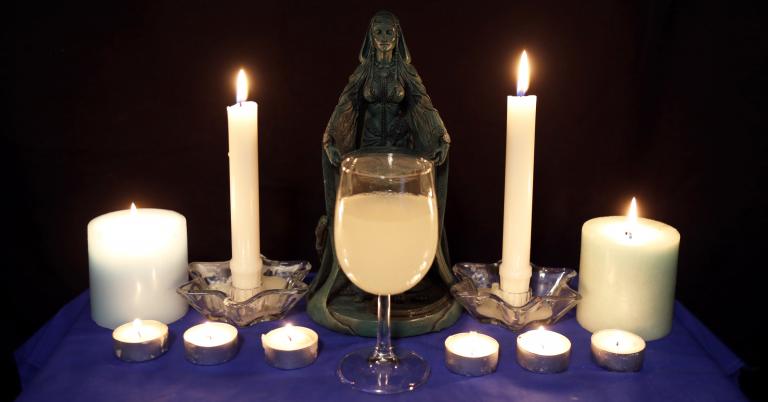
Devotion is forming and maintaining sacred relationships
If you’re a regular reader this isn’t news to you. But for the benefit of those who just found this blog, I need to be clear that devotion isn’t something we do just because we’re told to do it. It has a purpose, and it has benefits.
The purpose of devotion is to help us form and maintain relationships with our Gods, our ancestors, the spirits of the places where we live, and other spiritual persons. We know from our this-world relationships that if you ignore people, eventually they go away. We don’t want our spiritual allies to go away. Devotion demonstrates a commitment to them and makes it far more likely that our relationships will grow and thrive.
Devotion to our Gods brings us closer to Them. It reminds us of Their virtues and values, which help us to become more God-like ourselves.
My three primary devotional practices
If you’re wondering how to start a devotional practice, read this post from 2016: Beginning a Devotional Practice. There are many ways to do devotion – these are my three primary practices.
Prayer is talking to the Gods. It can be carefully scripted or it can be spontaneous. It includes asking for what we need and giving thanks for what we receive. Prayer has always been a part of my life, but almost 10 years ago I started offering regular prayers four times each day. Prayer remains the cornerstone of my spiritual practice.
Meditation is listening for the Gods. If we call, They will usually answer. But those answers are rarely loud and dramatic. Most times they’re soft and subtle – they’re easy to miss if we aren’t paying attention. Meditation is hard for me, but I’ve made it a weekly practice for Cernunnos, the Morrigan, my ancestors, and another person I’m not allowed to name.
Offerings are how we practice good hospitality and reciprocity. I’m often asked “what’s a good offering for this particular deity?” Occasionally I’m told to make a specific offering, but most times it’s “I’ll have what you’re having.” Unless what I’m having is a whiskey I bought on someone else’s recommendation, didn’t really like, and I’m trying to drink it up. If you’re trying to get rid of it, it’s not an offering.
There are many other devotional practices – these are the three that are most important for me.
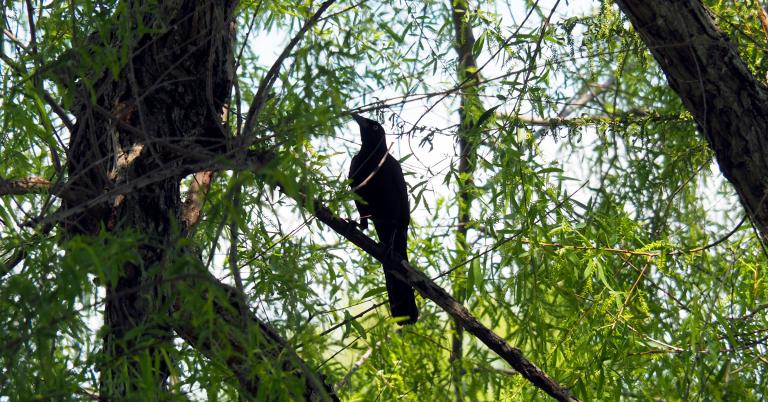
It’s OK if your devotion gets stale
Do you know what it means if your devotion gets stale? It means you’ve been doing devotion regularly and diligently even when you didn’t feel like doing it. And that’s a good thing.
I know people who say “if you can’t do it with enthusiasm don’t do it.” I strongly disagree.
If you’re a parent, you feed your kids every night. Sometimes you make an amazingly tasty and balanced meal. Sometimes you give them a sandwich and an apple. And sometime you give them McDonald’s drive-thru, because you’re exhausted and that’s all you can do. But you never don’t feed your kids.
Devotion is something we do whether we feel like it or not. One of the Top 10 Posts of 2020 was The Morrigan Demands Persistence Not Perfection. This is true of most deities, not just the Morrigan.
But just as it’s not good to give your kids McDonald’s drive-thru on a regular basis, neither is it good to go through the motions of devotion night after night, week after week, month after month.
So while it’s OK if your devotion gets stale, it’s not OK to let it stay stale.
Perform three special meditations
It’s tempting to tell yourself you just need to try harder. Or that everything will be OK when the pandemic is over and things get back to normal (we will never get back to “normal” – but that’s another post for another time). I encourage you to take the time to delve into the staleness and figure out what to do next.
The first meditation simply asks “why did you start your devotional practice?” Was it a mystical experience? A story that grabbed your attention? Curiosity about what might happen? Whatever it was, remember why you started, how you started, and what things were like when you did. This is a meditation, not an analysis – it’s OK if your answers are more images and feelings than hard reasons.
The second meditation asks “why did it get stale?” When the answer comes to you, ask “why did that happen?” Keep asking “why?” until you get past the surface reasons and into the deep reasons. When you get there, then ask “why else?” and start the process over again. There’s never one reason a spiritual practice grows stale. Keep digging until you find them all. But make sure you focus on what happened, not on blame. This isn’t about guilt. This is about figuring out what went wrong so you can do something different.

The third meditation asks “what do I do now?” Einstein didn’t say it, but if you keep doing the same things you’re likely to get the same results. “Try harder” is what you’ve been doing – it’s why your devotion is stale instead of non-existent. You need a different approach. Sit quietly (or walk outdoors, which works better for me) and listen until the answer or answers come to you.
It’s possible to do all three meditations one after the other, but it’s best if you do them on three consecutive nights. Do the meditation, make notes, clear your mind, sleep on it, then review your notes the next morning. What is unclear in meditation may become clear in dreams. Then do the next meditation that evening.
Mix up something
The easiest way to reboot something stale – devotional or otherwise – is to mix things up.
Have you been making offerings in the evenings? Make them at dawn instead. Praying at your altar? Go outside and pray. Stuck on red wine for the Morrigan? Try whiskey, or better yet, offer a portion of your dinner.
What if you can’t change what you’re doing? What if you’ve been told to perform specific devotions in specific ways, without fail? Then add something new. Make two offerings instead of one. Add a noon prayer to your evening meditation. While most deities are patient with beginners, they often become more demanding with intermediate and advanced practitioners. But I’ve never known any person – divine or otherwise – who got upset at receiving more devotion.
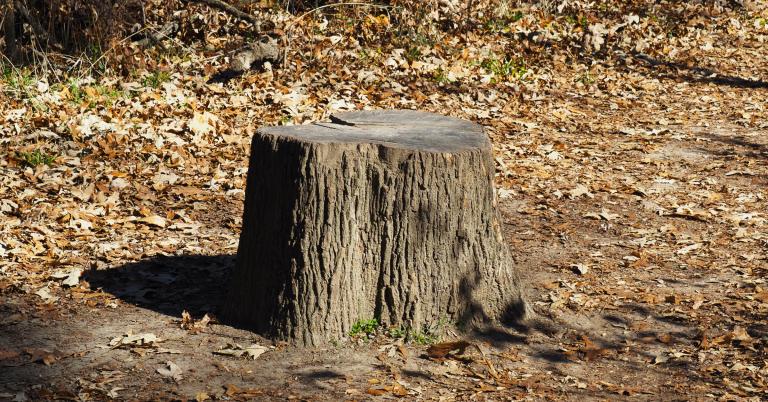
Plan and perform a ritual
Sometimes just breaking a stale routine isn’t enough. Sometimes you need a full restart. If that’s where you are, it’s time for a major ritual.
Do not try to wing this. Take the time to write a full script, whether you ultimately read the script, memorize the script, or use the script as an outline. Wear your good robe and jewelry, set an altar, light candles. Sometimes I say “it’s just me – I don’t need a bunch of ritual props.” For this ritual you do.
Use your full liturgy: cast a circle and call the quarters, if that’s what you do. Invite your spiritual allies to witness your rite. Acknowledge the good you’ve done in previous devotion, even if it’s incomplete, and even if your devotions have gone from stale to non-existent. This is not the place to “confess your sins” – you’ve done the best you could.
Say what you want, such as “I want my devotions to be full of life again.” Even if you didn’t do the best you could, you’re not asking for forgiveness – you’re beginning the process of doing better.
And then do it, as part of the ritual.
Pray. Find prayers of devotion that speak to you. If you can’t find ones you like, write your own. Make offerings – be generous, even extravagant. You can be extravagant with your Gods every so often. And then listen for Their response.
When it’s over, say what you will do going forward… and as always, do not promise what you cannot or will not do.
Pour yourself a drink (of whatever you’ve been offering, or just water) and share it with all those present. Then close the ritual in your normal method.
When I’ve done rituals like this I’ve done them alone. Doing them with other living humans adds witnesses, which adds an element of accountability. Either way will work – decide which is best for you.
Persistence is a virtue
The fact that you recognize your devotions have gotten stale is the first step toward revitalizing them. Stale devotion is better than no devotion, but so much more is possible.
Meditate on your devotions, how things got stale, and what you can go to reboot them. Mix things up. Perform a devotional ritual.
And then keep it up.
May your devotions draw you closer to your Gods and other spiritual allies in the coming year.
Previous Post

January 3, 2021
Building a Place Where We Belong
Next Post

January 8, 2021 The End of The Chilling Adventures of Sabrina
Browse Our Archives
Select a Category Books Community CUUPS Druidry Foundations and Context Gods and Goddesses Magic Myth Nature Ritual Spiritual Practice Theology Travel Uncategorized Videos
Select a Month November 2026 October 2026 September 2026 August 2026 July 2026 June 2026 May 2026 April 2026 March 2026 February 2026 January 2026 December 2025 November 2025 October 2025 September 2025 August 2025 July 2025 June 2025 May 2025 April 2025 March 2025 February 2025 January 2025 December 2024 November 2024 October 2024 September 2024 August 2024 July 2024 June 2024 May 2024 April 2024 March 2024 February 2024 January 2024 December 2023 November 2023 October 2023 September 2023 August 2023 July 2023 June 2023 May 2023 April 2023 March 2023 February 2023 January 2023 December 2022 November 2022 October 2022 September 2022 August 2022 July 2022 June 2022 May 2022 April 2022 March 2022 February 2022 January 2022 December 2021 November 2021 October 2021 September 2021 August 2021 July 2021 June 2021 May 2021 April 2021 March 2021 February 2021 January 2021 December 2020 November 2020 October 2020 September 2020 August 2020 July 2020 June 2020 May 2020 April 2020 March 2020 February 2020 January 2020 December 2019 November 2019 October 2019 September 2019 August 2019 July 2019 June 2019 May 2019 April 2019 March 2019 February 2019 January 2019 December 2018 November 2018 October 2018 September 2018 August 2018 July 2018 June 2018 May 2018 April 2018 March 2018 February 2018 January 2018 December 2017 November 2017 October 2017 September 2017 August 2017 July 2017 June 2017 May 2017 April 2017 March 2017 February 2017 January 2017 December 2016 November 2016 October 2016 September 2016 August 2016 July 2016 June 2016 May 2016 April 2016 March 2016 February 2016 January 2016 December 2015 November 2015 October 2015 September 2015 August 2015 July 2015 June 2015 May 2015 April 2015 March 2015 February 2015 January 2015 December 2014 November 2014 October 2014 September 2014 August 2014 July 2014 June 2014 May 2014 April 2014 March 2014 February 2014 January 2014 December 2013 November 2013 October 2013 September 2013 August 2013 July 2013 June 2013 May 2013 April 2013 March 2013 February 2013 January 2013 December 2012 November 2012 October 2012 September 2012 August 2012 July 2012 June 2012 May 2012 April 2012 March 2012 February 2012 January 2012 December 2011 November 2011 October 2011 September 2011 August 2011 July 2011 June 2011 May 2011 April 2011 March 2011 February 2011 January 2011 December 2010 November 2010 October 2010 September 2010 August 2010 July 2010 June 2010 May 2010 April 2010 March 2010 February 2010 January 2010 December 2009 November 2009 October 2009 September 2009 August 2009 July 2009 June 2009 May 2009 April 2009 March 2009 February 2009 January 2009 December 2008 November 2008 October 2008 September 2008 August 2008 July 2008 June 2008
Follow Us!
TAKE THE
Religious Wisdom Quiz
How many years did Solomon's temple construction take?
Select your answer to see how you score.
6 years 5 years 7 years 10 years
Related posts from John Beckett

Pagans And The Rise Of The Religious Left

Why Halloween Is So Popular – And So...

The Pillar of the Boatmen: the Ancient Monument...
TRENDING AT PATHEOS Pagan

Demmed if it do and demmed if it...
"First Presidency Announces Salt Lake Temple Rededication Date" Apropos of that,...

Stop Making Thanksgiving Problematic And Just Give Thanks
“What if, today, we were grateful for everything?” –Charlie Brown I...

Sunday Readings: Stay Awake and Hope
The First Sunday of Advent begins a new liturgical year, and the...

Are You a Scrooge or an Ebenezer?
A Call to Remember As the Christmas season begins, will we remember...

Noah’s Ark Archaeologists: Gopher Wood or Should We...
Ancient wood, a boat-shaped formation and dates that invite a second look:...

Smart people saying smart things (11.24.26)
Please take time to listen to Perry Bacon, Sarah Posner, Adam Serwer,...
view all Pagan blogs
Ad-Free & Subscriber Log-In Subscription Support
- About Us
- 2026 Calendar
- Videos
- Podcasts
- Library of World Religions
- Faith In Media Tracker
- Advertise With Us
- Write for Us
- Privacy Policy
- Terms of Service
- Do Not Sell My Data
- Contact Us
- Radiant Digital
- Manage Newsletter Subscriptions
- Unsubscribe From Notifications
- Sitemap
Copyright 2008-2026, Patheos, part of the Radiant Digital network of media brands. All rights reserved.
Subscription Support Ad-Free & Subscriber Log-In
Follow Patheos