
BuddhistCatholicContemplativeEvangelicalGeneral ChristianHinduJewishLatter-day SaintMuslimNew VisionsProgressive Christian
Beliefs
- Buddhist
- Catholic
- Contemplative
- Evangelical
- General Christian
- Hindu
- Jewish
- Latter-day Saint
- More Voices
- Muslim
- New Visions
- Pagan
- Progressive Christian
Topics
- Religion News
- Food and Religion
- Sports and Religion
- Religious Art
- Religious Music and Entertainment
- Religious Events
- History and Religion
- Style and Religion
- Politics and Religion
- Women in Religion
- Recreation Outdoors and Religion
- Business Finance and Religion
- Careers Workplace and Religion
- Education and Religion
- Family Parenting and Religion
- Health Fitness and Religion
- Home and Religion
- Relationships and Religion
- Technology and Religion
- Travel and Religion
Columnists
- Buddhist Columnists
- Business Finance and Religion Columnists
- Careers Workplace and Religion Columnists
- Catholic Columnists
- Contemplative Columnists
- Education and Religion Columnists
- Evangelists Columnists
- Family Parenting and Religion Columnists
- General Christian Columnists
- Health Fitness and Religion Columnists
- Hindu Columnists
- History and Religion Columnists
- Home and Religion Columnists
- Jewish Columnists
- More Voices Columnists
- Latter Day Columnists
- Muslim Columnists
- New Visions Columnists
- Nonreligious Columnists
- Pagan Columnists
- Politics and Religion Columnists
- Progressive Columnists
- Recreation Outdoors and Religion Columnists
- Relationships and Religion Columnists
- Religion News Columnists
- Religious Art Columnists
- Religious Events Columnists
- Religious Music and Entertainment Columnists
- Sports and Religion Columnists
- Style and Religion Columnists
- Technology and Religion Columnists
- Travel and Religion Columnists
- Women in Religion Columnists
Resource Library
- 2026 Calendar
- Library of World Religions
- The 100 Most Holy Places on Earth
- Patheos Answers
- Podcasts
- Videos
- Faith Leaders Database
- Anglican Episcopalian
- Bahai
- Baptist
- Buddhism
- Christianity
- Confucianism
- Eastern Orthodoxy
- Hinduism
- Holiness and Pentecostal
- ISKCON
- Islam
- Judaism
- Lutheran
- Methodist
- The Church of Jesus Christ of Latter-day Saints
- New Age
- Paganism
- Presbytarian and Reformed
- Protestantism
- Religion Behind the Scenes
- Roman Catholic
- Scientology
- Shia Islam
- Sikhism
- Sufism
- Sunni Islam
- Taoism
- Zen
- See all religions
Research Tools
 Ad-Free & Subscriber Log-In Subscription Support
Ad-Free & Subscriber Log-In Subscription Support
Follow Patheos 

- Trending:
- Forgiveness
- |
- Marriage
- |
- Consciousness
- |
- Death Penalty
- |
- Election
- |
- Halloween

- Home
- Pagan
- The Pagan Benefits of Mainstream Studies
The Pagan Benefits of Mainstream Studies
Last updated on: August 27, 2020 at 6:33 am by John Beckett
The Pagan Benefits of Mainstream Studies 2020-08-27T06:33:43-06:00 John Beckett
Patheos Explore the world's faith through different perspectives on religion and spirituality! Patheos has the views of the prevalent religions and spiritualities of the world.
If Jews, Christians, and Muslims are the People of the Book, Pagans are the People of the Library. On one level this means we have many sources, not one sacred text. But on a deeper level, it’s a reminder that good religion isn’t just proverbs to be memorized or rules to be obeyed—it’s who we are, what we are, and whose we are. Perhaps surface-level Paganism can be something we turn on when the moon is full and turn off the rest of the month, but deep Paganism is something we live day in and day out. That means it has roots not just in theology but in all the arts and sciences. There is much we can learn from mainstream scholarship.
There is one caveat to this approach. The vast majority of academic resources are written from a nontheistic and materialistic viewpoint. If you’re not sure what this means, go back and read “Facts and Reason: Avoiding Materialist Assumptions” again. Let the experts tell you the facts, but you should decide what they mean.
Most of our Pagan traditions have roots in the beliefs and practices of our ancient ancestors, so start by reading history. Who were the Celts, or the Greeks, or the Egyptians? Where did they come from? How did their culture arise? How did it change over time? Remember: the last pharaoh of Egypt is closer in time to us than to the first pharaoh by a thousand years. While ancient cultures did not change at the rate ours is changing, none of them were fixed, particularly those which lasted for centuries.
As well, don’t ignore more recent history. As Welsh Druid Kristoffer Hughes likes to say, “We’re still here.” The ancestral religion of the Welsh has been affected by the Romans and the English, and by the domination of Christianity. But the stories are still there, the language is still there, and perhaps most importantly, the land is still there.
History requires records, which are hard to come by in eras before writing. Archaeology and anthropology can tell us some things about how our ancient ancestors lived. It can’t give us definitive answers: was Venus of Willendorf (from about 30,000 years ago) a devotional statue of a mother goddess, a self-portrait of a woman, or a child’s toy? We don’t know. But these studies can give us evidence from which we can draw our own conclusions.
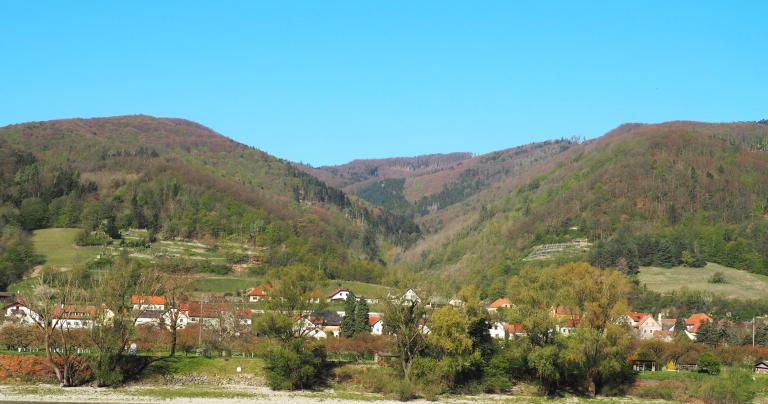
Willendorf, Austria
Languages
A different language isn’t just a different set of words, it’s a different grammar, different idioms, and ultimately a different way of thinking. Learning languages allows you to read source materials for yourself rather than rely on translators who may have biases very different from your own. Learning a new language (whether living or dead—Old Irish is not the same as Modern Irish) is a major commitment. I personally haven’t done it; I’ve put my study time elsewhere. But there is no better way to get into the heads of writers than to learn their language.
Religious studies
This is a field many Pagans overlook. It’s the systematic study of religion: what people believe, what they practice, and why. The field attempts to make its observations objectively, but “objectively” often incorrectly assumes “nontheistically.” Still, the facts and theories that come out of religious studies can help us understand our own religion and the religions of others. As with other disciplines, we can use the expertise of religious scholars to find the facts we’d otherwise miss and then use our own perspective and judgement to figure out what they mean.
The sciences
Though this is a book of deity-centered Paganism (not nature-centered Paganism), there is still much we can learn from biology, chemistry, physics, and other “hard sciences.” Where were the stars when Göbekli Tepe was first built? Where did melting glaciers at the beginning of the current interglacial period cause sudden and catastrophic flooding, and lead the creation of flood myths? How do the societies of our closest primate relatives differ from ours, and what does that mean for our understanding of the prehuman ancestors we all share?
As always, beware of assuming science “proves” something just because there’s evidence that supports it, and be especially leery of anyone who invokes quantum physics, which is a highly technical field that few outsiders understand. And be wary of making science the final arbiter of what is and isn’t true. Science does a great job of finding facts but is poorly equipped to tell us what those facts mean in our lives.
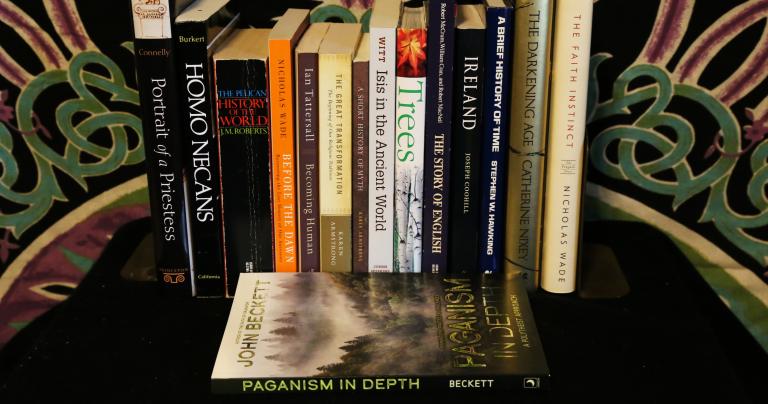
Science helps us understand the world in which we live, and the world in which our ancestors lived. It provides context for our deepest beliefs and practices. When I look at the most influential books on my shelf, I see science books right alongside books of history and religion. If you’re looking for advanced Pagan books, look outside the Pagan section of the book store.
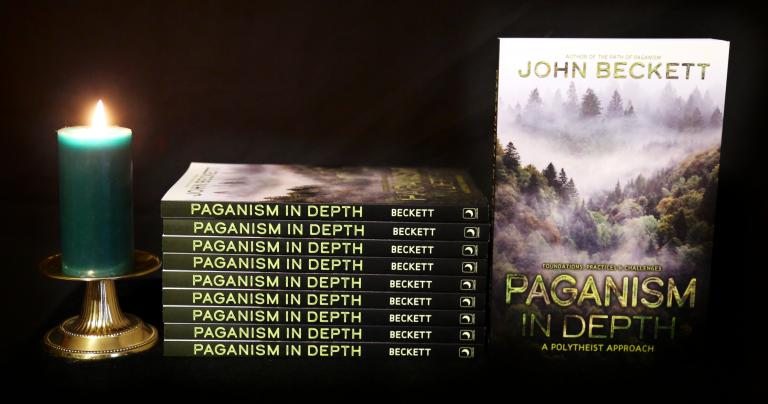
This is an excerpt from my book Paganism In Depth – A Polytheist Approach, published last year by Llewellyn Worldwide. It’s available from Llewellyn, from Barnes & Noble (paperback or Nook), and from Amazon (paperback, Kindle, or Audible audiobook).
The companion online course is available from my website Under the Ancient Oaks.
Previous Post

August 25, 2020
Sunday Morning in a Park at Dawn
Next Post

August 30, 2020 Validating UPG, Augury, and Offering Blood
Browse Our Archives
Select a Category Books Community CUUPS Druidry Foundations and Context Gods and Goddesses Magic Myth Nature Ritual Spiritual Practice Theology Travel Uncategorized Videos
Select a Month October 2026 September 2026 August 2026 July 2026 June 2026 May 2026 April 2026 March 2026 February 2026 January 2026 December 2025 November 2025 October 2025 September 2025 August 2025 July 2025 June 2025 May 2025 April 2025 March 2025 February 2025 January 2025 December 2024 November 2024 October 2024 September 2024 August 2024 July 2024 June 2024 May 2024 April 2024 March 2024 February 2024 January 2024 December 2023 November 2023 October 2023 September 2023 August 2023 July 2023 June 2023 May 2023 April 2023 March 2023 February 2023 January 2023 December 2022 November 2022 October 2022 September 2022 August 2022 July 2022 June 2022 May 2022 April 2022 March 2022 February 2022 January 2022 December 2021 November 2021 October 2021 September 2021 August 2021 July 2021 June 2021 May 2021 April 2021 March 2021 February 2021 January 2021 December 2020 November 2020 October 2020 September 2020 August 2020 July 2020 June 2020 May 2020 April 2020 March 2020 February 2020 January 2020 December 2019 November 2019 October 2019 September 2019 August 2019 July 2019 June 2019 May 2019 April 2019 March 2019 February 2019 January 2019 December 2018 November 2018 October 2018 September 2018 August 2018 July 2018 June 2018 May 2018 April 2018 March 2018 February 2018 January 2018 December 2017 November 2017 October 2017 September 2017 August 2017 July 2017 June 2017 May 2017 April 2017 March 2017 February 2017 January 2017 December 2016 November 2016 October 2016 September 2016 August 2016 July 2016 June 2016 May 2016 April 2016 March 2016 February 2016 January 2016 December 2015 November 2015 October 2015 September 2015 August 2015 July 2015 June 2015 May 2015 April 2015 March 2015 February 2015 January 2015 December 2014 November 2014 October 2014 September 2014 August 2014 July 2014 June 2014 May 2014 April 2014 March 2014 February 2014 January 2014 December 2013 November 2013 October 2013 September 2013 August 2013 July 2013 June 2013 May 2013 April 2013 March 2013 February 2013 January 2013 December 2012 November 2012 October 2012 September 2012 August 2012 July 2012 June 2012 May 2012 April 2012 March 2012 February 2012 January 2012 December 2011 November 2011 October 2011 September 2011 August 2011 July 2011 June 2011 May 2011 April 2011 March 2011 February 2011 January 2011 December 2010 November 2010 October 2010 September 2010 August 2010 July 2010 June 2010 May 2010 April 2010 March 2010 February 2010 January 2010 December 2009 November 2009 October 2009 September 2009 August 2009 July 2009 June 2009 May 2009 April 2009 March 2009 February 2009 January 2009 December 2008 November 2008 October 2008 September 2008 August 2008 July 2008 June 2008
Follow Us!
TAKE THE
Religious Wisdom Quiz
What year was the Temple in Jerusalem destroyed by the Romans?
Select your answer to see how you score.
586 BC 120 AD 33 AD 70 AD
Related posts from John Beckett




What We Lose When “Ask AI” Becomes A...
TRENDING AT PATHEOS Pagan

How to Make a Decision When You Can't...
Main point: It’s much more valuable to stay close to God so...

Archdiocese Hosts Military Marriage Retreat in Germany
RASTATT, Germany — The transient military lifestyle, with its frequent deployments and...

Nearly every morning, I make the drive to Detroit with my high-school-age...

The Real AI Story Is Adoption Without Trust
Artificial intelligence has crossed a political threshold. It is no longer a...

A new article, written by Jeff Lindsay and Gale L. Pooley,...

Swimfan: Forgotten Aughts Pleasures
This is a recovery effort. In 2002, My Big Fat Greek Wedding...
view all Pagan blogs
Ad-Free & Subscriber Log-In Subscription Support
- About Us
- 2026 Calendar
- Videos
- Podcasts
- Library of World Religions
- Faith In Media Tracker
- Advertise With Us
- Write for Us
- Privacy Policy
- Terms of Service
- Do Not Sell My Data
- Contact Us
- Radiant Digital
- Manage Newsletter Subscriptions
- Unsubscribe From Notifications
- Sitemap
Copyright 2008-2026, Patheos. All rights reserved.
Subscription Support Ad-Free & Subscriber Log-In
Follow Patheos