
BuddhistCatholicContemplativeEvangelicalGeneral ChristianHinduJewishLatter-day SaintMuslimNew VisionsProgressive Christian
Beliefs
- Buddhist
- Catholic
- Contemplative
- Evangelical
- General Christian
- Hindu
- Jewish
- Latter-day Saint
- More Voices
- Muslim
- New Visions
- Pagan
- Progressive Christian
Topics
- Religion News
- Food and Religion
- Sports and Religion
- Religious Art
- Religious Music and Entertainment
- Religious Events
- History and Religion
- Style and Religion
- Politics and Religion
- Women in Religion
- Recreation Outdoors and Religion
- Business Finance and Religion
- Careers Workplace and Religion
- Education and Religion
- Family Parenting and Religion
- Health Fitness and Religion
- Home and Religion
- Relationships and Religion
- Technology and Religion
- Travel and Religion
Columnists
- Buddhist Columnists
- Business Finance and Religion Columnists
- Careers Workplace and Religion Columnists
- Catholic Columnists
- Contemplative Columnists
- Education and Religion Columnists
- Evangelists Columnists
- Family Parenting and Religion Columnists
- General Christian Columnists
- Health Fitness and Religion Columnists
- Hindu Columnists
- History and Religion Columnists
- Home and Religion Columnists
- Jewish Columnists
- More Voices Columnists
- Latter Day Columnists
- Muslim Columnists
- New Visions Columnists
- Nonreligious Columnists
- Pagan Columnists
- Politics and Religion Columnists
- Progressive Columnists
- Recreation Outdoors and Religion Columnists
- Relationships and Religion Columnists
- Religion News Columnists
- Religious Art Columnists
- Religious Events Columnists
- Religious Music and Entertainment Columnists
- Sports and Religion Columnists
- Style and Religion Columnists
- Technology and Religion Columnists
- Travel and Religion Columnists
- Women in Religion Columnists
Resource Library
- 2026 Calendar
- Library of World Religions
- The 100 Most Holy Places on Earth
- Patheos Answers
- Podcasts
- Videos
- Faith Leaders Database
- Anglican Episcopalian
- Bahai
- Baptist
- Buddhism
- Christianity
- Confucianism
- Eastern Orthodoxy
- Hinduism
- Holiness and Pentecostal
- ISKCON
- Islam
- Judaism
- Lutheran
- Methodist
- The Church of Jesus Christ of Latter-day Saints
- New Age
- Paganism
- Presbytarian and Reformed
- Protestantism
- Religion Behind the Scenes
- Roman Catholic
- Scientology
- Shia Islam
- Sikhism
- Sufism
- Sunni Islam
- Taoism
- Zen
- See all religions
Research Tools
 Ad-Free & Subscriber Log-In Subscription Support
Ad-Free & Subscriber Log-In Subscription Support
Follow Patheos 

- Trending:
- Forgiveness
- |
- Marriage
- |
- Consciousness
- |
- Death Penalty
- |
- Election
- |
- Halloween

- Home
- Pagan
- Why I Can’t Be A Know-Nothing Druid
Why I Can’t Be A Know-Nothing Druid
Last updated on: July 19, 2020 at 3:00 am by John Beckett
Why I Can’t Be A Know-Nothing Druid 2020-07-16T18:23:41-06:00 John Beckett
Patheos Explore the world's faith through different perspectives on religion and spirituality! Patheos has the views of the prevalent religions and spiritualities of the world.
First of all, this post has nothing to do with the American Know-Nothing Party of 1844 – 1860, who were truly vile people who sadly, never went away even though their party did.
Rather, this is a response to Jason Mankey’s very good post titled The Know-Nothing-Witch. It describes three kinds of know-nothing witches: those who are just starting out and realize they’ve got a lot to learn, those who think they know a lot but really don’t (see the Dunning-Kruger effect), and those who are wise enough to realize just how much they don’t know and likely never will.
Jason is in good company. The ancient Greek philosopher Socrates said “All I know is that I know nothing.”
I completely agree that accepting the limitations of our knowledge – and of our ability to know – is a good and necessary thing. And for the pedants in the audience, I’m well aware that both Jason and Socrates were speaking in hyperbole.
But I can’t join them – I can’t be a know-nothing witch.
Part of that is that I’m not a witch. That’s a story I’m going to have to get around to telling one of these days, but honestly it’s not a very interesting story. I’m a Druid, and a rather witch-adjacent Druid at that.
But I can’t be a know-nothing Druid.
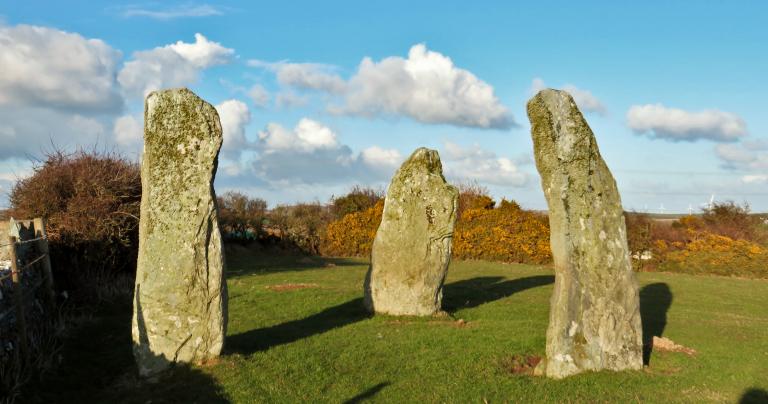
I want to know!
From as far back as I can remember, I’ve been intensely curious. How does it work, where does it come from, what does it mean, why do you do that? One of the hardest things for me to learn as a child was to not ask “impolite” questions. I wasn’t judging anyone – I just wanted to know.
Some years ago I performed the “Cutting to the Core” ritual in Evolutionary Witchcraft by T. Thorn Coyle. In this ritual you gradually cut away all your roles and titles until you can’t cut any further. When I got to my core, I found an unquenchable curiosity. And a few other things I’m not going to talk about, but first and foremost, curiosity. I want to know!
Doesn’t matter what it is or what I can do with it – if it exists I want to know.
Trying to know helps us separate the plausible from the unlikely
The first problem with the know-nothing approach comes when we’re confronted with uncertain situations. Can I safely eat this plant? Will this flimsy bridge support me? Should I get closer to this bison to take a picture?
If we’re being perfectly precise, the answer to all these questions is “I don’t know.” Even a normal food plant may be infected with some disease or sprayed with harmful chemicals. The bridge may have been in use for years but when you step on it, something finally breaks. As for the bison, I imagine some people have gotten up close and personal with them and walked away, but your odds aren’t good.
And that’s the point in realizing what you know. It helps you assess risks, identify the places where you may run into trouble, and develop mitigating strategies to improve your odds.
Perhaps more importantly, it helps us evaluate the claims of people who tell us things that may not be true (or more dangerously, only partially true) because they want us to give them our money, our votes, or our support.

We can know a little
There’s a whole branch of philosophy called epistemology – the study of knowledge, and especially of how we know. The Wikipedia page I linked to is very good and I encourage you to look it over if you’re interested. If you’ve never considered how you know what you think you know, I encourage you to do more than look it over. As the quote often misattributed to Mark Twain says, “It ain’t what you don’t know that gets you into trouble. It’s what you know for sure that just ain’t so.”
The intricacies of epistemology are beyond the scope of this post. But for all practical purposes, we can confidently say we know that 2 + 2 = 4. We know plants and animals need water to live. We know all that lives will someday die, even if we don’t know – and likely can’t know – what happens after death.
Again, I don’t mean to be pedantic – I know (there’s that word again) Jason Mankey doesn’t really think he knows nothing.
But I prefer to say I know a little, even as I accept that there is much I don’t know.
Knowing a little helps us build a foundation
Imagine finding some feral child that had been raised by wolves (highly improbable, but go with it). After cleaning them up and giving them a medical once-over, would you drop them into school with other kids their age? Of course not – not only could they not “keep up” they likely couldn’t comprehend the material in the first place. The difference between knowing nothing and knowing a little is huge.
Knowing a little gives us a foundation from which we can begin to learn more.
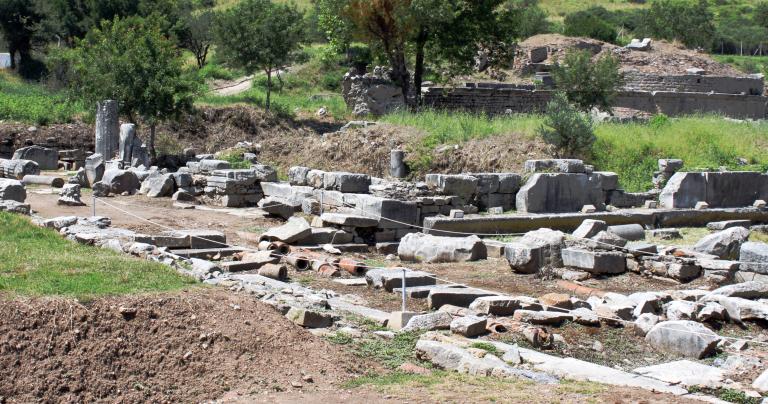
Having a foundation helps us learn more
Our education system is based on progressive learning: each level builds on the level before it. First you learn to count. Then you learn addition and subtraction. Once you get that, you start multiplication and division. Then comes algebra, geometry, and calculus. My last math class (as a college sophomore) was differential equations.
We follow the same process in other academic subjects. Hopefully we follow it in our non-academic lives. I’m trying to do it now with my Pagan religion.
As we do, we build a progressively higher base of knowledge that helps us navigate life more effectively.
And for those of us who are eternally curious, that ever-growing foundation helps life be more satisfying.
Hold loosely but practice deeply
The humility involved in the Socratic statement of “all I know is that I know nothing” is very helpful, even essential. Learning can only begin when we accept that there are things we don’t know. That’s the third level of know-nothing Jason talked about in his post.
But – at least for me – perpetual agnosticism is no way to go through life.
When you’re reasonably convinced something is true, go with it – act as though it’s true. Start practicing it. Explore it as deeply as you can. Build on it.
At the same time, don’t get so attached to it you refuse to look at alternatives. When we discover or are presented with compelling evidence that our beliefs are wrong (or more frequently, less correct) integrity demands that we accept the evidence and integrate it into our lives. If this means changing beliefs that are familiar and comforting, so be it.
Skeptics dismissing your beliefs because they don’t align with their foundational assumptions is not “being presented with compelling evidence.” Neither are we obligated to “debate” every atheist or fundamentalist who insists we’re wrong. The same old tired materialist arguments aren’t “new evidence.”
But even as we go deeper and deeper, it remains important to hold our beliefs loosely. While we know more than nothing, there is so much we do not know, and likely will never know.
At the end of the day it’s far better to become right than to insist we were right all along, especially when it’s clear we weren’t.
Previous Post

July 14, 2020
How to Stop Overthinking Your Magic
Next Post
July 21, 2020 Is There Such A Thing As Evil? One Pagan’s Perspective
Browse Our Archives
Select a Category Books Community CUUPS Druidry Foundations and Context Gods and Goddesses Magic Myth Nature Ritual Spiritual Practice Theology Travel Uncategorized Videos
Select a Month October 2026 September 2026 August 2026 July 2026 June 2026 May 2026 April 2026 March 2026 February 2026 January 2026 December 2025 November 2025 October 2025 September 2025 August 2025 July 2025 June 2025 May 2025 April 2025 March 2025 February 2025 January 2025 December 2024 November 2024 October 2024 September 2024 August 2024 July 2024 June 2024 May 2024 April 2024 March 2024 February 2024 January 2024 December 2023 November 2023 October 2023 September 2023 August 2023 July 2023 June 2023 May 2023 April 2023 March 2023 February 2023 January 2023 December 2022 November 2022 October 2022 September 2022 August 2022 July 2022 June 2022 May 2022 April 2022 March 2022 February 2022 January 2022 December 2021 November 2021 October 2021 September 2021 August 2021 July 2021 June 2021 May 2021 April 2021 March 2021 February 2021 January 2021 December 2020 November 2020 October 2020 September 2020 August 2020 July 2020 June 2020 May 2020 April 2020 March 2020 February 2020 January 2020 December 2019 November 2019 October 2019 September 2019 August 2019 July 2019 June 2019 May 2019 April 2019 March 2019 February 2019 January 2019 December 2018 November 2018 October 2018 September 2018 August 2018 July 2018 June 2018 May 2018 April 2018 March 2018 February 2018 January 2018 December 2017 November 2017 October 2017 September 2017 August 2017 July 2017 June 2017 May 2017 April 2017 March 2017 February 2017 January 2017 December 2016 November 2016 October 2016 September 2016 August 2016 July 2016 June 2016 May 2016 April 2016 March 2016 February 2016 January 2016 December 2015 November 2015 October 2015 September 2015 August 2015 July 2015 June 2015 May 2015 April 2015 March 2015 February 2015 January 2015 December 2014 November 2014 October 2014 September 2014 August 2014 July 2014 June 2014 May 2014 April 2014 March 2014 February 2014 January 2014 December 2013 November 2013 October 2013 September 2013 August 2013 July 2013 June 2013 May 2013 April 2013 March 2013 February 2013 January 2013 December 2012 November 2012 October 2012 September 2012 August 2012 July 2012 June 2012 May 2012 April 2012 March 2012 February 2012 January 2012 December 2011 November 2011 October 2011 September 2011 August 2011 July 2011 June 2011 May 2011 April 2011 March 2011 February 2011 January 2011 December 2010 November 2010 October 2010 September 2010 August 2010 July 2010 June 2010 May 2010 April 2010 March 2010 February 2010 January 2010 December 2009 November 2009 October 2009 September 2009 August 2009 July 2009 June 2009 May 2009 April 2009 March 2009 February 2009 January 2009 December 2008 November 2008 October 2008 September 2008 August 2008 July 2008 June 2008
Follow Us!
TAKE THE
Religious Wisdom Quiz
What did Jesus do right after being baptized?
Select your answer to see how you score.
Started preaching Returned to Galilee Went into the wilderness Visited the temple
Related posts from John Beckett




What We Lose When “Ask AI” Becomes A...
TRENDING AT PATHEOS Pagan

When Halloween Unmasks Married Hearts
Written by Dr. David K. Ewen from Eternal Truth Bible College Behind...

Aristotle. He’s been called the father of logic, the father of the...

Methodist Central Hall and Westminster Abbey
Situated on the same square is Methodist Central Hall and Westminster Abbey. ...

57th Dove Awards Honor Dolly Parton, Crown New...
On gospel music’s biggest night, the 57th annual GMA Dove Awards honored...

The First Eucharistic Controversy: Christ’s Real Presence
For Catholics, the Eucharist is the source and summit of the Christian...

What a Stop Sign Can Teach Us About...
How to Make a Decision When You Can't Hear God Main point:...
view all Pagan blogs
Ad-Free & Subscriber Log-In Subscription Support
- About Us
- 2026 Calendar
- Videos
- Podcasts
- Library of World Religions
- Faith In Media Tracker
- Advertise With Us
- Write for Us
- Privacy Policy
- Terms of Service
- Do Not Sell My Data
- Contact Us
- Radiant Digital
- Manage Newsletter Subscriptions
- Unsubscribe From Notifications
- Sitemap
Copyright 2008-2026, Patheos. All rights reserved.
Subscription Support Ad-Free & Subscriber Log-In
Follow Patheos