
BuddhistCatholicContemplativeEvangelicalGeneral ChristianHinduJewishLatter-day SaintMuslimNew VisionsProgressive Christian
Beliefs
- Buddhist
- Catholic
- Contemplative
- Evangelical
- General Christian
- Hindu
- Jewish
- Latter-day Saint
- More Voices
- Muslim
- New Visions
- Pagan
- Progressive Christian
Topics
- Religion News
- Food and Religion
- Sports and Religion
- Religious Art
- Religious Music and Entertainment
- Religious Events
- History and Religion
- Style and Religion
- Politics and Religion
- Women in Religion
- Recreation Outdoors and Religion
- Business Finance and Religion
- Careers Workplace and Religion
- Education and Religion
- Family Parenting and Religion
- Health Fitness and Religion
- Home and Religion
- Relationships and Religion
- Technology and Religion
- Travel and Religion
Columnists
- Buddhist Columnists
- Business Finance and Religion Columnists
- Careers Workplace and Religion Columnists
- Catholic Columnists
- Contemplative Columnists
- Education and Religion Columnists
- Evangelists Columnists
- Family Parenting and Religion Columnists
- General Christian Columnists
- Health Fitness and Religion Columnists
- Hindu Columnists
- History and Religion Columnists
- Home and Religion Columnists
- Jewish Columnists
- More Voices Columnists
- Latter Day Columnists
- Muslim Columnists
- New Visions Columnists
- Nonreligious Columnists
- Pagan Columnists
- Politics and Religion Columnists
- Progressive Columnists
- Recreation Outdoors and Religion Columnists
- Relationships and Religion Columnists
- Religion News Columnists
- Religious Art Columnists
- Religious Events Columnists
- Religious Music and Entertainment Columnists
- Sports and Religion Columnists
- Style and Religion Columnists
- Technology and Religion Columnists
- Travel and Religion Columnists
- Women in Religion Columnists
Resource Library
- 2026 Calendar
- Library of World Religions
- The 100 Most Holy Places on Earth
- Patheos Answers
- Podcasts
- Videos
- Faith Leaders Database
- Anglican Episcopalian
- Bahai
- Baptist
- Buddhism
- Christianity
- Confucianism
- Eastern Orthodoxy
- Hinduism
- Holiness and Pentecostal
- ISKCON
- Islam
- Judaism
- Lutheran
- Methodist
- The Church of Jesus Christ of Latter-day Saints
- New Age
- Paganism
- Presbytarian and Reformed
- Protestantism
- Religion Behind the Scenes
- Roman Catholic
- Scientology
- Shia Islam
- Sikhism
- Sufism
- Sunni Islam
- Taoism
- Zen
- See all religions
Research Tools
 Ad-Free & Subscriber Log-In Subscription Support
Ad-Free & Subscriber Log-In Subscription Support
Follow Patheos 

- Trending:
- Forgiveness
- |
- Marriage
- |
- Consciousness
- |
- Death Penalty
- |
- Election
- |
- Halloween

- Home
- Pagan
- Why Pagans Don’t Proselytize
Why Pagans Don’t Proselytize
Last updated on: July 18, 2019 at 3:00 am by John Beckett
Why Pagans Don’t Proselytize 2019-07-17T07:27:35-06:00 John Beckett
Patheos Explore the world's faith through different perspectives on religion and spirituality! Patheos has the views of the prevalent religions and spiritualities of the world.
Sunday’s post Dealing With Door Knockers: A Pagan Guide to Engaging With Proselytizers (Or Not) included one short but very important line that virtually all Pagans agree with, but that we rarely discuss: “Paganism is not a proselytizing religion.” We giggle at the memes asking “have you accepted Pan as your lord and satyr?” but the idea of seriously having that conversation borders on nonsensical. I think it’s worth exploring why that is.
I usually avoid disclaimers, but I’ll add a couple here. Paganism is many religions, not one. My polytheist Paganism is one version, not the only one. If some of these reasons don’t resonate with you, then they don’t – that doesn’t mean I think you’re wrong. If you have other reasons, by all means articulate them in the comments section – more is good.
And with that out of the way, let’s look at why Pagans don’t proselytize.

What is proselytizing, anyway?
The dictionary definition of “proselytize” is rather neutral: “to recruit or convert especially to a new faith, institution, or cause.” But there’s a big difference between simply having a presence in the “marketplace of religions” and the kind of high-pressure, fear and guilt based sales pitches of the conservative versions of Christianity and Islam.
Cable TV companies advertise on broadcast TV, on the internet, and in other places where they can be seen. “This is what we offer, isn’t it great?” If you want cable TV, you can call them up, ask for their prices, and if you like what you hear, sign up for their service. That’s rather different from someone knocking on your door, launching into a sales pitch, and promising you a “special deal” but only if you’ll sign right now.
If you’re interested in a particular religion, you’ll have no trouble finding information about it. That’s one of the reasons I like being a part of Patheos – it puts Pagans on the same platform with everyone else. But researching a new religion at your own pace is one thing: having someone show up at your door telling you to convert to their religion or burn in hell is quite another. Even if they don’t put it that way, it’s clear that’s what they mean.
Proselytizing, then, isn’t just religious recruitment. It’s aggressive religious recruitment that relies heavily on manipulative sales techniques, something Pagans find abhorrent.
Paganism isn’t about believing the “right” things
The idea that religion is all about believing the “right” things so you can end up in the good afterlife and not the bad afterlife is a very recent, very Western idea. For most people in most places throughout most of history, religion was and is about what you do, who you are, and whose you are.
There is no “right” religion – there are only different religions.
Which is not to say that all religions are the same, or that they’re all equally right. Clearly that’s not the case – there’s not much that’s right about the religion of the Westboro Baptist Church.
But how can we make an objective case that Evangelical Christianity is better than Zen Buddhism, or that Sunni Islam is better than Gardnerian Wicca? That’s not comparing apples to oranges, it’s comparing apples to okra – they’re both foods from plants, but that’s where the similarities end. Some people are a better fit with one, some with another… and some with none.

Religious coercion is unethical
Most religions at least pay lip service to the idea of religious freedom. The Quran says “No compulsion is there in religion” (Surah 2:256). The mythology of the United States begins with the Pilgrims coming to America so they could worship according to the dictates of their consciences.
But the context of “no compulsion” in the Quran makes it clear that everyone should be a Muslim. And the Pilgrims fled religious persecution only to outlaw all religions except their own form of Christianity.
Telling someone they should change their religion is like telling them they should change their family, their nation, or their language. It’s part of who and what they are – we have no right to impose our ways on others. If they freely choose to change, that’s their right. But such a choice must be truly free, not made at the point of a gun – either literally or metaphorically.
Religion is inherently uncertain
Religion is humanity’s attempt to deal with the big questions of life: where do we come from? Why are we here? What happens after death? How should we live?
Notice I said “deal with” and not “answer.” For all our experiences of death, our thoughts about death, and our conversations with the dead, ultimately we don’t know what happens after death. Different religions and cultures have different ideas. I have my own ideas. But we have no way of knowing.
Our virtues and values tell us what is good in life, based on generations of experience and collective wisdom. But many times we find ourselves forced to choose between competing virtues, with no clear answer. Our desire to make things simple, to make them black and white, has resulted in a flood of laws, rule, and cultural norms that are helpful to some but harmful to others – and that are easily exploited by those seeking power for themselves.
Religious questions have no certain answers and they never will. Pagans understand this – proselytizing religions don’t.
Many Gods, many ways
The reasons described above could apply to almost any religion, at least those who aren’t sure they have sole possession of the One True Way. But Pagans – especially those of us who are polytheists – have other reasons as well.
If there was only one God, perhaps it could be argued that everyone should understand and worship that God in the same way. But for those of us who acknowledge the reality of the Many Gods, such an idea is unthinkable.
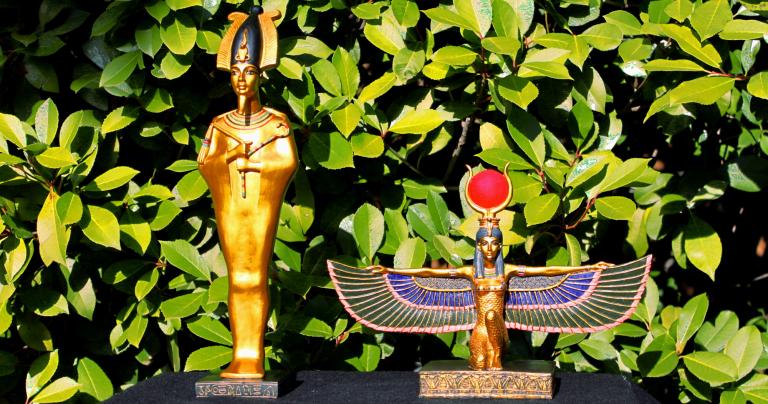
Different Gods call different people to worship and work with Them in different ways. I worship Cernunnos and I worship the Morrigan. They share many of the same values, but ultimately They are different deities with different priorities. I have an occasional but long relationship with some of the Gods of Egypt. They are very different from Cernunnos and the Morrigan. They want different things from me and They teach me different things in return.
The people of ancient Egypt and the people of the ancient Celtic lands did not relate to their Gods in the same way. Modern Pagans do the same.
Many Gods, many ways.
Publicize, don’t proselytize
At some point, the ethical concerns around proselytizing give way to demographic concerns. Put simply, conversions are the lifeblood of any religion, at least in the contemporary West. Population growth is slowing (which is a good and necessary thing) – any religion that counts on childbirth for its survival is doomed.
Conversion is a fact of religious life. Some of our Pagan ancestors were forcibly converted to Christianity, but for many, a few here and a few there converted voluntarily, and after a while there were no Pagans left. As historian Ronald Hutton said “the more aggressive, determined and monopolistic religion had the edge over its rivals, simply because it cared more about winning.”
If we do not participate in the marketplace of religions, we will never reach a critical mass – the numbers required to insure continued existence.
And that urgency is still no ethical justification for proselytizing.
So we publicize. We write books and blogs. We record music and make videos. We hold public rituals and we talk to anyone and everyone who asks questions. We let people know “here we are – you’re welcome if you want to join us.”
[Yes, some Pagan traditions are still secretive, and I’m not saying we should change that. Not everything is for public consumption. But some things are.]
But we leave the aggressive, invasive, fear-and-guilt based, religious salemanship to others. It’s simply not a part of Paganism.
Previous Post

July 16, 2019
How Do You Facilitate Engagement and Make a Group Grow?
Next Post

July 21, 2019 The Gods Call Who They Call
Browse Our Archives
Select a Category Books Community CUUPS Druidry Foundations and Context Gods and Goddesses Magic Myth Nature Ritual Spiritual Practice Theology Travel Uncategorized Videos
Select a Month October 2026 September 2026 August 2026 July 2026 June 2026 May 2026 April 2026 March 2026 February 2026 January 2026 December 2025 November 2025 October 2025 September 2025 August 2025 July 2025 June 2025 May 2025 April 2025 March 2025 February 2025 January 2025 December 2024 November 2024 October 2024 September 2024 August 2024 July 2024 June 2024 May 2024 April 2024 March 2024 February 2024 January 2024 December 2023 November 2023 October 2023 September 2023 August 2023 July 2023 June 2023 May 2023 April 2023 March 2023 February 2023 January 2023 December 2022 November 2022 October 2022 September 2022 August 2022 July 2022 June 2022 May 2022 April 2022 March 2022 February 2022 January 2022 December 2021 November 2021 October 2021 September 2021 August 2021 July 2021 June 2021 May 2021 April 2021 March 2021 February 2021 January 2021 December 2020 November 2020 October 2020 September 2020 August 2020 July 2020 June 2020 May 2020 April 2020 March 2020 February 2020 January 2020 December 2019 November 2019 October 2019 September 2019 August 2019 July 2019 June 2019 May 2019 April 2019 March 2019 February 2019 January 2019 December 2018 November 2018 October 2018 September 2018 August 2018 July 2018 June 2018 May 2018 April 2018 March 2018 February 2018 January 2018 December 2017 November 2017 October 2017 September 2017 August 2017 July 2017 June 2017 May 2017 April 2017 March 2017 February 2017 January 2017 December 2016 November 2016 October 2016 September 2016 August 2016 July 2016 June 2016 May 2016 April 2016 March 2016 February 2016 January 2016 December 2015 November 2015 October 2015 September 2015 August 2015 July 2015 June 2015 May 2015 April 2015 March 2015 February 2015 January 2015 December 2014 November 2014 October 2014 September 2014 August 2014 July 2014 June 2014 May 2014 April 2014 March 2014 February 2014 January 2014 December 2013 November 2013 October 2013 September 2013 August 2013 July 2013 June 2013 May 2013 April 2013 March 2013 February 2013 January 2013 December 2012 November 2012 October 2012 September 2012 August 2012 July 2012 June 2012 May 2012 April 2012 March 2012 February 2012 January 2012 December 2011 November 2011 October 2011 September 2011 August 2011 July 2011 June 2011 May 2011 April 2011 March 2011 February 2011 January 2011 December 2010 November 2010 October 2010 September 2010 August 2010 July 2010 June 2010 May 2010 April 2010 March 2010 February 2010 January 2010 December 2009 November 2009 October 2009 September 2009 August 2009 July 2009 June 2009 May 2009 April 2009 March 2009 February 2009 January 2009 December 2008 November 2008 October 2008 September 2008 August 2008 July 2008 June 2008
Follow Us!
TAKE THE
Religious Wisdom Quiz
Which Christian season is marked by purple, penance, and preparation before Easter?
Select your answer to see how you score.
Lent Advent Epiphany Feast of All Saints
Related posts from John Beckett
The Pillar of the Boatmen: the Ancient Monument...



TRENDING AT PATHEOS Pagan

Looking at the Largest Orthodox Cathedral on Earth
There is often a considerable amount of anger and, shall we...

The Problem with False Prophets
Miller’s Station UMC| 10/18/26| Anchor Verse: Jeremiah 23: 1, 9-23 I...

Emotion in Early Christianity by Andrew Crislip
Andrew Crislip’s Emotion in Early Christianity examines an often overlooked dimension of...

16 Spiritual Touchstones for a More Grounded Life
After decades of spiritual study, here are 16 principles I try...

Catholic Evangelization: Sharing Your Faith Every Day
Welcome back to the Graceful Awakening mini-series called, “From Faith to Mission.” ...

The Pillar of the Boatmen: the Ancient Monument...
The Pillar of the Boatmen is a Romano-Gaulish sculpture that dates from...
view all Pagan blogs
Ad-Free & Subscriber Log-In Subscription Support
- About Us
- 2026 Calendar
- Videos
- Podcasts
- Library of World Religions
- Faith In Media Tracker
- Advertise With Us
- Write for Us
- Privacy Policy
- Terms of Service
- Do Not Sell My Data
- Contact Us
- Radiant Digital
- Manage Newsletter Subscriptions
- Unsubscribe From Notifications
- Sitemap
Copyright 2008-2026, Patheos. All rights reserved.
Subscription Support Ad-Free & Subscriber Log-In
Follow Patheos