
BuddhistCatholicContemplativeEvangelicalGeneral ChristianHinduJewishLatter-day SaintMuslimNew VisionsProgressive Christian
Beliefs
- Buddhist
- Catholic
- Contemplative
- Evangelical
- General Christian
- Hindu
- Jewish
- Latter-day Saint
- More Voices
- Muslim
- New Visions
- Pagan
- Progressive Christian
Topics
- Religion News
- Food and Religion
- Sports and Religion
- Religious Art
- Religious Music and Entertainment
- Religious Events
- History and Religion
- Style and Religion
- Politics and Religion
- Women in Religion
- Recreation Outdoors and Religion
- Business Finance and Religion
- Careers Workplace and Religion
- Education and Religion
- Family Parenting and Religion
- Health Fitness and Religion
- Home and Religion
- Relationships and Religion
- Technology and Religion
- Travel and Religion
Columnists
- Buddhist Columnists
- Business Finance and Religion Columnists
- Careers Workplace and Religion Columnists
- Catholic Columnists
- Contemplative Columnists
- Education and Religion Columnists
- Evangelists Columnists
- Family Parenting and Religion Columnists
- General Christian Columnists
- Health Fitness and Religion Columnists
- Hindu Columnists
- History and Religion Columnists
- Home and Religion Columnists
- Jewish Columnists
- More Voices Columnists
- Latter Day Columnists
- Muslim Columnists
- New Visions Columnists
- Nonreligious Columnists
- Pagan Columnists
- Politics and Religion Columnists
- Progressive Columnists
- Recreation Outdoors and Religion Columnists
- Relationships and Religion Columnists
- Religion News Columnists
- Religious Art Columnists
- Religious Events Columnists
- Religious Music and Entertainment Columnists
- Sports and Religion Columnists
- Style and Religion Columnists
- Technology and Religion Columnists
- Travel and Religion Columnists
- Women in Religion Columnists
Resource Library
- 2026 Calendar
- Library of World Religions
- The 100 Most Holy Places on Earth
- Patheos Answers
- Podcasts
- Videos
- Faith Leaders Database
- Anglican Episcopalian
- Bahai
- Baptist
- Buddhism
- Christianity
- Confucianism
- Eastern Orthodoxy
- Hinduism
- Holiness and Pentecostal
- ISKCON
- Islam
- Judaism
- Lutheran
- Methodist
- The Church of Jesus Christ of Latter-day Saints
- New Age
- Paganism
- Presbytarian and Reformed
- Protestantism
- Religion Behind the Scenes
- Roman Catholic
- Scientology
- Shia Islam
- Sikhism
- Sufism
- Sunni Islam
- Taoism
- Zen
- See all religions
Research Tools
 Ad-Free & Subscriber Log-In Subscription Support
Follow Patheos 

- Trending:
- Advent
- |
- Forgiveness
- |
- Thanksgiving
- |
- Election
- |
- Seasonal Holidays
- |
- Marriage

- Home
- Pagan
- Why We Make Oaths
Why We Make Oaths
Last updated on: July 29, 2018 at 3:00 am by John Beckett
Why We Make Oaths 2018-07-24T18:29:31-06:00 John Beckett
Patheos Explore the world's faith through different perspectives on religion and spirituality! Patheos has the views of the prevalent religions and spiritualities of the world.
There was a question about oaths in the comments to the last Conversations Under the Oaks. Nic Err said:
Life will make you break pretty much every oath you take in one manner or another. The question is whether the reason you break the oath is acceptable. My question is why take oaths at all?
I completely disagree with the premise of this question. But the question itself is valid, and one we would do well to consider.
Oaths are meant to be kept, period
An oath isn’t an intention or even a plan – it doesn’t say “this is what I’ll do, if things work out OK.” An oath is a sacred commitment – it says “this is what I will do, no matter what.” The ceremony surrounding oaths is – in part – intended to impress on everyone that this is not an ordinary statement and it carries more than ordinary weight.
Unlike a geas which is placed on someone, an oath is made voluntarily. It is your duty to review oaths carefully and to not swear to do things you are not sure you will do, or that you can do.
Modern thinking – including much of our law – says that an oath made under duress or without being fully informed is not valid. Our ancestors saw things differently – your word was your bond regardless of circumstances. Our Gods and especially the Fair Folk have older expectations – there is no such thing as extenuating circumstances. Do what you said you’d do or die trying – or live in dishonor, which is worse than death.
The idea that life will make you break all your oaths is an excuse in advance, and a pretty weak excuse at that.
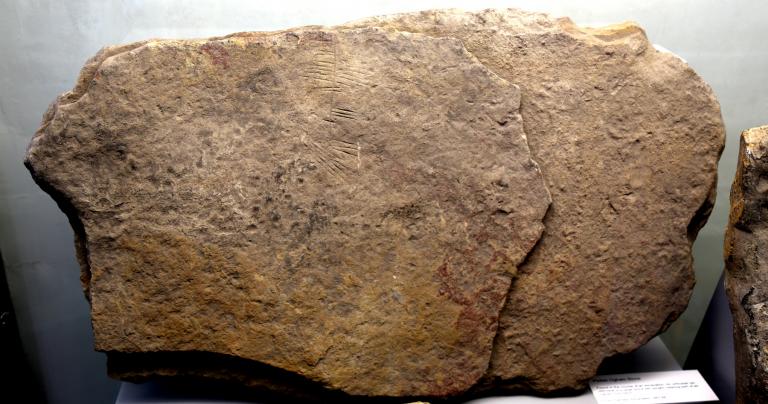
Oaths build a foundation of confidence and stability
But the question of why we should make oaths is valid. The answer lies in the essence of the oath, which is a binding promise – a contract.
Go out into the wild and – if you have good sense – you proceed carefully and tentatively. There are other persons out there (in this case, wild animals) and you don’t know how they’re going to respond to you. Maybe they’ll be friendly, but maybe they’ll kill you and eat you. You don’t know.
We can usually assume other human persons won’t kill us and eat us, but beyond that, we don’t know how they’ll respond. If we hang around, eventually we get to know them and can make a pretty good guess. But still, we can only guess. With conversation and negotiation we can come to an agreement, and with a contract we can put that agreement into writing. Then it’s not dependent on anyone’s memory and we can appeal to others to help us enforce the agreement should the other party fail to deliver.
An oath is simply a sacred contract. We make a definitive promise, and those who receive that oath know that they can count on us to do what we’ve said. Perhaps it’s a king who knows we’ll fight in his army if he’s attacked. Perhaps it’s a God who now knows you will make offerings to Them every week. Perhaps it’s a spouse who now knows you will only have sex with them for the rest of your life.
Yes, you can live together monogamously without ever taking marriage vows. But even in an era of easy divorce, an oath adds a certain permanence to the relationship that is much harder to get without it.
Whatever the terms of an oath, it provides a foundation of confidence and stability for the future.
Oaths build community and intimacy
From these foundations, communities can grow. Those of us who’ve taken oaths of priesthood share a certain fraternity. We may have taken different oaths to different Gods, but we’ve all agreed to serve our patrons. We have much in common and many ways in which we can support each other.
I’ve done ecstatic work in small groups bound by oaths of secrecy. I could let my guard down and let what happened happen, because I knew no one would talk about it to those who would attack my experience as either delusional or dangerous.
Even oaths that are seemingly one-sided can promote intimacy. Since my oath to the Morrigan my relationship with Her has grown deeper and more constant. I have gotten at least as much out of it as I’ve put into it.
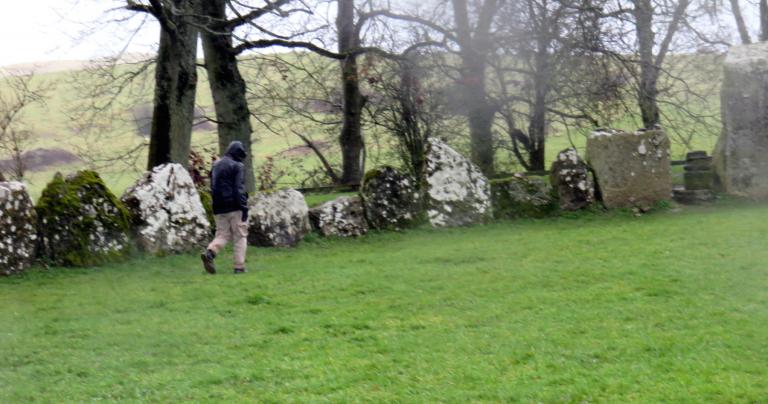
Some oaths can be renegotiated
Not all oaths are forever. Some oaths are a promise to do one thing. Once that one thing is done the oath is fulfilled, the obligation is discharged, and both parties are free to go their separate ways… or not, as they choose.
Sometimes an oath is kept, but things don’t work out to anyone’s satisfaction and all involved decide to try another arrangement. Sometimes a divorce really is for irreconcilable differences and the parties really do part amicably.
But such renegotiations cannot be one-sided. If you swear an oath to Odin and later decide to become a Kemetic you can ask to be released from it, but He is under no obligation to grant your release.
And some oaths are so bound up in currents of magic and divinity that they simply cannot be undone. You swore it and you’re stuck with it, so deal with it. My oath of priesthood to Cernunnos is like this (I think) – not that I have any desire whatsoever to renegotiate it.
Take care how you make oaths
So needless to say, take care how you make oaths. Is an oath required here? Has it been demanded of you? If you don’t need an oath you’re almost certainly better off not making one.
But sometimes they are necessary. In those cases, pay careful attention to exactly what you promise to do (or not do), by when, under what circumstances, and for how long. I once heard an intelligent, well-educated Pagan scream “I will serve you forever!” They swore the oath to a virtuous and honorable deity, but that’s a very open-ended promise, and forever is a very long time. What feels good in the moment often looks more problematic the next morning.
It’s best to approach the writing of an oath like a lawyer, and perhaps even with the assistance of a lawyer. Mundane contracts aren’t long and formal just so lawyers can run up a big bill. They need to specify the terms and conditions and how they’ll be resolved in every foreseeable circumstance.
When you leave things unclear, they are generally resolved to the satisfaction of the stronger party. When you’re dealing with Gods, that’s not you.
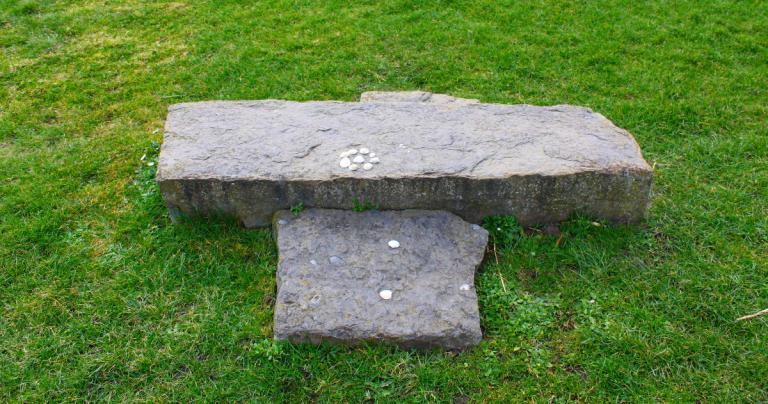
Take care how you receive oaths
Few if any of us will ever be a lord receiving oaths from vassals. But many oaths are mutual – we promise to do something for someone and they promise to do something for us in return. My oath to the Morrigan was not entirely one-sided.
Particularly if you are bargaining at the Goblin Market, make sure it is very clear exactly what you are to receive, when you are to receive it, in what condition, and for how long. If you leave anything unclear, expect it will be interpreted in a way that benefits the other party, not you.
Why we make oaths
Oath making and oath taking is a long and honorable tradition. We commit ourselves to virtues, to actions, and to relationships. Our oaths help others to be sure of our commitment, so they can make their own plans with confidence. When we keep our oaths – especially when we keep them through difficulties – our reputation grows.
If we break our oaths our reputation is destroyed.
If you do not need to swear an oath, do not swear it. If you do, take care that you can and will do what you promise, and that everyone understands what you will receive in return.
May our word truly be our bond!
For another perspective on oaths, see this excellent piece at Huginn’s Heathen Hof.
Previous Post

July 26, 2018
Developing Second Sight Through First Sight
Next Post

July 31, 2018 Do Gods Disappear When Their Worship Ceases?
Browse Our Archives
Select a Category Books Community CUUPS Druidry Foundations and Context Gods and Goddesses Magic Myth Nature Ritual Spiritual Practice Theology Travel Uncategorized Videos
Select a Month November 2026 October 2026 September 2026 August 2026 July 2026 June 2026 May 2026 April 2026 March 2026 February 2026 January 2026 December 2025 November 2025 October 2025 September 2025 August 2025 July 2025 June 2025 May 2025 April 2025 March 2025 February 2025 January 2025 December 2024 November 2024 October 2024 September 2024 August 2024 July 2024 June 2024 May 2024 April 2024 March 2024 February 2024 January 2024 December 2023 November 2023 October 2023 September 2023 August 2023 July 2023 June 2023 May 2023 April 2023 March 2023 February 2023 January 2023 December 2022 November 2022 October 2022 September 2022 August 2022 July 2022 June 2022 May 2022 April 2022 March 2022 February 2022 January 2022 December 2021 November 2021 October 2021 September 2021 August 2021 July 2021 June 2021 May 2021 April 2021 March 2021 February 2021 January 2021 December 2020 November 2020 October 2020 September 2020 August 2020 July 2020 June 2020 May 2020 April 2020 March 2020 February 2020 January 2020 December 2019 November 2019 October 2019 September 2019 August 2019 July 2019 June 2019 May 2019 April 2019 March 2019 February 2019 January 2019 December 2018 November 2018 October 2018 September 2018 August 2018 July 2018 June 2018 May 2018 April 2018 March 2018 February 2018 January 2018 December 2017 November 2017 October 2017 September 2017 August 2017 July 2017 June 2017 May 2017 April 2017 March 2017 February 2017 January 2017 December 2016 November 2016 October 2016 September 2016 August 2016 July 2016 June 2016 May 2016 April 2016 March 2016 February 2016 January 2016 December 2015 November 2015 October 2015 September 2015 August 2015 July 2015 June 2015 May 2015 April 2015 March 2015 February 2015 January 2015 December 2014 November 2014 October 2014 September 2014 August 2014 July 2014 June 2014 May 2014 April 2014 March 2014 February 2014 January 2014 December 2013 November 2013 October 2013 September 2013 August 2013 July 2013 June 2013 May 2013 April 2013 March 2013 February 2013 January 2013 December 2012 November 2012 October 2012 September 2012 August 2012 July 2012 June 2012 May 2012 April 2012 March 2012 February 2012 January 2012 December 2011 November 2011 October 2011 September 2011 August 2011 July 2011 June 2011 May 2011 April 2011 March 2011 February 2011 January 2011 December 2010 November 2010 October 2010 September 2010 August 2010 July 2010 June 2010 May 2010 April 2010 March 2010 February 2010 January 2010 December 2009 November 2009 October 2009 September 2009 August 2009 July 2009 June 2009 May 2009 April 2009 March 2009 February 2009 January 2009 December 2008 November 2008 October 2008 September 2008 August 2008 July 2008 June 2008
Follow Us!
TAKE THE
Religious Wisdom Quiz
What did Peter see in his vision on the rooftop in Joppa?
Select your answer to see how you score.
A large sheet with unclean animals An angel with a sword A burning bush A ladder reaching to heaven
Related posts from John Beckett

Pagans And The Rise Of The Religious Left

Why Halloween Is So Popular – And So...

The Pillar of the Boatmen: the Ancient Monument...
TRENDING AT PATHEOS Pagan

Thanksgiving as a Way of Life: A Christian...
Each year, Thanksgiving brings families and friends together to share meals, stories,...

Two Women Doctors Who Went Against the Current
Women physicians who transformed healthcare for "Indians" “I shall have an advantage...
Reading Culture Through Scripture, Not the Other Way...
A Radix Teleology and Faith Before Seeing: Essentialism “For we also have...

Thy Word is Truth: The Bible Vindicated by...
My 59th book, completed on 9 November 2026; 204 pages. *****...

Adventurous Lectionary -1st. Sunday of Advent - November...
The Adventurous Lectionary - The First Sunday of Advent – November 29,...

Will Islam become the world's biggest religion by 2035? Congo will replace...
view all Pagan blogs
Ad-Free & Subscriber Log-In Subscription Support
- About Us
- 2026 Calendar
- Videos
- Podcasts
- Library of World Religions
- Faith In Media Tracker
- Advertise With Us
- Write for Us
- Privacy Policy
- Terms of Service
- Do Not Sell My Data
- Contact Us
- Radiant Digital
- Manage Newsletter Subscriptions
- Unsubscribe From Notifications
- Sitemap
Copyright 2008-2026, Patheos, part of the Radiant Digital network of media brands. All rights reserved.
Subscription Support Ad-Free & Subscriber Log-In
Follow Patheos