
BuddhistCatholicContemplativeEvangelicalGeneral ChristianHinduJewishLatter-day SaintMuslimNew VisionsProgressive Christian
Beliefs
- Buddhist
- Catholic
- Contemplative
- Evangelical
- General Christian
- Hindu
- Jewish
- Latter-day Saint
- More Voices
- Muslim
- New Visions
- Pagan
- Progressive Christian
Topics
- Religion News
- Food and Religion
- Sports and Religion
- Religious Art
- Religious Music and Entertainment
- Religious Events
- History and Religion
- Style and Religion
- Politics and Religion
- Women in Religion
- Recreation Outdoors and Religion
- Business Finance and Religion
- Careers Workplace and Religion
- Education and Religion
- Family Parenting and Religion
- Health Fitness and Religion
- Home and Religion
- Relationships and Religion
- Technology and Religion
- Travel and Religion
Columnists
- Buddhist Columnists
- Business Finance and Religion Columnists
- Careers Workplace and Religion Columnists
- Catholic Columnists
- Contemplative Columnists
- Education and Religion Columnists
- Evangelists Columnists
- Family Parenting and Religion Columnists
- General Christian Columnists
- Health Fitness and Religion Columnists
- Hindu Columnists
- History and Religion Columnists
- Home and Religion Columnists
- Jewish Columnists
- More Voices Columnists
- Latter Day Columnists
- Muslim Columnists
- New Visions Columnists
- Nonreligious Columnists
- Pagan Columnists
- Politics and Religion Columnists
- Progressive Columnists
- Recreation Outdoors and Religion Columnists
- Relationships and Religion Columnists
- Religion News Columnists
- Religious Art Columnists
- Religious Events Columnists
- Religious Music and Entertainment Columnists
- Sports and Religion Columnists
- Style and Religion Columnists
- Technology and Religion Columnists
- Travel and Religion Columnists
- Women in Religion Columnists
Resource Library
- 2026 Calendar
- Library of World Religions
- The 100 Most Holy Places on Earth
- Patheos Answers
- Podcasts
- Videos
- Faith Leaders Database
- Anglican Episcopalian
- Bahai
- Baptist
- Buddhism
- Christianity
- Confucianism
- Eastern Orthodoxy
- Hinduism
- Holiness and Pentecostal
- ISKCON
- Islam
- Judaism
- Lutheran
- Methodist
- The Church of Jesus Christ of Latter-day Saints
- New Age
- Paganism
- Presbytarian and Reformed
- Protestantism
- Religion Behind the Scenes
- Roman Catholic
- Scientology
- Shia Islam
- Sikhism
- Sufism
- Sunni Islam
- Taoism
- Zen
- See all religions
Research Tools
 Ad-Free & Subscriber Log-In Subscription Support
Ad-Free & Subscriber Log-In Subscription Support
Follow Patheos 

- Trending:
- Forgiveness
- |
- Marriage
- |
- Consciousness
- |
- Death Penalty
- |
- Election
- |
- Halloween

- Home
- Pagan
- The 4 Best Posts of 2017 You Didn’t Read
The 4 Best Posts of 2017 You Didn’t Read
Last updated on: December 31, 2017 at 12:02 pm by John Beckett
The 4 Best Posts of 2017 You Didn’t Read 2017-12-31T12:02:30-06:00 John Beckett
Patheos Explore the world's faith through different perspectives on religion and spirituality! Patheos has the views of the prevalent religions and spiritualities of the world.
Some of you read and share everything I write. Thank you, thank you, thank you. Social media shares are the lifeblood of blogs.
Not every post is intended to go viral. Reviews don’t do particularly well, but if I like a book or an album I want to tell everyone about it. I write what the Gods tell me to write and what I feel like I need to say, and after that it’s out of my hands.
While I’ve come to accept that sometimes the Pagan community just doesn’t care about something as much as I do, there are times when I find myself screaming “this is important! Why are you not reading this?!”
Here are four posts from 2017 I think have some really important concepts in them, but that weren’t well read. Take a look at these summaries, and if you didn’t read them the first time, check them out now.

Are Hurricanes and Wildfires Persons? Respect the Power of Nature (September 2017, #127 in readership).
This post was inspired by the wildfires in the Columbia Gorge and the hurricanes in Florida, Texas, and Puerto Rico. We saw a lot of natural disasters this year – climate change makes it likely we’ll see even more going forward.
I’ve seen numerous comments from Pagans and Christians alike calling all this bad weather “punishment” for everything from electing gay people to public office to driving oversized pickup trucks. It’s a natural human impulse to look for meaning in tragedy, and if that meaning puts the blame on people we don’t like, so much the better. Thankfully, most of us understand there is no correlation between human morality and natural disasters.
That doesn’t mean Nature didn’t do it on purpose.
We often talk about natural phenomena as though they were human. Clearly they are not. But from an animistic perspective it’s just as clear that they are persons. They have agency – they do their own things for their own reasons. More importantly, we can relate to them as persons… and not all persons mean us well.
Further, when we attempt to constrain other persons, they have a tendency to strike back. Perhaps a wildfire has no conscious intent. But when we refuse to let them burn naturally, when they do eventually burn the fires are far larger and more damaging than they would have been otherwise.
Either we will respect the power of Nature, or we will suffer the consequences.

San Juan, Puerto Rico, on a better day
What Does Victory Look Like For You? (January 2017, #129 in readership). Unlike last year, some of my 2017 political posts did very well. Two of them made the Top 10 list I’ll post on Wednesday. This one did not. And that’s a shame, because it has some information that’s critically important in our lives, whether we apply it politically or not.
An important part of Magic 101 is selecting appropriate targets. Describe your goal as precisely as you can. Big dreams are good, but until you can specify exactly what you want, both your magic and your mundane efforts will be too vague and too dispersed to accomplish anything big.
We need to define the terms of victory, so we can avoid mission creep, avoid unrealistic expectations, and gauge our progress along the way. We need to look at what victory would mean for ourselves as individuals, for our tribes, and for the world at large.
And once we know what victory looks like, we can start making plans to achieve it.
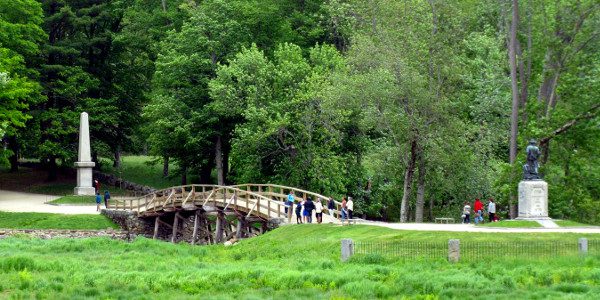
Feeling Small in the Presence of the Gods (April 2017, #138 in readership). One of the first pieces of “how to grow your blog” advice says “post things that make people feel good about themselves.” So I understand why a post that talks about feeling small might not do so well.
I wrote this about a week after living through the worst hail storm I’ve experienced in 16 years of living in Texas. I was safely indoors, but it could have been fatal to someone exposed to it with no shelter.
I am a polytheist first and foremost, but many of the Gods are Gods of Nature. Experiencing Them first-hand – whether in storms, in the immensities of ocean and wilderness, or in ecstatic communion – reminds us of how small we are compared to Them.
This is not the forced smallness and wholly otherness of fundamentalism. This is simply experiencing reality, which is that however strong and wise we may be, the Gods are more.
Accepting your smallness helps you respect the virtues of the Gods. It inspires you to learn those virtues and the values that flow from them, and in doing so to live a better life. That in turn helps you build a better world here and now, and over time, to become more God-like yourself.
Feeling small in the presence of the Gods is a good thing.
Even if we don’t like to be reminded of our smallness.
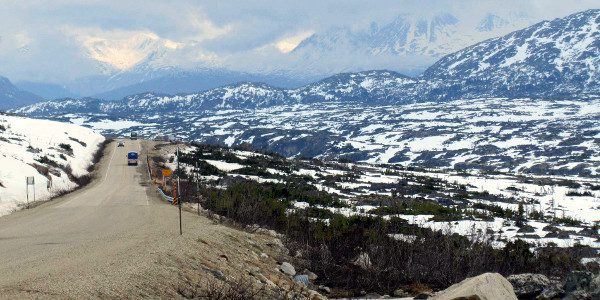
Spiritual Preparations For Leading Ritual (May 2017, #139 in readership). It’s usually pretty clear why a particular blog post doesn’t do well. It isn’t timely or engaging, it communicates a hard truth, it has a weak or confusing title, or it just isn’t very well written. But I cannot begin to figure out why this post did so poorly.
Leading a good ritual requires more than making all the necessary logistical preparations. Leading a good ritual requires spiritual preparation.
If you’re going to the trouble of leading a ritual – particularly a public ritual – put in the spiritual preparation as much as you do the logistical preparation.
Build a foundation for the ritual: understand the historical and theological context of what you’re doing. Strengthen your connections to all the spiritual beings you’ll be invoking at the ritual. Open yourself to service – prepare yourself to facilitate a religious experience for the participants. Do devotional readings, make invocations and offerings, and then listen for the presence of the Gods and spirits. And when you’re done, give thanks.
Even if you don’t lead public rituals, these steps will help you do a better job of leading private or solitary rituals. If it’s worth doing, it’s worth doing right.
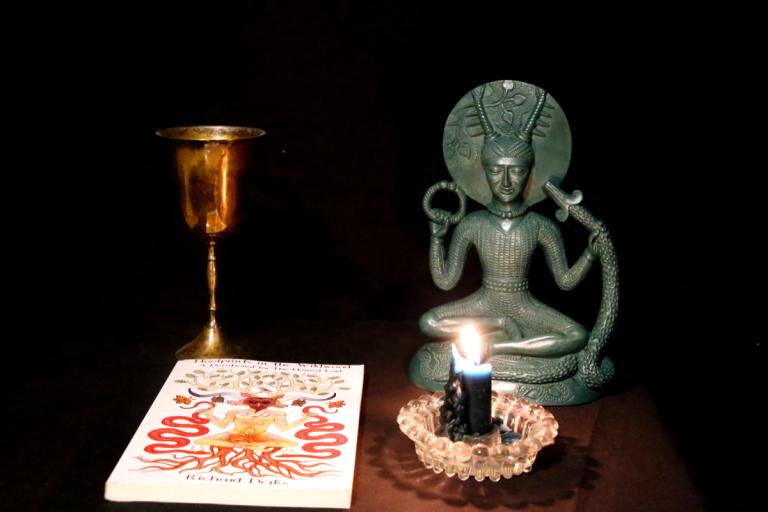
Thank you for reading and sharing, for commenting here and on Facebook, and for generally supporting Under the Ancient Oaks. On Wednesday I’ll talk about the posts you did read: the Top 10 Posts of 2017.
Previous Post

December 21, 2017
3 Events, 2 Books, and a Crow in a Live Oak Tree
Next Post

December 27, 2017 Top 10 Posts of 2017
Browse Our Archives
Select a Category Books Community CUUPS Druidry Foundations and Context Gods and Goddesses Magic Myth Nature Ritual Spiritual Practice Theology Travel Uncategorized Videos
Select a Month October 2026 September 2026 August 2026 July 2026 June 2026 May 2026 April 2026 March 2026 February 2026 January 2026 December 2025 November 2025 October 2025 September 2025 August 2025 July 2025 June 2025 May 2025 April 2025 March 2025 February 2025 January 2025 December 2024 November 2024 October 2024 September 2024 August 2024 July 2024 June 2024 May 2024 April 2024 March 2024 February 2024 January 2024 December 2023 November 2023 October 2023 September 2023 August 2023 July 2023 June 2023 May 2023 April 2023 March 2023 February 2023 January 2023 December 2022 November 2022 October 2022 September 2022 August 2022 July 2022 June 2022 May 2022 April 2022 March 2022 February 2022 January 2022 December 2021 November 2021 October 2021 September 2021 August 2021 July 2021 June 2021 May 2021 April 2021 March 2021 February 2021 January 2021 December 2020 November 2020 October 2020 September 2020 August 2020 July 2020 June 2020 May 2020 April 2020 March 2020 February 2020 January 2020 December 2019 November 2019 October 2019 September 2019 August 2019 July 2019 June 2019 May 2019 April 2019 March 2019 February 2019 January 2019 December 2018 November 2018 October 2018 September 2018 August 2018 July 2018 June 2018 May 2018 April 2018 March 2018 February 2018 January 2018 December 2017 November 2017 October 2017 September 2017 August 2017 July 2017 June 2017 May 2017 April 2017 March 2017 February 2017 January 2017 December 2016 November 2016 October 2016 September 2016 August 2016 July 2016 June 2016 May 2016 April 2016 March 2016 February 2016 January 2016 December 2015 November 2015 October 2015 September 2015 August 2015 July 2015 June 2015 May 2015 April 2015 March 2015 February 2015 January 2015 December 2014 November 2014 October 2014 September 2014 August 2014 July 2014 June 2014 May 2014 April 2014 March 2014 February 2014 January 2014 December 2013 November 2013 October 2013 September 2013 August 2013 July 2013 June 2013 May 2013 April 2013 March 2013 February 2013 January 2013 December 2012 November 2012 October 2012 September 2012 August 2012 July 2012 June 2012 May 2012 April 2012 March 2012 February 2012 January 2012 December 2011 November 2011 October 2011 September 2011 August 2011 July 2011 June 2011 May 2011 April 2011 March 2011 February 2011 January 2011 December 2010 November 2010 October 2010 September 2010 August 2010 July 2010 June 2010 May 2010 April 2010 March 2010 February 2010 January 2010 December 2009 November 2009 October 2009 September 2009 August 2009 July 2009 June 2009 May 2009 April 2009 March 2009 February 2009 January 2009 December 2008 November 2008 October 2008 September 2008 August 2008 July 2008 June 2008
Follow Us!
TAKE THE
Religious Wisdom Quiz
What was the primary agricultural tool in Biblical times?
Select your answer to see how you score.
Iron plow Wooden rake Bronze sickle Stone hoe
Related posts from John Beckett




What We Lose When “Ask AI” Becomes A...
TRENDING AT PATHEOS Pagan

The First Eucharistic Controversy: Christ’s Real Presence
For Catholics, the Eucharist is the source and summit of the Christian...

What a Stop Sign Can Teach Us About...
How to Make a Decision When You Can't Hear God Main point:...

Archdiocese Hosts Military Marriage Retreat in Germany
RASTATT, Germany — The transient military lifestyle, with its frequent deployments and...

Nearly every morning, I make the drive to Detroit with my high-school-age...

The Real AI Story Is Adoption Without Trust
Artificial intelligence has crossed a political threshold. It is no longer a...

A new article, written by Jeff Lindsay and Gale L. Pooley,...
view all Pagan blogs
Ad-Free & Subscriber Log-In Subscription Support
- About Us
- 2026 Calendar
- Videos
- Podcasts
- Library of World Religions
- Faith In Media Tracker
- Advertise With Us
- Write for Us
- Privacy Policy
- Terms of Service
- Do Not Sell My Data
- Contact Us
- Radiant Digital
- Manage Newsletter Subscriptions
- Unsubscribe From Notifications
- Sitemap
Copyright 2008-2026, Patheos. All rights reserved.
Subscription Support Ad-Free & Subscriber Log-In
Follow Patheos