
BuddhistCatholicContemplativeEvangelicalGeneral ChristianHinduJewishLatter-day SaintMuslimNew VisionsProgressive Christian
Beliefs
- Buddhist
- Catholic
- Contemplative
- Evangelical
- General Christian
- Hindu
- Jewish
- Latter-day Saint
- More Voices
- Muslim
- New Visions
- Pagan
- Progressive Christian
Topics
- Religion News
- Food and Religion
- Sports and Religion
- Religious Art
- Religious Music and Entertainment
- Religious Events
- History and Religion
- Style and Religion
- Politics and Religion
- Women in Religion
- Recreation Outdoors and Religion
- Business Finance and Religion
- Careers Workplace and Religion
- Education and Religion
- Family Parenting and Religion
- Health Fitness and Religion
- Home and Religion
- Relationships and Religion
- Technology and Religion
- Travel and Religion
Columnists
- Buddhist Columnists
- Business Finance and Religion Columnists
- Careers Workplace and Religion Columnists
- Catholic Columnists
- Contemplative Columnists
- Education and Religion Columnists
- Evangelists Columnists
- Family Parenting and Religion Columnists
- General Christian Columnists
- Health Fitness and Religion Columnists
- Hindu Columnists
- History and Religion Columnists
- Home and Religion Columnists
- Jewish Columnists
- More Voices Columnists
- Latter Day Columnists
- Muslim Columnists
- New Visions Columnists
- Nonreligious Columnists
- Pagan Columnists
- Politics and Religion Columnists
- Progressive Columnists
- Recreation Outdoors and Religion Columnists
- Relationships and Religion Columnists
- Religion News Columnists
- Religious Art Columnists
- Religious Events Columnists
- Religious Music and Entertainment Columnists
- Sports and Religion Columnists
- Style and Religion Columnists
- Technology and Religion Columnists
- Travel and Religion Columnists
- Women in Religion Columnists
Resource Library
- 2026 Calendar
- Library of World Religions
- The 100 Most Holy Places on Earth
- Patheos Answers
- Podcasts
- Videos
- Faith Leaders Database
- Anglican Episcopalian
- Bahai
- Baptist
- Buddhism
- Christianity
- Confucianism
- Eastern Orthodoxy
- Hinduism
- Holiness and Pentecostal
- ISKCON
- Islam
- Judaism
- Lutheran
- Methodist
- The Church of Jesus Christ of Latter-day Saints
- New Age
- Paganism
- Presbytarian and Reformed
- Protestantism
- Religion Behind the Scenes
- Roman Catholic
- Scientology
- Shia Islam
- Sikhism
- Sufism
- Sunni Islam
- Taoism
- Zen
- See all religions
Research Tools
 Ad-Free & Subscriber Log-In Subscription Support
Ad-Free & Subscriber Log-In Subscription Support
Follow Patheos 

- Trending:
- Forgiveness
- |
- Marriage
- |
- Consciousness
- |
- Death Penalty
- |
- Election
- |
- Halloween

- Home
- Pagan
- A Legacy of Magic
A Legacy of Magic
Last updated on: October 6, 2016 at 5:43 pm by John Beckett
A Legacy of Magic 2016-10-06T17:43:34-06:00 John Beckett
Patheos Explore the world's faith through different perspectives on religion and spirituality! Patheos has the views of the prevalent religions and spiritualities of the world.
 Figuring out where religion ends and magic begins is only slightly less complicated than figuring out where religion ends and politics begins. Religion and magic both deal with things that are generally considered supernatural. I argue that much of what is considered supernatural is simply an inadequate understanding of the natural world that gives too much weight to atheistic materialism, but that’s another rant for another day.
Aleister Crowley’s classic definition of magic is “the science and art of causing change to occur in conformity with will.” Using that definition (or pretty much any other common definition), most religions are full of magic.
Judaism has the Passover story of blood over the doorposts and Moses parting the Red Sea. Christianity has the miracles of Jesus and the apostles, transubstantiation, and the forgiveness of sins. We don’t know much about ancient Druidry, but there are numerous references to Druid magic in the historic and literary records, including shapeshifting. Even the non-theistic versions of Buddhism have the changes in consciousness produced by mindfulness and meditation.
But religion has always had an uneasy relationship with magic. Religion (from the Latin religare: “to bind together”) is largely a group thing – common beliefs and common practices maintain social order and good relationships with the Gods and spirits. Magic is powerful – individuals may use it to put personal gain above the common good, to harm those who have wronged or slighted them, or just to subvert authority. Most of us know the Old Testament prescribes death for the malicious use of magic, but so did Roman law. Even today, there are places in the world where those suspected of witchcraft are regularly killed.
Despite these concerns, most religions have a tradition of magic within them. Sometimes especially holy people are considered “safe” to study magic. More frequently, ordinary people just do it because they have a need for it.
So, what is – or what should be – magic’s place in our contemporary polytheist religions and traditions?
Some polytheists ignore magic, preferring to focus on devotion to the Gods, ancestors, and spirits. Some think magic is an impious attempt to usurp power that rightfully belongs to the Gods.
I came to polytheism through the modern Pagan movement, with its strong emphasis on magic and witchcraft. Having learned a few things along the way, I’m not inclined to give them up. Every other religion has a tradition of magic within it, whether that tradition is official, unacknowledged, or actively opposed by orthodox leadership. And given the general decline of the wider world, our need for magic grows stronger every day.
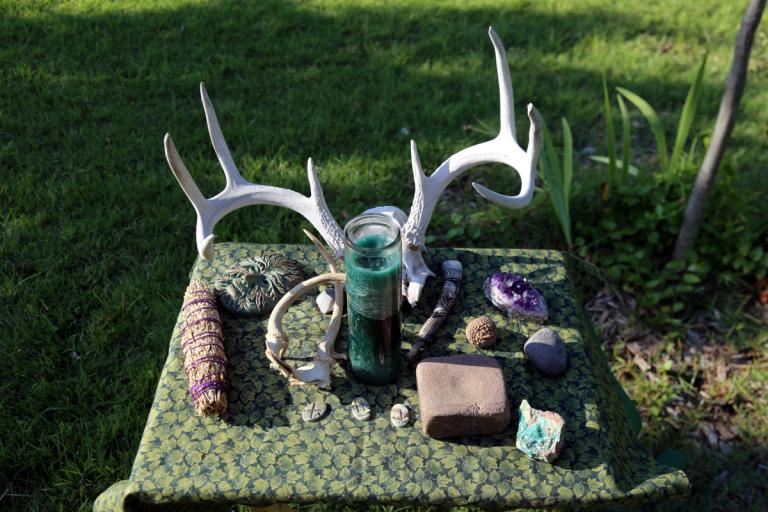 So I say magic is part of our heritage – let’s embrace it. Let’s study it, learn it, practice it, and teach it. Let’s incorporate it into our private practices and our group workings. Let’s incorporate it into our public rituals and celebrations, at least to the extent we can do so responsibly. Those old fears of witchcraft aren’t entirely unfounded – some people can’t be trusted with magic. And some people can’t or don’t want to deal with the risks involved in serious magic. But magic is part of our legacy, and we do ourselves no favors if we reject it.
Each polytheist religion and each individual polytheist must make their own decision as to the place of magic in their tradition and practice. But the polytheism I practice, teach, and advocate for includes magic.
What kind of magic, you ask? While I’m not a chaos magician, I take a very chaos magic approach to that question: the kind of magic that works. There are four basic categories of magic I work with.
Theurgy (“God – working”) is magic done through or with the assistance of divine beings. Sometimes this is a simple as intercessory prayer – asking a deity for a blessing or assistance. More frequently it involves invoking or meditating on a God or spirit in order to absorb some of Their divine essence and become more God-like yourself. This is a worthy goal and there are numerous groups and traditions that teach this practice, many that are part of the Western Mystery Tradition.
However, some of what is often called theurgy would be better described as applied psychology. While I do not want to reopen that can of worms, I do want to point out that polytheism is the religious regard for many real Gods. Polytheist theurgy is grounded in respectful reciprocal relationships, not on discovering your true self (which is a good and necessary goal, but it’s not theurgy and it’s not polytheism).
Energy magic is the psychic manipulation of power for everything from grounding and centering to shielding to stopping a Nazi invasion. Sometimes it involves drawing power up from the Earth and down from the Sky, as with the ADF Two Powers meditation. Other times it involves raising power through dancing, chanting, drumming, or other activities, and then releasing it toward a target, as in a typical Wiccan ritual.
Energy magic is simple and intuitive, in large part because of its many parallels in fiction and popular culture. Don’t expect to ever see sparks shooting from your fingertips, but do the work and you can feel the energy moving through you.
Some have criticized energy magic’s authenticity, claiming it was unheard of prior to the early 20th century… which, coincidentally, was when electricity and radio became commonplace. That may be true (it strikes me as likely, though my knowledge of magical history isn’t strong enough to say for sure), but I’ve used it successfully enough times that its origin isn’t really important any more. It works – that’s all that matters.
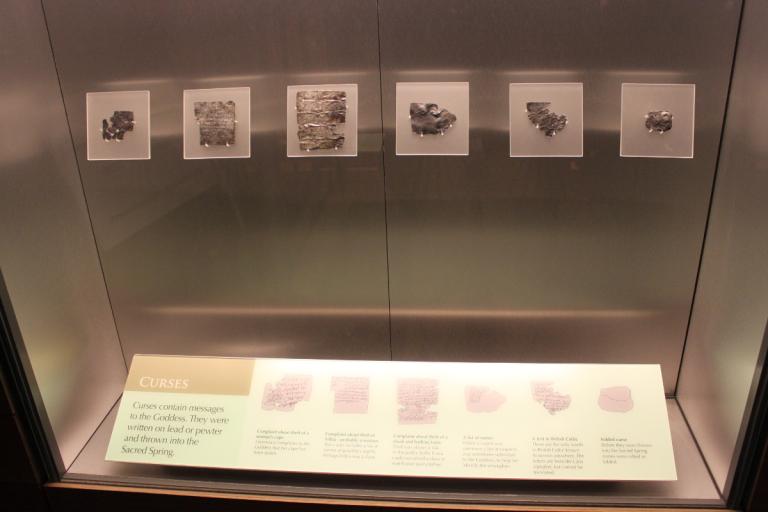
Roman curse tablets – Bath, England
Traditional witchcraft is quite popular these days and its exact boundaries are rather unclear. Here I’m referring to home remedies, dowsing, poppets, candle magic, herb magic, and general kitchen witchery. Call it rootwork, call it hoodoo – it’s the magic of the cunning men and women of Britain and Ireland and their Appalachian relatives.
It is largely (but not entirely) sympathetic magic based on associations and correspondences (“this is like that, therefore this will influence that”). It is secular in nature, but it’s frequently wrapped up in Christian references and imagery – because the people practicing it have been Christians.
Want a good introduction? Pick up one of Byron Ballard’s books, or catch her classes at one of the Pagan gatherings where she’s teaching.
Sigil magic is my favorite tool for magical workings. It’s the graphical process of writing your goal, converting it from an English (or your language of choice) sentence into a visual glyph, activating the sigil, then letting it go. It’s simple, straightforward, and effective. This 2012 Rune Soup blog post from Gordon White tells you everything you need to know about what sigil magic is, why it works, and how to use it. If you want more, get Gordon’s book The Chaos Protocols.
I’m an engineer with an insatiable curiosity – I want to know how things work. I have a few thoughts on the matter, but they’re more “mostly plausible hypotheses” than fully developed theories. Our attempts to develop good, robust theories of magic are hampered by the materialist assumptions of our mainstream society. We’re going to have to deepen our understanding and acceptance of animism and the spirit world before we can make much progress on theories of magic. Or at least I am.
Other than theurgy, these forms of magic have little if anything to do with the religious regard for many real Gods. They aren’t part of polytheism, much less a requirement of it. But magic has been a part of religion since the beginnings of religion, and it is part of the polytheist religion I practice. Magic is our legacy, one we would do well to reclaim and relearn.
Previous Post

October 4, 2016
A Legacy of Oracles and Seers
Next Post

October 9, 2016 A Pagan Crisis of Faith
Browse Our Archives
Select a Category Books Community CUUPS Druidry Foundations and Context Gods and Goddesses Magic Myth Nature Ritual Spiritual Practice Theology Travel Uncategorized Videos
Select a Month October 2026 September 2026 August 2026 July 2026 June 2026 May 2026 April 2026 March 2026 February 2026 January 2026 December 2025 November 2025 October 2025 September 2025 August 2025 July 2025 June 2025 May 2025 April 2025 March 2025 February 2025 January 2025 December 2024 November 2024 October 2024 September 2024 August 2024 July 2024 June 2024 May 2024 April 2024 March 2024 February 2024 January 2024 December 2023 November 2023 October 2023 September 2023 August 2023 July 2023 June 2023 May 2023 April 2023 March 2023 February 2023 January 2023 December 2022 November 2022 October 2022 September 2022 August 2022 July 2022 June 2022 May 2022 April 2022 March 2022 February 2022 January 2022 December 2021 November 2021 October 2021 September 2021 August 2021 July 2021 June 2021 May 2021 April 2021 March 2021 February 2021 January 2021 December 2020 November 2020 October 2020 September 2020 August 2020 July 2020 June 2020 May 2020 April 2020 March 2020 February 2020 January 2020 December 2019 November 2019 October 2019 September 2019 August 2019 July 2019 June 2019 May 2019 April 2019 March 2019 February 2019 January 2019 December 2018 November 2018 October 2018 September 2018 August 2018 July 2018 June 2018 May 2018 April 2018 March 2018 February 2018 January 2018 December 2017 November 2017 October 2017 September 2017 August 2017 July 2017 June 2017 May 2017 April 2017 March 2017 February 2017 January 2017 December 2016 November 2016 October 2016 September 2016 August 2016 July 2016 June 2016 May 2016 April 2016 March 2016 February 2016 January 2016 December 2015 November 2015 October 2015 September 2015 August 2015 July 2015 June 2015 May 2015 April 2015 March 2015 February 2015 January 2015 December 2014 November 2014 October 2014 September 2014 August 2014 July 2014 June 2014 May 2014 April 2014 March 2014 February 2014 January 2014 December 2013 November 2013 October 2013 September 2013 August 2013 July 2013 June 2013 May 2013 April 2013 March 2013 February 2013 January 2013 December 2012 November 2012 October 2012 September 2012 August 2012 July 2012 June 2012 May 2012 April 2012 March 2012 February 2012 January 2012 December 2011 November 2011 October 2011 September 2011 August 2011 July 2011 June 2011 May 2011 April 2011 March 2011 February 2011 January 2011 December 2010 November 2010 October 2010 September 2010 August 2010 July 2010 June 2010 May 2010 April 2010 March 2010 February 2010 January 2010 December 2009 November 2009 October 2009 September 2009 August 2009 July 2009 June 2009 May 2009 April 2009 March 2009 February 2009 January 2009 December 2008 November 2008 October 2008 September 2008 August 2008 July 2008 June 2008
Follow Us!
TAKE THE
Religious Wisdom Quiz
In order to please God you need …
Select your answer to see how you score.
Hope Houses Faith To go to the Temple
Related posts from John Beckett




What We Lose When “Ask AI” Becomes A...
TRENDING AT PATHEOS Pagan

Swimfan: Forgotten Aughts Pleasures
This is a recovery effort. In 2002, My Big Fat Greek Wedding...

Top Three Anti-Catholic Lies About Catholicism
This is my initial transcript for the video, "THE 3 WORST...

Pope Leo Celebrates Mass for Nurses & Docs...
I don't have any idea how he did it, but Pope Leo...

The Sermon on the Mount, Part I: Matthew...
The Sermon on the Mount, Part I (Matthew 4:12-5:12) St. Matthew moves...

What's up from Crossway: Reviewing some of their latest A few weeks...

Janie Learns the Way of the Cross: A...
Teaching children about Jesus' Passion can be challenging. Many parents and educators...
view all Pagan blogs
Ad-Free & Subscriber Log-In Subscription Support
- About Us
- 2026 Calendar
- Videos
- Podcasts
- Library of World Religions
- Faith In Media Tracker
- Advertise With Us
- Write for Us
- Privacy Policy
- Terms of Service
- Do Not Sell My Data
- Contact Us
- Radiant Digital
- Manage Newsletter Subscriptions
- Unsubscribe From Notifications
- Sitemap
Copyright 2008-2026, Patheos. All rights reserved.
Subscription Support Ad-Free & Subscriber Log-In
Follow Patheos