
BuddhistCatholicContemplativeEvangelicalGeneral ChristianHinduJewishLatter-day SaintMuslimNew VisionsProgressive Christian
Beliefs
- Buddhist
- Catholic
- Contemplative
- Evangelical
- General Christian
- Hindu
- Jewish
- Latter-day Saint
- More Voices
- Muslim
- New Visions
- Pagan
- Progressive Christian
Topics
- Religion News
- Food and Religion
- Sports and Religion
- Religious Art
- Religious Music and Entertainment
- Religious Events
- History and Religion
- Style and Religion
- Politics and Religion
- Women in Religion
- Recreation Outdoors and Religion
- Business Finance and Religion
- Careers Workplace and Religion
- Education and Religion
- Family Parenting and Religion
- Health Fitness and Religion
- Home and Religion
- Relationships and Religion
- Technology and Religion
- Travel and Religion
Columnists
- Buddhist Columnists
- Business Finance and Religion Columnists
- Careers Workplace and Religion Columnists
- Catholic Columnists
- Contemplative Columnists
- Education and Religion Columnists
- Evangelists Columnists
- Family Parenting and Religion Columnists
- General Christian Columnists
- Health Fitness and Religion Columnists
- Hindu Columnists
- History and Religion Columnists
- Home and Religion Columnists
- Jewish Columnists
- More Voices Columnists
- Latter Day Columnists
- Muslim Columnists
- New Visions Columnists
- Nonreligious Columnists
- Pagan Columnists
- Politics and Religion Columnists
- Progressive Columnists
- Recreation Outdoors and Religion Columnists
- Relationships and Religion Columnists
- Religion News Columnists
- Religious Art Columnists
- Religious Events Columnists
- Religious Music and Entertainment Columnists
- Sports and Religion Columnists
- Style and Religion Columnists
- Technology and Religion Columnists
- Travel and Religion Columnists
- Women in Religion Columnists
Resource Library
- 2026 Calendar
- Library of World Religions
- The 100 Most Holy Places on Earth
- Patheos Answers
- Podcasts
- Videos
- Faith Leaders Database
- Anglican Episcopalian
- Bahai
- Baptist
- Buddhism
- Christianity
- Confucianism
- Eastern Orthodoxy
- Hinduism
- Holiness and Pentecostal
- ISKCON
- Islam
- Judaism
- Lutheran
- Methodist
- The Church of Jesus Christ of Latter-day Saints
- New Age
- Paganism
- Presbytarian and Reformed
- Protestantism
- Religion Behind the Scenes
- Roman Catholic
- Scientology
- Shia Islam
- Sikhism
- Sufism
- Sunni Islam
- Taoism
- Zen
- See all religions
Research Tools
 Ad-Free & Subscriber Log-In Subscription Support
Ad-Free & Subscriber Log-In Subscription Support
Follow Patheos 

- Trending:
- Forgiveness
- |
- Marriage
- |
- Consciousness
- |
- Death Penalty
- |
- Election
- |
- Halloween

- Home
- Pagan
- Intuitive Animism
Intuitive Animism
Last updated on: August 13, 2016 at 4:57 pm by John Beckett
Intuitive Animism 2016-08-13T16:57:43-06:00 John Beckett
Patheos Explore the world's faith through different perspectives on religion and spirituality! Patheos has the views of the prevalent religions and spiritualities of the world.
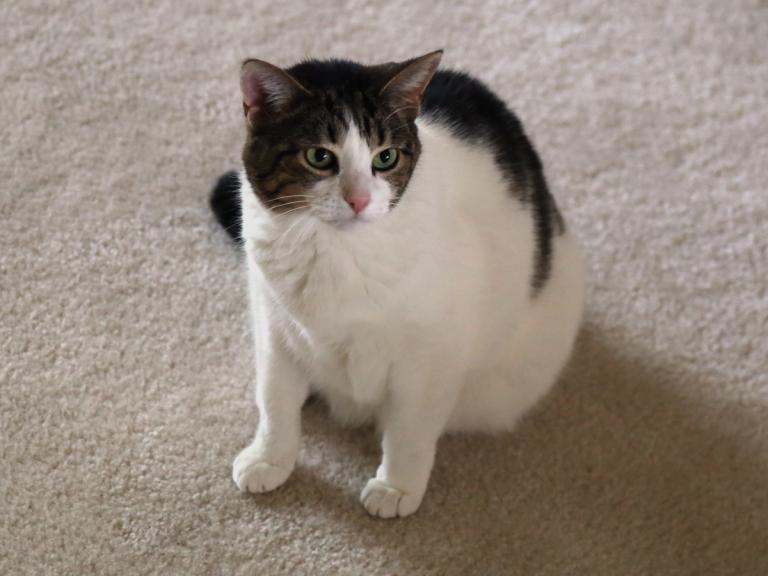
Sophie: Queen of the House
Do you talk to your cat? Of course you do. I don’t know a single cat owner – excuse me, a person who is owned by cats – who doesn’t talk to their feline friends. I’m not a dog person, but I see much the same behavior from them. Why do we do this? Even small children realize cats can’t understand language. But our intuition tells us we can communicate with them. And so we do, even if all they hear is voice tone and body language.
Do you talk to trees? That’s not as common as talking to animals, but if you’re any sort of Nature centered Pagan, you’ve probably done it. You asked permission before taking a tree branch to make a wand or before harvesting an herb that grows in your back yard. Every so often I see an article that recommends talking to your house plants. They usually try to explain it away in materialist terms, but those of us who’ve done it regularly know there’s something more involved.
That something more is personhood. We intuitively recognize something of ourselves in cats and dogs, in plants and trees, and if we’re paying really close attention, in mountains and rivers. These aren’t things, they’re persons. They have inherent value and worth that does not depend on their usefulness or desirability to humans. Whatever animates us also animates cats and dogs, trees and rocks, rivers and storms. Whatever inherent sovereignty we possess, every other creature, ecosystem, and natural force also possesses.
This is a form of animism that is intuitive even to us here in the 21st century West.

In her book The Wakeful World, Emma Restall Orr gives a more sophisticated definition of animism that states everything has mind and that mind and matter are not separate. She says we can never see the world as it actually is, but only our idea of it – and our ideas are “data processed through the filters of perception established by beliefs based on limitations and experience.” We don’t see the personhood of cats and trees and lakes because the mainstream religion tells us we alone were made “in the image of God” – and we like being in the top position. It lets us justify exploiting other persons for our own greed.
Are all these persons (including ourselves) inhabited by spirits? Are all these persons spirits who are currently manifesting in a physical form? Or are the spirit and the form inseparable elements of one whole person? I don’t know. My intuition tells me everything is inspirited – it does not tell me the structure of the spirits involved.
If you don’t hear much about animism, it’s because early anthropologists and the school texts based from their work called it primitive. They presented a model of “progress” that went from superstition to animism to polytheism to monotheism to proper Protestant Christianity. In the last 50 years or so, that model has been extended to make atheism the pinnacle of human progress. We like to think of ourselves as “advanced” and those who came before us as “primitive” – the idea that our ancient ancestors’ thinking might be more accurate and more helpful never occurs to us.
But we still talk to our cats.
If every other creature, ecosystem, and natural force is a person, can we communicate with them? Should we communicate with them? Yes, but…
Would you go up to a random person on the street and say “what do you have to teach me?” Of course you wouldn’t (or at least, I hope you wouldn’t). Then why would you go up to a random tree or bird and ask the same question? If you don’t think a random person on the street has some message for you, don’t assume a random bird or tree does either.
Would you go up to a Buddhist monk on the street and say “what do you have to teach me?” You might. It would be rude and presumptive, and he might teach you not to act so entitled in a way you wouldn’t particularly like, but at least there’s reason to believe a monk might actually be willing and able to teach you something useful.
Now, if you bought the monk a cup of tea and sat with him while he drank it, he might be inclined to teach you something more in line with what you had in mind. If you started attending meditation and dharma lessons at his temple, you’d probably learn a lot more. You might even develop a friendship with the monk.
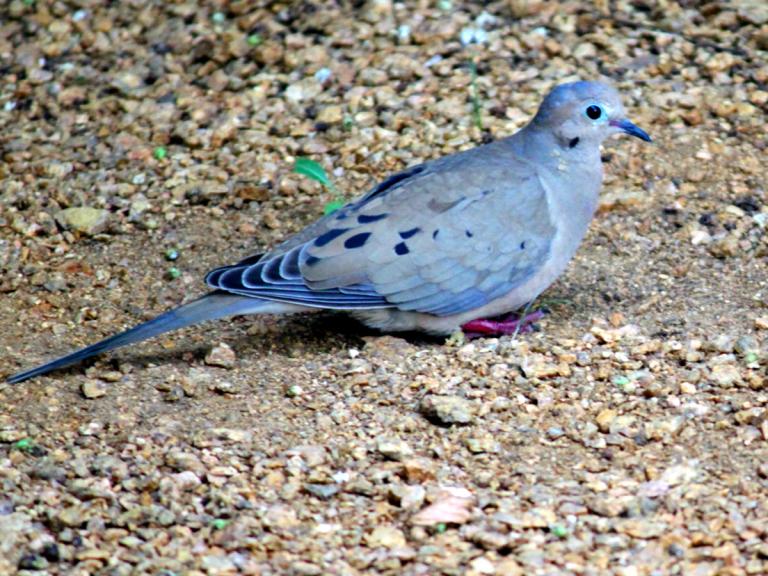 We can best learn from other persons – human or other-than-human – when we’re in relationship with them. You can learn a lot from a bird or a tree, but it works best when you’re in a respectful and reciprocal relationship with them. If they’re persons – and they are – then treat them like persons, not like things.
The same intuition that tells us we can find a person in a cat or a tree or a mountain will also tell us we can find a person (or many persons) in our dreams, our devotions, our divination, and our worship. Whatever else the Gods may be, they are also persons. And just as we would not go up to a random person on the street and ask them to teach us something or give us something, neither should we approach a random deity and ask Them to fix our problems or lead us to enlightenment.
As with people, our interactions with the Gods work best in a respectful, reciprocal relationship.
Animism is not the same thing as polytheism, and it is not a necessary component of polytheism. You can affirm the religious regard for many real Gods and still think a mountain is an inanimate object and a cat is just an animal (but good luck convincing your cat of that). Likewise, polytheism is not a requirement of animism. You can recognize and interact with the persons in or of plants and rivers still think there are no Gods.
But animism is a part of my polytheism. It provides a framework for an inspirited and enchanted world, a world where everything you see and touch and feel and sense is not a thing, but a person worthy of your respect and capable of entering into a reciprocal relationship with you – if that person so chooses. Those persons include the Gods. Animism teaches that just as I don’t relate to a cat or a tree in exactly the same way as I relate to another human, I may need to relate to Gods in different ways as well.
But mainly, animism serves as a constant reminder to respect the dignity and sovereignty of all persons, whether they are human or not.
Previous Post

August 1, 2016
A Savior Isn’t Coming
Next Post

August 4, 2016 Pieces of Eight
Browse Our Archives
Select a Category Books Community CUUPS Druidry Foundations and Context Gods and Goddesses Magic Myth Nature Ritual Spiritual Practice Theology Travel Uncategorized Videos
Select a Month October 2026 September 2026 August 2026 July 2026 June 2026 May 2026 April 2026 March 2026 February 2026 January 2026 December 2025 November 2025 October 2025 September 2025 August 2025 July 2025 June 2025 May 2025 April 2025 March 2025 February 2025 January 2025 December 2024 November 2024 October 2024 September 2024 August 2024 July 2024 June 2024 May 2024 April 2024 March 2024 February 2024 January 2024 December 2023 November 2023 October 2023 September 2023 August 2023 July 2023 June 2023 May 2023 April 2023 March 2023 February 2023 January 2023 December 2022 November 2022 October 2022 September 2022 August 2022 July 2022 June 2022 May 2022 April 2022 March 2022 February 2022 January 2022 December 2021 November 2021 October 2021 September 2021 August 2021 July 2021 June 2021 May 2021 April 2021 March 2021 February 2021 January 2021 December 2020 November 2020 October 2020 September 2020 August 2020 July 2020 June 2020 May 2020 April 2020 March 2020 February 2020 January 2020 December 2019 November 2019 October 2019 September 2019 August 2019 July 2019 June 2019 May 2019 April 2019 March 2019 February 2019 January 2019 December 2018 November 2018 October 2018 September 2018 August 2018 July 2018 June 2018 May 2018 April 2018 March 2018 February 2018 January 2018 December 2017 November 2017 October 2017 September 2017 August 2017 July 2017 June 2017 May 2017 April 2017 March 2017 February 2017 January 2017 December 2016 November 2016 October 2016 September 2016 August 2016 July 2016 June 2016 May 2016 April 2016 March 2016 February 2016 January 2016 December 2015 November 2015 October 2015 September 2015 August 2015 July 2015 June 2015 May 2015 April 2015 March 2015 February 2015 January 2015 December 2014 November 2014 October 2014 September 2014 August 2014 July 2014 June 2014 May 2014 April 2014 March 2014 February 2014 January 2014 December 2013 November 2013 October 2013 September 2013 August 2013 July 2013 June 2013 May 2013 April 2013 March 2013 February 2013 January 2013 December 2012 November 2012 October 2012 September 2012 August 2012 July 2012 June 2012 May 2012 April 2012 March 2012 February 2012 January 2012 December 2011 November 2011 October 2011 September 2011 August 2011 July 2011 June 2011 May 2011 April 2011 March 2011 February 2011 January 2011 December 2010 November 2010 October 2010 September 2010 August 2010 July 2010 June 2010 May 2010 April 2010 March 2010 February 2010 January 2010 December 2009 November 2009 October 2009 September 2009 August 2009 July 2009 June 2009 May 2009 April 2009 March 2009 February 2009 January 2009 December 2008 November 2008 October 2008 September 2008 August 2008 July 2008 June 2008
Follow Us!
TAKE THE
Religious Wisdom Quiz
What does "Zion" (as in Mount Zion) mean?
Select your answer to see how you score.
Light Spirit Fortress River
Related posts from John Beckett




What We Lose When “Ask AI” Becomes A...
TRENDING AT PATHEOS Pagan

57th Dove Awards Honor Dolly Parton, Crown New...
On gospel music’s biggest night, the 57th annual GMA Dove Awards honored...

The First Eucharistic Controversy: Christ’s Real Presence
For Catholics, the Eucharist is the source and summit of the Christian...

What a Stop Sign Can Teach Us About...
How to Make a Decision When You Can't Hear God Main point:...

Archdiocese Hosts Military Marriage Retreat in Germany
RASTATT, Germany — The transient military lifestyle, with its frequent deployments and...

Nearly every morning, I make the drive to Detroit with my high-school-age...

The Real AI Story Is Adoption Without Trust
Artificial intelligence has crossed a political threshold. It is no longer a...
view all Pagan blogs
Ad-Free & Subscriber Log-In Subscription Support
- About Us
- 2026 Calendar
- Videos
- Podcasts
- Library of World Religions
- Faith In Media Tracker
- Advertise With Us
- Write for Us
- Privacy Policy
- Terms of Service
- Do Not Sell My Data
- Contact Us
- Radiant Digital
- Manage Newsletter Subscriptions
- Unsubscribe From Notifications
- Sitemap
Copyright 2008-2026, Patheos. All rights reserved.
Subscription Support Ad-Free & Subscriber Log-In
Follow Patheos