
BuddhistCatholicContemplativeEvangelicalGeneral ChristianHinduJewishLatter-day SaintMuslimNew VisionsProgressive Christian
Beliefs
- Buddhist
- Catholic
- Contemplative
- Evangelical
- General Christian
- Hindu
- Jewish
- Latter-day Saint
- More Voices
- Muslim
- New Visions
- Pagan
- Progressive Christian
Topics
- Religion News
- Food and Religion
- Sports and Religion
- Religious Art
- Religious Music and Entertainment
- Religious Events
- History and Religion
- Style and Religion
- Politics and Religion
- Women in Religion
- Recreation Outdoors and Religion
- Business Finance and Religion
- Careers Workplace and Religion
- Education and Religion
- Family Parenting and Religion
- Health Fitness and Religion
- Home and Religion
- Relationships and Religion
- Technology and Religion
- Travel and Religion
Columnists
- Buddhist Columnists
- Business Finance and Religion Columnists
- Careers Workplace and Religion Columnists
- Catholic Columnists
- Contemplative Columnists
- Education and Religion Columnists
- Evangelists Columnists
- Family Parenting and Religion Columnists
- General Christian Columnists
- Health Fitness and Religion Columnists
- Hindu Columnists
- History and Religion Columnists
- Home and Religion Columnists
- Jewish Columnists
- More Voices Columnists
- Latter Day Columnists
- Muslim Columnists
- New Visions Columnists
- Nonreligious Columnists
- Pagan Columnists
- Politics and Religion Columnists
- Progressive Columnists
- Recreation Outdoors and Religion Columnists
- Relationships and Religion Columnists
- Religion News Columnists
- Religious Art Columnists
- Religious Events Columnists
- Religious Music and Entertainment Columnists
- Sports and Religion Columnists
- Style and Religion Columnists
- Technology and Religion Columnists
- Travel and Religion Columnists
- Women in Religion Columnists
Resource Library
- 2026 Calendar
- Library of World Religions
- The 100 Most Holy Places on Earth
- Patheos Answers
- Podcasts
- Videos
- Faith Leaders Database
- Anglican Episcopalian
- Bahai
- Baptist
- Buddhism
- Christianity
- Confucianism
- Eastern Orthodoxy
- Hinduism
- Holiness and Pentecostal
- ISKCON
- Islam
- Judaism
- Lutheran
- Methodist
- The Church of Jesus Christ of Latter-day Saints
- New Age
- Paganism
- Presbytarian and Reformed
- Protestantism
- Religion Behind the Scenes
- Roman Catholic
- Scientology
- Shia Islam
- Sikhism
- Sufism
- Sunni Islam
- Taoism
- Zen
- See all religions
Research Tools
 Ad-Free & Subscriber Log-In Subscription Support
Ad-Free & Subscriber Log-In Subscription Support
Follow Patheos 

- Trending:
- Forgiveness
- |
- Marriage
- |
- Consciousness
- |
- Death Penalty
- |
- Election
- |
- Halloween

- Home
- Pagan
- Composing Initiation Rituals
Composing Initiation Rituals
Last updated on: May 20, 2015 at 6:00 am by John Beckett
Composing Initiation Rituals 2015-05-14T17:37:37-06:00 John Beckett
Patheos Explore the world's faith through different perspectives on religion and spirituality! Patheos has the views of the prevalent religions and spiritualities of the world.
Patheos is running a feature this month on Rites of Passage. This week, I’m pulling up five posts from my old Blogger site on the topic of initiation, making a few updates, and putting them up front for your consideration. Here’s the third: “Composing Initiation Rituals” from January 2011.
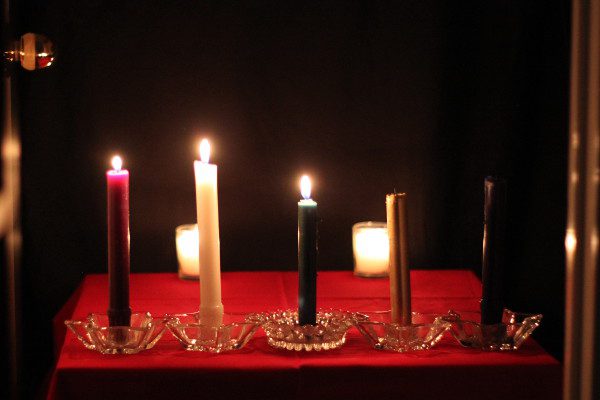 A member of your Pagan group has asked you for an initiation. After some conversation, you’re convinced the desire is genuine and the expectations are realistic. You’re not part of an organization that has an established initiation ritual and a policy on who can be initiated and how. Now what do you do?
As with any new endeavor, begin by educating yourself. Fortunately, even though the details of most initiations are shrouded in secrecy, there’s a lot of information available on the internet – more than enough to give you a good idea of what to do and how to do it.
Start with Isaac Bonewits’ essay on the three types of initiation. Google “Wiccan initiation” “Pagan initiation” “Druid initiation” and any other flavors that occur to you. There’s a lot of crap on the internet, but if you’ve learned enough that someone is asking you for an initiation, presumably you know how to tell the crap from the not-crap. Read a lot, from a lot of different sources. As you do, you’ll start to notice themes and elements that are common in many initiation rituals. Keep a running list of things that sound promising.
SacredTexts.com has Gerald Gardner’s First Degree, Second Degree, and Third Degree initiation ceremonies. Like much of Gardner’s early work, they’re rather rough, but they make for interesting reading. They also have a series of Masonic initiation rituals, which are much more elaborate.
Do not simply select a ritual that looks nice and perform it with little or no modification. Every ritual – for initiation or otherwise – was written for a specific group of people in a specific place and time. Feel free to “borrow and blend” (noting and giving proper attribution to your sources), but the final ritual should be something that fits your group, its members and its traditions.
Once you’ve collected and studied enough source material and you start to get an idea of what you do and don’t want to include, it’s time to start thinking about logistics.
Who will perform the ritual? Just you? Other senior members of your group? Everyone? A one-on-one initiation limits what you can do, and two isn’t much better. Three can do most anything you need. More is nice, but avoid splitting the leadership roles beyond three or four to maintain continuity. If you have a lot of participants, you’re probably better off using most of them for support (forming a circle, drumming, chanting, etc).
Will it be a closed ceremony or will non-members be allowed to observe? Initiations are traditionally done in private. They are sacred ceremonies, with the root of “sacred” meaning “set apart.” Restricting attendance to those who are have been through this ceremony or similar ceremonies reinforces the sacred nature of initiation. On the other hand, some groups and traditions have strong feelings that everything should be open and transparent. My preference is for closed initiations, but they can be done either way. Just make sure you know which you’re doing before you start writing the ceremony.
Where will it be done? Indoors or outdoors? If outdoors, what will you do if it rains or snows? Or here in Texas, if it’s 110 degrees? Indoors offers more privacy and a controlled environment, but outdoors allows for better communion with the elements. I’ve done both and I prefer outdoors. I like working in Nature, plus it’s very difficult to do a ritual procession indoors unless you have a really big building to work with. A good initiation can be done either way, but again you need to know the limitations of the site before you start writing.
When will it be done? Day or night? Full moon, new moon, or does it matter? At a particular season or sabbat? On the first Saturday when everyone is available? At the OBOD Gorsedd, our Bardic and Ovate initiations were done at night, but the Druid grade initiations were done at dawn. When I’ve led initiations I’ve tried to do them at or around a full moon, but we’ve deviated from that when scheduling difficulties would have meant a long wait. There are valid reasons to do initiations at all sorts of times – make sure you know what you’re doing and why and plan accordingly.
Once you know who, where, and when, you can start writing the ritual itself.
Tomorrow: an account of an actual initiation

Previous Post

May 19, 2015
Planning Initiation Rituals
Next Post
May 21, 2015 Initiation
Browse Our Archives
Select a Category Books Community CUUPS Druidry Foundations and Context Gods and Goddesses Magic Myth Nature Ritual Spiritual Practice Theology Travel Uncategorized Videos
Select a Month October 2026 September 2026 August 2026 July 2026 June 2026 May 2026 April 2026 March 2026 February 2026 January 2026 December 2025 November 2025 October 2025 September 2025 August 2025 July 2025 June 2025 May 2025 April 2025 March 2025 February 2025 January 2025 December 2024 November 2024 October 2024 September 2024 August 2024 July 2024 June 2024 May 2024 April 2024 March 2024 February 2024 January 2024 December 2023 November 2023 October 2023 September 2023 August 2023 July 2023 June 2023 May 2023 April 2023 March 2023 February 2023 January 2023 December 2022 November 2022 October 2022 September 2022 August 2022 July 2022 June 2022 May 2022 April 2022 March 2022 February 2022 January 2022 December 2021 November 2021 October 2021 September 2021 August 2021 July 2021 June 2021 May 2021 April 2021 March 2021 February 2021 January 2021 December 2020 November 2020 October 2020 September 2020 August 2020 July 2020 June 2020 May 2020 April 2020 March 2020 February 2020 January 2020 December 2019 November 2019 October 2019 September 2019 August 2019 July 2019 June 2019 May 2019 April 2019 March 2019 February 2019 January 2019 December 2018 November 2018 October 2018 September 2018 August 2018 July 2018 June 2018 May 2018 April 2018 March 2018 February 2018 January 2018 December 2017 November 2017 October 2017 September 2017 August 2017 July 2017 June 2017 May 2017 April 2017 March 2017 February 2017 January 2017 December 2016 November 2016 October 2016 September 2016 August 2016 July 2016 June 2016 May 2016 April 2016 March 2016 February 2016 January 2016 December 2015 November 2015 October 2015 September 2015 August 2015 July 2015 June 2015 May 2015 April 2015 March 2015 February 2015 January 2015 December 2014 November 2014 October 2014 September 2014 August 2014 July 2014 June 2014 May 2014 April 2014 March 2014 February 2014 January 2014 December 2013 November 2013 October 2013 September 2013 August 2013 July 2013 June 2013 May 2013 April 2013 March 2013 February 2013 January 2013 December 2012 November 2012 October 2012 September 2012 August 2012 July 2012 June 2012 May 2012 April 2012 March 2012 February 2012 January 2012 December 2011 November 2011 October 2011 September 2011 August 2011 July 2011 June 2011 May 2011 April 2011 March 2011 February 2011 January 2011 December 2010 November 2010 October 2010 September 2010 August 2010 July 2010 June 2010 May 2010 April 2010 March 2010 February 2010 January 2010 December 2009 November 2009 October 2009 September 2009 August 2009 July 2009 June 2009 May 2009 April 2009 March 2009 February 2009 January 2009 December 2008 November 2008 October 2008 September 2008 August 2008 July 2008 June 2008
Follow Us!
TAKE THE
Religious Wisdom Quiz
How many years did it take Solomon to build his palace?
Select your answer to see how you score.
7 years 10 years 13 years 15 years
Related posts from John Beckett




What We Lose When “Ask AI” Becomes A...
TRENDING AT PATHEOS Pagan

Swimfan: Forgotten Aughts Pleasures
This is a recovery effort. In 2002, My Big Fat Greek Wedding...

Top Three Anti-Catholic Lies About Catholicism
This is my initial transcript for the video, "THE 3 WORST...

Pope Leo Celebrates Mass for Nurses & Docs...
I don't have any idea how he did it, but Pope Leo...

The Sermon on the Mount, Part I: Matthew...
The Sermon on the Mount, Part I (Matthew 4:12-5:12) St. Matthew moves...

What's up from Crossway: Reviewing some of their latest A few weeks...

Janie Learns the Way of the Cross: A...
Teaching children about Jesus' Passion can be challenging. Many parents and educators...
view all Pagan blogs
Ad-Free & Subscriber Log-In Subscription Support
- About Us
- 2026 Calendar
- Videos
- Podcasts
- Library of World Religions
- Faith In Media Tracker
- Advertise With Us
- Write for Us
- Privacy Policy
- Terms of Service
- Do Not Sell My Data
- Contact Us
- Radiant Digital
- Manage Newsletter Subscriptions
- Unsubscribe From Notifications
- Sitemap
Copyright 2008-2026, Patheos. All rights reserved.
Subscription Support Ad-Free & Subscriber Log-In
Follow Patheos