
BuddhistCatholicContemplativeEvangelicalGeneral ChristianHinduJewishLatter-day SaintMuslimNew VisionsProgressive Christian
Beliefs
- Buddhist
- Catholic
- Contemplative
- Evangelical
- General Christian
- Hindu
- Jewish
- Latter-day Saint
- More Voices
- Muslim
- New Visions
- Pagan
- Progressive Christian
Topics
- Religion News
- Food and Religion
- Sports and Religion
- Religious Art
- Religious Music and Entertainment
- Religious Events
- History and Religion
- Style and Religion
- Politics and Religion
- Women in Religion
- Recreation Outdoors and Religion
- Business Finance and Religion
- Careers Workplace and Religion
- Education and Religion
- Family Parenting and Religion
- Health Fitness and Religion
- Home and Religion
- Relationships and Religion
- Technology and Religion
- Travel and Religion
Columnists
- Buddhist Columnists
- Business Finance and Religion Columnists
- Careers Workplace and Religion Columnists
- Catholic Columnists
- Contemplative Columnists
- Education and Religion Columnists
- Evangelists Columnists
- Family Parenting and Religion Columnists
- General Christian Columnists
- Health Fitness and Religion Columnists
- Hindu Columnists
- History and Religion Columnists
- Home and Religion Columnists
- Jewish Columnists
- More Voices Columnists
- Latter Day Columnists
- Muslim Columnists
- New Visions Columnists
- Nonreligious Columnists
- Pagan Columnists
- Politics and Religion Columnists
- Progressive Columnists
- Recreation Outdoors and Religion Columnists
- Relationships and Religion Columnists
- Religion News Columnists
- Religious Art Columnists
- Religious Events Columnists
- Religious Music and Entertainment Columnists
- Sports and Religion Columnists
- Style and Religion Columnists
- Technology and Religion Columnists
- Travel and Religion Columnists
- Women in Religion Columnists
Resource Library
- 2026 Calendar
- Library of World Religions
- The 100 Most Holy Places on Earth
- Patheos Answers
- Podcasts
- Videos
- Faith Leaders Database
- Anglican Episcopalian
- Bahai
- Baptist
- Buddhism
- Christianity
- Confucianism
- Eastern Orthodoxy
- Hinduism
- Holiness and Pentecostal
- ISKCON
- Islam
- Judaism
- Lutheran
- Methodist
- The Church of Jesus Christ of Latter-day Saints
- New Age
- Paganism
- Presbytarian and Reformed
- Protestantism
- Religion Behind the Scenes
- Roman Catholic
- Scientology
- Shia Islam
- Sikhism
- Sufism
- Sunni Islam
- Taoism
- Zen
- See all religions
Research Tools
 Ad-Free & Subscriber Log-In Subscription Support
Ad-Free & Subscriber Log-In Subscription Support
Follow Patheos 

- Trending:
- Forgiveness
- |
- Marriage
- |
- Consciousness
- |
- Death Penalty
- |
- Election
- |
- Halloween

- Home
- Pagan
- Know Your Theological Boundaries
Know Your Theological Boundaries
Last updated on: February 26, 2013 at 8:24 pm by John Beckett
Know Your Theological Boundaries 2013-02-26T20:24:39-06:00 John Beckett
Patheos Explore the world's faith through different perspectives on religion and spirituality! Patheos has the views of the prevalent religions and spiritualities of the world.
Theology is a speculative process. Pagan, Christian, Buddhist, or any other flavor – the study of God or Goddess or gods and goddesses is inherently subjective. Though we can and should approach this topic with all the reason and logic at our command, the kind of experimentation we find in other fields of study is rarely possible.
Still, theology and similar practitioner-focused religious studies are helpful. They help us form a framework for our beliefs and practices. That framework in turn gives us a language for describing our religious experiences. It helps us interpret our experiences in light of the experiences of others in our tradition who time has shown to be reliable and helpful. It means we don’t all have to re-invent the religious wheel for ourselves.
Because theology is a speculative process dealing with highly subjective topics, we have great leeway in how we choose to construct our religious frameworks. We do not, however, have the leeway to construct a religious framework that violates the laws of Nature or contradicts established facts, and we should take great care in constructing a framework that contradicts the consensus of science, history or other academic disciplines.
[I’m aware that “consensus” doesn’t mean “proof” and that scientific and historical consensus has been wrong before. I’m saying if you want to go against it you’d better have a stronger reason than “the consensus goes against my religion.”]
Most Pagans understand this. Most Pagans have a respect for science, if not an outright love for it. Most Pagans understand the difference between mythology and history. Most.
I bring all this up because recently I’ve found myself getting hit from both sides of this situation. Not hit hard and certainly not attacked, but on one hand I’ve come across people under the “Pagan umbrella” who are reading myth as history. In one case their reading is possible but unlikely; in another it goes against scientific and historical consensus.
Now, I see no harm in acting as if the gods of our ancestors actually did what the storytellers say they did or in acting as if the heroes of our ancestors were historical people who actually did the mighty deeds they’re credited with doing. I think we can get the full benefit of the stories by reading them mythically, but if reading them historically helps you better connect to the stories and the people and gods in them, have at it.
The danger is that in doing so, you can build up a theological house of cards, with one premise after another based on a historical reading of myth. Then if you come to the point where the historicity of a myth is clearly shown to be untrue, you find your whole religion crumbling out from under you. This is why fundamentalist Christians fight so hard against the established truth of evolution – if there is no historical Adam and Eve, there is no Original Sin and their salvation narrative goes out the window.
The other danger is that reading a myth historically limits the story to a single place and time. A myth, though, conveys timeless truths. Its value isn’t as a report of something that happened, but as a vehicle for teaching us who we are, whose we are, where we came from, where we’re going, and what we’re going to do when we get there. It tells us what’s important and how we should live. If we’re focused on “just the facts” we’ll miss a lot of Truth.
On the other hand I’ve had well-meaning people ask “how can you believe in gods and magic?” What most of them really mean is “how can you believe in a god who isn’t my god?” To them I’ll just say the world as we experience it is much more easily explained by many gods of limited power than by one god of unlimited power. The difference in an atheist and a monotheist is that the monotheist disbelieves in a million gods and the atheist disbelieves in a million and one – be aware of your cultural assumptions.
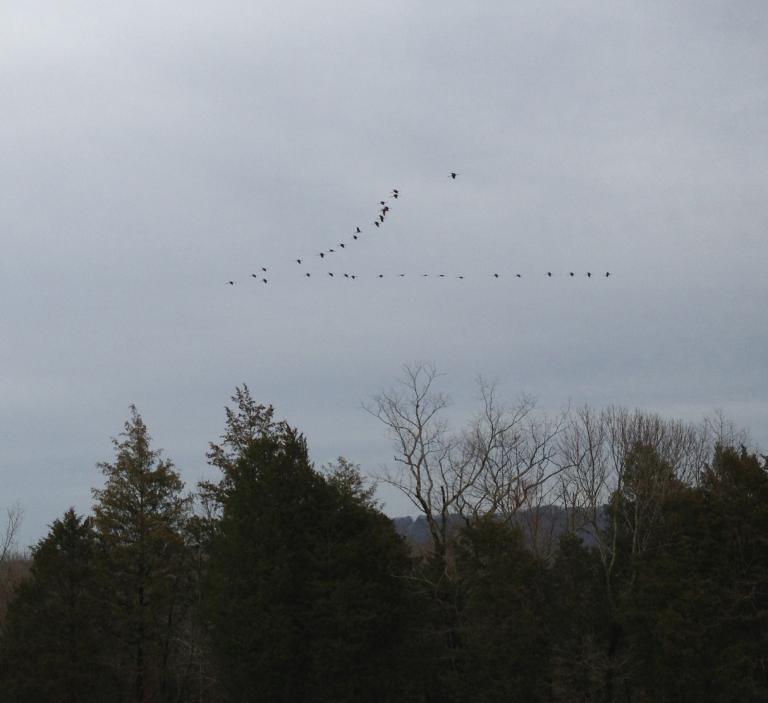 Almost all of us have religious experiences. Some are small and some are large; most are so fleeting we either don’t recognize them for what they are or we try cling to them long after they’ve past. But we do have them: moments of wonder and awe and of clarity and lucidity, transcendent moments where time and space seem to meld together, prophetic dreams, signs and omens, and that movement of Spirit (or spirits) that catches us at just the right time.
If you take off the blinders of orthodox monotheism on one side and of scientific materialism on the other you’ll see there are many ways to interpret those experiences. Which one is right? A few are demonstrably false, but most can neither be confirmed nor rejected. A better question is which one is meaningful and helpful to you? Which one gives you strength? Which one encourages you to work toward a better world here and now? Which helps you take care of yourself and your family? Which one helps you deal with the human predicament of understanding you’re alive but knowing some day you will die?
If you find a traditional Christian interpretation most helpful, fine. Loving your god with all your heart and loving your neighbor as yourself is a great way to go through life.
If you find a strictly Naturalistic interpretation most helpful, fine. The world needs more rational thinking and the Universe is pretty amazing even if the physical world is all there is.
As for me, I go where the evidence leads. I can’t believe things that violate the laws of Nature, and I give great credence to scientific and historical consensus – these are some of my boundaries. If the evidence is inconclusive – and in the case of religious matters it almost always is – then I follow my heart. And I do a lot more good as a committed Pagan than I ever did as an unenthusiastic Christian. If you want to know specifically what that means, I wrote about it in some detail last year.
I continue to build a theological framework to better understand my religious experiences and to better relate to my goddesses and gods and to their realm. I hope you will too.
I know I promised to write on liminal zones next, but this jumped ahead of it. Liminal zones are still on the “to be blogged” list and I will address them at some point in the not-too-distant future.
Previous Post

February 20, 2013
Boundaries
Next Post

February 26, 2013 Neither Within Nor Without
Browse Our Archives
Select a Category Books Community CUUPS Druidry Foundations and Context Gods and Goddesses Magic Myth Nature Ritual Spiritual Practice Theology Travel Uncategorized Videos
Select a Month October 2026 September 2026 August 2026 July 2026 June 2026 May 2026 April 2026 March 2026 February 2026 January 2026 December 2025 November 2025 October 2025 September 2025 August 2025 July 2025 June 2025 May 2025 April 2025 March 2025 February 2025 January 2025 December 2024 November 2024 October 2024 September 2024 August 2024 July 2024 June 2024 May 2024 April 2024 March 2024 February 2024 January 2024 December 2023 November 2023 October 2023 September 2023 August 2023 July 2023 June 2023 May 2023 April 2023 March 2023 February 2023 January 2023 December 2022 November 2022 October 2022 September 2022 August 2022 July 2022 June 2022 May 2022 April 2022 March 2022 February 2022 January 2022 December 2021 November 2021 October 2021 September 2021 August 2021 July 2021 June 2021 May 2021 April 2021 March 2021 February 2021 January 2021 December 2020 November 2020 October 2020 September 2020 August 2020 July 2020 June 2020 May 2020 April 2020 March 2020 February 2020 January 2020 December 2019 November 2019 October 2019 September 2019 August 2019 July 2019 June 2019 May 2019 April 2019 March 2019 February 2019 January 2019 December 2018 November 2018 October 2018 September 2018 August 2018 July 2018 June 2018 May 2018 April 2018 March 2018 February 2018 January 2018 December 2017 November 2017 October 2017 September 2017 August 2017 July 2017 June 2017 May 2017 April 2017 March 2017 February 2017 January 2017 December 2016 November 2016 October 2016 September 2016 August 2016 July 2016 June 2016 May 2016 April 2016 March 2016 February 2016 January 2016 December 2015 November 2015 October 2015 September 2015 August 2015 July 2015 June 2015 May 2015 April 2015 March 2015 February 2015 January 2015 December 2014 November 2014 October 2014 September 2014 August 2014 July 2014 June 2014 May 2014 April 2014 March 2014 February 2014 January 2014 December 2013 November 2013 October 2013 September 2013 August 2013 July 2013 June 2013 May 2013 April 2013 March 2013 February 2013 January 2013 December 2012 November 2012 October 2012 September 2012 August 2012 July 2012 June 2012 May 2012 April 2012 March 2012 February 2012 January 2012 December 2011 November 2011 October 2011 September 2011 August 2011 July 2011 June 2011 May 2011 April 2011 March 2011 February 2011 January 2011 December 2010 November 2010 October 2010 September 2010 August 2010 July 2010 June 2010 May 2010 April 2010 March 2010 February 2010 January 2010 December 2009 November 2009 October 2009 September 2009 August 2009 July 2009 June 2009 May 2009 April 2009 March 2009 February 2009 January 2009 December 2008 November 2008 October 2008 September 2008 August 2008 July 2008 June 2008
Follow Us!
TAKE THE
Religious Wisdom Quiz
How old was Abraham when Sarah died?
Select your answer to see how you score.
147 years 127 years 137 years 117 years
Related posts from John Beckett




What We Lose When “Ask AI” Becomes A...
TRENDING AT PATHEOS Pagan

Methodist Central Hall and Westminster Abbey
Situated on the same square is Methodist Central Hall and Westminster Abbey. ...

57th Dove Awards Honor Dolly Parton, Crown New...
On gospel music’s biggest night, the 57th annual GMA Dove Awards honored...

The First Eucharistic Controversy: Christ’s Real Presence
For Catholics, the Eucharist is the source and summit of the Christian...

What a Stop Sign Can Teach Us About...
How to Make a Decision When You Can't Hear God Main point:...

Archdiocese Hosts Military Marriage Retreat in Germany
RASTATT, Germany — The transient military lifestyle, with its frequent deployments and...

Nearly every morning, I make the drive to Detroit with my high-school-age...
view all Pagan blogs
Ad-Free & Subscriber Log-In Subscription Support
- About Us
- 2026 Calendar
- Videos
- Podcasts
- Library of World Religions
- Faith In Media Tracker
- Advertise With Us
- Write for Us
- Privacy Policy
- Terms of Service
- Do Not Sell My Data
- Contact Us
- Radiant Digital
- Manage Newsletter Subscriptions
- Unsubscribe From Notifications
- Sitemap
Copyright 2008-2026, Patheos. All rights reserved.
Subscription Support Ad-Free & Subscriber Log-In
Follow Patheos