
BuddhistCatholicContemplativeEvangelicalGeneral ChristianHinduJewishLatter-day SaintMuslimNew VisionsProgressive Christian
Beliefs
- Buddhist
- Catholic
- Contemplative
- Evangelical
- General Christian
- Hindu
- Jewish
- Latter-day Saint
- More Voices
- Muslim
- New Visions
- Pagan
- Progressive Christian
Topics
- Religion News
- Food and Religion
- Sports and Religion
- Religious Art
- Religious Music and Entertainment
- Religious Events
- History and Religion
- Style and Religion
- Politics and Religion
- Women in Religion
- Recreation Outdoors and Religion
- Business Finance and Religion
- Careers Workplace and Religion
- Education and Religion
- Family Parenting and Religion
- Health Fitness and Religion
- Home and Religion
- Relationships and Religion
- Technology and Religion
- Travel and Religion
Columnists
- Buddhist Columnists
- Business Finance and Religion Columnists
- Careers Workplace and Religion Columnists
- Catholic Columnists
- Contemplative Columnists
- Education and Religion Columnists
- Evangelists Columnists
- Family Parenting and Religion Columnists
- General Christian Columnists
- Health Fitness and Religion Columnists
- Hindu Columnists
- History and Religion Columnists
- Home and Religion Columnists
- Jewish Columnists
- More Voices Columnists
- Latter Day Columnists
- Muslim Columnists
- New Visions Columnists
- Nonreligious Columnists
- Pagan Columnists
- Politics and Religion Columnists
- Progressive Columnists
- Recreation Outdoors and Religion Columnists
- Relationships and Religion Columnists
- Religion News Columnists
- Religious Art Columnists
- Religious Events Columnists
- Religious Music and Entertainment Columnists
- Sports and Religion Columnists
- Style and Religion Columnists
- Technology and Religion Columnists
- Travel and Religion Columnists
- Women in Religion Columnists
Resource Library
- 2026 Calendar
- Library of World Religions
- The 100 Most Holy Places on Earth
- Patheos Answers
- Podcasts
- Videos
- Faith Leaders Database
- Anglican Episcopalian
- Bahai
- Baptist
- Buddhism
- Christianity
- Confucianism
- Eastern Orthodoxy
- Hinduism
- Holiness and Pentecostal
- ISKCON
- Islam
- Judaism
- Lutheran
- Methodist
- The Church of Jesus Christ of Latter-day Saints
- New Age
- Paganism
- Presbytarian and Reformed
- Protestantism
- Religion Behind the Scenes
- Roman Catholic
- Scientology
- Shia Islam
- Sikhism
- Sufism
- Sunni Islam
- Taoism
- Zen
- See all religions
Research Tools
 Ad-Free & Subscriber Log-In Subscription Support
Follow Patheos 

- Trending:
- Advent
- |
- Forgiveness
- |
- Thanksgiving
- |
- Election
- |
- Seasonal Holidays
- |
- Marriage

- Home
- Jewish
- Building Bridges of Compassion: Preparing for Passover & Easter Virtually
Building Bridges of Compassion: Preparing for Passover & Easter Virtually
Last updated on: April 7, 2020 at 1:39 pm by Guest Contributor
Building Bridges of Compassion: Preparing for Passover & Easter Virtually 2020-04-07T13:39:40+00:00 Guest Contributor
Patheos Explore the world's faith through different perspectives on religion and spirituality! Patheos has the views of the prevalent religions and spiritualities of the world.

Photo by bongkarn thanyakij
Last Friday morning (March 27), approximately 100 students, faculty, and staff from Hebrew College, Boston College, and Boston University gathered virtually for the third annual “Preparing Our Hearts for Passover & Easter” program. As in past years, the event was designed to provide future spiritual and ethical leaders the opportunity to reflect on the personal and professional dimensions of these holy seasons, doing so in dialogue with peers and teachers from different denominational and religious communities.
Of course, this year’s event required significant adjustment in the wake of the COVID-19 pandemic. Instead of gathering in-person at Temple Beth Zion in Brookline, MA (located equidistant from the three schools), we—like so many others throughout the world—used Zoom for our gathering. This platform allowed us to share in a multidimensional experience, including a Shaharit (Jewish morning) service, a panel discussion, musical meditations, and small-group conversation. In addition to moving the event online, we felt compelled to shift the focus of the morning to deal specifically with the question of “How Can We Celebrate in the Midst of a Pandemic?”
One poignant moment came during the panel discussion. Dr. Mary Elizabeth Moore, Dean of the BU School of Theology (BUSTH), spoke openly about the pain and disappointment of winding down her 40-year career as a seminary educator and administrator in the midst of the pandemic. As she said, “This is not how I hoped things would end. I wanted to tie up several loose ends and help prepare the school community for my retirement. I am learning to let go and accept what I can and cannot do.”
Dean Moore was also brave enough to add that part of her sadness included the fact that several programs to honor her nearly 12-year tenure as the leader of BUSTH had been cancelled. “As a person who often works in the background to help others flourish publicly, I was actually looking forward to being honored for my work in community.” Using a poetic image, she completed her remarks by saying that, in sharing personally, she hoped that her expressions of pain and loss could serve as a “bridge of compassion,” allowing her to be more sensitive to the struggles of others—especially the most vulnerable in our society.
It was powerful to see the chat box fill with appreciative comments from students and others who felt both honored and empowered by Dean Moore’s remarks. As one student stated, “Hearing the Dean speak so honestly about her feelings helped me admit to my own fears and frustrations.” A second student added, “I am working diligently to develop my capacity to guide and hold others, particularly those in need. It is hard to admit to my own pain without feeling self-indulgent.”
This is one of the reasons we created this annual Passover-Easter program. It provides a context for future religious professionals to tease apart their personal needs from those of the people they serve, doing so in the company of fellow students and teachers dealing with similar work-life issues. It can be difficult for people who are charged to care for others to pause and reflect on their own wishes and fears. This is especially so in a time of crisis, when there are so many people who are gravely ill, separated from loved ones or alone, and dealing with crushing financial burdens. But as Dean Moore said, if carried out thoughtfully, this inner work can lead to greater self-awareness, empathy, and a renewed ability to serve others.
It is significant that Dean Moore made her comments in response to a question from the moderator about how she and the other panelists were preparing for the celebration of the spring festivals. In speaking about her sense of loss and the need to accept the limitations imposed by the pandemic, she was reflecting on Lent as a time of solemn preparation for Easter, a time to contemplate Jesus’ “hard road and his “stops along the way” to offer compassion to others as he “traveled with God.”
This is part of the power of interreligious engagement: we are given the opportunity to share some of our deepest convictions and questions, informed by key texts, symbols, and rituals from our religious traditions. Inevitably, these insights include both universal and particular dimensions, reminding us of our commonality and uniqueness. This year, engaging in cross-institutional dialogue about the different ways we prepare for Passover and Easter required us to wrestle with the grim realities of COVID-19, including the complicated set of emotions we carry as current and future religious leaders, seeking what some might call “liberation” and others “resurrection.” In so doing, we were able to contemplate how each of us might rededicate ourselves to the sacred work of building bridges of compassion.
About Rabbi Or Rose
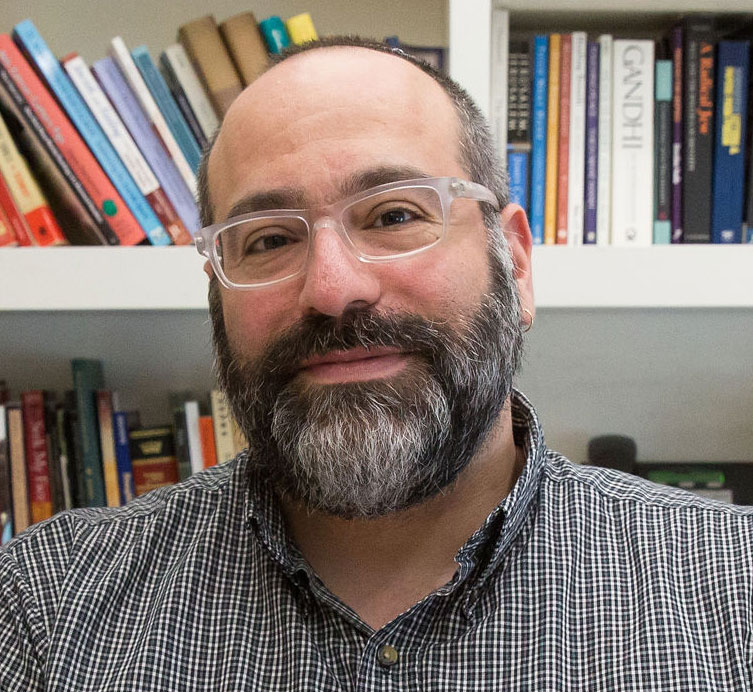
Rabbi Or N. Rose is the founding director of The Miller Center for Interreligious Learning & Leadership of Hebrew College. You can read more about the author here.
Previous Post
February 19, 2020
Life in the “World House”: Cultivating Leaders for a Pluralistic Age
Next Post

May 14, 2020 Developing a Practice in Times of Pandemic
Browse Our Archives
Select a Category answers Uncategorized
Select a Month February 2025 August 2022 April 2022 March 2022 October 2021 January 2021 May 2020 April 2020 February 2020 December 2019 November 2019 August 2019 May 2019 April 2019 March 2019 December 2018 November 2018 October 2018 June 2018 March 2018 February 2018
TAKE THE
Religious Wisdom Quiz
Multitudes of locusts came in waves—the cutting, swarming, hopping, and destroying locusts. What did this plague foreshadow?
Select your answer to see how you score.
The day of the Lord An invasion A famine God's wrath
Related posts from Jewish Voices

Unitarian Universalism and the B’nei Anusim Jews

Ukraine in Prophecy: The Jeremiah Factor
Devout Jews in Ukraine stay to pray and...

TRENDING AT PATHEOS Jewish

Building a Little Ark in a Frightening World
This past Shabbat, we read about Noah. I love this story. The...

Yom Kippur : Is There Always Room for...
Making Room for Forgiveness Every year as Yom Kippur approaches, I find...

This Rosh Hashanah: Can I Find New Meaning?
A Sunrise, a New Year, and a Question On our way to...

Killing Amalek: The Torah’s Most Misunderstood Commandment
Few passages of the Torah have provoked more confusion, polemic, and misuse...

I have never trusted a first draft. I don’t mean that...

Back to School, Back to Reality—and a New...
A New School Year Begins… Back to Reality A new school year...
view all Jewish blogs
Ad-Free & Subscriber Log-In Subscription Support
- About Us
- 2026 Calendar
- Videos
- Podcasts
- Library of World Religions
- Faith In Media Tracker
- Advertise With Us
- Write for Us
- Privacy Policy
- Terms of Service
- Do Not Sell My Data
- Contact Us
- Radiant Digital
- Manage Newsletter Subscriptions
- Unsubscribe From Notifications
- Sitemap
Copyright 2008-2026, Patheos, part of the Radiant Digital network of media brands. All rights reserved.
Subscription Support Ad-Free & Subscriber Log-In
Follow Patheos