
BuddhistCatholicContemplativeEvangelicalGeneral ChristianHinduJewishLatter-day SaintMuslimNew VisionsProgressive Christian
Beliefs
- Buddhist
- Catholic
- Contemplative
- Evangelical
- General Christian
- Hindu
- Jewish
- Latter-day Saint
- More Voices
- Muslim
- New Visions
- Pagan
- Progressive Christian
Topics
- Religion News
- Food and Religion
- Sports and Religion
- Religious Art
- Religious Music and Entertainment
- Religious Events
- History and Religion
- Style and Religion
- Politics and Religion
- Women in Religion
- Recreation Outdoors and Religion
- Business Finance and Religion
- Careers Workplace and Religion
- Education and Religion
- Family Parenting and Religion
- Health Fitness and Religion
- Home and Religion
- Relationships and Religion
- Technology and Religion
- Travel and Religion
Columnists
- Buddhist Columnists
- Business Finance and Religion Columnists
- Careers Workplace and Religion Columnists
- Catholic Columnists
- Contemplative Columnists
- Education and Religion Columnists
- Evangelists Columnists
- Family Parenting and Religion Columnists
- General Christian Columnists
- Health Fitness and Religion Columnists
- Hindu Columnists
- History and Religion Columnists
- Home and Religion Columnists
- Jewish Columnists
- More Voices Columnists
- Latter Day Columnists
- Muslim Columnists
- New Visions Columnists
- Nonreligious Columnists
- Pagan Columnists
- Politics and Religion Columnists
- Progressive Columnists
- Recreation Outdoors and Religion Columnists
- Relationships and Religion Columnists
- Religion News Columnists
- Religious Art Columnists
- Religious Events Columnists
- Religious Music and Entertainment Columnists
- Sports and Religion Columnists
- Style and Religion Columnists
- Technology and Religion Columnists
- Travel and Religion Columnists
- Women in Religion Columnists
Resource Library
- 2026 Calendar
- Library of World Religions
- The 100 Most Holy Places on Earth
- Patheos Answers
- Podcasts
- Videos
- Faith Leaders Database
- Anglican Episcopalian
- Bahai
- Baptist
- Buddhism
- Christianity
- Confucianism
- Eastern Orthodoxy
- Hinduism
- Holiness and Pentecostal
- ISKCON
- Islam
- Judaism
- Lutheran
- Methodist
- The Church of Jesus Christ of Latter-day Saints
- New Age
- Paganism
- Presbytarian and Reformed
- Protestantism
- Religion Behind the Scenes
- Roman Catholic
- Scientology
- Shia Islam
- Sikhism
- Sufism
- Sunni Islam
- Taoism
- Zen
- See all religions
Research Tools
 Ad-Free & Subscriber Log-In Subscription Support
Ad-Free & Subscriber Log-In Subscription Support
Follow Patheos 

- Trending:
- Forgiveness
- |
- Marriage
- |
- Consciousness
- |
- Death Penalty
- |
- Election
- |
- Halloween
 Jesus Creed
- Home
- Evangelical
- After That (Houston) Storm
After That (Houston) Storm
Last updated on: October 25, 2017 at 4:52 am by Scot McKnight
After That (Houston) Storm 2017-10-24T20:55:03-05:00 Scot McKnight
Patheos Explore the world's faith through different perspectives on religion and spirituality! Patheos has the views of the prevalent religions and spiritualities of the world.
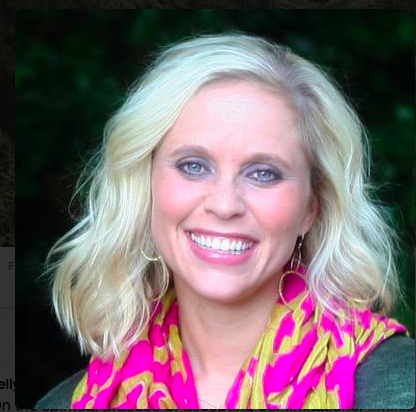 After the storm, by Kelly Edmiston who is a minister at the First Colony Church of Christ in Houston Texas.
The office was small but it felt very peaceful. The couch along one wall looked as if it could have been in a living room not too long ago. On it sat three colorful pillows and a blanket was draped casually over the back. Along the back wall sat low bookshelves housing theology, philosophy and therapy resources. I sat in the center of the couch across from the therapist. She instructed me to remember the traumatic experience as if it were a movie in my mind, starting with right before the accident up until this moment. This was my second “Eye Movement Desensitization and Reprocessing” (EMDR) therapy session. I began to take deep breaths. I tried desperately to get my inhale to last four seconds. I counted, 1. 2. 3. 4. as I took a big inhale. And then exhale. 1. 2. 3. 4. As I breathed deeply and tried to remember the events as they really happened, I felt the therapist gently tap on the left and right sides of my knees. She explained that the tapping was to simulate eye movement and brain activity.[1] I closed my eyes and she asked me to notice what happened in my body. As my mind went back to that place and time I began to feel a golf-ball sized lump rising in my throat. I started to panic. Would it cut off my air supply? Next I noticed a pain in my forehead. It was so intense that it seemed lodged somewhere deep in my sinus cavities.
I heard myself saying, “I can’t remember…”
“What is your distress level?” She calmly asked me.
It was a ten, but I told her, “About an 8.”
The things I remembered came to me in disorganized clumps of images, emotions and sensations. There the experience sat like a giant pile of mixed up laundry that I could not sort through. I wanted to chunk the pile out the window in frustration. The therapist went on to explain that traumatic stress causes the brain centers containing memory and language to shut down, explaining my unprocessed pile of grief as the body’s “normal” response to trauma.
In the first post in this series I consulted Shelley Rambo’s book, “Spirit and Trauma.” You can read it here. http://www.patheos.com/blogs/jesuscreed/2017/10/18/after-the-houston-storm/
She writes, “Trauma is what does not go away. It persists in symptoms that live on in the body, in the intrusive fragments of memories that return.” [2]
Bessel van der Kolk is a leading psychiatrist and researcher on the impact of trauma on the human body. He says that when we experience trauma we disconnect from our bodies. This is why he is a strong proponent of body awareness approaches to trauma treatment (such as EMDR) as opposed to Cognitive Behavioral Therapy (CBT) which seeks to alter behavior through dialogue. Van der Kolk says that “Trauma has nothing whatsoever to do with cognition. Instead trauma has to do with your body being reset to not interpret the world as a dangerous place. That reset begins in the deep recesses of the brain with its most primitive structures, regions that no cognitive therapy can access.”[3]
“The challenge in recovering from trauma is to learn to tolerate feeling what you feel and knowing what you know without becoming overwhelmed. There are many ways to achieve this, but all involve establishing a sense of safety and the regulation of physiological arousal.”[4]
Van der Kolk and others contend that reconnecting to the body is a key piece in the post-traumatic healing journey.
I recognize that it is difficult, and could even sound a little “hokey,” (as we say in West Texas) to discuss “body centered approaches” to healing in our contemporary western culture. Generally, we live detached from our bodies and unaware of our feelings. We are expert “stuffers” here in the western world. If we experience something that we don’t like, such as fear or stress, then we stuff it deep down far away from the surface so we don’t have to experience it. And there are a variety of “stuffing” tools we can use, like a stiff drink, a gallon of ‘Cookies N Cream’ Blue Bell ice cream or an Amazon shopping binge.
Body centered approaches to trauma therapy, such as EMDR, are designed for the participant to remember the experience while feeling the reality of their feelings and simultaneously becoming aware of what is happening in the body.[5]
As I sat with the therapist during this second session, she told me to notice the lump in my throat and the tightness in my head until something shifted in my body. She didn’t ask me questions about what happened. I didn’t have answers. She didn’t advise me with a list of behavioral do’s and don’ts. I wouldn’t have been able to do them. She didn’t tell me that God was in control and that I needed to trust God more. I knew that.
In this session and in many sessions to come, she led me through an experience that invited me to reconnect to my body. It turns out that my body was the store-house for traumatic stress.[6]
EMDR has been a key part of my journey in healing from traumatic stress.[7]
Here are two “body-centered” invitations I am seeking to live out daily.
- Feel your feelings. When you want to “stuff” a feeling, don’t. Welcome the feeling you are feeling. As you welcome the very real and valid feeling, imagine introducing that feeling to the very real presence of Jesus with you.
- Spend 5-10 minutes a day noticing your breath. Try to get your inhale to match your exhale. As you breathe deeply notice your body. Do an assessment from head to toe asking, what is happening in my body? Am I holding tension somewhere specific and then focus your breath on those areas of the body.
I offer these practices to you as a fellow sojourner on this healing journey.
Disclaimer #1
This series is on healing from trauma and traumatic stress. It is inspired by own experiences, one in particular, that I describe in the final post. I offer my own story and theological reflections not as an expert or teacher but as a sojourner alongside anyone living in the aftermath of trauma. While my prayer is that this series in helpful in shedding light on the realities of trauma, it is not meant to be instructive or prescriptive. Every person’s journey is radically different due to the great majority of traumatic experiences and I am, in no way, simplifying that. For many, living in the “middle space” between death and life is a life long journey. This series is a tribute to such a journey.
Disclaimer #2
The views and opinions expressed in this article are those of the author and do not necessarily reflect the policy or position of the First Colony Church of Christ.
[1] For a more thorough understanding of Eye Movement Desensitization and Reprocessing (EMDR) therapy see http://www.emdr.com/frequent-questions/
[2] Spirit and Trauma, Shelley Rambo. p 2
[3] https://www.nytimes.com/2014/05/25/magazine/a-revolutionary-approach-to-treating-ptsd.html
[4] Ibid.
[5] http://www.emdr.com/frequent-questions/
[6] EMDR is one body centered approach to therapy that is proven very effective for victims of isolated traumatic events. My intent here is to share my own experience and shed light on the role of the body in healing, not offer a therapeutic suggestion.
Previous Post
October 25, 2017
In The Beginning: Eyewitnesses Talking Jesus
Next Post

October 25, 2017 The Protestant Boomerang
Browse Our Archives
Select a Category Acts of the Apostles Adam Advent Anabaptism Angels Anglican Apologetics Atonement Baptism BCP Prayers Bible Biblical Studies Birds Blogging Bloglossary Bonhoeffer Books Calvinism Christianity Church Church History Coffee Colossians Commentary Recs Conversion Creation Creeds Culture Death Ecclesiastes Economics Education Embracing Grace Emergent Emerging Movement Eschatology Essays Ethics Eucharist Evangelicalism Family Fasting Fathers Fellowship of Differents Footsteps Tour Fun and Whimsical Gospel Grace Happiness Heaven Hell Holy Spirit Irenaeus James Jesus Jesus Creed Job Justification Kingdom of God Law Lectures Lent Liberalism Love and Marriage Mabanteneni Manhood Mary Miracles Missio Alliance MissioLife Missional Missional Jesus Movies and Film New Perspective Northern Seminary OneLife Origins Project Orthodox Parables Pastor's Spouse Pastoring and Leading Pastoring and Preaching Patristics Paul Paul-John Tour Pharisees Pietism Political Theology Prayer and Formation Preaching Problems for Faith Psalm 119 Psalms Public Issues Purgatory Religions Resurrection Revelation Romans Rule of JCreed Science and Faith Sermon on the Mount Sports Ten Commandments Theology Third Way Top Ten Lists Translations Uncategorized Universalism University Ministry Way Out Weekly Meanderings Wisdom Women and Ministry Work Worship Writing & Blogging Youth Ministry
Select a Month July 2021 January 2020 December 2019 November 2019 October 2019 September 2019 August 2019 July 2019 June 2019 May 2019 April 2019 March 2019 February 2019 January 2019 December 2018 November 2018 October 2018 September 2018 August 2018 July 2018 June 2018 May 2018 April 2018 March 2018 February 2018 January 2018 December 2017 November 2017 October 2017 September 2017 August 2017 July 2017 June 2017 May 2017 April 2017 March 2017 February 2017 January 2017 December 2016 November 2016 October 2016 September 2016 August 2016 July 2016 June 2016 May 2016 April 2016 March 2016 February 2016 January 2016 December 2015 November 2015 October 2015 September 2015 August 2015 July 2015 June 2015 May 2015 April 2015 March 2015 February 2015 January 2015 December 2014 November 2014 October 2014 September 2014 August 2014 July 2014 June 2014 May 2014 April 2014 March 2014 February 2014 January 2014 December 2013 November 2013 October 2013 September 2013 August 2013 July 2013 June 2013 May 2013 April 2013 March 2013 February 2013 January 2013 December 2012 November 2012 October 2012 September 2012 August 2012 July 2012 June 2012 May 2012 April 2012 March 2012 February 2012 January 2012 December 2011 November 2011 October 2011 September 2011 August 2011 July 2011 June 2011 May 2011 April 2011 March 2011 February 2011 January 2011 December 2010 November 2010 October 2010 September 2010 August 2010 July 2010 June 2010 May 2010 April 2010 March 2010 February 2010 January 2010 December 2009 November 2009 October 2009 September 2009 August 2009 July 2009 June 2009 May 2009 April 2009 March 2009 February 2009 January 2009 December 2008 November 2008 October 2008 September 2008 August 2008 July 2008 June 2008 May 2008 April 2008 March 2008 February 2008 January 2008 December 2007 November 2007 October 2007 September 2007 August 2007 July 2007 June 2007 May 2007 April 2007 March 2007 February 2007 January 2007 December 2006 November 2006 October 2006 September 2006 August 2006 July 2006 June 2006 May 2006 April 2006 March 2006 February 2006 January 2006 December 2005 November 2005 October 2005 September 2005 August 2005 July 2005 June 2005 May 2005 April 2005 0000
Follow Us!
TAKE THE
Religious Wisdom Quiz
Who compared himself to a gentle lamb led to the slaughter?
Select your answer to see how you score.
Isaiah Ezekiel Job Jeremiah
Related posts from Jesus Creed


The Gospel of With Us and Through Us

Northern Seminary Announces: Nijay Gupta Joins Faculty

The Gundrys and Me: Ruth Tucker
TRENDING AT PATHEOS Evangelical

How the author of the world's best hymn...
I've been working with John Newton for a while now. This makes...

Long before this Lectio Divina, Psalm 130 - the song - started...

What About the Trees? Another Living Parable
After I finished writing the last article about falling leaves as a...

Why Classical Education Is a Conversation, Not a...
Come and Read: Joy in Classical Education When I was a little...

Falling Leaves: A Living Parable on Letting Go
I’ve spent the vast majority of my life in the southeast corner...

Cornell University has received a great deal of negative publicity and intense...
view all Evangelical blogs
Ad-Free & Subscriber Log-In Subscription Support
- About Us
- 2026 Calendar
- Videos
- Podcasts
- Library of World Religions
- Faith In Media Tracker
- Advertise With Us
- Write for Us
- Privacy Policy
- Terms of Service
- Do Not Sell My Data
- Contact Us
- Radiant Digital
- Manage Newsletter Subscriptions
- Unsubscribe From Notifications
- Sitemap
Copyright 2008-2026, Patheos. All rights reserved.
Subscription Support Ad-Free & Subscriber Log-In
Follow Patheos