
BuddhistCatholicContemplativeEvangelicalGeneral ChristianHinduJewishLatter-day SaintMuslimNew VisionsProgressive Christian
Beliefs
- Buddhist
- Catholic
- Contemplative
- Evangelical
- General Christian
- Hindu
- Jewish
- Latter-day Saint
- More Voices
- Muslim
- New Visions
- Pagan
- Progressive Christian
Topics
- Religion News
- Food and Religion
- Sports and Religion
- Religious Art
- Religious Music and Entertainment
- Religious Events
- History and Religion
- Style and Religion
- Politics and Religion
- Women in Religion
- Recreation Outdoors and Religion
- Business Finance and Religion
- Careers Workplace and Religion
- Education and Religion
- Family Parenting and Religion
- Health Fitness and Religion
- Home and Religion
- Relationships and Religion
- Technology and Religion
- Travel and Religion
Columnists
- Buddhist Columnists
- Business Finance and Religion Columnists
- Careers Workplace and Religion Columnists
- Catholic Columnists
- Contemplative Columnists
- Education and Religion Columnists
- Evangelists Columnists
- Family Parenting and Religion Columnists
- General Christian Columnists
- Health Fitness and Religion Columnists
- Hindu Columnists
- History and Religion Columnists
- Home and Religion Columnists
- Jewish Columnists
- More Voices Columnists
- Latter Day Columnists
- Muslim Columnists
- New Visions Columnists
- Nonreligious Columnists
- Pagan Columnists
- Politics and Religion Columnists
- Progressive Columnists
- Recreation Outdoors and Religion Columnists
- Relationships and Religion Columnists
- Religion News Columnists
- Religious Art Columnists
- Religious Events Columnists
- Religious Music and Entertainment Columnists
- Sports and Religion Columnists
- Style and Religion Columnists
- Technology and Religion Columnists
- Travel and Religion Columnists
- Women in Religion Columnists
Resource Library
- 2026 Calendar
- Library of World Religions
- The 100 Most Holy Places on Earth
- Patheos Answers
- Podcasts
- Videos
- Faith Leaders Database
- Anglican Episcopalian
- Bahai
- Baptist
- Buddhism
- Christianity
- Confucianism
- Eastern Orthodoxy
- Hinduism
- Holiness and Pentecostal
- ISKCON
- Islam
- Judaism
- Lutheran
- Methodist
- The Church of Jesus Christ of Latter-day Saints
- New Age
- Paganism
- Presbytarian and Reformed
- Protestantism
- Religion Behind the Scenes
- Roman Catholic
- Scientology
- Shia Islam
- Sikhism
- Sufism
- Sunni Islam
- Taoism
- Zen
- See all religions
Research Tools
 Ad-Free & Subscriber Log-In Subscription Support
Ad-Free & Subscriber Log-In Subscription Support
Follow Patheos 

- Trending:
- Forgiveness
- |
- Marriage
- |
- Consciousness
- |
- Death Penalty
- |
- Election
- |
- Halloween
 Jesus Creed
- Home
- Evangelical
- After the (Houston) Storm
After the (Houston) Storm
Last updated on: October 18, 2017 at 4:11 am by Scot McKnight
After the (Houston) Storm 2017-10-17T07:15:37-05:00 Scot McKnight
Patheos Explore the world's faith through different perspectives on religion and spirituality! Patheos has the views of the prevalent religions and spiritualities of the world.
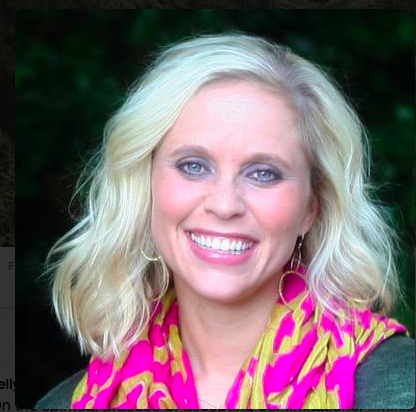 After the storm, by Kelly Edmiston who is a minister at the First Colony Church of Christ in Houston Texas.
“The storm is over,” I heard the news anchor proudly announce with a great level of enthusiasm. Thousands of us had been glued to the television for hours on end trying to understand as the meteorologist explained Harvey’s projected path. We bit our fingernails anxiously as local city officials tried to estimate how many neighborhoods would be destroyed if the rain continued and who would be the next victims in the storm’s path. It has been over a month now since Hurricane Harvey hit the city of Houston and the news anchor is right, the storm is over. But for many homes, the roofs are still caved in and the water is still standing rotting the floors and molding the walls. Some homes have not been touched since the hurricane ravaged them. From the roof to their foundation, nothing has been spared. For many, the storm is not over, it has just begun.
Trauma is like this. Trauma is what remains “after the storm” is over.[1]
Trauma and traumatic stress are particularly relevant topics for where we find ourselves globally, communally, and for many, personally. Consider the victims across the globe who have suffered through the upheaval of their homes, cities and lives caused by natural disasters. Consider the Las Vegas shooting victims and their families. Consider those of us who have suffered as we have watched our faith in this great nation and its leaders deteriorate and begin to rot before our eyes with each passing news story and tweet. Consider the variety of personal circumstances such as raising a child who is critically ill or the loss of a spouse. These examples can leave us in a whirlwind of traumatic stress. My aim in this blog series is to shed some light on the realities of trauma and traumatic stress.[2]
The first resource I consult is Shelley Rambo’s book Spirit and Trauma. She says that trauma is what lives on in the “middle space” after the traumatic experience is over but before restoration occurs.[3]
She points out that the believing community has typically understood death and life to be two events on opposite ends of a spectrum. In the Christian narrative, we have traditionally understood the cross (death) and the resurrection (life) as two events on the opposite ends of a spectrum. In this framework, death ends when new life begins. But Rambo argues that this linear understanding does not speak to the human experience of trauma. In the aftermath of trauma, death is forever mixed up with life. The death we experience, whether literal or figurative, may always be present, and life takes on a new and different definition. She identifies this space, as the “middle space.” For Houstonians, the traumatic event may be over but we (and many homes) are still in shambles.
She says that “the good news of Christianity for those who experience trauma rests in the capacity to theologize this middle.” One image that she utilizes, which has been particularly meaningful in the aftermath of Hurricane Harvey, is the image of water gushing from the side of Jesus on the cross.[4]
**“**But when they came to Jesus, they saw that he was already dead, so they didn’t break his legs. One of the soldiers, however, pierced his side with a spear, and immediately blood and water flowed out.” John 19:33-34 NLT
In John’s gospel, water is used as an image for life, birth and the Holy Spirit. (John 3:5) But here, it is mixed with blood, it makes up the ‘fluid of death.’ [5] Rambo writes that this “births a distinctive understanding of the Spirit.[6]
If trauma is what remains in the middle, after the death, violence or devastating experience, then for John (and Rambo) the Spirit is who remains. The Spirit inhabits the middle space between the cross and resurrection in the body of Jesus.
Here is the good news of Christianity: That God is found, living through the Holy Spirit, right smack dab in the middle of the messy fluid mixture between death and life.
Whatever is living on “after the storm” for you, be it literal shambles of a wrecked home or be it some form of fear or anxiety, you should know that as destroyed as the terrain of your life may be, it is also Spirit occupied territory.
Disclaimer #1
This series is on healing from trauma and traumatic stress. It is inspired by own experiences, one in particular that I describe in the third post. I offer my own story and theological reflections not as an expert or teacher but as a sojourner alongside anyone living in the aftermath of trauma. While my prayer is that this series in helpful in shedding light on the realities of trauma, it is not meant to be instructive or prescriptive. Every person’s journey is radically different due to the great majority of traumatic experiences and I am, in no way, simplifying that. For many, living in the “middle space” between death and life is a life long journey. This series is a tribute to such a journey.
Disclaimer #2
The views and opinions expressed in this article are those of the author and do not necessarily reflect the policy or position of the First Colony Church of Christ.
[1] Shelley Rambo uses the language “after the storm” in her book, Spirit and Trauma.
Shelly Rambo, Spirit and Trauma: A Theology of Remaining (Louisville, Ky.: Westminster John Knox Press, 2010).
[2] See Disclaimer #1 on series intent
[3] Shelly Rambo, Spirit and Trauma: A Theology of Remaining (Louisville, Ky.: Westminster John Knox Press, 2010).
[4] Ibid. Chapter 3
[5] Ibid. 81.
[6] Ibid. 82.
Previous Post
October 18, 2017
Richard Bauckham: Historian, Apologist
Next Post

October 18, 2017 Are Americans Leaving Faith Because of Universities?
Browse Our Archives
Select a Category Acts of the Apostles Adam Advent Anabaptism Angels Anglican Apologetics Atonement Baptism BCP Prayers Bible Biblical Studies Birds Blogging Bloglossary Bonhoeffer Books Calvinism Christianity Church Church History Coffee Colossians Commentary Recs Conversion Creation Creeds Culture Death Ecclesiastes Economics Education Embracing Grace Emergent Emerging Movement Eschatology Essays Ethics Eucharist Evangelicalism Family Fasting Fathers Fellowship of Differents Footsteps Tour Fun and Whimsical Gospel Grace Happiness Heaven Hell Holy Spirit Irenaeus James Jesus Jesus Creed Job Justification Kingdom of God Law Lectures Lent Liberalism Love and Marriage Mabanteneni Manhood Mary Miracles Missio Alliance MissioLife Missional Missional Jesus Movies and Film New Perspective Northern Seminary OneLife Origins Project Orthodox Parables Pastor's Spouse Pastoring and Leading Pastoring and Preaching Patristics Paul Paul-John Tour Pharisees Pietism Political Theology Prayer and Formation Preaching Problems for Faith Psalm 119 Psalms Public Issues Purgatory Religions Resurrection Revelation Romans Rule of JCreed Science and Faith Sermon on the Mount Sports Ten Commandments Theology Third Way Top Ten Lists Translations Uncategorized Universalism University Ministry Way Out Weekly Meanderings Wisdom Women and Ministry Work Worship Writing & Blogging Youth Ministry
Select a Month July 2021 January 2020 December 2019 November 2019 October 2019 September 2019 August 2019 July 2019 June 2019 May 2019 April 2019 March 2019 February 2019 January 2019 December 2018 November 2018 October 2018 September 2018 August 2018 July 2018 June 2018 May 2018 April 2018 March 2018 February 2018 January 2018 December 2017 November 2017 October 2017 September 2017 August 2017 July 2017 June 2017 May 2017 April 2017 March 2017 February 2017 January 2017 December 2016 November 2016 October 2016 September 2016 August 2016 July 2016 June 2016 May 2016 April 2016 March 2016 February 2016 January 2016 December 2015 November 2015 October 2015 September 2015 August 2015 July 2015 June 2015 May 2015 April 2015 March 2015 February 2015 January 2015 December 2014 November 2014 October 2014 September 2014 August 2014 July 2014 June 2014 May 2014 April 2014 March 2014 February 2014 January 2014 December 2013 November 2013 October 2013 September 2013 August 2013 July 2013 June 2013 May 2013 April 2013 March 2013 February 2013 January 2013 December 2012 November 2012 October 2012 September 2012 August 2012 July 2012 June 2012 May 2012 April 2012 March 2012 February 2012 January 2012 December 2011 November 2011 October 2011 September 2011 August 2011 July 2011 June 2011 May 2011 April 2011 March 2011 February 2011 January 2011 December 2010 November 2010 October 2010 September 2010 August 2010 July 2010 June 2010 May 2010 April 2010 March 2010 February 2010 January 2010 December 2009 November 2009 October 2009 September 2009 August 2009 July 2009 June 2009 May 2009 April 2009 March 2009 February 2009 January 2009 December 2008 November 2008 October 2008 September 2008 August 2008 July 2008 June 2008 May 2008 April 2008 March 2008 February 2008 January 2008 December 2007 November 2007 October 2007 September 2007 August 2007 July 2007 June 2007 May 2007 April 2007 March 2007 February 2007 January 2007 December 2006 November 2006 October 2006 September 2006 August 2006 July 2006 June 2006 May 2006 April 2006 March 2006 February 2006 January 2006 December 2005 November 2005 October 2005 September 2005 August 2005 July 2005 June 2005 May 2005 April 2005 0000
Follow Us!
TAKE THE
Religious Wisdom Quiz
What city was Paul imprisoned in before writing to the Philippians?
Select your answer to see how you score.
Corinth Jerusalem Rome Antioch
Related posts from Jesus Creed


The Gospel of With Us and Through Us

Northern Seminary Announces: Nijay Gupta Joins Faculty

The Gundrys and Me: Ruth Tucker
TRENDING AT PATHEOS Evangelical

How the author of the world's best hymn...
I've been working with John Newton for a while now. This makes...

Long before this Lectio Divina, Psalm 130 - the song - started...

What About the Trees? Another Living Parable
After I finished writing the last article about falling leaves as a...

Why Classical Education Is a Conversation, Not a...
Come and Read: Joy in Classical Education When I was a little...

Falling Leaves: A Living Parable on Letting Go
I’ve spent the vast majority of my life in the southeast corner...

Cornell University has received a great deal of negative publicity and intense...
view all Evangelical blogs
Ad-Free & Subscriber Log-In Subscription Support
- About Us
- 2026 Calendar
- Videos
- Podcasts
- Library of World Religions
- Faith In Media Tracker
- Advertise With Us
- Write for Us
- Privacy Policy
- Terms of Service
- Do Not Sell My Data
- Contact Us
- Radiant Digital
- Manage Newsletter Subscriptions
- Unsubscribe From Notifications
- Sitemap
Copyright 2008-2026, Patheos. All rights reserved.
Subscription Support Ad-Free & Subscriber Log-In
Follow Patheos