
BuddhistCatholicContemplativeEvangelicalGeneral ChristianHinduJewishLatter-day SaintMuslimNew VisionsProgressive Christian
Beliefs
- Buddhist
- Catholic
- Contemplative
- Evangelical
- General Christian
- Hindu
- Jewish
- Latter-day Saint
- More Voices
- Muslim
- New Visions
- Pagan
- Progressive Christian
Topics
- Religion News
- Food and Religion
- Sports and Religion
- Religious Art
- Religious Music and Entertainment
- Religious Events
- History and Religion
- Style and Religion
- Politics and Religion
- Women in Religion
- Recreation Outdoors and Religion
- Business Finance and Religion
- Careers Workplace and Religion
- Education and Religion
- Family Parenting and Religion
- Health Fitness and Religion
- Home and Religion
- Relationships and Religion
- Technology and Religion
- Travel and Religion
Columnists
- Buddhist Columnists
- Business Finance and Religion Columnists
- Careers Workplace and Religion Columnists
- Catholic Columnists
- Contemplative Columnists
- Education and Religion Columnists
- Evangelists Columnists
- Family Parenting and Religion Columnists
- General Christian Columnists
- Health Fitness and Religion Columnists
- Hindu Columnists
- History and Religion Columnists
- Home and Religion Columnists
- Jewish Columnists
- More Voices Columnists
- Latter Day Columnists
- Muslim Columnists
- New Visions Columnists
- Nonreligious Columnists
- Pagan Columnists
- Politics and Religion Columnists
- Progressive Columnists
- Recreation Outdoors and Religion Columnists
- Relationships and Religion Columnists
- Religion News Columnists
- Religious Art Columnists
- Religious Events Columnists
- Religious Music and Entertainment Columnists
- Sports and Religion Columnists
- Style and Religion Columnists
- Technology and Religion Columnists
- Travel and Religion Columnists
- Women in Religion Columnists
Resource Library
- 2026 Calendar
- Library of World Religions
- The 100 Most Holy Places on Earth
- Patheos Answers
- Podcasts
- Videos
- Faith Leaders Database
- Anglican Episcopalian
- Bahai
- Baptist
- Buddhism
- Christianity
- Confucianism
- Eastern Orthodoxy
- Hinduism
- Holiness and Pentecostal
- ISKCON
- Islam
- Judaism
- Lutheran
- Methodist
- The Church of Jesus Christ of Latter-day Saints
- New Age
- Paganism
- Presbytarian and Reformed
- Protestantism
- Religion Behind the Scenes
- Roman Catholic
- Scientology
- Shia Islam
- Sikhism
- Sufism
- Sunni Islam
- Taoism
- Zen
- See all religions
Research Tools
 Ad-Free & Subscriber Log-In Subscription Support
Ad-Free & Subscriber Log-In Subscription Support
Follow Patheos 

- Trending:
- Forgiveness
- |
- Marriage
- |
- Consciousness
- |
- Death Penalty
- |
- Election
- |
- Halloween
 Jesus Creed
- Home
- Evangelical
- How do the Heavens Declare the Glory of God? (RJS)
How do the Heavens Declare the Glory of God? (RJS)
Last updated on: May 2, 2017 at 5:08 am by RJS
How do the Heavens Declare the Glory of God? (RJS) 2017-04-30T20:27:27-05:00 RJS
Patheos Explore the world's faith through different perspectives on religion and spirituality! Patheos has the views of the prevalent religions and spiritualities of the world.
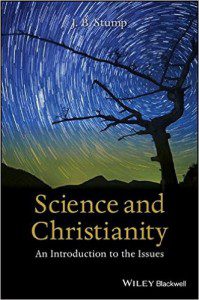 The next chapter in Jim Stump’s excellent introduction to the issues surrounding Science and Christianity explores the pros and cons of Natural Theology. Christians generally defend the concept of natural theology – the idea that the study or observation of creation can lead us to God based on two passages of Scripture. Psalm 19:1-4
The heavens declare the glory of God;
the skies proclaim the work of his hands.
Day after day they pour forth speech;
night after night they reveal knowledge.
They have no speech, they use no words;
no sound is heard from them.
Yet their voice goes out into all the earth,
their words to the ends of the world.
And Romans 1:18-20:
The wrath of God is being revealed from heaven against all the godlessness and wickedness of people, who suppress the truth by their wickedness, since what may be known about God is plain to them, because God has made it plain to them. For since the creation of the world God’s invisible qualities—his eternal power and divine nature—have been clearly seen, being understood from what has been made, so that people are without excuse.
 Natural Theology. These passages appear to claim that God – the God of Christian faith – is revealed, at least enough to drive humans to search for him, in Creation itself, apart from any relationship or other revelation. This led to the development of so-called natural theology. Jim outlines three classic arguments of natural theology:
- The argument from design. This argument isn’t new, but was developed in its classic form by William Paley (eighteenth century). If something looks designed (a watch for example) then we can reasonably assume that there is a designer. More accurately, we can assume that at some time there was one or more designers whose work led to the object. Others have pointed out that the presence of design says nothing about the moral character of the designer or event the continuing existence of the designer.
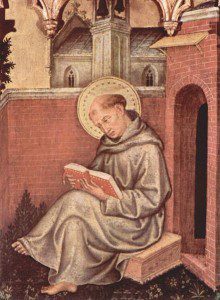
- The cosmological argument or argument from first cause. This traces back at least to Thomas Aquinas (thirteenth century). All natural events have a cause, but there must be a first cause outside of nature to get things started. The biggest problem with this argument is that there is no reason why this first cause must be anything like the God of Christian theism.
- The ontological argument. Anselm of Canterbury developed this argument in the eleventh century. “Basically, he argued that we can all form an idea or concept of the greatest imaginable being. He then purported to show from that concept that such a being must exist in reality, not just in the imagination.” (p. 85) This argument also raises a fair number of objections.
Other arguments and further refinements of these three arguments could be discussed. The more important question, however, revolves around the value of this approach to understanding God through nature.
Objections to Natural Theology. Beyond the objections to specific arguments, there are also significant objections to natural theology as a whole. In the reformed tradition there is the objection from total depravity: Our capacity for reason has been so distorted that we cannot trust ourselves to reason from creation to God. Taken to the extreme this position undercuts and devalues all human study, although few will go so far. Science works, after all – airplanes fly and many modern medicines work quite well..
More subtly, Barth suggested that natural theology represents an attempt to know God apart from what God has revealed. This will take us further from God.
There are key aspects of Christian theology that cannot be deduced from reason and nature alone. The Trinity for example. No study of the heavens will lead us to a doctrine of the Trinity. The best natural theology can lead us to is the existence of some kind of minimal deist God.
More importantly, natural theology reduces God to an object, rather than recognizing him as a person in relationship with his creation.
Contemporary philosopher of religion Paul Moser claims that natural theology treats God as an object, similar to the objects that natural science investigates. In so doing, the arguments of natural theology fail to detect the personal being who is God revealed to Abraham, Paul, and (most significantly) Jesus. Instead, the appropriate cognitive basis for Christian faith is found in the relationship one can have with God through God’s intervening personal Spirit. … The true God is not revealed in the “spectator evidence” of natural theology, but is made known to us only as we enter into relationship with God. (p. 88-89)
This is also my biggest argument against the project of natural theology, and any form of scientific investigation of God. The God of Christian faith is a personal God who reveals himself in relationship.
Theology of Nature. Rather than trying to prove the existence of God from nature and reason, many today (Alister McGrath for example) are finding it more interesting and fruitful to develop a theology of nature that sees “the natural order imbued with purpose.” McGrath’s thought-provoking book A Fine Tuned Universe: The Quest for God in Science and Theology digs into this question. Moving away from natural theology can provide the Christian with the opportunity to rediscover an understanding of nature as creation. Natural theology purports to take a rational objective approach to the relationship between God and nature, looking for objective evidence. A theology of nature looks for purpose and design not as evidence and proof, but to better understand creation, and also God.
I’m with McGrath on this. Natural theology seems an intellectual game, and not a particularly productive one. Some people may be led to consider Christian faith based on these arguments, although I doubt if they are ultimately the deciding factor in many if any case. A theology of nature, on the other hand, can lead us to a better and deeper understanding. As Denis Lamoureux has emphasized, we all make a leap of faith from scientific “facts” to their interpretation and meaning. This is unavoidable – no matter what our view of the world … atheist, theist, or other spiritual or religious outlook. A Christian theology of nature will lead us to worship the Creator.
Is natural theology a valuable pursuit?
How do the heavens declare the glory of God?
If you wish to contact me directly you may do so at rjs4mail[at]att.net.
If interested you can subscribe to a full text feed of my posts at Musings on Science and Theology.
Previous Post

May 2, 2017
Farewelling Well
Next Post
May 2, 2017 Jordan Edwards: Yet Again
Browse Our Archives
Select a Category Acts of the Apostles Adam Advent Anabaptism Angels Anglican Apologetics Atonement Baptism BCP Prayers Bible Biblical Studies Birds Blogging Bloglossary Bonhoeffer Books Calvinism Christianity Church Church History Coffee Colossians Commentary Recs Conversion Creation Creeds Culture Death Ecclesiastes Economics Education Embracing Grace Emergent Emerging Movement Eschatology Essays Ethics Eucharist Evangelicalism Family Fasting Fathers Fellowship of Differents Footsteps Tour Fun and Whimsical Gospel Grace Happiness Heaven Hell Holy Spirit Irenaeus James Jesus Jesus Creed Job Justification Kingdom of God Law Lectures Lent Liberalism Love and Marriage Mabanteneni Manhood Mary Miracles Missio Alliance MissioLife Missional Missional Jesus Movies and Film New Perspective Northern Seminary OneLife Origins Project Orthodox Parables Pastor's Spouse Pastoring and Leading Pastoring and Preaching Patristics Paul Paul-John Tour Pharisees Pietism Political Theology Prayer and Formation Preaching Problems for Faith Psalm 119 Psalms Public Issues Purgatory Religions Resurrection Revelation Romans Rule of JCreed Science and Faith Sermon on the Mount Sports Ten Commandments Theology Third Way Top Ten Lists Translations Uncategorized Universalism University Ministry Way Out Weekly Meanderings Wisdom Women and Ministry Work Worship Writing & Blogging Youth Ministry
Select a Month July 2021 January 2020 December 2019 November 2019 October 2019 September 2019 August 2019 July 2019 June 2019 May 2019 April 2019 March 2019 February 2019 January 2019 December 2018 November 2018 October 2018 September 2018 August 2018 July 2018 June 2018 May 2018 April 2018 March 2018 February 2018 January 2018 December 2017 November 2017 October 2017 September 2017 August 2017 July 2017 June 2017 May 2017 April 2017 March 2017 February 2017 January 2017 December 2016 November 2016 October 2016 September 2016 August 2016 July 2016 June 2016 May 2016 April 2016 March 2016 February 2016 January 2016 December 2015 November 2015 October 2015 September 2015 August 2015 July 2015 June 2015 May 2015 April 2015 March 2015 February 2015 January 2015 December 2014 November 2014 October 2014 September 2014 August 2014 July 2014 June 2014 May 2014 April 2014 March 2014 February 2014 January 2014 December 2013 November 2013 October 2013 September 2013 August 2013 July 2013 June 2013 May 2013 April 2013 March 2013 February 2013 January 2013 December 2012 November 2012 October 2012 September 2012 August 2012 July 2012 June 2012 May 2012 April 2012 March 2012 February 2012 January 2012 December 2011 November 2011 October 2011 September 2011 August 2011 July 2011 June 2011 May 2011 April 2011 March 2011 February 2011 January 2011 December 2010 November 2010 October 2010 September 2010 August 2010 July 2010 June 2010 May 2010 April 2010 March 2010 February 2010 January 2010 December 2009 November 2009 October 2009 September 2009 August 2009 July 2009 June 2009 May 2009 April 2009 March 2009 February 2009 January 2009 December 2008 November 2008 October 2008 September 2008 August 2008 July 2008 June 2008 May 2008 April 2008 March 2008 February 2008 January 2008 December 2007 November 2007 October 2007 September 2007 August 2007 July 2007 June 2007 May 2007 April 2007 March 2007 February 2007 January 2007 December 2006 November 2006 October 2006 September 2006 August 2006 July 2006 June 2006 May 2006 April 2006 March 2006 February 2006 January 2006 December 2005 November 2005 October 2005 September 2005 August 2005 July 2005 June 2005 May 2005 April 2005 0000
Follow Us!
TAKE THE
Religious Wisdom Quiz
Where was Jesus placed after He died?
Select your answer to see how you score.
A temple A cave of fire A tomb A pyramid
Related posts from Jesus Creed


The Gospel of With Us and Through Us

Northern Seminary Announces: Nijay Gupta Joins Faculty

The Gundrys and Me: Ruth Tucker
TRENDING AT PATHEOS Evangelical

The REST of Your Life: A Creative Wrestles...
This week I had a conversation with a good friend from church....

How the author of the world's best hymn...
I've been working with John Newton for a while now. This makes...

Long before this Lectio Divina, Psalm 130 - the song - started...

What About the Trees? Another Living Parable
After I finished writing the last article about falling leaves as a...

Why Classical Education Is a Conversation, Not a...
Come and Read: Joy in Classical Education When I was a little...

Cornell University has received a great deal of negative publicity and intense...
view all Evangelical blogs
Ad-Free & Subscriber Log-In Subscription Support
- About Us
- 2026 Calendar
- Videos
- Podcasts
- Library of World Religions
- Faith In Media Tracker
- Advertise With Us
- Write for Us
- Privacy Policy
- Terms of Service
- Do Not Sell My Data
- Contact Us
- Radiant Digital
- Manage Newsletter Subscriptions
- Unsubscribe From Notifications
- Sitemap
Copyright 2008-2026, Patheos. All rights reserved.
Subscription Support Ad-Free & Subscriber Log-In
Follow Patheos