
BuddhistCatholicContemplativeEvangelicalGeneral ChristianHinduJewishLatter-day SaintMuslimNew VisionsProgressive Christian
Beliefs
- Buddhist
- Catholic
- Contemplative
- Evangelical
- General Christian
- Hindu
- Jewish
- Latter-day Saint
- More Voices
- Muslim
- New Visions
- Pagan
- Progressive Christian
Topics
- Religion News
- Food and Religion
- Sports and Religion
- Religious Art
- Religious Music and Entertainment
- Religious Events
- History and Religion
- Style and Religion
- Politics and Religion
- Women in Religion
- Recreation Outdoors and Religion
- Business Finance and Religion
- Careers Workplace and Religion
- Education and Religion
- Family Parenting and Religion
- Health Fitness and Religion
- Home and Religion
- Relationships and Religion
- Technology and Religion
- Travel and Religion
Columnists
- Buddhist Columnists
- Business Finance and Religion Columnists
- Careers Workplace and Religion Columnists
- Catholic Columnists
- Contemplative Columnists
- Education and Religion Columnists
- Evangelists Columnists
- Family Parenting and Religion Columnists
- General Christian Columnists
- Health Fitness and Religion Columnists
- Hindu Columnists
- History and Religion Columnists
- Home and Religion Columnists
- Jewish Columnists
- More Voices Columnists
- Latter Day Columnists
- Muslim Columnists
- New Visions Columnists
- Nonreligious Columnists
- Pagan Columnists
- Politics and Religion Columnists
- Progressive Columnists
- Recreation Outdoors and Religion Columnists
- Relationships and Religion Columnists
- Religion News Columnists
- Religious Art Columnists
- Religious Events Columnists
- Religious Music and Entertainment Columnists
- Sports and Religion Columnists
- Style and Religion Columnists
- Technology and Religion Columnists
- Travel and Religion Columnists
- Women in Religion Columnists
Resource Library
- 2026 Calendar
- Library of World Religions
- The 100 Most Holy Places on Earth
- Patheos Answers
- Podcasts
- Videos
- Faith Leaders Database
- Anglican Episcopalian
- Bahai
- Baptist
- Buddhism
- Christianity
- Confucianism
- Eastern Orthodoxy
- Hinduism
- Holiness and Pentecostal
- ISKCON
- Islam
- Judaism
- Lutheran
- Methodist
- The Church of Jesus Christ of Latter-day Saints
- New Age
- Paganism
- Presbytarian and Reformed
- Protestantism
- Religion Behind the Scenes
- Roman Catholic
- Scientology
- Shia Islam
- Sikhism
- Sufism
- Sunni Islam
- Taoism
- Zen
- See all religions
Research Tools
 Ad-Free & Subscriber Log-In Subscription Support
Follow Patheos 

- Trending:
- Advent
- |
- Forgiveness
- |
- Thanksgiving
- |
- Election
- |
- Seasonal Holidays
- |
- Marriage
 Jesus Creed
- Home
- Evangelical
- The Job Paradox
The Job Paradox
Last updated on: March 16, 2017 at 12:24 am by Scot McKnight
The Job Paradox 2017-03-11T13:59:48-06:00 Scot McKnight
Patheos Explore the world's faith through different perspectives on religion and spirituality! Patheos has the views of the prevalent religions and spiritualities of the world.
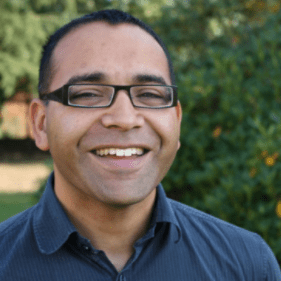 At some point we all face suffering. At some point we all face unjust suffering, the suffering of the innocent, the suffering of pain that takes us to a place where we ask “Why?” So Krish Kandiah, in his new book Paradoxology:
Whether we are forced to watch the suffering of others, or experiencing suffering in our own lives, we desperately want to know ‘Why?’ Why does God stand passively by when there is so much suffering going on all the time? Why does he criticize our tendency to walk on by on the other side of the road when we see people in need, when he himself sees all suffering and yet chooses to do nothing? Does God not care? Does God not understand? Or perhaps he is, after all, incapable of stepping in? God’s deliberate policy of not fixing things when we are suffering highlights one of those universal paradoxes – we believe that God is active and powerful, so if he does not intervene, we are forced to conclude that this God is actively choosing to be passive (86).
Surely this is one of our faith’s biggest challenges and surely also one of the deepest questions to answer. This paradox is also quite true, as I remember Elie Wiesel questioning God’s existence because of the Holocaust and the Rebbe telling Elie Wiesel that the reason to believe is because of the Holocaust. Here is Kandiah’s formulation:
The problem of suffering is one of the most enduring questions humanity has to grapple with, and from an anthropological point of view it is one of the main reasons humans have sought to explain the world we live in by reference to a God or gods. At the same time, in our culture particularly, it has become perhaps the main reason raised in objection against belief in God (86).
Every religion deals with unjust suffering: is it, as in Hinduism, karma? is it, as in Buddhism, wrong desire? is it, as with atheism, bad luck? “Unlike atheists, we believe that the inevitable question ‘Why?’ is in fact crucial evidence that we intrinsically believe things don’t happen by chance, that someone is in control and that things don’t have to be this way” (94).
He turns to Job:
Naked I came from my mother’s womb,
and naked I will depart.
The Lord gave and the Lord has taken away;
may the name of the Lord be praised (Job 1:20-21).Job’s confession reveals a commitment to continue trusting God despite his circumstances. Job’s perspective is that life itself is a gift, and so is everything that comes with it, and he will continue to love God for who he is, not for what he has given to Job (95).
But then that torturous dialogue. What do we learn?
First, we are clearly told that God is in control.
Second, we learn that not all suffering is deserved.
Third, we see God specifically allowing suffering to happen to an innocent person. Satan is permitted to disrupt Job’s life, which throws us back to the classic paradox: does suffering continue because God is not all-powerful, or because God is not all-loving? The book of Job clearly states that God is all-powerful; Satan can do nothing to Job without God’s permission. So the question becomes whether God is all-loving. Can we truly continue to believe in a loving God when he allows such extreme suffering simply to win what appears to be nothing more than a divine wager? As the story unfolds, however, we will see that there is more at stake than a cruel test.
What of the free will defense? “God desires genuine relationships with us as human beings, something which is only possible when there is free choice” (99). “God is still in control, but as he has given us space for us to exercise our freedom, so we have to reap some of its consequences, and live in a world that is not as God originally intended, nor how it will eventually end up” (99).
He wants to present his case before God, but when he gets there God interrogates him.
In fact, the constant barrage of questions from God is not designed to silence and belittle Job, but rather to help him to see something of the wonder of the world as God sees it – to experience a sense of awe. Job doesn’t learn about God’s perspective on his own suffering, but he does learn about God’s perspective on the whole world. Job finds himself knowing God better: ‘My ears had heard of you, but now my eyes have seen you.’ Job finds himself trusting God better: T know that you can do all things; no purpose of yours can be thwarted.’
The only answer to the problem of suffering we will find in Job is the example of reflecting on the universe to observe the power, skill and wisdom of God demonstrated in nature. This is evidence enough to prove beyond question that if God is able to create and order the universe, then he is more than capable of overseeing the details of our lives. If God is powerful enough to create the constellations and yet is attentive enough to watch while ‘the doe bears her fawn’, then he is capable enough to work out the complexities of our lives.
The free-will defence of suffering puts God’s desire for genuine human relationships at its centre. So, in the end, does the book of Job. Will anyone still choose to trust God even if they lose everything? The book of Job answers, yes. The pain of Job’s tragedy and the steadfastness of his faith despite it proves that God’s creation project has not been a waste of time. Job’s story encourages us that when life is hard and perhaps God feels distant and passive, we can get through this with our faith intact.
Previous Post

March 15, 2017
Sarah Bessey's Announcement
Next Post
March 16, 2017 The Assured Results of Modern Science? (RJS)
Browse Our Archives
Select a Category Acts of the Apostles Adam Advent Anabaptism Angels Anglican Apologetics Atonement Baptism BCP Prayers Bible Biblical Studies Birds Blogging Bloglossary Bonhoeffer Books Calvinism Christianity Church Church History Coffee Colossians Commentary Recs Conversion Creation Creeds Culture Death Ecclesiastes Economics Education Embracing Grace Emergent Emerging Movement Eschatology Essays Ethics Eucharist Evangelicalism Family Fasting Fathers Fellowship of Differents Footsteps Tour Fun and Whimsical Gospel Grace Happiness Heaven Hell Holy Spirit Irenaeus James Jesus Jesus Creed Job Justification Kingdom of God Law Lectures Lent Liberalism Love and Marriage Mabanteneni Manhood Mary Miracles Missio Alliance MissioLife Missional Missional Jesus Movies and Film New Perspective Northern Seminary OneLife Origins Project Orthodox Parables Pastor's Spouse Pastoring and Leading Pastoring and Preaching Patristics Paul Paul-John Tour Pharisees Pietism Political Theology Prayer and Formation Preaching Problems for Faith Psalm 119 Psalms Public Issues Purgatory Religions Resurrection Revelation Romans Rule of JCreed Science and Faith Sermon on the Mount Sports Ten Commandments Theology Third Way Top Ten Lists Translations Uncategorized Universalism University Ministry Way Out Weekly Meanderings Wisdom Women and Ministry Work Worship Writing & Blogging Youth Ministry
Select a Month July 2021 January 2020 December 2019 November 2019 October 2019 September 2019 August 2019 July 2019 June 2019 May 2019 April 2019 March 2019 February 2019 January 2019 December 2018 November 2018 October 2018 September 2018 August 2018 July 2018 June 2018 May 2018 April 2018 March 2018 February 2018 January 2018 December 2017 November 2017 October 2017 September 2017 August 2017 July 2017 June 2017 May 2017 April 2017 March 2017 February 2017 January 2017 December 2016 November 2016 October 2016 September 2016 August 2016 July 2016 June 2016 May 2016 April 2016 March 2016 February 2016 January 2016 December 2015 November 2015 October 2015 September 2015 August 2015 July 2015 June 2015 May 2015 April 2015 March 2015 February 2015 January 2015 December 2014 November 2014 October 2014 September 2014 August 2014 July 2014 June 2014 May 2014 April 2014 March 2014 February 2014 January 2014 December 2013 November 2013 October 2013 September 2013 August 2013 July 2013 June 2013 May 2013 April 2013 March 2013 February 2013 January 2013 December 2012 November 2012 October 2012 September 2012 August 2012 July 2012 June 2012 May 2012 April 2012 March 2012 February 2012 January 2012 December 2011 November 2011 October 2011 September 2011 August 2011 July 2011 June 2011 May 2011 April 2011 March 2011 February 2011 January 2011 December 2010 November 2010 October 2010 September 2010 August 2010 July 2010 June 2010 May 2010 April 2010 March 2010 February 2010 January 2010 December 2009 November 2009 October 2009 September 2009 August 2009 July 2009 June 2009 May 2009 April 2009 March 2009 February 2009 January 2009 December 2008 November 2008 October 2008 September 2008 August 2008 July 2008 June 2008 May 2008 April 2008 March 2008 February 2008 January 2008 December 2007 November 2007 October 2007 September 2007 August 2007 July 2007 June 2007 May 2007 April 2007 March 2007 February 2007 January 2007 December 2006 November 2006 October 2006 September 2006 August 2006 July 2006 June 2006 May 2006 April 2006 March 2006 February 2006 January 2006 December 2005 November 2005 October 2005 September 2005 August 2005 July 2005 June 2005 May 2005 April 2005 0000
Follow Us!
TAKE THE
Religious Wisdom Quiz
What city is home to the headquarters of the Roman Catholic Church?
Select your answer to see how you score.
London Jerusalem Paris Vatican City
Related posts from Jesus Creed


The Gospel of With Us and Through Us

Northern Seminary Announces: Nijay Gupta Joins Faculty

The Gundrys and Me: Ruth Tucker
TRENDING AT PATHEOS Evangelical

When you hear the word riches, what comes to mind? For most...

Don’t Miss the Parents: A Creative Christmas Meditation
As we enter the Advent Season, I see many people trying to...

Making Stones Into Bread: Choosing the “Right” Work
I was on my online arts ministry Zoom meeting with the International...

Ukraine’s exhausted Christians face fifth winter of war
By Julian Lukins The full-scale war in Ukraine is taking “a serious...

Russell Brand's Conviction is not anti-Christian Persecution
How do we shed the reputation that the Church is OK with...

Have you ever caught yourself saying, “I’ll do it tomorrow,” or “Now...
view all Evangelical blogs
Ad-Free & Subscriber Log-In Subscription Support
- About Us
- 2026 Calendar
- Videos
- Podcasts
- Library of World Religions
- Faith In Media Tracker
- Advertise With Us
- Write for Us
- Privacy Policy
- Terms of Service
- Do Not Sell My Data
- Contact Us
- Radiant Digital
- Manage Newsletter Subscriptions
- Unsubscribe From Notifications
- Sitemap
Copyright 2008-2026, Patheos, part of the Radiant Digital network of media brands. All rights reserved.
Subscription Support Ad-Free & Subscriber Log-In
Follow Patheos