
BuddhistCatholicContemplativeEvangelicalGeneral ChristianHinduJewishLatter-day SaintMuslimNew VisionsProgressive Christian
Beliefs
- Buddhist
- Catholic
- Contemplative
- Evangelical
- General Christian
- Hindu
- Jewish
- Latter-day Saint
- More Voices
- Muslim
- New Visions
- Pagan
- Progressive Christian
Topics
- Religion News
- Food and Religion
- Sports and Religion
- Religious Art
- Religious Music and Entertainment
- Religious Events
- History and Religion
- Style and Religion
- Politics and Religion
- Women in Religion
- Recreation Outdoors and Religion
- Business Finance and Religion
- Careers Workplace and Religion
- Education and Religion
- Family Parenting and Religion
- Health Fitness and Religion
- Home and Religion
- Relationships and Religion
- Technology and Religion
- Travel and Religion
Columnists
- Buddhist Columnists
- Business Finance and Religion Columnists
- Careers Workplace and Religion Columnists
- Catholic Columnists
- Contemplative Columnists
- Education and Religion Columnists
- Evangelists Columnists
- Family Parenting and Religion Columnists
- General Christian Columnists
- Health Fitness and Religion Columnists
- Hindu Columnists
- History and Religion Columnists
- Home and Religion Columnists
- Jewish Columnists
- More Voices Columnists
- Latter Day Columnists
- Muslim Columnists
- New Visions Columnists
- Nonreligious Columnists
- Pagan Columnists
- Politics and Religion Columnists
- Progressive Columnists
- Recreation Outdoors and Religion Columnists
- Relationships and Religion Columnists
- Religion News Columnists
- Religious Art Columnists
- Religious Events Columnists
- Religious Music and Entertainment Columnists
- Sports and Religion Columnists
- Style and Religion Columnists
- Technology and Religion Columnists
- Travel and Religion Columnists
- Women in Religion Columnists
Resource Library
- 2026 Calendar
- Library of World Religions
- The 100 Most Holy Places on Earth
- Patheos Answers
- Podcasts
- Videos
- Faith Leaders Database
- Anglican Episcopalian
- Bahai
- Baptist
- Buddhism
- Christianity
- Confucianism
- Eastern Orthodoxy
- Hinduism
- Holiness and Pentecostal
- ISKCON
- Islam
- Judaism
- Lutheran
- Methodist
- The Church of Jesus Christ of Latter-day Saints
- New Age
- Paganism
- Presbytarian and Reformed
- Protestantism
- Religion Behind the Scenes
- Roman Catholic
- Scientology
- Shia Islam
- Sikhism
- Sufism
- Sunni Islam
- Taoism
- Zen
- See all religions
Research Tools
 Ad-Free & Subscriber Log-In Subscription Support
Ad-Free & Subscriber Log-In Subscription Support
Follow Patheos 

- Trending:
- Forgiveness
- |
- Marriage
- |
- Consciousness
- |
- Death Penalty
- |
- Election
- |
- Halloween
 Jesus Creed
- Home
- Evangelical
- Connection and Reflection
Connection and Reflection
Last updated on: March 13, 2015 at 9:54 pm by Scot McKnight
Connection and Reflection 2015-03-13T21:54:23-05:00 Scot McKnight
Patheos Explore the world's faith through different perspectives on religion and spirituality! Patheos has the views of the prevalent religions and spiritualities of the world.
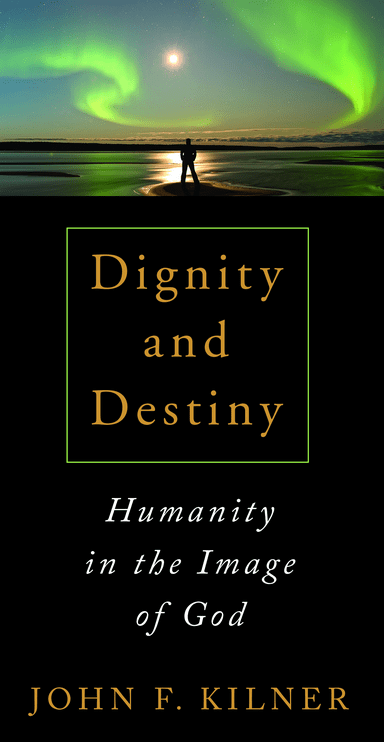 One of the gifts of the Bible to the lot of every human being who has ever lived, who is living and who will ever live is that each is made in God’s image. The gift is on the table but unwrapping the gift to understand what it means is the challenge. John F. Kilner, Dignity and Destiny: Humanity in the Image of God, unwraps the gift into two primary terms.
To be made in God’s image meant to be in connection to God through Christ and to be designed for reflection of God and God’s glory. One might then think there’s nothing new here, or at least no renewed emphasis, since one might think this means Image as relationality and Image as being. But Kilner picks bones with almost everyone in a book that will become the starting point for all those with theological or ethical orientations. Biblical folks will continue to begin with Richard Middleton’s The Liberating Image.
People have used the image of God for liberation and destruction and part of the problem is that there is little attention in the Bible to the expression “image of God,” and little definition, and we are in danger of importing both theological and cultural ideas onto the meaning of the expression “image of God.” Yet, Kilner wades his way through the Bible’s evidence and the many directions of literature to focus — admirably — on Christ as the true image of God. He is the enabler and the standard of what “image” means.

I agree that a bad view of God’s’ image can lead to bad moral actions, not least murder or exploitation, and I agree that theology ought to shape behavior. The fact is that many have had — so they have — more than a healthy view of the image of God and have not seen their way to treating others with the dignity or respect they deserve. E.g., many affirm that women are in God’s image but don’t treat them as they ought to be treated; many affirm the same for children or for those in other nations or who are committed to another religion. Put differently, what we believe doesn’t always work out in practice.
Kilner’s book will be known for its critique of all other approaches to the meaning of image of God, and his approach is to show weaknesses or to suggest potential negative implications of other views of the image of God. So, for instance, he pushes against interpretations that focus on how humans are excellent, how they are like God, and how they are unlike animals.
He also pushes against the view that something happened — negatively — to the image of God in the fall: thus, he doesn’t think the Bible supports the notion that the image of God was completely lost, virtually lost, partly lost, or that its appearance was compromised. The image of God then is in tact in each and every human being. This pushes the problem of the impact of sin onto other areas of anthropology, and he may well be right here.
Kilner also finds misunderstandings in the image of God in those who focus on human attributes — that is, those who focus on one of these four Rs: reason, righteousness, rulership or relationship.
For him the image of God is about our special connection to God and how God intends for that connection to result in humans reflecting God in many ways. So, again, we are at these two terms: connection to God in Christ and reflection of God now and in the future by growing in the attributes of renewal into Christlikeness: thus, reason, righteousness, rulership and relationship. He has good sections on the importance of love. The closer he connects these four attributes to the meaning of “reflection” the less the distinction between attributes and image of God.
Kilner, I think it would be fair and not uncharitable to say, is neither an exegete nor a theologian. Yes, he has done his homework well — he shows a good grasp of the exegetical issues (though we could have had much more on the ancient near east and historical contexts; he know the Bible folks today are thinking image of God refers to “rulership”) and of the theological issues. Yes, he has an admirable grasp of the astounding bibliography at work in discussion of a topic like this. There is nothing here that doesn’t represent standard academic scholarship on the topic. This book is a singular accomplishment.
Yet, the book is constrained by his discipline: ethics or bioethics. He presses the issues toward ethical implications. A big example is his focus in the book — and in the title — on the word “dignity,” which tosses the weight onto anthropology or the significance of humans and tends to minimize the function. I would, in other words, add to his “connection and reflection” the word “function.” His approach comes from an ethical angle and it constrains the implications. Thus, he connects image of God to “rights” and says “people have rights” but his theological orientation leads him then to say “they do not have a right to those rights” (318). Interesting sentence, I have to admit, but I wonder if “rights” hasn’t been undone by saying so. Nonetheless, this isn’t a concern to me. What is that he moves toward “rights” and this is a modern ethical category drawn far more from the Enlightenment than from the biblical world, where the category of “responsibility” is probably closer to the ground. Do people, I would ask, because they are made in God’s image have a “right” to the kind of “happiness” that national welfare brings?
That is, he concludes that since people are made in God’s image and it has not been damaged then there should be respect for weakest and the most marginalized, for those with disabilities, those with bodily characteristics (an odd way of talking about race and ethnicity), women and those who are not Christians. He’s right in all this. But if one were to focus on other dimensions of “image of God,” say “rule,” then other elements would come to the surface as well.
As I said above, this book will become the go-to book for those who want to explore “image of God” in a theo-ethical context and in that context the book is a great achievement.
Previous Post

February 4, 2015
OK Earthquakes
Next Post

February 5, 2015 God Nudges, Shouldn't We Also? (RJS)
Browse Our Archives
Select a Category Acts of the Apostles Adam Advent Anabaptism Angels Anglican Apologetics Atonement Baptism BCP Prayers Bible Biblical Studies Birds Blogging Bloglossary Bonhoeffer Books Calvinism Christianity Church Church History Coffee Colossians Commentary Recs Conversion Creation Creeds Culture Death Ecclesiastes Economics Education Embracing Grace Emergent Emerging Movement Eschatology Essays Ethics Eucharist Evangelicalism Family Fasting Fathers Fellowship of Differents Footsteps Tour Fun and Whimsical Gospel Grace Happiness Heaven Hell Holy Spirit Irenaeus James Jesus Jesus Creed Job Justification Kingdom of God Law Lectures Lent Liberalism Love and Marriage Mabanteneni Manhood Mary Miracles Missio Alliance MissioLife Missional Missional Jesus Movies and Film New Perspective Northern Seminary OneLife Origins Project Orthodox Parables Pastor's Spouse Pastoring and Leading Pastoring and Preaching Patristics Paul Paul-John Tour Pharisees Pietism Political Theology Prayer and Formation Preaching Problems for Faith Psalm 119 Psalms Public Issues Purgatory Religions Resurrection Revelation Romans Rule of JCreed Science and Faith Sermon on the Mount Sports Ten Commandments Theology Third Way Top Ten Lists Translations Uncategorized Universalism University Ministry Way Out Weekly Meanderings Wisdom Women and Ministry Work Worship Writing & Blogging Youth Ministry
Select a Month July 2021 January 2020 December 2019 November 2019 October 2019 September 2019 August 2019 July 2019 June 2019 May 2019 April 2019 March 2019 February 2019 January 2019 December 2018 November 2018 October 2018 September 2018 August 2018 July 2018 June 2018 May 2018 April 2018 March 2018 February 2018 January 2018 December 2017 November 2017 October 2017 September 2017 August 2017 July 2017 June 2017 May 2017 April 2017 March 2017 February 2017 January 2017 December 2016 November 2016 October 2016 September 2016 August 2016 July 2016 June 2016 May 2016 April 2016 March 2016 February 2016 January 2016 December 2015 November 2015 October 2015 September 2015 August 2015 July 2015 June 2015 May 2015 April 2015 March 2015 February 2015 January 2015 December 2014 November 2014 October 2014 September 2014 August 2014 July 2014 June 2014 May 2014 April 2014 March 2014 February 2014 January 2014 December 2013 November 2013 October 2013 September 2013 August 2013 July 2013 June 2013 May 2013 April 2013 March 2013 February 2013 January 2013 December 2012 November 2012 October 2012 September 2012 August 2012 July 2012 June 2012 May 2012 April 2012 March 2012 February 2012 January 2012 December 2011 November 2011 October 2011 September 2011 August 2011 July 2011 June 2011 May 2011 April 2011 March 2011 February 2011 January 2011 December 2010 November 2010 October 2010 September 2010 August 2010 July 2010 June 2010 May 2010 April 2010 March 2010 February 2010 January 2010 December 2009 November 2009 October 2009 September 2009 August 2009 July 2009 June 2009 May 2009 April 2009 March 2009 February 2009 January 2009 December 2008 November 2008 October 2008 September 2008 August 2008 July 2008 June 2008 May 2008 April 2008 March 2008 February 2008 January 2008 December 2007 November 2007 October 2007 September 2007 August 2007 July 2007 June 2007 May 2007 April 2007 March 2007 February 2007 January 2007 December 2006 November 2006 October 2006 September 2006 August 2006 July 2006 June 2006 May 2006 April 2006 March 2006 February 2006 January 2006 December 2005 November 2005 October 2005 September 2005 August 2005 July 2005 June 2005 May 2005 April 2005 0000
Follow Us!
TAKE THE
Religious Wisdom Quiz
According to 1 John, what three things testify on earth?
Select your answer to see how you score.
The Father, the Son, and the Holy Spirit The Spirit, the water, and the blood Prayer, fasting, and almsgiving Faith, hope, and love
Related posts from Jesus Creed

Participation-in-Christ: The Major Themes


What Makes a Worldview Most Christian?

Elements in a Christian Worldview
TRENDING AT PATHEOS Evangelical

The REST of Your Life: A Creative Wrestles...
This week I had a conversation with a good friend from church....

How the author of the world's best hymn...
I've been working with John Newton for a while now. This makes...

Long before this Lectio Divina, Psalm 130 - the song - started...

What About the Trees? Another Living Parable
After I finished writing the last article about falling leaves as a...

Why Classical Education Is a Conversation, Not a...
Come and Read: Joy in Classical Education When I was a little...

Cornell University has received a great deal of negative publicity and intense...
view all Evangelical blogs
Ad-Free & Subscriber Log-In Subscription Support
- About Us
- 2026 Calendar
- Videos
- Podcasts
- Library of World Religions
- Faith In Media Tracker
- Advertise With Us
- Write for Us
- Privacy Policy
- Terms of Service
- Do Not Sell My Data
- Contact Us
- Radiant Digital
- Manage Newsletter Subscriptions
- Unsubscribe From Notifications
- Sitemap
Copyright 2008-2026, Patheos. All rights reserved.
Subscription Support Ad-Free & Subscriber Log-In
Follow Patheos