
BuddhistCatholicContemplativeEvangelicalGeneral ChristianHinduJewishLatter-day SaintMuslimNew VisionsProgressive Christian
Beliefs
- Buddhist
- Catholic
- Contemplative
- Evangelical
- General Christian
- Hindu
- Jewish
- Latter-day Saint
- More Voices
- Muslim
- New Visions
- Pagan
- Progressive Christian
Topics
- Religion News
- Food and Religion
- Sports and Religion
- Religious Art
- Religious Music and Entertainment
- Religious Events
- History and Religion
- Style and Religion
- Politics and Religion
- Women in Religion
- Recreation Outdoors and Religion
- Business Finance and Religion
- Careers Workplace and Religion
- Education and Religion
- Family Parenting and Religion
- Health Fitness and Religion
- Home and Religion
- Relationships and Religion
- Technology and Religion
- Travel and Religion
Columnists
- Buddhist Columnists
- Business Finance and Religion Columnists
- Careers Workplace and Religion Columnists
- Catholic Columnists
- Contemplative Columnists
- Education and Religion Columnists
- Evangelists Columnists
- Family Parenting and Religion Columnists
- General Christian Columnists
- Health Fitness and Religion Columnists
- Hindu Columnists
- History and Religion Columnists
- Home and Religion Columnists
- Jewish Columnists
- More Voices Columnists
- Latter Day Columnists
- Muslim Columnists
- New Visions Columnists
- Nonreligious Columnists
- Pagan Columnists
- Politics and Religion Columnists
- Progressive Columnists
- Recreation Outdoors and Religion Columnists
- Relationships and Religion Columnists
- Religion News Columnists
- Religious Art Columnists
- Religious Events Columnists
- Religious Music and Entertainment Columnists
- Sports and Religion Columnists
- Style and Religion Columnists
- Technology and Religion Columnists
- Travel and Religion Columnists
- Women in Religion Columnists
Resource Library
- 2026 Calendar
- Library of World Religions
- The 100 Most Holy Places on Earth
- Patheos Answers
- Podcasts
- Videos
- Faith Leaders Database
- Anglican Episcopalian
- Bahai
- Baptist
- Buddhism
- Christianity
- Confucianism
- Eastern Orthodoxy
- Hinduism
- Holiness and Pentecostal
- ISKCON
- Islam
- Judaism
- Lutheran
- Methodist
- The Church of Jesus Christ of Latter-day Saints
- New Age
- Paganism
- Presbytarian and Reformed
- Protestantism
- Religion Behind the Scenes
- Roman Catholic
- Scientology
- Shia Islam
- Sikhism
- Sufism
- Sunni Islam
- Taoism
- Zen
- See all religions
Research Tools
 Ad-Free & Subscriber Log-In Subscription Support
Ad-Free & Subscriber Log-In Subscription Support
Follow Patheos 

- Trending:
- Forgiveness
- |
- Marriage
- |
- Consciousness
- |
- Death Penalty
- |
- Election
- |
- Halloween
 Jesus Creed
- Home
- Evangelical
- Reforming 1
Reforming 1
Last updated on: March 17, 2008 at 12:30 am by Scot McKnight
Reforming 1 2008-03-17T00:30:43-05:00 Scot McKnight
Patheos Explore the world's faith through different perspectives on religion and spirituality! Patheos has the views of the prevalent religions and spiritualities of the world.
(Say the Jesus Creed morning and evening during Lent.)
Sometimes it is necessary to describe and classify and map in order to understand both who we are and what we think and who others are and what they believe. This is what Roger Olson does in his new and very important book, Reformed and Always Reforming
Olson’s book compares and contrasts conservative evangelicals with postconservative evangelicals. [I consider many of the former neo-fundamentalists.] Olson names names and gives us some lists. Here are his basic conversational partners.
First, Olson lines up conservatives as Carl FH Henry, Ken Kantzer, JI Packer, David Wells, Wayne Grudem, Norman Geisler and DA Carson. Postconservatives include Clark Pinnock, Stan Grenz, John Franke, Kevin Vanhoozer, Nancey Murphy, James McClendon, Miroslav Volf, Henry Knight and Brian McLaren. There are two mediating theologians: Alistair McGrath and Donald Bloesch.
A good example of the former is Evangelical Affirmations
An example of the latter (postconservatism) is John Franke’s The Character of Theology
Second, Olson thinks postconservatism is a style not a set of beliefs. We will look at this in a later post. The style of conservative theology: “relies heavily on authoritative tradition and rejects or consciously neglects the critical and constructive tasks of theology except insofar as ‘critical’ means rejecting new formulations and revisionings of beliefs” (19). In other words, while it claims to be biblical (and it often is), it is also thoroughly shaped by tradition and the influence of the latter is not sufficiently admitted.
Third, Olson sees two kinds of conservative evangelicals: the biblicist sort that flow out of the Old Princeton school and appeal to one degree or another to Charles Hodge. A second kind is palaeo-orthodoxy — that is, they want to be attached to the ancient creeds (he mentions here D.H. Williams and Tom Oden).
Finally, what are the common tendencies of conservative evangelicalism? He finds ten tendencies:
1. Tendency to treat correct doctrine as the essence of authentic Christianity.
2. Tendency to treat revelation as primarily propositional.
3. Tendency to elevate some tradition to the status of a magisterium. This closes off fresh study and theology.
4. Tendency to be suspicious of constructive theology and to be defensive and to patrol evangelical borders.
5. Tendency to see evangelicalism as a bounded set instead of a centered set.
6. Tendency to see the “evangelical tent” as a “small” tent. (Here he brings up inerrancy as one defining line.)
7. Tendency to be suspicious of modernity and postmodernity, even if many postconservatives think they are caught up in modernity too much. Doctrinal pluralism is a threat and here he uses Carson as an example in his The Gagging of God
8. Tendency to think their theology is uninfluenced by history and culture. They look for the transcultural and see it as permanent.
9. Tendency to remain close to the fundamentalist roots. Many, Olson argues, are moving toward fundamentalism. He says, “I admit this is a matter of opinion.” I agree with that opinion.
10. Tendency to do theology in the grip of the fear of liberal theology.
He knows there are varieties and nuances; these are ten tendencies.
Next post: the five features in common between conservatives and postconservatives.
Previous Post

March 17, 2008
One Day at a Time, No More
Next Post
March 18, 2008 Keys of the Kingdom 52
Browse Our Archives
Select a Category Acts of the Apostles Adam Advent Anabaptism Angels Anglican Apologetics Atonement Baptism BCP Prayers Bible Biblical Studies Birds Blogging Bloglossary Bonhoeffer Books Calvinism Christianity Church Church History Coffee Colossians Commentary Recs Conversion Creation Creeds Culture Death Ecclesiastes Economics Education Embracing Grace Emergent Emerging Movement Eschatology Essays Ethics Eucharist Evangelicalism Family Fasting Fathers Fellowship of Differents Footsteps Tour Fun and Whimsical Gospel Grace Happiness Heaven Hell Holy Spirit Irenaeus James Jesus Jesus Creed Job Justification Kingdom of God Law Lectures Lent Liberalism Love and Marriage Mabanteneni Manhood Mary Miracles Missio Alliance MissioLife Missional Missional Jesus Movies and Film New Perspective Northern Seminary OneLife Origins Project Orthodox Parables Pastor's Spouse Pastoring and Leading Pastoring and Preaching Patristics Paul Paul-John Tour Pharisees Pietism Political Theology Prayer and Formation Preaching Problems for Faith Psalm 119 Psalms Public Issues Purgatory Religions Resurrection Revelation Romans Rule of JCreed Science and Faith Sermon on the Mount Sports Ten Commandments Theology Third Way Top Ten Lists Translations Uncategorized Universalism University Ministry Way Out Weekly Meanderings Wisdom Women and Ministry Work Worship Writing & Blogging Youth Ministry
Select a Month July 2021 January 2020 December 2019 November 2019 October 2019 September 2019 August 2019 July 2019 June 2019 May 2019 April 2019 March 2019 February 2019 January 2019 December 2018 November 2018 October 2018 September 2018 August 2018 July 2018 June 2018 May 2018 April 2018 March 2018 February 2018 January 2018 December 2017 November 2017 October 2017 September 2017 August 2017 July 2017 June 2017 May 2017 April 2017 March 2017 February 2017 January 2017 December 2016 November 2016 October 2016 September 2016 August 2016 July 2016 June 2016 May 2016 April 2016 March 2016 February 2016 January 2016 December 2015 November 2015 October 2015 September 2015 August 2015 July 2015 June 2015 May 2015 April 2015 March 2015 February 2015 January 2015 December 2014 November 2014 October 2014 September 2014 August 2014 July 2014 June 2014 May 2014 April 2014 March 2014 February 2014 January 2014 December 2013 November 2013 October 2013 September 2013 August 2013 July 2013 June 2013 May 2013 April 2013 March 2013 February 2013 January 2013 December 2012 November 2012 October 2012 September 2012 August 2012 July 2012 June 2012 May 2012 April 2012 March 2012 February 2012 January 2012 December 2011 November 2011 October 2011 September 2011 August 2011 July 2011 June 2011 May 2011 April 2011 March 2011 February 2011 January 2011 December 2010 November 2010 October 2010 September 2010 August 2010 July 2010 June 2010 May 2010 April 2010 March 2010 February 2010 January 2010 December 2009 November 2009 October 2009 September 2009 August 2009 July 2009 June 2009 May 2009 April 2009 March 2009 February 2009 January 2009 December 2008 November 2008 October 2008 September 2008 August 2008 July 2008 June 2008 May 2008 April 2008 March 2008 February 2008 January 2008 December 2007 November 2007 October 2007 September 2007 August 2007 July 2007 June 2007 May 2007 April 2007 March 2007 February 2007 January 2007 December 2006 November 2006 October 2006 September 2006 August 2006 July 2006 June 2006 May 2006 April 2006 March 2006 February 2006 January 2006 December 2005 November 2005 October 2005 September 2005 August 2005 July 2005 June 2005 May 2005 April 2005 0000
Follow Us!
TAKE THE
Religious Wisdom Quiz
What did Isaiah tell Hezekiah to use as a remedy for his illness?
Select your answer to see how you score.
A poultice of figs Olive oil Wine River water
Related posts from Jesus Creed
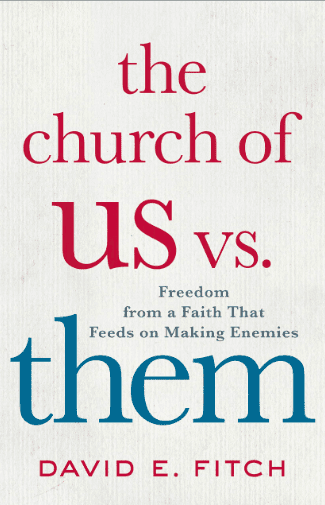
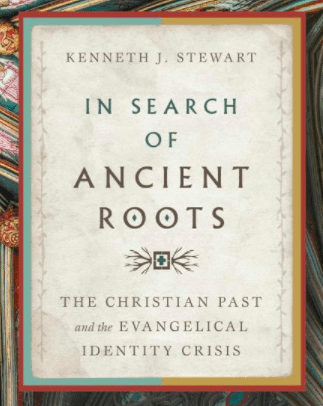
Which Evangelicalism Have You Abandoned?

The Soul of Evangelicalism: What Will Become of...

Evangelicalism's Impulse to Restore
TRENDING AT PATHEOS Evangelical

The REST of Your Life: A Creative Wrestles...
This week I had a conversation with a good friend from church....

How the author of the world's best hymn...
I've been working with John Newton for a while now. This makes...

Long before this Lectio Divina, Psalm 130 - the song - started...

What About the Trees? Another Living Parable
After I finished writing the last article about falling leaves as a...

Why Classical Education Is a Conversation, Not a...
Come and Read: Joy in Classical Education When I was a little...

Cornell University has received a great deal of negative publicity and intense...
view all Evangelical blogs
Ad-Free & Subscriber Log-In Subscription Support
- About Us
- 2026 Calendar
- Videos
- Podcasts
- Library of World Religions
- Faith In Media Tracker
- Advertise With Us
- Write for Us
- Privacy Policy
- Terms of Service
- Do Not Sell My Data
- Contact Us
- Radiant Digital
- Manage Newsletter Subscriptions
- Unsubscribe From Notifications
- Sitemap
Copyright 2008-2026, Patheos. All rights reserved.
Subscription Support Ad-Free & Subscriber Log-In
Follow Patheos