
BuddhistCatholicContemplativeEvangelicalGeneral ChristianHinduJewishLatter-day SaintMuslimNew VisionsProgressive Christian
Beliefs
- Buddhist
- Catholic
- Contemplative
- Evangelical
- General Christian
- Hindu
- Jewish
- Latter-day Saint
- More Voices
- Muslim
- New Visions
- Pagan
- Progressive Christian
Topics
- Religion News
- Food and Religion
- Sports and Religion
- Religious Art
- Religious Music and Entertainment
- Religious Events
- History and Religion
- Style and Religion
- Politics and Religion
- Women in Religion
- Recreation Outdoors and Religion
- Business Finance and Religion
- Careers Workplace and Religion
- Education and Religion
- Family Parenting and Religion
- Health Fitness and Religion
- Home and Religion
- Relationships and Religion
- Technology and Religion
- Travel and Religion
Columnists
- Buddhist Columnists
- Business Finance and Religion Columnists
- Careers Workplace and Religion Columnists
- Catholic Columnists
- Contemplative Columnists
- Education and Religion Columnists
- Evangelists Columnists
- Family Parenting and Religion Columnists
- General Christian Columnists
- Health Fitness and Religion Columnists
- Hindu Columnists
- History and Religion Columnists
- Home and Religion Columnists
- Jewish Columnists
- More Voices Columnists
- Latter Day Columnists
- Muslim Columnists
- New Visions Columnists
- Nonreligious Columnists
- Pagan Columnists
- Politics and Religion Columnists
- Progressive Columnists
- Recreation Outdoors and Religion Columnists
- Relationships and Religion Columnists
- Religion News Columnists
- Religious Art Columnists
- Religious Events Columnists
- Religious Music and Entertainment Columnists
- Sports and Religion Columnists
- Style and Religion Columnists
- Technology and Religion Columnists
- Travel and Religion Columnists
- Women in Religion Columnists
Resource Library
- 2026 Calendar
- Library of World Religions
- The 100 Most Holy Places on Earth
- Patheos Answers
- Podcasts
- Videos
- Faith Leaders Database
- Anglican Episcopalian
- Bahai
- Baptist
- Buddhism
- Christianity
- Confucianism
- Eastern Orthodoxy
- Hinduism
- Holiness and Pentecostal
- ISKCON
- Islam
- Judaism
- Lutheran
- Methodist
- The Church of Jesus Christ of Latter-day Saints
- New Age
- Paganism
- Presbytarian and Reformed
- Protestantism
- Religion Behind the Scenes
- Roman Catholic
- Scientology
- Shia Islam
- Sikhism
- Sufism
- Sunni Islam
- Taoism
- Zen
- See all religions
Research Tools
 Ad-Free & Subscriber Log-In Subscription Support
Follow Patheos 

- Trending:
- Advent
- |
- Forgiveness
- |
- Thanksgiving
- |
- Election
- |
- Seasonal Holidays
- |
- Marriage

- Home
- Catholic
- Three Signs It’s a Sexual Abuse Cover-Up and Not Just an Innocent Misunderstanding
Three Signs It’s a Sexual Abuse Cover-Up and Not Just an Innocent Misunderstanding
Last updated on: June 17, 2015 at 10:35 am by Jennifer Fitz
Three Signs It’s a Sexual Abuse Cover-Up and Not Just an Innocent Misunderstanding 2015-06-17T10:35:03-05:00 Jennifer Fitz
Patheos Explore the world's faith through different perspectives on religion and spirituality! Patheos has the views of the prevalent religions and spiritualities of the world.
In yesterday’s installment in this series on preventing and stopping sexual abuse, I created three pairs of fictional scenarios. Scene A was a typical case of ordinary parish life mishaps; Scene B was covert sexual abuse. Today I want to explain how I crafted those pairs, and what the hallmarks of covert abuse were that I put into all the Scene B’s.
Let’s pause here and encourage you to read up on this subject elsewhere. My analysis below isn’t based on statistical modeling, and I don’t have academic credentials to hand you. This is just me taking what I’ve seen and heard, both from my own experience with sexual abuse cases (limited) and reading and listening to the accounts of others. I’m writing what I am not because I’m the world’s expert, but because this topic is so important that you can’t just sit around hoping someone more impressive will come along and answer all the questions. I hope they will. But meanwhile, we who’ve been in the trenches just share what we know.
So I write this because I know how difficult it is to put your finger on why something is not right when you are presented with a case of covert abuse, and how important it is to step in and act at this stage, before the child porn and the sodomy and the rape get going.
This is me explaining the ingredients I put into my scenarios yesterday that, in my experience, are common characteristics of covert abuse:
1. Inappropriate Intimacy: Behavior Doesn’t Match Context
Covert abusers use normal situations as their cover-story for why they are so physically close to their victims. We know of many situations in which we come into close physical contact with another person, whether it’s in sports, or medicine, or day-to-day childcare. Physical touch in the form of a chaste hug, appropriate hand-holding, or other gestures of affection or solidarity are normal and healthy. Very young children need diapers changed or assistance potty-training, and often need to be held or carried. As a teacher or caregiver, you may have situations where you have to address sexual issues, such as finding sanitary pads for a student who’s surprised by her period or telling a young man to pull up his pants (underwear showing at the waist) or zip his fly.
The difference between abuse and normal care is that the abuser uses the excuse of a normal situation as a cover-up for abnormal behavior. Comparing the pairs of scenarios I wrote:
- It’s normal (though hopefully rare) for a teacher to have to respond to a fashion accident. It’s not normal for a teacher to physically touch a student’s chest or groin as part of “checking the dress code.”
- Normal physical contact in sports or games might involve holding hands, locking wrists, helping someone get up from the floor, correcting an athlete’s posture or position — but it doesn’t involve copping a feel.
- Normal first aid includes washing cuts or checking for other injuries, but if a kid comes to you with an ordinary scraped knee, you don’t need to do an inspection of the pelvis.
When you say goodnight to a child, your hands don’t go under the covers. When you are holding a child in the pool, your hands don’t go inside the swimsuit.
There are times when intimate contact is necessary, and at those times our culture (and every other) uses norms of behavior to distinguish between what is acceptable and what is not. A nurse might draw blood from your elbow with little fanfare, but if you’re being prepped for a medical procedure in your pelvic area, there will be any number of steps taken to safeguard modesty — a third person present, draping to avoid exposing more than is necessary, verbal confirmation of what is happening and why.
Covert abuse uses normal pretexts to violate any reasonable understanding of appropriate behavior between two persons.
2. Intentional or Persistent Behavior
You can accidentally brush up against someone in perfect innocence. You can trip and reach out to catch yourself, or extend your hand to give the Sign of Peace at Mass, and accidentally find your hand on exactly the wrong body part of some other person. You can accidentally walk in on someone who forgot to lock the bathroom door. You can go to grab a runaway toddler and find yourself with a handful something that’s supposed to be covered by a diaper and may or may not be. (The Venn diagram showing the sets “Runaway Toddler” and “Naked Toddler” includes a massive overlap.) You can misunderstand the customs of a foreign culture, or misunderstand the instructions on how to handle a new or unusual situation. But accidents are not repeated behavior.
If the gym teacher accidentally touches your daughter’s breast, he’ll apologize and be more careful and it won’t happen again. If he needs to adjust her arm or her shoulder, he’ll say, “I’m going to put my hand on your shoulder,” or “I’m going to raise your arm and move it to the left just a bit,” and he’ll only touch shoulder or arm. If he has some “reason” his hand just has to keep going back to her breast, or he keeps having these “accidents?” Then they aren’t accidents. In the sexting story linked below, you could accidentally send the wrong picture to a student once; you don’t habitually dial a score of wrong numbers over and over again.
Covert abuse may use “accident” or “mistake” as a cover-up, but the repeated or purposeful nature of the behavior indicates that this is an excuse.
3. Won’t Accept No
A third sign to look for in covert abuse is ignoring the victim’s request to stop. In using the excuses of normal physical contact to get away with abuse, the abuser will look for situations where he or she can get the benefit of the doubt. Maybe in her expertise as a PE teacher or nurse or seamstress she really did think it was necessary to carry out this or that procedure that involved touching the child in that particular place. She has the advanced training — maybe that’s really how this thing is done?
There are very few situations in which it is necessary to insist on cooperation concerning physical touch, and those few scenarios usually involve either life-and-death or a toddler running away with a poopy diaper. They are obvious situations. If no one’s gasping for air or bleeding to death, you can talk it out, wait it out, or skip it.
Abusers take advantage of the fact that children are trained to trust and obey adults, and adults are trained to trust and obey authorities. Most victims won’t protest loudly, they will protest meekly and politely.
An abuser may try to force cooperation by overstating the seriousness of the situation, or by accusing the victim of being a bad sport. A refusal to accept no can also take the form of merrily proceeding with the abusive behavior and pretending not to notice that the victim is protesting.
***
As I say, this isn’t the definitive guide. This is me telling you what I’ve observed based on my limited and mostly secondhand experience. But because I’ve seen these three aspects of covert abuse crop up over and again, I think they are worth remembering.
***
Book recommendation: A reader reminds me to point you to Gavin de Becker’s excellent work on the topic of identifying genuine danger, The Gift of Fear. I think it’s not unreasonable to put it on your must-read list.
Related – Previous posts in my intermittent series on the topic of preventing and stopping sexual abuse:
Phone Before You’re Sure: Why Stopping Sexual Abuse Requires Early Police Involvement – Contains a review of the basic strategies organizations use to prevent and stop sexual abuse (and other crime), a brief discussion of why you won’t necessarily know whether a crime has taken place when the victim tells you about it, sample scenarios to illustrate that point, and a follow-up about why and how to get in contact with the authorities ASAP to get your questions resolved.
How to Idiot Proof Your Parish and Diocese Against the Sexual Abuse Crisis – The reality is that your organization isn’t run by angelic administrative geniuses, it’s run by people like you. This is a review of the things we do to prevent and stop sexual abuse, taking into account the limitations and challenges of conditions on the ground. Message: You aren’t going to do things perfectly all the time, but with a concerted effort to deal with safety concerns despite yourself, you can still create a sound, safe environment.
Unclear on the Concept, Teachers Sexting Edition – Comments on a news article about a teacher sending lewd photographs to her students, and the parent’s reaction as quoted in the story. This is an example of attempts at charity gone awry.
Just Tell the Police – Why you should contact the police about suspected child abuse. Includes a discussion of common concerns about adding to the child’s suffering or accidentally putting an innocent person through the wringer.
We’ve Got a Sexual Abuse Prevention Policy, Now What? – Best practices in taking your policy and putting it to work.
Um, and I have this other book about Classroom Management for Catechists, which might be of interest if you’re trying to figure out what to do right in managing a group of kids. You can read about it here, and see the reviews on Amazon. People say it’s helpful. I think it is, that’s why I wrote it — for me because I needed it.

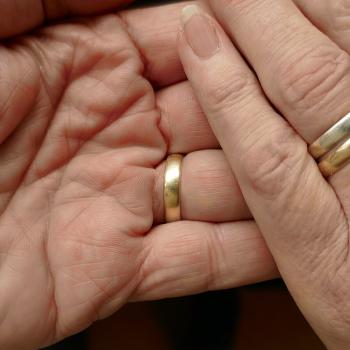
Photo by Joachim Pense.JPense at el.wikipedia [Public domain], from Wikimedia Commons

Previous Post

June 16, 2015
Doesn't get much more unqualified than this . . .
Browse Our Archives
Select a Category Books Catechesis Catholic Q&A Chastity Church Craziness Come See Me Talk Disability & Chronic Illness Economics Evangelization Facepalm Forgiveness Good Things History Homeschooling Human Rights It's All Catholic Listen to Me Survey Series Liturgical Living Marriage Modesty Not Satire. But almost. Rant-o-Rama Sacred Art & Music Satire South Carolina Spark Clutter Stick that Corner Suffering Thinking Topics Writing Stuff
Select a Month November 2026 October 2026 September 2026 July 2026 June 2026 January 2026 December 2025 September 2025 July 2025 June 2025 May 2025 April 2025 March 2025 November 2024 August 2024 July 2024 June 2024 May 2024 April 2024 February 2024 January 2024 December 2023 October 2023 September 2023 August 2023 July 2023 June 2023 May 2023 April 2023 March 2023 February 2023 January 2023 December 2022 November 2022 October 2022 September 2022 August 2022 July 2022 May 2022 April 2022 March 2022 February 2022 January 2022 December 2021 November 2021 October 2021 September 2021 August 2021 July 2021 June 2021 May 2021 January 2021 December 2020 November 2020 October 2020 September 2020 August 2020 July 2020 June 2020 May 2020 April 2020 March 2020 February 2020 January 2020 October 2019 September 2019 August 2019 May 2019 April 2019 February 2019 September 2018 August 2018 July 2018 June 2018 May 2018 April 2018 March 2018 February 2018 January 2018 December 2017 November 2017 October 2017 September 2017 August 2017 June 2017 May 2017 April 2017 March 2017 February 2017 January 2017 December 2016 November 2016 October 2016 September 2016 August 2016 July 2016 May 2016 April 2016 March 2016 February 2016 January 2016 December 2015 November 2015 October 2015 September 2015 August 2015 July 2015 June 2015 May 2015 April 2015 March 2015 February 2015 January 2015 December 2014 November 2014 October 2014 September 2014 August 2014 July 2014 June 2014 May 2014 April 2014 March 2014 February 2014
Follow Us!
TAKE THE
Religious Wisdom Quiz
What did Jesus do at the Last Supper?
Select your answer to see how you score.
Broke bread and shared wine Built an altar Washed the floor Wrote in the sand
Related posts from Sticking the Corners

Is a 'Catholic Lifestyle' a Real Thing?
When Your Clergy Just Don't Give A Crap

Misogynist Clericalism Strikes Again
Finding Yourself in Your Vocation
TRENDING AT PATHEOS Catholic

Thomas Paine, the Smiths, the apostles in England,...
I'm pleased to announce that the Becoming Brigham Black Friday Sale,...

CatholicTV Series: Six Black Catholics on Path to...
WATERTOWN, Mass., November 9, 2026 – In recognition of Black Catholic History...

New Advent Journal Invites Catholics to Be Pilgrims
Florissant, MO, November 16, 2026— What if Advent were more than a...

INNER CIRCLE: John's Quantum Gospel
INTRODUCTION In this next Inner Circle series, which I anticipate will...

"Three B's" of My Apologetics Ministry (+ VIDEO)
In early December 2026 (less than a week from the time...

James Ishmael Ford's books on Zen
James Ishmael Ford's Official Website provides the most complete annotated list of...
view all Catholic blogs
Ad-Free & Subscriber Log-In Subscription Support
- About Us
- 2026 Calendar
- Videos
- Podcasts
- Library of World Religions
- Faith In Media Tracker
- Advertise With Us
- Write for Us
- Privacy Policy
- Terms of Service
- Do Not Sell My Data
- Contact Us
- Radiant Digital
- Manage Newsletter Subscriptions
- Unsubscribe From Notifications
- Sitemap
Copyright 2008-2026, Patheos, part of the Radiant Digital network of media brands. All rights reserved.
Subscription Support Ad-Free & Subscriber Log-In
Follow Patheos