
BuddhistCatholicContemplativeEvangelicalGeneral ChristianHinduJewishLatter-day SaintMuslimNew VisionsProgressive Christian
Beliefs
- Buddhist
- Catholic
- Contemplative
- Evangelical
- General Christian
- Hindu
- Jewish
- Latter-day Saint
- More Voices
- Muslim
- New Visions
- Pagan
- Progressive Christian
Topics
- Religion News
- Food and Religion
- Sports and Religion
- Religious Art
- Religious Music and Entertainment
- Religious Events
- History and Religion
- Style and Religion
- Politics and Religion
- Women in Religion
- Recreation Outdoors and Religion
- Business Finance and Religion
- Careers Workplace and Religion
- Education and Religion
- Family Parenting and Religion
- Health Fitness and Religion
- Home and Religion
- Relationships and Religion
- Technology and Religion
- Travel and Religion
Columnists
- Buddhist Columnists
- Business Finance and Religion Columnists
- Careers Workplace and Religion Columnists
- Catholic Columnists
- Contemplative Columnists
- Education and Religion Columnists
- Evangelists Columnists
- Family Parenting and Religion Columnists
- General Christian Columnists
- Health Fitness and Religion Columnists
- Hindu Columnists
- History and Religion Columnists
- Home and Religion Columnists
- Jewish Columnists
- More Voices Columnists
- Latter Day Columnists
- Muslim Columnists
- New Visions Columnists
- Nonreligious Columnists
- Pagan Columnists
- Politics and Religion Columnists
- Progressive Columnists
- Recreation Outdoors and Religion Columnists
- Relationships and Religion Columnists
- Religion News Columnists
- Religious Art Columnists
- Religious Events Columnists
- Religious Music and Entertainment Columnists
- Sports and Religion Columnists
- Style and Religion Columnists
- Technology and Religion Columnists
- Travel and Religion Columnists
- Women in Religion Columnists
Resource Library
- 2026 Calendar
- Library of World Religions
- The 100 Most Holy Places on Earth
- Patheos Answers
- Podcasts
- Videos
- Faith Leaders Database
- Anglican Episcopalian
- Bahai
- Baptist
- Buddhism
- Christianity
- Confucianism
- Eastern Orthodoxy
- Hinduism
- Holiness and Pentecostal
- ISKCON
- Islam
- Judaism
- Lutheran
- Methodist
- The Church of Jesus Christ of Latter-day Saints
- New Age
- Paganism
- Presbytarian and Reformed
- Protestantism
- Religion Behind the Scenes
- Roman Catholic
- Scientology
- Shia Islam
- Sikhism
- Sufism
- Sunni Islam
- Taoism
- Zen
- See all religions
Research Tools
 Ad-Free & Subscriber Log-In Subscription Support
Ad-Free & Subscriber Log-In Subscription Support
Follow Patheos 

- Trending:
- Forgiveness
- |
- Marriage
- |
- Consciousness
- |
- Death Penalty
- |
- Election
- |
- Halloween

- Home
- Progressive Christian
- Religion News
- The Untold Struggle of Death Penalty Habeas Attorneys
The Untold Struggle of Death Penalty Habeas Attorneys
Last updated on: February 10, 2026 at 12:18 am by Jeff Hood
The Untold Struggle of Death Penalty Habeas Attorneys 2026-02-10T00:18:35-06:00 Jeff Hood
Patheos Explore the world's faith through different perspectives on religion and spirituality! Patheos has the views of the prevalent religions and spiritualities of the world.

ai
Death Penalty Habeas Attorneys
The writ of habeas corpus stands as the final bulwark between a condemned prisoner and execution…the last opportunity to uncover constitutional violations, newly discovered evidence or fundamental miscarriages of justice. In windowless cells across America, people wait for attorneys who hold their lives in manila folders and legal briefs. Some of these attorneys will fight with every tool at their disposal. Others may never even journey to meet their client.
Habeas attorneys who take on death penalty cases perform work that is both essential to the integrity of our legal system and extraordinarily difficult. Yet, the quality of representation at this critical stage varies so dramatically that whether a condemned person lives or dies can depend less on the merits of their case than on which lawyer answers the phone when the court makes its appointment or which office is getting properly funded.
Why Death Penalty Habeas Attorneys Matter
Federal habeas review serves as the justice system’s final quality control mechanism. Trial attorneys make mistakes. Prosecutors often withhold evidence. Jurors harbor hidden biases. Scientific understanding evolves. In a system where the stakes are literally life and death, having skilled death penalty habeas attorneys scrutinize these cases one last time isn’t a luxury…it’s a constitutional necessity and a moral imperative.
The record proves this isn’t theoretical. According to data compiled by organizations such as the Death Penalty Information Center, habeas attorneys and post-conviction counsel have secured the release or exoneration of more than 190 people from death row since 1973, many after discovering evidence of actual innocence. 190 humans whom the state would have killed. 190 families were spared the horror of watching an innocent loved one be murdered.
These attorneys have exposed Brady violations where prosecutors concealed exculpatory evidence, uncovered ineffective assistance of counsel so egregious it shocked the conscience and revealed racial discrimination in jury selection, amongst a whole litany of issues. Cases like Cameron Todd Willingham’s…where many independent fire science experts later concluded the arson evidence used to convict him was deeply flawed…haunt us still. Willingham proclaimed his innocence until Texas strapped him to a gurney and stopped his heart. The science that might have saved him came too late, the advocacy too weak, the review too cursory.
Beyond individual cases, these death penalty habeas attorneys have driven systemic reforms that make the entire system more just. Their litigation has helped establish that executing the intellectually disabled violates the Eighth Amendment, that juveniles cannot be sentenced to death and that defendants have a right to present mitigating evidence. Each of these constitutional protections emerged from habeas cases where death penalty habeas attorneys refused to accept that “the decision has been made”…where they recognized that finality without fairness is the opposite of justice.
The AEDPA Gauntlet
Understanding the challenges death penalty habeas attorneys face requires understanding the Antiterrorism and Effective Death Penalty Act of 1996 (AEDPA). Passed in the wake of the Oklahoma City bombing, amid calls to speed up executions and end what some called “endless appeals,” AEDPA fundamentally transformed federal habeas corpus review, erecting barriers that make habeas relief extraordinarily difficult to obtain.
AEDPA imposed a strict one-year statute of limitations for filing federal habeas petitions, starting from when the state conviction becomes final. This may sound like ample time, but death penalty habeas attorneys often aren’t appointed until months into that period, leaving them to investigate complex cases, gather records from multiple jurisdictions, retain experts and draft comprehensive petitions under crushing time pressure. The clock is always ticking toward an execution date, and every day spent waiting for records or tracking down witnesses is a day lost forever.
More significantly, AEDPA requires federal courts to defer to state court decisions unless they were “contrary to, or involved an unreasonable application of, clearly established Federal law, as determined by the Supreme Court.” This isn’t a simple “was the state court wrong?” standard. Federal judges must find the state court’s decision was unreasonable…so clearly wrong that no fair-minded jurist could agree with it. This deference requirement has transformed federal habeas review from a genuine reconsideration of constitutional claims into an extremely narrow inquiry, a procedural gauntlet where even obvious errors can be deemed “reasonable” and therefore unreviewable.
AEDPA also severely restricted evidentiary hearings, successive petitions and appeals, creating a procedural maze where even meritorious constitutional claims can be barred on technical grounds. The law was designed to promote “finality”…to end what some viewed as endless litigation delays in capital cases. Whether it struck the right balance between finality and justice remains hotly debated, but there’s no question it made the job of death penalty habeas attorneys exponentially harder…and appellate relief exponentially rarer.
The Problem of Ineffective Death Penalty Habeas Attorneys
Yet, acknowledging the importance of habeas review and the difficulty of AEDPA requires confronting an uncomfortable reality: not all death penalty habeas attorneys provide effective representation…and the consequences are measured in human lives extinguished, families destroyed and in injustices that will never be remedied because someone who called themselves an attorney decided the work wasn’t worth the effort.
Some attorneys approach these cases with a defeatist mentality, viewing habeas as a procedural formality rather than a genuine opportunity for relief. They file perfunctory briefs that merely go through the motions, failing to investigate new evidence, interview witnesses or develop complex claims about jury selection, forensic science or mental health mitigation that might actually succeed. They treat a human life as a legal exercise, a box to check, even a fee to collect.
The Death Penalty Habeas Attorneys Who Never Visit
Perhaps the most damning indictment of some death penalty habeas attorneys who rarely engage their clients. Picture this: In death row visiting rooms across America, there are people whose habeas attorneys have rarely sat across from them, rarely looked them in the eye, rarely, if ever, heard their version of events firsthand. These are people counting down days until the state plans to kill them, and their lawyer…the last person standing between them and the execution chamber…can’t be bothered to interact with them.
These attorneys work entirely from the written record…trial transcripts, police reports, prior court filings. They may send form letters updating the client on procedural developments, but meaningful communication is rare or even nonexistent. Some clients (especially those with intellectual disabilities) might not even know their habeas attorney’s name. They learn about crucial developments in their case from other prisoners or news reports rather than from counsel. Imagine learning that your last appeal has been denied not from your lawyer, but from a guard’s casual comment or a news ticker on the dayroom television.
This isn’t just poor practice…it’s a betrayal of the attorney-client relationship and a mockery of justice itself. How can you effectively argue that your client deserves to live without understanding who they are as a human being? How can you develop mitigation evidence about childhood trauma, mental illness or intellectual disability without speaking to the person who experienced these things? How can you assess the credibility of witnesses or evaluate new leads without your client’s input?
The failure to communicate often stems from the same problems plaguing habeas practice generally: overwhelming caseloads, inadequate compensation and burnout. But it also reflects something more troubling…death penalty habeas attorneys who view condemned prisoners as case files rather than humans fighting for their lives. When your client is reduced to a docket number, it becomes easy to file briefs that sound lawyerly but lack the passion, detail and human dimensions that might actually persuade a court. It becomes easy to forget that behind every caption, every case number, every appellate ruling is a person who breathes, who remembers childhood, who has people who love them, who deserves mercy.
Clients notice. They can tell when their death penalty habeas attorneys are genuinely invested versus just collecting a paycheck. That matters not just for the attorney-client relationship, but for the quality of representation. A client who trusts their attorney will share information, suggest witnesses and identify facts that might be crucial. A client who has never met their attorney has no reason to cooperate, no avenue to provide input and no confidence that anyone is truly fighting for them. They face death alone, abandoned by the very system that promised them due process.
High-Volume Practices and Controlling Counsel
Concerns also arise in what critics sometimes call “habeas mills”…high-volume practices where structural pressures can create risks to individualized advocacy. It is important to acknowledge that many death penalty habeas attorneys who handle numerous capital cases maintain high standards through strong teams, investigators and institutional support. The problem is not volume alone, but volume without adequate resources…the attorney who has thirty death penalty habeas cases and treats them all like variations on a template.
In weaker settings, capital cases can begin to resemble an assembly line. Arguments are recycled, deadlines are missed and advocacy fails to reflect each client’s unique factual and psychological history. When death penalty habeas attorneys are juggling 20 or 30 death penalty cases across jurisdictions, even the most dedicated professional can struggle to provide the sustained attention each case demands. But these are not widgets on an assembly line. These are human beings, and each one deserves an attorney who knows their story, understands their case and fights as if that person’s life depends on it…because it does.
Equally troubling are territorial dynamics in capital defense. Death penalty habeas attorneys may resist bringing in co-counsel with expertise in neuroscience, forensic evidence or federal habeas doctrine. Pride, financial interest or simple institutional inertia can lead to situations where defendants remain with counsel who…though often well-meaning…are in over their heads. Think about what this means in practice. An attorney who has never successfully navigated federal habeas procedure is learning on the job while their client sits on death row. An attorney who doesn’t understand evolving neuroscience about brain injury misses evidence that could save a life. An attorney who refuses help because they fear losing control of “their” case treats the client as property rather than a person with a fundamental right to the best possible defense.
Another recurring problem is the reluctance of some death penalty habeas attorneys to work with outside advocates, independent investigators or grassroots activists who may possess valuable information or community connections. While ethical boundaries and client confidentiality must always be respected, outright refusal to engage with advocates can deprive a case of leads, mitigation evidence or public awareness that might otherwise support relief. Effective representation does not require surrendering professional judgment, but it does require recognizing that capital defense often benefits from collaboration beyond the walls of a law office. When attorneys isolate themselves out of pride distrust, or fear of losing control of the narrative, the client ultimately bears the cost. And that cost is measured in years lost, appeals squandered and sometimes in lives ended.
The available data suggests reason for concern. While the extreme difficulty of winning habeas relief explains most losses, some attorneys have never obtained relief or even modest procedural victories in decades of practice. Think about that: decades of death penalty cases and not one victory, not one life saved, not one sentence reduced, not one evidentiary hearing secured. In a field where even incremental successes…sentence reductions, evidentiary hearings or remands…are possible, a perfect losing record should prompt inquiry into whether clients are receiving truly effective representation.
The Structural Challenges Death Penalty Habeas Attorneys Face
Any critique of habeas attorney performance must acknowledge the gauntlet they navigate. AEDPA’s one-year statute of limitations often begins running before counsel is even appointed. The “unreasonable application” standard means state courts must be not just wrong, but unreasonably wrong…a nearly insurmountable bar. Procedural default rules can bar meritorious claims because trial counsel years earlier failed to properly preserve an issue.
Federal courts have become increasingly skeptical of habeas claims. Many of the “failures” attributed to habeas attorneys are actually the predictable result of courts applying rigid doctrines that would defeat even exceptionally well-argued claims.
Moreover, habeas attorneys typically inherit cases with devastating facts and prior attorneys’ mistakes already embedded in the record. They often work with minimal resources compared to state attorney general offices that have entire divisions dedicated to defending death sentences. Blaming them reflexively for losses is like blaming a defense attorney for failing to win an acquittal when their client was caught on video committing the crime.
Even visiting death row clients can be logistically nightmarish. Some prisons are in remote locations requiring full-day trips. Security procedures are intrusive and time-consuming. Visits may be limited to non-contact meetings through plexiglass, making document review difficult. Some facilities restrict attorney hours or impose arbitrary limitations. These barriers do not excuse failures to communicate, but they help explain why attorneys handling multiple cases across states struggle to maintain consistent contact.
But here is the truth we must confront: these structural challenges, real as they are, cannot excuse complete abandonment of professional duty. Yes, the system is stacked against habeas attorneys. Yes, the law makes their job nearly impossible. But when you accept representation of a person facing execution, you accept a sacred trust. You become the last legal voice that person has. And if you cannot or will not fulfill that role with competence and commitment, you have a moral obligation to step aside for someone who will.
What Effective Death Penalty Habeas Attorneys Look Like
The best death penalty habeas attorneys treat each case as if their client’s life depends on it…because it does. They conduct thorough investigations, often uncovering facts that previous attorneys missed. They bring in experts to challenge questionable forensic evidence or develop mitigation concerning brain injury, childhood trauma or intellectual disability. They stay current on evolving case law and are willing to make novel arguments that could establish new precedent.
Crucially, they establish and maintain meaningful relationships with their clients. They visit death row, often. They spend hours in visiting rooms listening to their clients’ stories, explaining legal developments in plain language and building the trust necessary for effective representation. They look their clients in the eye. They learn their children’s names. They understand that this person sitting across from them is not a monster but a human being…flawed perhaps, but human nonetheless and deserving of every protection the law affords.
They treat their clients as collaborators in the case, not passive subjects. They recognize that their client may remember details that aren’t in the transcript, may know of witnesses who were never interviewed, may have insights about what happened that could be crucial to mounting an effective defense.
Effective death penalty habeas attorneys collaborate with other professionals as well. They recognize when a case needs neuropsychological expertise, when a forensic pathologist could discredit the state’s theory or when a jury-selection expert might reveal systematic discrimination. They build teams with outside experts and advocates rather than working in isolation. They understand that defending a life requires all the wisdom, expertise and dedication that can be marshaled.
They understand that the only question that matters is: What gives my client the best shot at justice?
Moving Forward: Death Penalty Habeas Attorneys and The Call to Conscience
The death penalty demands the highest quality legal representation at every stage. That means ensuring death penalty habeas attorneys have adequate funding, manageable caseloads and access to investigators and experts. It means bar associations and courts must be willing to scrutinize performance and, where necessary, replace counsel who cannot provide effective representation.
It also means creating accountability mechanisms for attorney-client communication. Courts appointing habeas counsel should require regular client contact and periodic certifications that counsel has met with the client. Law schools and continuing legal education programs should emphasize that capital representation is fundamentally about human beings, not just legal arguments. We must train lawyers who understand that behind every brief they file is a person waiting in a cell…counting days, hoping someone cares enough to fight.
Those who sit on death row deserve attorneys who will fight for them with every tool available. Anything less is not merely a personal failing…it is a systemic failure that weakens the constitutional legitimacy of the justice system at the very moment it exercises its most irreversible power.
*
*
*
*If you would like to support the Execution Intervention Project (the organization that financially supports Dr. Hood’s work), click here.
Catholic
Politics and Religion
About The Rev. Dr. Jeff Hood
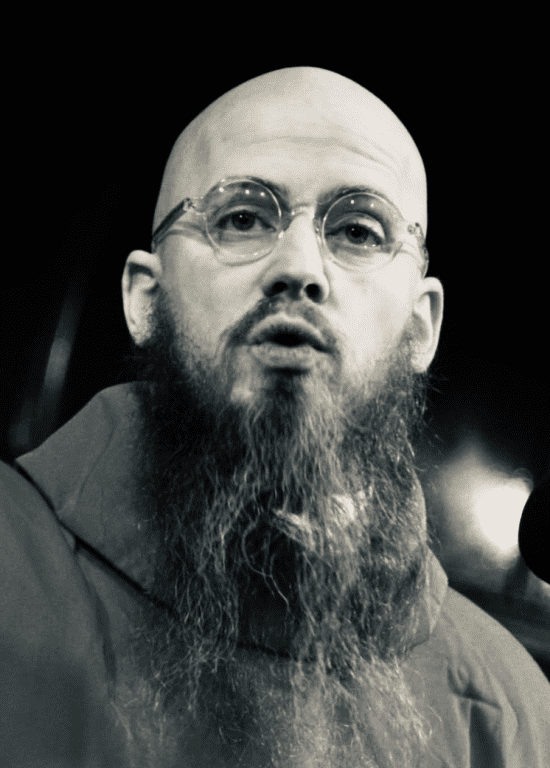
The Rev. Dr. Jeff Hood is a theologian, writer and activist who has spent years ministering to people on death row. As a spiritual advisor and witness to executions, he speaks out against state violence and calls for a society rooted in justice, mercy and the sacredness of life. You can read more about the author here.
Previous Post

February 9, 2026
Governor DeSantis Must Stop Ronald Heath's Execution
Next Post

February 14, 2026 Deadly Hearts : On Matthew 5:21-22
Recent Comments
"'God’s Sheep on the Sidewalk' is immensely thought-provoking and conscience-stirring. Thanks. "The people out there ..."
God’s Sheep: The Ones Who Sleep ..."
"Greetings, Jeff, and bless you for your relentlessly regular fierce posts and your profound commitments ..."
Between: On the Person and Character ..."
"God as the Between, thoughts:As a child we were taught, in the blue or green ..."
Between: On the Person and Character ..."
"Sometimes we make it harder than it is. Not saying things don't bring us to ..."
Get Behind Me, Satan: A Death ..."
Browse Our Archives
Select a Category Danny & Jeff fresh writings latest poetics north texas fellowship of reconciliation Sermon theology from death row Thoughts Uncategorized
Select a Month October 2026 September 2026 August 2026 July 2026 June 2026 May 2026 April 2026 March 2026 February 2026 January 2026 December 2025 November 2025 October 2025 September 2025 August 2025 June 2025 May 2025 April 2025 March 2025 January 2025 December 2024 November 2024 October 2024 August 2024 July 2024 June 2024 May 2024 April 2024 March 2024 February 2024 January 2024 December 2023 November 2023 October 2023 September 2023 July 2023 May 2023 April 2023 March 2023 February 2023 January 2023 December 2022 November 2022 October 2022 September 2022 August 2022 July 2022 June 2022 May 2022 April 2022 March 2022 February 2022 January 2022 December 2021 November 2021 October 2021 September 2021 July 2021 June 2021 May 2021 April 2021 March 2021 February 2021 January 2021 December 2020 November 2020 October 2020 September 2020 August 2020 July 2020 June 2020 May 2020 April 2020 March 2020 February 2020 January 2020 December 2019 November 2019 October 2019 September 2019 August 2019 July 2019 May 2019 March 2019 February 2019 January 2019 December 2018 November 2018 October 2018 September 2018 August 2018 July 2018 June 2018 May 2018 April 2018 March 2018 February 2018 January 2018 December 2017 November 2017 October 2017 September 2017 August 2017 July 2017 June 2017 May 2017 April 2017 March 2017 February 2017 January 2017 December 2016 October 2016 September 2016 August 2016 July 2016 June 2016 May 2016 April 2016 March 2016 February 2016 January 2016 December 2015 November 2015 October 2015 September 2015 August 2015 July 2015 June 2015 May 2015 April 2015 March 2015 February 2015 January 2015 December 2014 November 2014 October 2014 September 2014 August 2014 July 2014 June 2014 May 2014 April 2014 March 2014 February 2014 January 2014 December 2013 November 2013 October 2013 September 2013 August 2013 July 2013 June 2013 May 2013 April 2013 March 2013
Follow Us!
TAKE THE
Religious Wisdom Quiz
Which name means "the mother of all living" in Genesis?
Select your answer to see how you score.
Eve Eden Mary Sarah
Related posts from Jeff Hood

GOD Will Wipe Away the Tears from Every...

Why Can't Anyone Say Evil? On the Execution...

God's Sheep: The Ones Who Sleep Outside the...

Keeping the Word : Living the Word :...
TRENDING AT PATHEOS Progressive Christian

The Sermon on the Mount, Part I: Matthew...
The Sermon on the Mount, Part I (Matthew 4:12-5:12) St. Matthew moves...

What's up from Crossway: Reviewing some of their latest A few weeks...

Janie Learns the Way of the Cross: A...
Teaching children about Jesus' Passion can be challenging. Many parents and educators...

Looking For Good Catholic Writing - October 2026
He alone extends the heavens, and he walks upon the waves of...

In "Irreplaceable," our book on vocation and technology, Trevor Sutton and I...

I was strolling through the top floor of the brand new Parthenon...
view all Progressive Christian blogs
What Are Your Thoughts?leave a comment
Ad-Free & Subscriber Log-In Subscription Support
- About Us
- 2026 Calendar
- Videos
- Podcasts
- Library of World Religions
- Faith In Media Tracker
- Advertise With Us
- Write for Us
- Privacy Policy
- Terms of Service
- Do Not Sell My Data
- Contact Us
- Radiant Digital
- Manage Newsletter Subscriptions
- Unsubscribe From Notifications
- Sitemap
Copyright 2008-2026, Patheos. All rights reserved.
Subscription Support Ad-Free & Subscriber Log-In
Follow Patheos