
BuddhistCatholicContemplativeEvangelicalGeneral ChristianHinduJewishLatter-day SaintMuslimNew VisionsProgressive Christian
Beliefs
- Buddhist
- Catholic
- Contemplative
- Evangelical
- General Christian
- Hindu
- Jewish
- Latter-day Saint
- More Voices
- Muslim
- New Visions
- Pagan
- Progressive Christian
Topics
- Religion News
- Food and Religion
- Sports and Religion
- Religious Art
- Religious Music and Entertainment
- Religious Events
- History and Religion
- Style and Religion
- Politics and Religion
- Women in Religion
- Recreation Outdoors and Religion
- Business Finance and Religion
- Careers Workplace and Religion
- Education and Religion
- Family Parenting and Religion
- Health Fitness and Religion
- Home and Religion
- Relationships and Religion
- Technology and Religion
- Travel and Religion
Columnists
- Buddhist Columnists
- Business Finance and Religion Columnists
- Careers Workplace and Religion Columnists
- Catholic Columnists
- Contemplative Columnists
- Education and Religion Columnists
- Evangelists Columnists
- Family Parenting and Religion Columnists
- General Christian Columnists
- Health Fitness and Religion Columnists
- Hindu Columnists
- History and Religion Columnists
- Home and Religion Columnists
- Jewish Columnists
- More Voices Columnists
- Latter Day Columnists
- Muslim Columnists
- New Visions Columnists
- Nonreligious Columnists
- Pagan Columnists
- Politics and Religion Columnists
- Progressive Columnists
- Recreation Outdoors and Religion Columnists
- Relationships and Religion Columnists
- Religion News Columnists
- Religious Art Columnists
- Religious Events Columnists
- Religious Music and Entertainment Columnists
- Sports and Religion Columnists
- Style and Religion Columnists
- Technology and Religion Columnists
- Travel and Religion Columnists
- Women in Religion Columnists
Resource Library
- 2026 Calendar
- Library of World Religions
- The 100 Most Holy Places on Earth
- Patheos Answers
- Podcasts
- Videos
- Faith Leaders Database
- Anglican Episcopalian
- Bahai
- Baptist
- Buddhism
- Christianity
- Confucianism
- Eastern Orthodoxy
- Hinduism
- Holiness and Pentecostal
- ISKCON
- Islam
- Judaism
- Lutheran
- Methodist
- The Church of Jesus Christ of Latter-day Saints
- New Age
- Paganism
- Presbytarian and Reformed
- Protestantism
- Religion Behind the Scenes
- Roman Catholic
- Scientology
- Shia Islam
- Sikhism
- Sufism
- Sunni Islam
- Taoism
- Zen
- See all religions
Research Tools
 Ad-Free & Subscriber Log-In Subscription Support
Ad-Free & Subscriber Log-In Subscription Support
Follow Patheos 

- Trending:
- Forgiveness
- |
- Marriage
- |
- Consciousness
- |
- Death Penalty
- |
- Election
- |
- Halloween

- Home
- Progressive Christian
- Religion News
- Situational Ethics: The Enemy of Liberation
Situational Ethics: The Enemy of Liberation
Last updated on: September 15, 2025 at 1:04 pm by Jeff Hood
Situational Ethics: The Enemy of Liberation 2025-09-15T13:04:35-06:00 Jeff Hood
Patheos Explore the world's faith through different perspectives on religion and spirituality! Patheos has the views of the prevalent religions and spiritualities of the world.
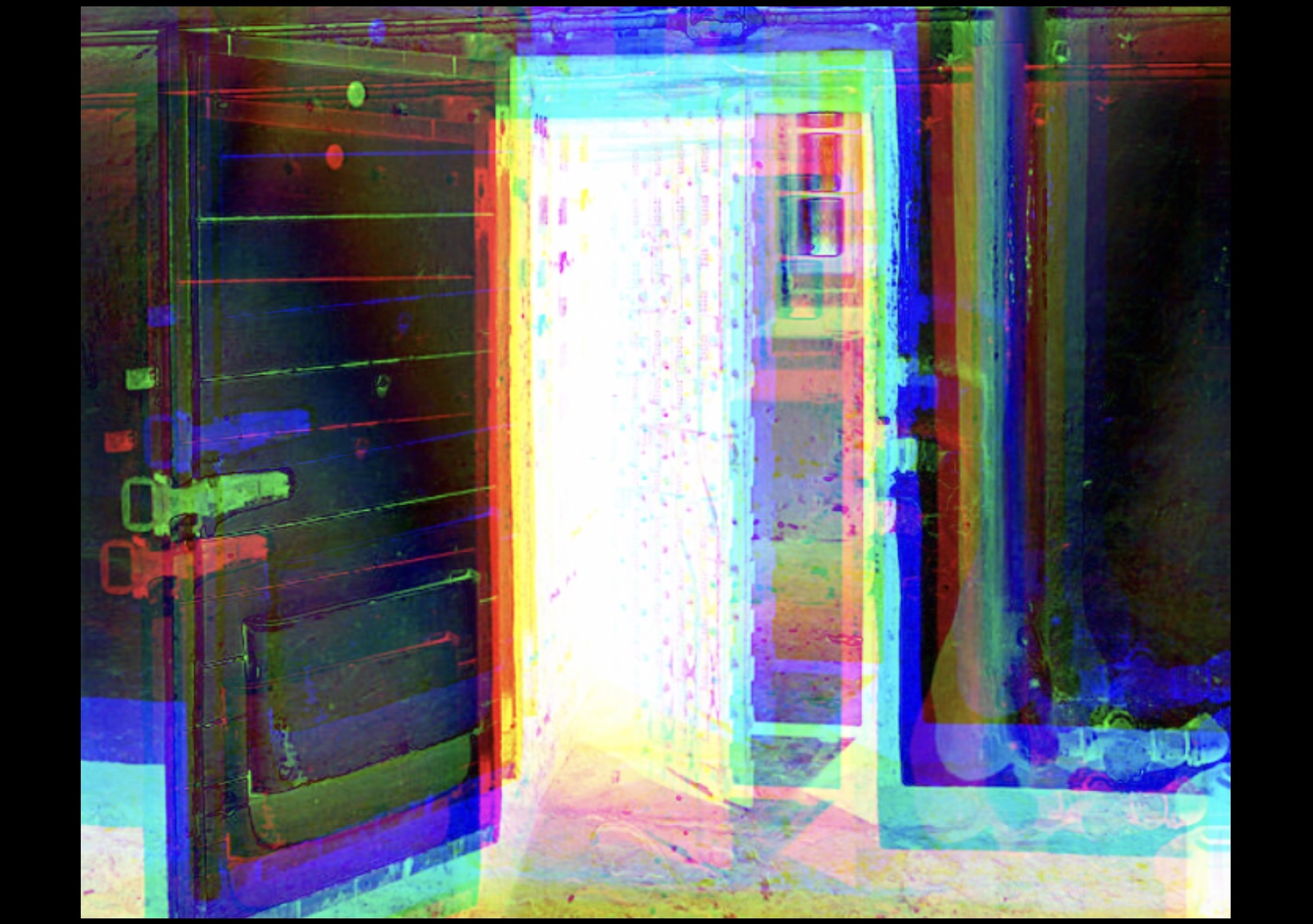
Prison / Wikimedia Commons
The Call to Liberation
Ethics is not a casual conversation…it is the terrain upon which life itself is waged. Every choice we make, every compromise we entertain, every whisper of convenience or calculation leaves an imprint on the soul. And yet, the dominant moral frameworks of our age…particularly situational ethics…invite us to measure principle against circumstance, to trade fidelity for expedience, to barter truth for comfort. This is not simply a failure of morality…it is a failure of moral…and a betrayal of humanity itself. Situational ethics promises sophistication but delivers compromise. It promises flexibility but produces fragmentation…and moral obliteration.
In the midst of such lunacy, liberation makes a claim that cannot be ignored…fidelity, love and justice cannot be negotiable. They are the absolutes of human existence. Liberation refuses to bend to convenience…refuses to excuse compromise…refuses to allow delay or calculation to supplant principle. It is the fire that purifies conscience…and calls us to restoration of the soul to wholeness. To live by liberation is to live in fidelity…to live in fidelity is to live in truth…to live in truth is to live in love. This is the architecture of true ethical existence. Thus, liberation is not optional…it is essential…it is inevitable.
The Collapse of Situational Ethics
Morality is Life, Not Calculation
Morality cannot be abstracted from life, though many have tried. To reduce ethics to a calculation, a sliding scale, a negotiation of circumstances, is to detach it from the raw blood of existence itself. To live is to confront limits. To confront limits is to discover that there are truths which cannot bend without breaking…and when they break…they shatter…taking lives, communities and souls with them.
Situational ethics imagines itself merciful, contextual and compassionate. It whispers that principle should never be absolute, that fidelity is rigidity and that truth must be pliable. But behind these whispers lurks a deeper reality…situational ethics is not humility, it is cowardice masquerading as compassion, convenience draped in the garments of mercy. It serves not the oppressed but the chooser, not the weak but the powerful, not the vulnerable but those who already live insulated from consequence.
At the center of situational reasoning is the enthronement of the self. The chooser becomes the arbiter of good and evil, not by discerning what is eternally demanded, but by bending demand to circumstance, weighing what is convenient against what is costly, calibrating morality not according to truth but according to survival of comfort. The self becomes sovereign. In its sovereignty, the self determines who will be remembered and who will be forgotten, who will be dignified and who will be expendable. Situational ethics thus installs hierarchy into the heart of morality…those with the power to interpret circumstance become those with the power to decide who matters. And it is always the vulnerable who are left behind, for they have no voice to shape the calculus, no leverage to alter the “context,” no authority to bend the rules of convenience.
Liberation as Absolute
Liberation begins from the opposite side. Liberation refuses to enthrone the chooser. Liberation decenters the self. Liberation sees the one who has been abandoned and proclaims…there is no circumstance that can justify your abandonment, no context that can excuse your erasure. Liberation binds itself to principle because only principle can bind the oppressor’s hand and protect the oppressed body. Where situational ethics allows the self to improvise according to comfort…liberation ethics demands fidelity to that which transcends self-interest.
The word “absolute” is hated in the halls of situational reasoning. But for those who have been crushed, the absolute is the only refuge. If dignity is negotiable, then it’s deniable. If morality is flexible, then it is fragile. Liberation cannot be fragile. Liberation must be a rock against which the waves of circumstance break in vain.
The essence of situational ethics is betrayal. Betrayal does not always arrive as a dramatic act of violence…more often it is the quiet decision to yield principle to convenience, to delay justice until it is easier, to weigh the worth of one life against the efficiency of preserving many. Betrayal is justified in the language of complexity…in the language of waiting…in the language of realism. But beneath every justification lies a fundamental truth…betrayal is always the preservation of the self at the expense of the other. Situational ethics is betrayal codified into a moral system. It institutionalizes abandonment.
The deepest problem is not simply that situational ethics fails in practice. It’s that situational ethics is ontologically corrupt. It is built upon a false vision of reality. It assumes that truth is contingent…that morality bends to context…that being itself is malleable to circumstance. But liberation philosophy begins elsewhere. It begins from the conviction that reality is not contingent but structured, that there are foundations which cannot be eroded without collapsing the whole, that fidelity is not an option but the very condition of truth.
To make morality contingent is to make existence itself contingent. If good and evil shift with circumstance, then the very distinction collapses. What remains is not morality but preference…not ethics but improvisation. To live within such a world is to live in chaos, where power names itself good and convenience calls itself virtue.
There is a profound irony in situational reasoning. It presents itself as humility, as a recognition that life is too complex for absolutes. Yet in practice it is the most arrogant of moral frameworks, for it assumes the chooser has the authority to decide anew what is good and what is evil in each situation. It enthrones the ego at the very moment it pretends to dethrone principle. Liberation ethics sees through the disguise. Liberation unmasks the false humility of flexibility and exposes the raw selfishness that lies beneath.
Liberation Against Delay
The Tyranny of Delay
Situational ethics thrives in societies that fear absolutes, are addicted to compromise and that depend on delay. It thrives because it makes room for selfishness while disguising selfishness as virtue. It thrives because it demands nothing ultimate from the powerful and promises everything provisional to the oppressed. It thrives because it converts justice into process and process into postponement.
But liberation does not wait. Liberation cannot wait. Liberation is the cry of those who have already waited too long. It is the demand of those who cannot endure another postponement. Liberation is fidelity breaking into history. It is the refusal to delay truth for convenience.
The slow death inflicted by situational ethics is spiritual as much as social. For when morality becomes negotiable, the soul becomes divided. Desire rules over conscience. The will bends truth until truth becomes unrecognizable. And in that bending, something inside collapses. Responsibility dies. Conscience dies. Only appetite remains, cloaked in the fragile garments of circumstance.
To participate in situational ethics is to hollow oneself out until nothing but self-interest remains. Liberation sees this hollowness not merely as moral failure but as spiritual damnation…a descent into the abyss of the self where no neighbor can be found and no truth can be discerned.
Liberation as Wholeness
Liberation is fullness. It is the recognition that to be is to be bound…bound to the other, bound to principle and bound to truth. Liberation demands that the self kneel before what is greater than circumstance. Liberation is costly, for it requires the renunciation of convenience and the sacrifice of selfishness. But liberation is the only path to life, for only in fidelity to principle can the dignity of the vulnerable be secured.
Liberation ethics is not optional for those who long for justice. It is the very condition of justice. Without absoluteness, there is no liberation, only perpetual negotiation with the powers that be.
If liberation begins from the refusal of betrayal, then we must understand that betrayal itself is not an accident of circumstance but a pattern written into the very logic of situational ethics. It is not as though there are occasional failures when flexibility is abused…rather, the abuse is the system itself. Every time principle bends, it bends toward power. Every time circumstance is invoked, it is invoked in service of convenience. Every time morality becomes negotiable, the negotiation is rigged in advance. The powerful always end up sitting at the table and the vulnerable are left outside. This is not incidental but structural. Situational ethics was born of selfishness and cannot transcend it. Its’ very grammar is compromise. Its’ vocabulary is delay. Its’ syntax is betrayal.
To speak of liberation in such a context is to speak of an unyielding interruption. Liberation does not arrive politely into the frameworks of situational reasoning. It arrives as a fire that consumes compromise. Where situational ethics calculates, liberation judges. Where situational ethics delays, liberation insists. Where situational ethics excuses, liberation unmasks. The collision is absolute, for there is no reconciliation between a morality that bends and a morality that refuses to bend. They are two fundamentally opposed visions of existence itself. They cannot coexist.
The Cross, Death and Resurrection
The Cross as Absolute Liberation
The reason situational ethics appears so seductive is because it cloaks itself in compassion. It whispers that life is complex, that mercy requires flexibility and that rigid principles wound more than they heal. But liberation philosophy knows the difference between compassion and pity. Compassion binds itself to the oppressed in fidelity. Pity excuses the oppressor in comfort. Compassion risks suffering to protect dignity. Pity rearranges morality to avoid suffering altogether. Situational ethics is not compassion…it is pity institutionalized. And pity is nothing more than selfishness with a tear on its cheek.
The metaphysical core of situational reasoning is its worship of circumstance. Circumstance is elevated to the highest principle. Truth is no longer measured against what is eternal but against what is possible here and now. The present becomes the idol before which principle must bow. But circumstance is fickle. It shifts with the winds of power. To worship circumstance is to worship change itself…and to worship change is to ensure that nothing enduring remains. Liberation shatters this idol. Liberation declares that circumstance cannot be god, because circumstance always abandons the poor. “Not yet.” “It’s complicated.” “We don’t have enough.” Liberation always calls, “Bullshit.”
At its root, situational ethics is a metaphysics of delay. Delay is its chosen weapon. Delay is how it preserves the comfort of the powerful while leaving the oppressed to endure another season of suffering. Delay is always justified as prudence, as wisdom and as patience. But liberation knows that delay is betrayal. To postpone justice is to deny it. To withhold fidelity for the sake of timing is to abandon principle. The eternal cry of the oppressed has always been against delay. Situational ethics…in enthroning delay…institutionalizes abandonment.
Fidelity, Love and the Absolute Ethics of Liberation
The Corruption of the Soul
The soul that consents to situational reasoning becomes corrupted not simply by what it does…but by what it becomes. Each compromise reshapes the inner life, training conscience to bend, habituating desire to reign, teaching the will that truth is negotiable. Over time, the self that once trembled before the demands of fidelity now calculates with ease…weighing principles against convenience as though they were commodities to be traded.
In such a soul, betrayal ceases to feel like betrayal…it feels like wisdom…even maturity. The hollowing out of conscience is almost invisible, for it comes clothed in the language of responsibility. Liberation names this not only moral failure but spiritual death. For the self that abandons fidelity abandons its own humanity.
Resurrection of Fidelity
Liberation restores by demanding. It calls the soul back to fidelity not by soothing but by summoning, not by excusing but by insisting. Liberation does not say “you have done enough”; it says “you have abandoned too much.” Liberation does not say “principle is unrealistic”; it says “without principle you are unreal.” Liberation’s demand feels harsh because it exposes the depth of compromise, but its harshness is healing. For the only way to resurrect conscience is to confront its death. The only way to rebuild humanity is to renounce the self that betrayed it. Liberation is the voice that refuses to allow betrayal to become normal. Liberation insists that what has been bent must be straightened, that what has been excused must be confessed and that what has been delayed must be enacted. Liberation restores life by restoring absoluteness.
Situational ethics cannot comprehend eternity. It lives within the prison of the immediate. It sees only what is expedient here and now, what can be justified in this moment and what appears plausible within this arrangement of power. It refuses to see beyond the horizon of the present…and in so doing it denies the very possibility of liberation. For liberation is always eschatological. It is the eruption of what is not yet into what is. It is the breaking in of eternity upon time. It is the refusal to allow the present to be final.
Situational reasoning bows before the possible…liberation bows only before the necessary. The possible is always constrained by circumstance…by the powers that be…by the limits of imagination. The necessary bursts those constraints, tears open those powers and expands imagination beyond what has been deemed realistic. To live by situational ethics is to live trapped in the prison of what is. To live by liberation is to live summoned by what must be.
The Cross as the Ultimate Refusal
The failure of situational reasoning is therefore not only ethical but cosmic. It shrinks the horizon of existence to what can be negotiated. It denies the pull of eternity. It amputates hope by reducing it to possibility. Liberation refuses such diminishment. Liberation insists that hope is not what might happen but what must come. Hope is fidelity to what transcends circumstance. Hope is the confidence that truth is not fragile, that dignity is not negotiable…that justice is not a calculation. Hope is liberation’s twin…for both reject the worship of circumstance and anchor themselves in eternity.
When liberation speaks of absoluteness, it does not speak of rigidity for its own sake. It speaks of fidelity as worship. To remain faithful to principle in the face of circumstance is to declare that truth is greater than appetite, that dignity is greater than convenience and that justice is greater than power. Fidelity is an act of reverence. The bending of the self not to circumstance but to truth. To betray principle is not merely to commit an error…it is to commit idolatry. It is to worship circumstance, to genuflect before convenience and to make an offering to selfishness. Betrayal is not simply failure…it is apostasy. Fidelity is not simply discipline…it is liturgy. To live faithfully is to live as though eternity were already breaking into time…to embody in one’s own life the refusal to bend that liberation demands of the world.
Liberation as Love
Thus, liberation is both moral and spiritual, both social and ontological. It insists upon fidelity because fidelity alone can resist the corrosion of selfishness. It demands absoluteness because absoluteness alone can defend the dignity of the oppressed. It calls forth courage because courage alone can resist the seduction of delay. Situational ethics abandons. Liberation abides. Situational ethics excuses. Liberation insists. Situational ethics worships circumstance. Liberation worships truth. And this confrontation will not end until one devours the other. For there can be no peace between betrayal and fidelity, no reconciliation between convenience and principle, no common ground between abandonment and liberation. There can only be fire, burning until the idol of circumstance is reduced to ash and the rock of fidelity restores all.
The cross is the final rupture between fidelity and circumstance. For the cross was not necessary according to the logic of situation. Circumstance demanded compromise, demanded calculation, demanded accommodation to the structures of power. Circumstance whispered that survival was preferable to witness, that negotiation was wiser than fidelity, that delay was more practical than confrontation. Circumstance offered the bargain of safety in exchange for silence. But fidelity rejected the bargain. Fidelity chose to be lifted up rather than bent down. Fidelity chose to endure the instrument of shame rather than yield to the seduction of excuse. The cross is the cosmic refusal to make peace with betrayal. It is the eternal rejection of situational reasoning. It is the proclamation that truth cannot be bartered, that justice cannot be delayed and that dignity cannot be negotiated.
The resurrection is not the reversal of the cross but its confirmation. It does not undo death as though fidelity had failed…it vindicates fidelity by showing that fidelity cannot fail. Resurrection reveals that fidelity is stronger than circumstance, stronger than betrayal, stronger than the calculation of time, stronger even than death. It proclaims that liberation is not a dream but a reality…not a hope deferred but a life already begun. The resurrection is the dawn of eternity within time, the proof that the refusal to compromise is not folly but truth. It is the manifestation that fidelity cannot be conquered…that liberation cannot be silenced…that truth cannot be negotiated.
Eschaton: The Triumph of Fidelity
Yet resurrection does not erase the demand of fidelity…it intensifies it. For if fidelity is vindicated beyond death, then the excuse of circumstance is utterly destroyed. No calculation remains that can justify betrayal. No appeal to survival can excuse abandonment. No reference to delay can soften compromise. Resurrection proclaims that fidelity is not merely noble but necessary. To betray it is to embrace death…to remain faithful is to live already in eternity. Liberation is therefore not optional, not one possible ethic among others, but the very structure of reality. To live otherwise is not simply to choose wrongly but to step into nothingness.
The eschaton is the horizon where liberation becomes all in all. It is not the completion of compromise but its annihilation. It is not the accommodation of circumstance but its obliteration. It is not the balancing of fidelity with convenience but the final triumph of fidelity alone. The eschaton is the world transfigured into absoluteness…the cosmos remade into fidelity. It is the end of delay, the destruction of excuse, the death of calculation. It is the eternal “now” where justice is not postponed, where dignity is not negotiated, where truth is not bartered. The eschaton is the cosmic liberation that situational ethics cannot even imagine…for it shatters the prison of time and inaugurates the fullness of eternity.
Liberation therefore is not a project among projects but the very essence of existence disclosed. It is not a moral preference but the very shape of reality. To live otherwise is to live in contradiction, to inhabit unreality or to embrace the void. Situational ethics offers itself as sophistication, as maturity, as the art of nuance, but it is nothing more than betrayal adorned in language. It makes cowardice appear reasonable, makes selfishness appear humane, makes abandonment appear merciful. But the soul that surrenders to this illusion discovers only emptiness. For betrayal cannot sustain life…it devours the betrayer as much as the betrayed. Every compromise corrodes the self until there is no self left, only fragments of calculation. To live by situational ethics is to die by a thousand rationalizations, each one a small surrender to nothingness.
Liberation as Wholeness and Love
Liberation is the opposite movement, the return to wholeness. It does not fragment the self but binds it together in fidelity. It refuses to calculate, refuses to compromise, refuses to delay and thereby restores the soul to integrity. To live in fidelity is to live undivided, to live in truth without remainder, to exist as one who is whole. This wholeness is liberation itself. It is the freedom from the tyranny of circumstance, from the coercion of survival and from the idol of delay. Wholeness is freedom from betrayal. Wholeness is life in fidelity.
This life is not passive but active, not retreat but confrontation. Liberation confronts the structures of betrayal because it cannot do otherwise. Situational ethics sustains oppression precisely because it justifies compromise with it. Liberation dismantles oppression precisely because it cannot tolerate betrayal of principle. Liberation is not a strategy…it is a necessity. It is not optional, it is ontological. And in this confrontation, love is revealed as the ultimate ethic. Not love as sentiment or preference, not love as feeling or convenience…but love as fidelity, love as liberation, love as the refusal to abandon. True love refuses compromise with injustice. True love refuses negotiation with betrayal. True love embodies the absolute. Love…and only love…is forever the final law. Liberation is love in action, love incarnate, love unflinching, love triumphant.
Love is absolute because only love can refuse betrayal. Only love can insist on fidelity. Only love can break the seduction of circumstance and restore the soul to wholeness. Only love can carry the weight of justice and lift the oppressed into life. Love is liberation, liberation is love and together they are the only ultimate ethics. All else…situational ethics, compromise, negotiation, convenience…falls away before the fire of fidelity. The truth of existence is that love…unyielding and absolute…is what sustains life, restores the soul and inaugurates the realm of God.
And this is the lesson that must be held against every whisper of compromise, against every excuse for delay, against every argument for situational calculation. The call is clear…fidelity, liberation and love are not optional…they are the ultimate, absolute and unnegotiable ethics. To live in betrayal is to step into nothingness. To live in fidelity is to step into eternity. To live in love is to bring eternity into time, to bear the weight of justice, to restore the dignity of the oppressed and to proclaim without compromise that liberation is the law of the cosmos, the law of the soul and the law of life itself.
Liberation as the Absolute Horizon
Situational reasoning has shown its horror…it excuses betrayal, justifies compromise and collapses the soul into a calculus of convenience. Every attempt to negotiate principle against circumstance diminishes the self, corrodes conscience and betrays the oppressed. The hollow victories of expedience are illusions. The fleeting comfort of compromise masks spiritual death. Liberation confronts this reality with unflinching clarity. It refuses to rationalize betrayal, to excuse delay or to negotiate fidelity. Liberation insists upon the wholeness of the soul, the absoluteness of justice and the inviolability of dignity.
Love is not optional…it is the ethical bedrock upon which liberation stands. Love is not sentiment…it is fidelity enacted in the real world. Love is the refusal to bend before circumstance, the refusal to compromise with injustice and the refusal to delay the claims of the oppressed. Love is liberation in motion…the very force that transforms conscience into courage, principle into action, fidelity into freedom. To live apart from this love is to inhabit unreality…to live within it is to participate in eternity itself.
The cross, the resurrection and the eschaton reveal the ultimate truth…fidelity cannot fail, love cannot be silenced justice cannot be bartered. Liberation is the law of existence, the horizon of human action and the absolute standard that sustains life itself. Compromise may offer comfort, situational reasoning may offer plausibility, but these are illusions. The only ethic worthy of the soul, worthy of humanity, worthy of the cosmos…is the ethic of liberation and love.
To live otherwise is to step into nothingness. To live faithfully is to step into eternity. To live in love is to bring the eternal into time, to proclaim without compromise that liberation is the law, the fire and the life of the world. Every act of fidelity, every choice for justice, every expression of love is a refusal to surrender to the tyranny of circumstance. Liberation is absolute. Love is absolute. And in this truth, the soul is finally restored, the oppressed are vindicated and the universe itself bows to liberation as the ultimate ethic.
Catholic
Politics and Religion
Absolute morality vs situational ethics
Betrayal of situational ethics
Prophetic theology of liberation
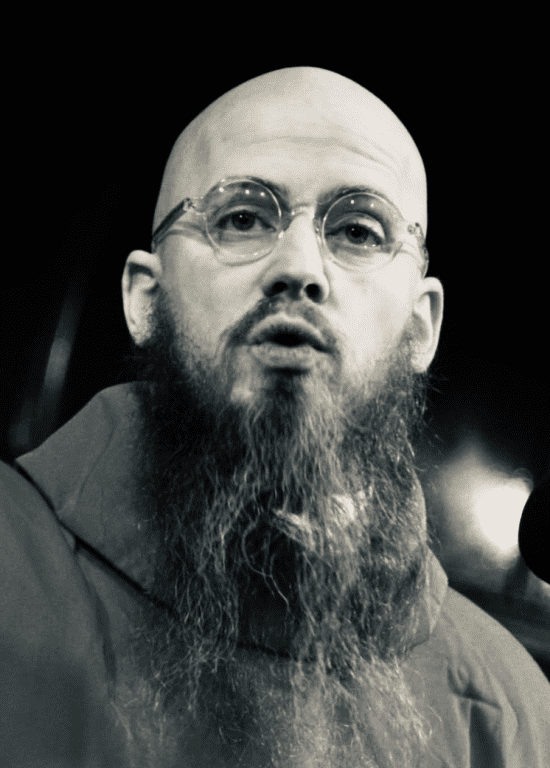
About The Rev. Dr. Jeff Hood
The Rev. Dr. Jeff Hood is a theologian, writer and activist who has spent years ministering to people on death row. As a spiritual advisor and witness to executions, he speaks out against state violence and calls for a society rooted in justice, mercy and the sacredness of life. You can read more about the author here.
Previous Post

September 14, 2025
Apokatastasis: Who Goes to Heaven? What a Stupid Question.
Next Post
September 15, 2025 Nitrogen Execution Over My Head: Waiting with Anthony Boyd
Recent Comments
"'God’s Sheep on the Sidewalk' is immensely thought-provoking and conscience-stirring. Thanks. "The people out there ..."
God’s Sheep: The Ones Who Sleep ..."
"Greetings, Jeff, and bless you for your relentlessly regular fierce posts and your profound commitments ..."
Between: On the Person and Character ..."
"God as the Between, thoughts:As a child we were taught, in the blue or green ..."
Between: On the Person and Character ..."
"Sometimes we make it harder than it is. Not saying things don't bring us to ..."
Get Behind Me, Satan: A Death ..."
Browse Our Archives
Select a Category Danny & Jeff fresh writings latest poetics north texas fellowship of reconciliation Sermon theology from death row Thoughts Uncategorized
Select a Month October 2026 September 2026 August 2026 July 2026 June 2026 May 2026 April 2026 March 2026 February 2026 January 2026 December 2025 November 2025 October 2025 September 2025 August 2025 June 2025 May 2025 April 2025 March 2025 January 2025 December 2024 November 2024 October 2024 August 2024 July 2024 June 2024 May 2024 April 2024 March 2024 February 2024 January 2024 December 2023 November 2023 October 2023 September 2023 July 2023 May 2023 April 2023 March 2023 February 2023 January 2023 December 2022 November 2022 October 2022 September 2022 August 2022 July 2022 June 2022 May 2022 April 2022 March 2022 February 2022 January 2022 December 2021 November 2021 October 2021 September 2021 July 2021 June 2021 May 2021 April 2021 March 2021 February 2021 January 2021 December 2020 November 2020 October 2020 September 2020 August 2020 July 2020 June 2020 May 2020 April 2020 March 2020 February 2020 January 2020 December 2019 November 2019 October 2019 September 2019 August 2019 July 2019 May 2019 March 2019 February 2019 January 2019 December 2018 November 2018 October 2018 September 2018 August 2018 July 2018 June 2018 May 2018 April 2018 March 2018 February 2018 January 2018 December 2017 November 2017 October 2017 September 2017 August 2017 July 2017 June 2017 May 2017 April 2017 March 2017 February 2017 January 2017 December 2016 October 2016 September 2016 August 2016 July 2016 June 2016 May 2016 April 2016 March 2016 February 2016 January 2016 December 2015 November 2015 October 2015 September 2015 August 2015 July 2015 June 2015 May 2015 April 2015 March 2015 February 2015 January 2015 December 2014 November 2014 October 2014 September 2014 August 2014 July 2014 June 2014 May 2014 April 2014 March 2014 February 2014 January 2014 December 2013 November 2013 October 2013 September 2013 August 2013 July 2013 June 2013 May 2013 April 2013 March 2013
Follow Us!
TAKE THE
Religious Wisdom Quiz
What book contains the "Suffering Servant" prophecy?
Select your answer to see how you score.
Isaiah Jeremiah Lamentations Zechariah
Related posts from Jeff Hood

GOD Will Wipe Away the Tears from Every...

Why Can't Anyone Say Evil? On the Execution...

God's Sheep: The Ones Who Sleep Outside the...

Keeping the Word : Living the Word :...
TRENDING AT PATHEOS Progressive Christian

57th Dove Awards Honor Dolly Parton, Crown New...
On gospel music’s biggest night, the 57th annual GMA Dove Awards honored...

The First Eucharistic Controversy: Christ’s Real Presence
For Catholics, the Eucharist is the source and summit of the Christian...

What a Stop Sign Can Teach Us About...
How to Make a Decision When You Can't Hear God Main point:...

Archdiocese Hosts Military Marriage Retreat in Germany
RASTATT, Germany — The transient military lifestyle, with its frequent deployments and...

Nearly every morning, I make the drive to Detroit with my high-school-age...

The Real AI Story Is Adoption Without Trust
Artificial intelligence has crossed a political threshold. It is no longer a...
view all Progressive Christian blogs
What Are Your Thoughts?leave a comment
Ad-Free & Subscriber Log-In Subscription Support
- About Us
- 2026 Calendar
- Videos
- Podcasts
- Library of World Religions
- Faith In Media Tracker
- Advertise With Us
- Write for Us
- Privacy Policy
- Terms of Service
- Do Not Sell My Data
- Contact Us
- Radiant Digital
- Manage Newsletter Subscriptions
- Unsubscribe From Notifications
- Sitemap
Copyright 2008-2026, Patheos. All rights reserved.
Subscription Support Ad-Free & Subscriber Log-In
Follow Patheos