
BuddhistCatholicContemplativeEvangelicalGeneral ChristianHinduJewishLatter-day SaintMuslimNew VisionsProgressive Christian
Beliefs
- Buddhist
- Catholic
- Contemplative
- Evangelical
- General Christian
- Hindu
- Jewish
- Latter-day Saint
- More Voices
- Muslim
- New Visions
- Pagan
- Progressive Christian
Topics
- Religion News
- Food and Religion
- Sports and Religion
- Religious Art
- Religious Music and Entertainment
- Religious Events
- History and Religion
- Style and Religion
- Politics and Religion
- Women in Religion
- Recreation Outdoors and Religion
- Business Finance and Religion
- Careers Workplace and Religion
- Education and Religion
- Family Parenting and Religion
- Health Fitness and Religion
- Home and Religion
- Relationships and Religion
- Technology and Religion
- Travel and Religion
Columnists
- Buddhist Columnists
- Business Finance and Religion Columnists
- Careers Workplace and Religion Columnists
- Catholic Columnists
- Contemplative Columnists
- Education and Religion Columnists
- Evangelists Columnists
- Family Parenting and Religion Columnists
- General Christian Columnists
- Health Fitness and Religion Columnists
- Hindu Columnists
- History and Religion Columnists
- Home and Religion Columnists
- Jewish Columnists
- More Voices Columnists
- Latter Day Columnists
- Muslim Columnists
- New Visions Columnists
- Nonreligious Columnists
- Pagan Columnists
- Politics and Religion Columnists
- Progressive Columnists
- Recreation Outdoors and Religion Columnists
- Relationships and Religion Columnists
- Religion News Columnists
- Religious Art Columnists
- Religious Events Columnists
- Religious Music and Entertainment Columnists
- Sports and Religion Columnists
- Style and Religion Columnists
- Technology and Religion Columnists
- Travel and Religion Columnists
- Women in Religion Columnists
Resource Library
- 2026 Calendar
- Library of World Religions
- The 100 Most Holy Places on Earth
- Patheos Answers
- Podcasts
- Videos
- Faith Leaders Database
- Anglican Episcopalian
- Bahai
- Baptist
- Buddhism
- Christianity
- Confucianism
- Eastern Orthodoxy
- Hinduism
- Holiness and Pentecostal
- ISKCON
- Islam
- Judaism
- Lutheran
- Methodist
- The Church of Jesus Christ of Latter-day Saints
- New Age
- Paganism
- Presbytarian and Reformed
- Protestantism
- Religion Behind the Scenes
- Roman Catholic
- Scientology
- Shia Islam
- Sikhism
- Sufism
- Sunni Islam
- Taoism
- Zen
- See all religions
Research Tools
 Ad-Free & Subscriber Log-In Subscription Support
Follow Patheos 

- Trending:
- Advent
- |
- Forgiveness
- |
- Thanksgiving
- |
- Election
- |
- Seasonal Holidays
- |
- Marriage

- Home
- Progressive Christian
- Religion News
- Anthony Boyd is Innocent: The Extended Case
Anthony Boyd is Innocent: The Extended Case
Last updated on: October 13, 2025 at 1:27 pm by Jeff Hood
Anthony Boyd is Innocent: The Extended Case 2025-10-13T13:27:42-06:00 Jeff Hood
Patheos Explore the world's faith through different perspectives on religion and spirituality! Patheos has the views of the prevalent religions and spiritualities of the world.
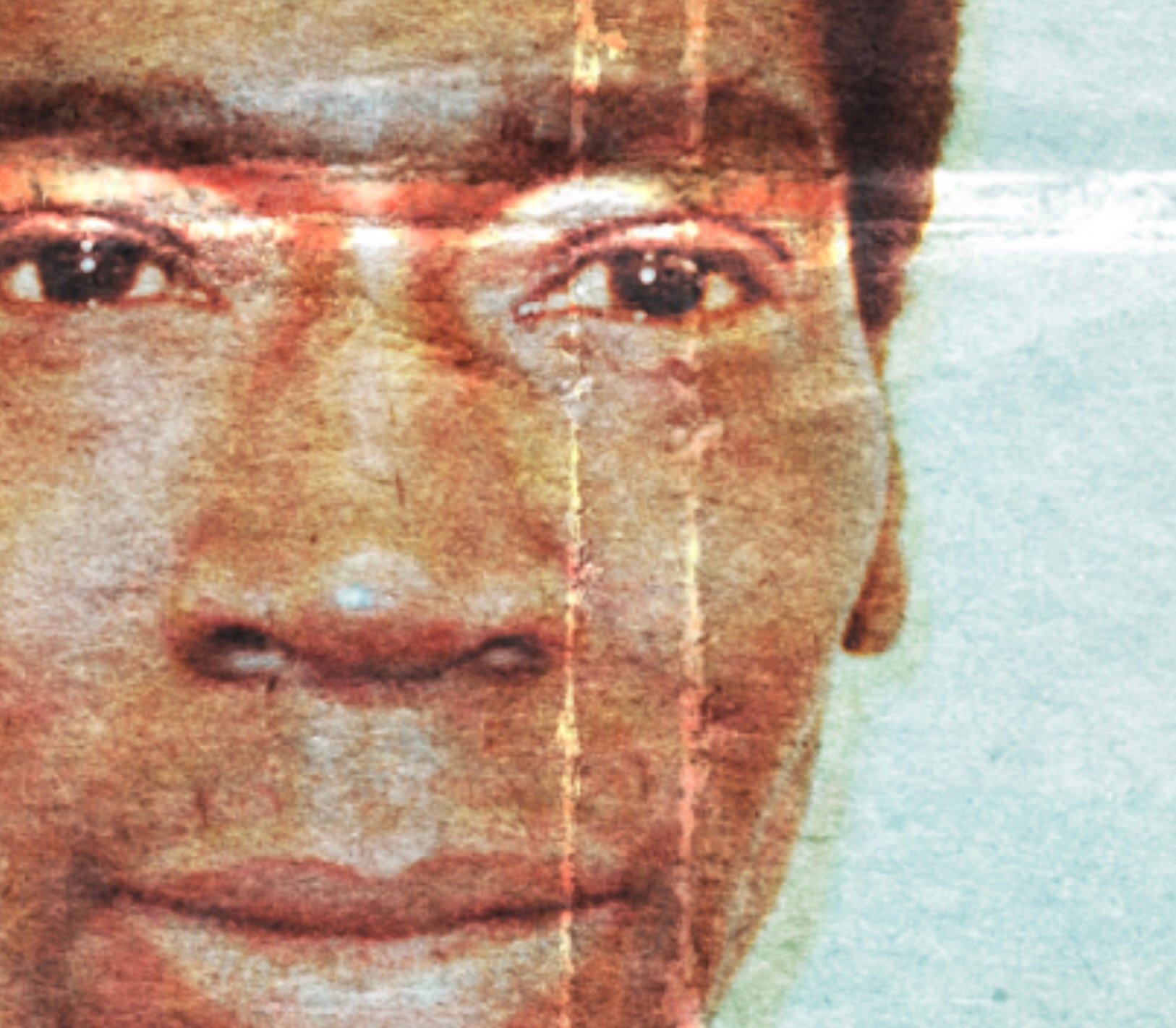
Alabama Department of Corrections
Preface
Anthony Boyd is scheduled to be executed on October 23, 2025…making this document a matter of profound legal and moral urgency. I serve as Anthony’s spiritual advisor and will be with him in the chamber if his execution proceeds by the horrific means of nitrogen hypoxia. My role brings both a personal and spiritual responsibility to witness the process, support him and affirm his dignity in the face of a punishment that is irreversible. This analysis outlines critical flaws in his trial, including reliance on incentivized testimony, exclusion of exculpatory evidence, lack of forensic corroboration and marginalized alibi witnesses. The following examination is intended not only to present legal arguments…but to underscore the enormous human stakes involved…and the constitutional and moral imperatives demanding urgent reconsideration. Indeed, if Anthony Boyd is innocent then the State of Alabama is rushing to execute an innocent man.
The Conviction
The conviction of Anthony Boyd for the 1993 kidnapping and death of Gregory “New York” Huguley represents a deeply troubling intersection of testimonial fragility, procedural rigidity and constitutional oversight.
Tried in an era when capital cases in Alabama often relied heavily on the testimony of co-defendants and informants, Boyd’s case underscores the dangers inherent in a system where conviction depends more on narrative than on verifiable evidence.
Anthony Boyd is Innocent: The Problem of Incentivized Witness Testimony
The central narrative against Boyd relied almost entirely on testimony from co-defendants who entered plea agreements in exchange for cooperation with the prosecution. These witnesses…some of whom were facing serious criminal charges themselves…provided accounts of an abduction, binding and burning of the victim. One co-defendant testified that…“The defendant, Anthony Boyd, taped [the victim’s] feet … Marcel Ackles taped New York’s hands and mouth, and the defendant, Anthony Boyd, taped his feet …” (Boyd v. State, 715 So. 2d 825, 828 (Ala. Crim. App. 1997)). Another witness recalled the victim pleading…“Another witness, one of the codefendants, testified that the victim pleaded for his life saying, ‘Please don’t kill me. Just beat me.’ The codefendant testified that, just before the victim’s mouth was taped shut at the ball field, he pleaded, ‘Please don’t kill me’” (id.). While compelling on a human level…these statements were never corroborated by physical evidence…leaving the jury to rely almost exclusively on the credibility of self-interested witnesses.
Legal Precedents on Witness Credibility
The Supreme Court has long recognized the dangers of convictions resting on the testimony of incentivized witnesses, especially in capital cases. In Napue v. Illinois, 360 U.S. 264 (1959), the Court held that a conviction obtained through a witness’s false testimony…even if inadvertently allowed by the prosecution…violates due process. In Giglio v. United States, 405 U.S. 150 (1972), the Court emphasized that any promise or understanding made to a witness that could affect their testimony must be disclosed to the defense to preserve fairness. In Boyd’s case…although the jury was informed of the plea arrangements…the reality is that the defense’s ability to cross-examine these witnesses effectively was constrained by the overwhelming narrative the prosecution constructed. When a capital conviction relies so heavily on testimonial consistency among self-interested parties, the risk of wrongful conviction rises dramatically. Chambers v. Mississippi, 410 U.S. 284 (1973), underscores that exclusion of potentially exculpatory evidence…especially when it challenges testimonial reliability…can infringe on a defendant’s constitutional rights. The appellate record reflects precisely this tension…the State’s narrative prevailed not because of corroborative proof, but because it was repeated and reinforced by witnesses with personal stakes in Boyd’s conviction.
Anthony Boyd is Innocent: The Absence of Forensic Corroboration
A critical pillar of any robust criminal case is forensic evidence, particularly when eyewitness accounts are contested or self-interested. In Boyd’s trial, forensic evidence failed to link him to the scene, the vehicle or the materials allegedly used in the crime. The State’s own latent print expert testified: “No prints were found of Boyd or others subsequently charged with him, including Quintay Cox, Shawn Ingram, and Monique Marcel Ackles” (Boyd v. State, 715 So. 2d at 832). This absence of fingerprint evidence or other trace materials is a decisive factor. In capital cases, the Supreme Court has emphasized that convictions must be founded on reliable evidence. Jackson v. Virginia, 443 U.S. 307 (1979), holds that the evidence must be sufficient for any rational trier of fact to find guilt beyond a reasonable doubt. When physical evidence is wholly absent…and the conviction depends solely on testimonial accounts from potentially biased witnesses…it is difficult to reconcile the verdict with this constitutional standard.
Lack of Physical Evidence
Medical evidence in Boyd’s case further illustrates the gap between physical proof and attribution of guilt. The medical examiner confirmed that the victim suffered burns and soot inhalation consistent with being alive during the fire (Boyd v. State, 715 So. 2d at 830), but this evidence did not implicate Boyd personally. It established the manner of death, not the actor. The Supreme Court in In re Winship, 397 U.S. 358 (1970), underscores the importance of proof beyond a reasonable doubt, especially when liberty or life is at stake. Here, the record demonstrates that Boyd’s life sentence…ultimately a death sentence…was imposed without independent corroboration tying him to the fatal act…a scenario the Court has repeatedly warned against in capital contexts.
Anthony Boyd is Innocent: Overlooked Alibi Testimony
One of the strongest indications of reasonable doubt comes from alibi witnesses, whose accounts place Boyd elsewhere during the critical time frame. Multiple individuals…with no apparent motive to fabricate…testified to his presence at social gatherings: “Ms. Willie Watson … saw him [Boyd] at her party at around 10:00 or 11:00 that night” (Boyd v. State, 715 So. 2d at 833). “Catherine Jones … observed Boyd at the party. The last time she saw him that evening was around 10:30 or 11:00 p.m. when she left to go home” (id.). Defense affidavits from Rule 32 proceedings reiterated this timeline, reinforcing the claim that Boyd could not have been present at the alleged crime scene. In Chambers v. Mississippi, 410 U.S. 284 (1973), the Supreme Court emphasized the constitutional importance of permitting defendants to present witnesses whose testimony could create reasonable doubt. The Court ruled that procedural barriers should not obstruct the introduction of reliable exculpatory evidence. In Boyd’s case, alibi testimony was marginalized in favor of the more dramatic narratives from co-defendants. Yet the credibility of these witnesses remains intact and their testimony directly challenges the State’s theory of presence and opportunity. This failure to give weight to untainted credible alibi evidence demonstrates a systemic imbalance…one that the courts have recognized as potentially violative of due process (Brady v. Maryland, 373 U.S. 83 (1963); Giglio v. United States, 405 U.S. 150 (1972)).
Anthony Boyd is Innocent: Recantation and Exclusion of Exculpatory Evidence
Another serious flaw in Boyd’s trial was the suppression of a signed recantation by a key witness, Sharon Bush. “One statement by Sharon Bush recanting her trial testimony is signed by her and dated September 19, 1999” (Boyd v. State, 715 So. 2d at 835). Bush had testified that she overheard Boyd and co-defendant Marcel Ackles discussing the murder, implicating Boyd in the crime. However, in a signed recantation dated September 19, 1999, Bush stated that her trial testimony was false and that she had been coerced into providing it. She claimed that law enforcement officers pressured her to testify against Boyd, threatening her with arrest and promising leniency in unrelated legal matters if she complied. This recantation was presented during Boyd’s post-conviction proceedings…but the trial court ruled it inadmissible…citing procedural issues related to the timing of its submission. The court emphasized that the recantation was dated several years after the trial and was not timely filed in accordance with procedural rules. As a result, the court did not consider the recantation as part of the evidence in Boyd’s case. The trial court deemed this evidence inadmissible, and the appellate court upheld the ruling on procedural grounds rather than disputing the factual content of the statement. The Supreme Court has consistently recognized the due process implications of excluding exculpatory evidence. In Napue v. Illinois, 360 U.S. 264 (1959), the Court noted that even inadvertent use of false testimony or suppression of recantations undermines the fairness of a trial. Similarly, Brady v. Maryland, 373 U.S. 83 (1963), establishes that withholding material exculpatory evidence violates constitutional guarantees of a fair trial. By excluding Bush’s recantation, courts were prevented from assessing the credibility of testimony that formed a central component of the prosecution’s case. This procedural exclusion effectively insulated the State’s narrative from scrutiny, a practice at odds with the principles articulated in Chambers and Napue. It created a scenario where courts weighed only inculpatory statements against Boyd, without the benefit of fully informed evaluation.
Anthony Boyd is Innocent: Hearsay, Emotionally Charged Evidence and Narrative Guilt
The trial included emotionally charged statements from witnesses, admitted under hearsay exceptions like “spontaneous utterance” or “res gestae.” The appellate court summarized Boyd’s objection…“The appellant argues that the prosecutors obtained this conviction and sentence of death with inadmissible hearsay … [and] complains that this evidence was again used by the prosecutors in their closing argument” (Boyd v. State, 715 So. 2d at 837). Although technically admissible, the use of such statements risks conflating emotional resonance with probative value. The Supreme Court has warned that trial practices which amplify prejudicial impact over evidentiary value can constitute a violation of due process (Darden v. Wainwright, 477 U.S. 168 (1986)). In capital cases, the stakes magnify…reliance on hearsay to construct a narrative of guilt without corroboration strains the constitutional standard established in Jackson v. Virginia and In re Winship. The cumulative effect of testimonial hearsay and co-defendant testimony effectively constructs a narrative of guilt that…while persuasive to the jury…lacks independent verification. This imbalance illustrates why courts have repeatedly stressed that procedural propriety alone does not satisfy constitutional requirements when the evidence is weak or improperly weighted (Giglio v. United States, 405 U.S. 150 (1972)).
Anthony Boyd is Innocent: Ineffective Assistance of Counsel and the Rental Van
A critical omission in Boyd’s defense was the failure to thoroughly investigate the rental van allegedly used in the commission of the crime. The van represented a tangible link to the alleged events and could have provided physical evidence capable of corroborating…or undermining…the State’s narrative. Forensic testing of vehicles is a standard investigative tool…capable of revealing fingerprints, fibers, hair or other trace materials that situate a defendant at the scene. In Boyd’s case, no comprehensive analysis was conducted…destroying one of the few opportunities for objective verification.
Impact on Alternative Timelines
The absence of forensic inquiry into the van also deprived the defense of the chance to construct an alternative timeline. If Boyd had no access to the van…or if it contained no evidence tying him to the alleged crime…this would have created substantial reasonable doubt about his presence and participation. In capital cases, where the stakes are life and death, the Supreme Court has repeatedly emphasized that convictions must rest on evidence that is reliable, not merely narrative or testimonial (Jackson v. Virginia, 443 U.S. 307 (1979); In re Winship, 397 U.S. 358 (1970)). The failure to analyze the van underscores the fragility of the conviction. Boyd’s trial relied heavily on the consistency of co-defendant testimony, emotionally charged hearsay and uncorroborated narratives. The absence of physical proof from the van magnified the risk that the jury’s determination of guilt was based more on persuasion than verifiable fact…directly implicating the constitutional principles of due process and proof beyond a reasonable doubt.
Materiality of Excluded Evidence and Reasonable Doubt
The Supreme Court in Brady v. Maryland, 373 U.S. 83 (1963), established that suppression of material evidence favorable to the accused violates due process, even if done in good faith. Excluded evidence capable of materially affecting the outcome…alibi witnesses, untested forensic avenues, and recantations…meets this standard because it directly undermines the prosecution’s timeline and narrative. In Boyd’s case, potential witnesses were not called and critical evidence…including the rental van…was untested. The cumulative effect of these omissions deprived the jury of information capable of creating reasonable doubt. Supreme Court jurisprudence affirms that capital defendants are entitled to every reasonable opportunity to challenge the State’s case. When the State fails to provide material exculpatory evidence, the constitutional guarantee of a fair trial is compromised. Supreme Court precedent emphasizes that proof beyond a reasonable doubt is both procedural and moral. In re Winship, 397 U.S. 358 (1970) establishes that the government bears the burden entirely and any doubt must benefit the defendant. Examining Boyd’s case, the aggregate of unreliable witnesses, absent forensic evidence, ignored alibi testimony and excluded recantations cannot satisfy this mandate. If the mandate is not satisfied, then Anthony Boyd is innocent.
The Interplay Between Legal Procedure and Substantive Justice
A recurring theme in Boyd’s case is the tension between procedural correctness and substantive justice. Appellate courts repeatedly affirmed procedural integrity, focusing on whether rules were technically followed rather than whether the outcome was just Chambers v. Mississippi, 410 U.S. 284 (1973) highlights that rigid procedural rules cannot block the admission of evidence critical to the defense, especially when it could create reasonable doubt. Boyd’s excluded recantations, unexamined alibi witnesses and untested forensic leads illustrate this precise tension. While the courts maintained procedural legitimacy, the trial outcome relied on uncorroborated, emotionally charged and potentially biased testimony. Constitutional protections…including due process, confrontation rights (Crawford v. Washington, 541 U.S. 36 (2004)) and effective assistance of counsel…were undermined. This imbalance strengthens the argument for recognizing reasonable doubt and…by extension…Boyd’s innocence.
Conclusion: Constitutional and Legal Imperatives for Reconsideration
The case against Anthony Boyd highlights the intersection of testimonial unreliability, procedural rigidity, and constitutional safeguards designed to protect defendants. Multiple Supreme Court precedents…including Napue, Brady, Giglio, Chambers, Jackson v. Virginia, In re Winship, Strickland, and Darden…provide a framework for evaluating whether convictions…particularly in capital cases…meet the rigorous standard required to justify execution. In Boyd’s case, absence of forensic evidence, reliance on incentivized witnesses, marginalization of alibi testimony and exclusion of recantations collectively demonstrate that the constitutional standard of proof beyond a reasonable doubt was not met. Procedural correctness alone cannot cure the absence of substantive reliability. The cumulative legal analysis strongly supports the conclusion that Boyd’s conviction is unreliable. Anthony Boyd’s case serves as a stark reminder of the weight of procedural and substantive justice in capital cases. Law requires adherence not only to rules but to the truth, fairness, and the highest evidentiary certainty. When these standards are unmet, continued enforcement of the conviction risks violating constitutional protections and moral imperatives. Justice, in its fullest sense, demands that Anthony Boyd’s innocence…or the profound reasonable doubt surrounding his guilt…be acknowledged and acted upon. There is no possible justification for the execution of Anthony Boyd to proceed.
*
*If you would like to support the Execution Intervention Project (the organization that financially supports Dr. Hood’s work), click here.
Catholic
Politics and Religion
Previous Post

October 7, 2025
“Why I March for Anthony Boyd” : Liturgical Free Verse
Next Post
October 11, 2025 The Samaritan Returns: Healing, Indifference & The Gospel
Recent Comments
"As a white 73-year-old male Texan from multiple generations back (to the original Old 300), ..."
Governor-Elect Gina Hinojosa, Stop Executions in ..."
"All Saints Day is A Happy Feast Day. As per the Beatitudes, "the Kingdom belongs ..."
Liberating All Saints on All Saints ..."
"'God’s Sheep on the Sidewalk' is immensely thought-provoking and conscience-stirring. Thanks. "The people out there ..."
God’s Sheep: The Ones Who Sleep ..."
"Greetings, Jeff, and bless you for your relentlessly regular fierce posts and your profound commitments ..."
Between: On the Person and Character ..."
Browse Our Archives
Select a Category Danny & Jeff fresh writings latest poetics north texas fellowship of reconciliation Sermon theology from death row Thoughts Uncategorized
Select a Month November 2026 October 2026 September 2026 August 2026 July 2026 June 2026 May 2026 April 2026 March 2026 February 2026 January 2026 December 2025 November 2025 October 2025 September 2025 August 2025 June 2025 May 2025 April 2025 March 2025 January 2025 December 2024 November 2024 October 2024 August 2024 July 2024 June 2024 May 2024 April 2024 March 2024 February 2024 January 2024 December 2023 November 2023 October 2023 September 2023 July 2023 May 2023 April 2023 March 2023 February 2023 January 2023 December 2022 November 2022 October 2022 September 2022 August 2022 July 2022 June 2022 May 2022 April 2022 March 2022 February 2022 January 2022 December 2021 November 2021 October 2021 September 2021 July 2021 June 2021 May 2021 April 2021 March 2021 February 2021 January 2021 December 2020 November 2020 October 2020 September 2020 August 2020 July 2020 June 2020 May 2020 April 2020 March 2020 February 2020 January 2020 December 2019 November 2019 October 2019 September 2019 August 2019 July 2019 May 2019 March 2019 February 2019 January 2019 December 2018 November 2018 October 2018 September 2018 August 2018 July 2018 June 2018 May 2018 April 2018 March 2018 February 2018 January 2018 December 2017 November 2017 October 2017 September 2017 August 2017 July 2017 June 2017 May 2017 April 2017 March 2017 February 2017 January 2017 December 2016 October 2016 September 2016 August 2016 July 2016 June 2016 May 2016 April 2016 March 2016 February 2016 January 2016 December 2015 November 2015 October 2015 September 2015 August 2015 July 2015 June 2015 May 2015 April 2015 March 2015 February 2015 January 2015 December 2014 November 2014 October 2014 September 2014 August 2014 July 2014 June 2014 May 2014 April 2014 March 2014 February 2014 January 2014 December 2013 November 2013 October 2013 September 2013 August 2013 July 2013 June 2013 May 2013 April 2013 March 2013
Follow Us!
TAKE THE
Religious Wisdom Quiz
Multitudes, multitudes in the valley of decision! What is this valley also called?
Select your answer to see how you score.
The valley of Megiddo The valley of Jehoshaphat The valley of Kidron The valley of judgment
Related posts from Jeff Hood

Watch and Pray: On Mark 13:33-37
I Was in Prison ... On Matthew 25:35-36
Complete Account of the Botched Execution of Reinaldo...

Grace Remains : On John 15:4a,5b
TRENDING AT PATHEOS Progressive Christian

As was predicted many years ago, the Interpreter Foundation's website is...

"Why Do Churches Talk So Much About Money?"
If you were inclined to do so, you could probably find any...

Watch and Pray: On Mark 13:33-37
Jesus said to his disciples: “Be watchful! Be alert! You do not...

Debate on Purgatory & Biblical Evidences for It
This is from a combox on my video channel, Catholic Bible Highlights....

Set the table for the coming King
On Thursday we visited my sister-in-law for Thanksgiving, and throughout the entire...

If I Stop Becoming, Will I Disappear?
(At our most recent half day Zen retreat, Dr Chris Hoff, a...
view all Progressive Christian blogs
What Are Your Thoughts?leave a comment
Ad-Free & Subscriber Log-In Subscription Support
- About Us
- 2026 Calendar
- Videos
- Podcasts
- Library of World Religions
- Faith In Media Tracker
- Advertise With Us
- Write for Us
- Privacy Policy
- Terms of Service
- Do Not Sell My Data
- Contact Us
- Radiant Digital
- Manage Newsletter Subscriptions
- Unsubscribe From Notifications
- Sitemap
Copyright 2008-2026, Patheos, part of the Radiant Digital network of media brands. All rights reserved.
Subscription Support Ad-Free & Subscriber Log-In
Follow Patheos