
BuddhistCatholicContemplativeEvangelicalGeneral ChristianHinduJewishLatter-day SaintMuslimNew VisionsProgressive Christian
Beliefs
- Buddhist
- Catholic
- Contemplative
- Evangelical
- General Christian
- Hindu
- Jewish
- Latter-day Saint
- More Voices
- Muslim
- New Visions
- Pagan
- Progressive Christian
Topics
- Religion News
- Food and Religion
- Sports and Religion
- Religious Art
- Religious Music and Entertainment
- Religious Events
- History and Religion
- Style and Religion
- Politics and Religion
- Women in Religion
- Recreation Outdoors and Religion
- Business Finance and Religion
- Careers Workplace and Religion
- Education and Religion
- Family Parenting and Religion
- Health Fitness and Religion
- Home and Religion
- Relationships and Religion
- Technology and Religion
- Travel and Religion
Columnists
- Buddhist Columnists
- Business Finance and Religion Columnists
- Careers Workplace and Religion Columnists
- Catholic Columnists
- Contemplative Columnists
- Education and Religion Columnists
- Evangelists Columnists
- Family Parenting and Religion Columnists
- General Christian Columnists
- Health Fitness and Religion Columnists
- Hindu Columnists
- History and Religion Columnists
- Home and Religion Columnists
- Jewish Columnists
- More Voices Columnists
- Latter Day Columnists
- Muslim Columnists
- New Visions Columnists
- Nonreligious Columnists
- Pagan Columnists
- Politics and Religion Columnists
- Progressive Columnists
- Recreation Outdoors and Religion Columnists
- Relationships and Religion Columnists
- Religion News Columnists
- Religious Art Columnists
- Religious Events Columnists
- Religious Music and Entertainment Columnists
- Sports and Religion Columnists
- Style and Religion Columnists
- Technology and Religion Columnists
- Travel and Religion Columnists
- Women in Religion Columnists
Resource Library
- 2026 Calendar
- Library of World Religions
- The 100 Most Holy Places on Earth
- Patheos Answers
- Podcasts
- Videos
- Faith Leaders Database
- Anglican Episcopalian
- Bahai
- Baptist
- Buddhism
- Christianity
- Confucianism
- Eastern Orthodoxy
- Hinduism
- Holiness and Pentecostal
- ISKCON
- Islam
- Judaism
- Lutheran
- Methodist
- The Church of Jesus Christ of Latter-day Saints
- New Age
- Paganism
- Presbytarian and Reformed
- Protestantism
- Religion Behind the Scenes
- Roman Catholic
- Scientology
- Shia Islam
- Sikhism
- Sufism
- Sunni Islam
- Taoism
- Zen
- See all religions
Research Tools
 Ad-Free & Subscriber Log-In Subscription Support
Ad-Free & Subscriber Log-In Subscription Support
Follow Patheos 

- Trending:
- Forgiveness
- |
- Marriage
- |
- Consciousness
- |
- Death Penalty
- |
- Election
- |
- Halloween

- Home
- Catholic
- Politics and Religion
- #UnplannedParenthood and a chicken-and-egg question
#UnplannedParenthood and a chicken-and-egg question
Last updated on: January 22, 2016 at 8:11 am by Jane the Actuary
#UnplannedParenthood and a chicken-and-egg question 2016-01-22T08:11:15-06:00 Jane the Actuary
Patheos Explore the world's faith through different perspectives on religion and spirituality! Patheos has the views of the prevalent religions and spiritualities of the world.
Which came first: the chicken or the egg? (Apparently, the egg, insofar as we’ve learned that dinosaurs laid eggs which, bit-by-bit, became chickens. But that’s beside the point.)
Which came first: attitudes about unplanned pregnancy, or opinions on abortion?
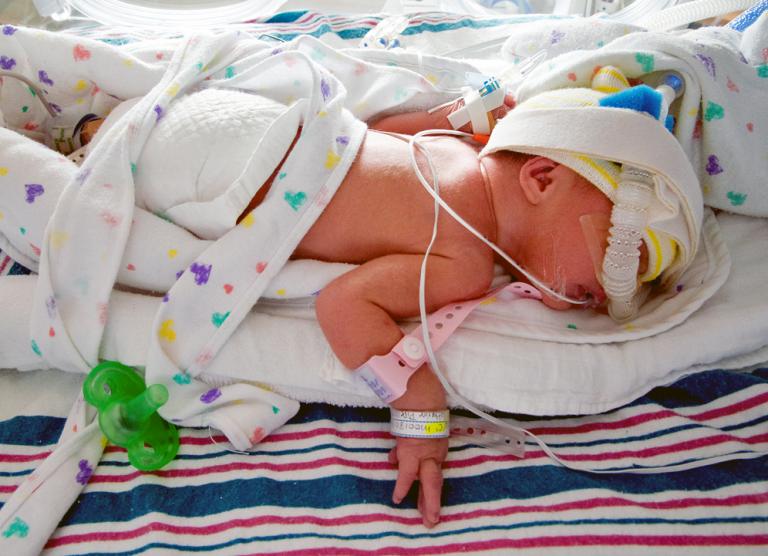
There’s been a Twitter hashtag that the pro-life community has been trying to promote: #UnplannedParenthood — trying to push back on the idea that an unexpected pregnancy is a disaster for any woman in that situation.
The Atlantic isn’t pleased; they’ve titled their article on the subject, “The Bizarre Celebration of ‘Unplanned Parenthood’” and have this to say:
. . . the movement becomes disastrously illogical.
First, there is a big difference between an unplanned pregnancy and an unwanted one—and an even bigger gulf between a baby you actively choose to have and one you’re forced to carry because abortion is illegal.
Twitter hashtags aren’t exactly doctoral dissertations. Still, it’s odd how this one seems to celebrate unplanned pregnancy. Let’s recall that women have been desperate for effective birth control for centuries. During the Great Depression, women who wanted to avoid having babies they couldn’t afford used “disinfectant douches” that burned their genitals and didn’t do much to stop conception. The invention of the pill is partly credited with helping women expand their earning potential and achieve greater gender equality.
Today, reducing unexpected pregnancies is widely considered to be a major public-health imperative. The work of Isabel Sawhill and others has shown that high rates of unplanned births, particularly among poor and unwed mothers, contribute to poverty. When women are offered long-acting reversible contraceptives, like IUDs and implants, they overwhelmingly choose to get them inserted—and both unplanned births and abortions decrease as a result.
In other words, they’re accusing women posting under this hashtag of having trivial experiences of inconvenience, and failing to understand that women who get abortions had real hardships that pro-life women couldn’t possibly understand.
On the other hand, consider this post, from another Patheos writer, Calah Alexander, “All Parenthood is #UnplannedParenthood.” Some readers may think she’s a fool for being pregnant for the 5th time, and relying on NFP rather than an implant or putting the whole baby-making business to an end by getting her tubes tied, but read what she says:
I’ve kept going through four unplanned pregnancies. The first one happened when I was unwed and addicted to meth. The second and third happened in Vegas, when we were on welfare and thousands of miles from family. The fourth happened here in Florida, and brought crippling PPD in its wake. None of this was my plan for my life, and it sure wasn’t the Ogre’s plan for his. But all these unplanned pregnancies have filled our lives with crazy amounts of joy, too. Joy we could never have planned for ourselves. Yes, there’s also sadness, stress, fear, and frustration, but wouldn’t we have had those in spades anyway? At least this way, we have four little allies to cheer us up with their ridiculous antics, bizarre humor, snotty kisses, and unconditional love.
No one plans to spend their lives constantly working and still struggling to make ends meet, but most of us do that anyway. No one plans for unemployment, chronic illness, cancer, dementia, or death, but everyone faces them sooner or later. Even when our children come according to our plan, we can’t plan for autism, autoimmune diseases, asthma, or any of the zillion other things parents face every day. We can’t plan for how and when our children will experience bullying or heartbreak, nor can we protect them from it. Even our best-laid plans for parenthood usually get wrecked by something, and often by our kids themselves. That’s the thing about parenthood — the way it turns out is always unplanned.
So, no, women who have unplanned pregnancies but ultimately choose to carry them to term are not, as The Atlantic would have us believe, distinguished from women who get abortions, by simply not facing as many hardships. They simply believe that they don’t have the right, morally, to destroy the new life growing within them.
And that’s my chicken-and-egg question:
The pro-abortion lobby likes to claim that prolife people are really just anti-sex, and want to restrict abortion as a way of forcing people to refrain from having sex. This is preposterous and exactly backward — because it is true that, when you are prolife, it requires that you take sex more seriously.
But what about perspective of the pro-abortion/prochoice crowd? From everything I’ve read, they don’t make the decision that the unborn child is a nonperson, a la Peter Singer, and move on to sexual ethics from there. Instead, they start with the stipulation that people must be able to have sex without consequences, and reason from there to determine that, consequently, abortion must be permitted, and if abortion must be permitted, than the unborn child must be able to be killed, and a being that “can be killed” is a nonperson.
And that causes me to wonder:
is it just “sex without consequences”? Once one adopts the attitude that moral decisionmaking should be made to conform with a higher goal of not suffering from an unplanned pregnancy, how does that impact the degree to which you’re able to handle all the other unplanned things that happen in life? All the things that can go wrong with children. A spouse/partner or family member who doesn’t behave as you’d like. A job loss, or another sort of financial crisis?
Previous Post

August 2, 2015
Why does Title X funding still exist, post-Obamacare?
Next Post
August 4, 2015 From the library: Just a Geek, by Wil Wheaton
Browse Our Archives
Select a Category Actuarial/Retirement Issues Politics Uncategorized
Select a Month September 2026 August 2026 July 2026 June 2026 April 2026 March 2026 February 2026 January 2026 December 2025 November 2025 October 2025 July 2025 June 2025 May 2025 April 2025 March 2025 February 2025 January 2025 December 2024 November 2024 October 2024 September 2024 August 2024 July 2024 June 2024 May 2024 April 2024 March 2024 February 2024 December 2023 November 2023 October 2023 September 2023 August 2023 July 2023 December 2022 September 2022 August 2022 July 2022 June 2022 May 2022 February 2022 January 2022 December 2021 August 2021 June 2021 April 2021 February 2021 January 2021 December 2020 November 2020 October 2020 September 2020 August 2020 July 2020 June 2020 May 2020 April 2020 March 2020 February 2020 January 2020 December 2019 November 2019 October 2019 September 2019 August 2019 July 2019 June 2019 May 2019 April 2019 March 2019 February 2019 January 2019 December 2018 November 2018 October 2018 September 2018 August 2018 July 2018 June 2018 May 2018 April 2018 March 2018 February 2018 January 2018 December 2017 November 2017 October 2017 September 2017 August 2017 July 2017 June 2017 May 2017 April 2017 March 2017 February 2017 January 2017 December 2016 November 2016 October 2016 September 2016 August 2016 July 2016 June 2016 May 2016 April 2016 March 2016 February 2016 January 2016 December 2015 November 2015 October 2015 September 2015 August 2015 July 2015 June 2015 May 2015 April 2015 March 2015 February 2015 January 2015 December 2014 November 2014 October 2014 September 2014 August 2014 July 2014 June 2014 May 2014 April 2014 March 2014 February 2014 January 2014 December 2013 November 2013 October 2013 September 2013 August 2013 July 2013
Follow Us!
TAKE THE
Religious Wisdom Quiz
Who said, "Before Abraham was, I am"?
Select your answer to see how you score.
Peter John Jesus Paul
Related posts from Jane the Actuary

The ERA of 1972 no longer exists in...

What's A Pro-Life Illinoisan To do?
The Violinist vs. the Castaway, and an attempt...
On the end of Roe, and why I'm...
TRENDING AT PATHEOS Catholic

The Dangers of Gradual Accommodation (Winking at Sin)
Recently, the “law of gradualness” resurfaced during the opening of a weeklong,...

The Iron Gates and the Lion of the...
Yesterday, I didn't finish my report about, well, yesterday. So I'll...

Dolly Parton’s Last Song Wins Dove Award with...
Bluegrass band The Grascals, speaking on the red carpet at the 57th...

The Image: On the Horror of Capitalism and...
The Image Then went the Pharisees, and took counsel how they might...

We are approaching the date of our new American national holiday: October...

Letters on Living the Faith by C.S. Lewis
Most of us met C.S. Lewis as a public intellectual. Mere Christianity....
view all Catholic blogs
Ad-Free & Subscriber Log-In Subscription Support
- About Us
- 2026 Calendar
- Videos
- Podcasts
- Library of World Religions
- Faith In Media Tracker
- Advertise With Us
- Write for Us
- Privacy Policy
- Terms of Service
- Do Not Sell My Data
- Contact Us
- Radiant Digital
- Manage Newsletter Subscriptions
- Unsubscribe From Notifications
- Sitemap
Copyright 2008-2026, Patheos. All rights reserved.
Subscription Support Ad-Free & Subscriber Log-In
Follow Patheos