
BuddhistCatholicContemplativeEvangelicalGeneral ChristianHinduJewishLatter-day SaintMuslimNew VisionsProgressive Christian
Beliefs
- Buddhist
- Catholic
- Contemplative
- Evangelical
- General Christian
- Hindu
- Jewish
- Latter-day Saint
- More Voices
- Muslim
- New Visions
- Pagan
- Progressive Christian
Topics
- Religion News
- Food and Religion
- Sports and Religion
- Religious Art
- Religious Music and Entertainment
- Religious Events
- History and Religion
- Style and Religion
- Politics and Religion
- Women in Religion
- Recreation Outdoors and Religion
- Business Finance and Religion
- Careers Workplace and Religion
- Education and Religion
- Family Parenting and Religion
- Health Fitness and Religion
- Home and Religion
- Relationships and Religion
- Technology and Religion
- Travel and Religion
Columnists
- Buddhist Columnists
- Business Finance and Religion Columnists
- Careers Workplace and Religion Columnists
- Catholic Columnists
- Contemplative Columnists
- Education and Religion Columnists
- Evangelists Columnists
- Family Parenting and Religion Columnists
- General Christian Columnists
- Health Fitness and Religion Columnists
- Hindu Columnists
- History and Religion Columnists
- Home and Religion Columnists
- Jewish Columnists
- More Voices Columnists
- Latter Day Columnists
- Muslim Columnists
- New Visions Columnists
- Nonreligious Columnists
- Pagan Columnists
- Politics and Religion Columnists
- Progressive Columnists
- Recreation Outdoors and Religion Columnists
- Relationships and Religion Columnists
- Religion News Columnists
- Religious Art Columnists
- Religious Events Columnists
- Religious Music and Entertainment Columnists
- Sports and Religion Columnists
- Style and Religion Columnists
- Technology and Religion Columnists
- Travel and Religion Columnists
- Women in Religion Columnists
Resource Library
- 2026 Calendar
- Library of World Religions
- The 100 Most Holy Places on Earth
- Patheos Answers
- Podcasts
- Videos
- Faith Leaders Database
- Anglican Episcopalian
- Bahai
- Baptist
- Buddhism
- Christianity
- Confucianism
- Eastern Orthodoxy
- Hinduism
- Holiness and Pentecostal
- ISKCON
- Islam
- Judaism
- Lutheran
- Methodist
- The Church of Jesus Christ of Latter-day Saints
- New Age
- Paganism
- Presbytarian and Reformed
- Protestantism
- Religion Behind the Scenes
- Roman Catholic
- Scientology
- Shia Islam
- Sikhism
- Sufism
- Sunni Islam
- Taoism
- Zen
- See all religions
Research Tools
 Ad-Free & Subscriber Log-In Subscription Support
Ad-Free & Subscriber Log-In Subscription Support
Follow Patheos 

- Trending:
- Forgiveness
- |
- Marriage
- |
- Consciousness
- |
- Death Penalty
- |
- Election
- |
- Halloween

-
Tools
-
Support the Work
- Home
- Evangelical
- How Empathy Helps Contextualization
How Empathy Helps Contextualization
Last updated on: January 12, 2022 at 4:33 am by Brad Vaughn
How Empathy Helps Contextualization 2022-01-12T04:33:57-07:00 Brad Vaughn
Patheos Explore the world's faith through different perspectives on religion and spirituality! Patheos has the views of the prevalent religions and spiritualities of the world.
Credit: Bing.com (Free Usage Search)
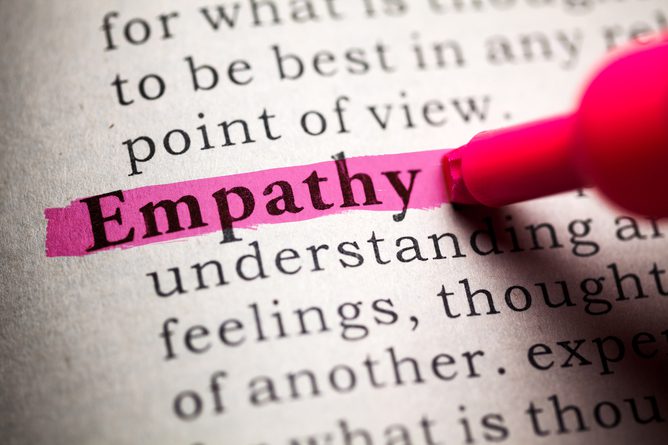
At its best, contextualization requires us intentionally to interpret the Bible with empathy. (For my first post on “intentional contextualization,” click here.)
When ready the Bible, we have a natural tendency to villainize people when they fail. We often identify ourselves with the “good guys” and wonder how in the world those “other people” could ever have been so bone-headed or stubborn. We tell ourselves that we would never have acted like “those” people.
Empathize with Idolaters?
Israel’s fall in worshiping the golden calf (Exodus 32) is a case-in-point.
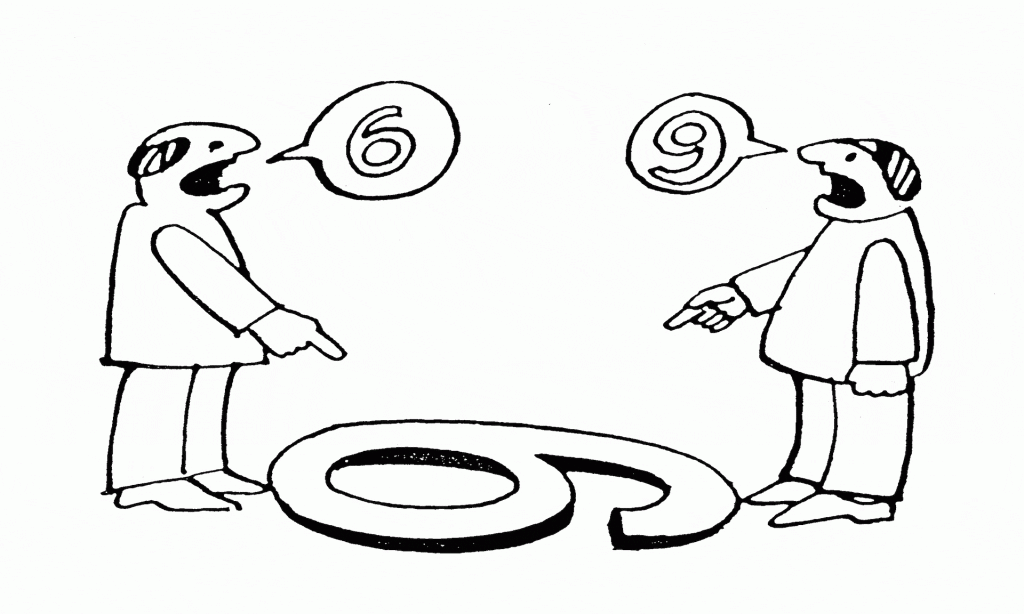
One rarely teaches the passage in a tone that explains how it was possible for Israelites to worship the idol. To do so does not mean we should justify their heinous sin. “Empathy” does not mean we have to agree with others. We simply need to be able to see things through others’ eyes.
Credit: Bing.com (Free Usage Search)
However, when we do not make the effort to read Scripture empathetically, we limit the possibility of contextualizing the biblical message.
By distancing ourselves from the people in a story, we overlook the fact that we too might think or feel in ways strikingly similar to the sinners in the text. Although we haven’t sinned in precisely the same way (e.g., worshipping a golden calf), there may be other ways that our assumptions and justifications lead us astray.
If we can identify, i.e., empathize, with the idolaters and Pharisees for a moment, new potential applications will likely emerge. Said otherwise, if we distance ourselves from the struggles and failures of those in Scripture, we can apply the insights that readers could gain.
“Making Sense” of the Golden Calf
Using Exodus 32, how do we get inside the Israelites’ mind as they wait for Moses’ descent from Mount Sinai?
The ancient Israelites were enslaved in Egypt for centuries. They had been slack to circumcise their children and needed reminding that is was the LORD (not some other god) who committed to rescuing them. At the very least, these observations suggest the worship of the LORD did not thrive in Israel before the exodus. Accordingly, much of what they would know about the LORD was recently gained knowledge. After all, it has only been a matter of weeks since they received the commandments from Moses (back in Exod 20).
By contrast, polytheism was the norm in the ancient Middle East. Accordingly, worshipping idols “made sense” inasmuch as it was typical.
Notice what Aaron actually says. At one level, he and the Israelites did not think they were committing a fundamental compromise. In v. 5, he announces,
“Tomorrow shall be a feast to the LORD” (v. 5). Then in v. 8, he says concerning the idol, “These are your gods, O Israel, who brought you up out of the land of Egypt!” (v. 8).
He doesn’t overtly deny the existence or power of the LORD. Instead, from Aaron’s perspective, he is simply adapting their way of worshipping. This method would make it far more straightforward and easy to accept for the average Israelite. In that historical context, one would have difficulty wrapping their mind around the idea of there being ONE true God.
Therefore, if Aaron wanted to rapidly solicit a favorable response from the people, fashioning the golden calf made pragmatic sense.
Aaron and Israel had reasons for their sin, albeit misguided ones. The fact that they had a rationalization does not give them legitimate justification for their disobedience.
Without empathy, we cannot understand why Aaron and Israel succumbed to idolatry. It’s much easier to dismiss them as ignorant and hardhearted. Yet, if we do that, we will just as quickly overlook our own rationalizations. We will become hypercritical of others.
Furthermore, we will miss critical applications that come out of the text. In the next post, I will highlight five applications that we can discern from reading Exodus 32.
Previous Post

June 1, 2016
How to Intentionally Contextualize
Next Post

June 15, 2016 Contextualizing One Gospel (Training Video)
Browse Our Archives
Select a Category Atonement Biblical Theology Book Reviews China Chinese Church Chinese Culture Chinese Language Collectivism Contextualization Culture (General) Ecclesiology Evangelism Gospel Honor & Shame (Face) Interpretation/Exegesis Justification/Righteousness Missiology Mission Methods One Gospel for All Nations Other Practical Contextualization Reading Romans with Eastern Eyes Resources Romans Salvation (General) Saving God's Face Seeking God's Face The Cross in Context Theological Contextualization Theological Education Theology Uncategorized
Select a Month October 2026 September 2026 August 2026 July 2026 June 2026 May 2026 April 2026 March 2026 February 2026 January 2026 December 2025 November 2025 October 2025 September 2025 August 2025 July 2025 June 2025 May 2025 April 2025 March 2025 February 2025 January 2025 December 2024 November 2024 October 2024 September 2024 August 2024 July 2024 June 2024 May 2024 April 2024 March 2024 February 2024 January 2024 December 2023 November 2023 October 2023 September 2023 August 2023 July 2023 June 2023 May 2023 April 2023 March 2023 February 2023 January 2023 December 2022 November 2022 October 2022 September 2022 August 2022 July 2022 June 2022 May 2022 April 2022 March 2022 February 2022 January 2022 December 2021 November 2021 October 2021 September 2021 August 2021 July 2021 June 2021 May 2021 April 2021 March 2021 February 2021 January 2021 December 2020 November 2020 October 2020 September 2020 August 2020 July 2020 June 2020 May 2020 April 2020 March 2020 February 2020 January 2020 December 2019 November 2019 October 2019 September 2019 August 2019 July 2019 June 2019 May 2019 April 2019 March 2019 February 2019 January 2019 December 2018 November 2018 October 2018 September 2018 August 2018 July 2018 June 2018 May 2018 April 2018 March 2018 February 2018 January 2018 December 2017 November 2017 October 2017 September 2017 August 2017 July 2017 June 2017 May 2017 April 2017 March 2017 February 2017 January 2017 December 2016 November 2016 October 2016 September 2016 August 2016 July 2016 June 2016 May 2016 April 2016 March 2016 February 2016 January 2016 December 2015 November 2015 October 2015 September 2015 August 2015 July 2015 June 2015 May 2015 April 2015 March 2015 February 2015 January 2015 December 2014 November 2014 October 2014 September 2014 August 2014 July 2014 June 2014 May 2014 April 2014 March 2014 February 2014 January 2014 December 2013 November 2013 October 2013 September 2013 August 2013 July 2013 June 2013 May 2013 April 2013 March 2013 February 2013 January 2013 December 2012 November 2012
Follow Us!
TAKE THE
Religious Wisdom Quiz
Which Christian group believes in "baptism of the Holy Spirit" with evidence of speaking in tongues?
Select your answer to see how you score.
Lutherans Pentecostals Methodists Presbyterians
Books by This Author Books by Brad Vaughn
Related posts from Saving God's Face
10 Principles for Reading the Bible Missionally

The Implicit Critique of Culture in Revelation 5:9
Why Artemis is Nobody’s Mother (a book review)
Aubrey Sequeira questions me on the atonement. Here...
TRENDING AT PATHEOS Evangelical

When Halloween Unmasks Married Hearts
Written by Dr. David K. Ewen from Eternal Truth Bible College Behind...

Aristotle. He’s been called the father of logic, the father of the...

Methodist Central Hall and Westminster Abbey
Situated on the same square is Methodist Central Hall and Westminster Abbey. ...

57th Dove Awards Honor Dolly Parton, Crown New...
On gospel music’s biggest night, the 57th annual GMA Dove Awards honored...

The First Eucharistic Controversy: Christ’s Real Presence
For Catholics, the Eucharist is the source and summit of the Christian...

What a Stop Sign Can Teach Us About...
How to Make a Decision When You Can't Hear God Main point:...
view all Evangelical blogs
Ad-Free & Subscriber Log-In Subscription Support
- About Us
- 2026 Calendar
- Videos
- Podcasts
- Library of World Religions
- Faith In Media Tracker
- Advertise With Us
- Write for Us
- Privacy Policy
- Terms of Service
- Do Not Sell My Data
- Contact Us
- Radiant Digital
- Manage Newsletter Subscriptions
- Unsubscribe From Notifications
- Sitemap
Copyright 2008-2026, Patheos. All rights reserved.
Subscription Support Ad-Free & Subscriber Log-In
Follow Patheos