
BuddhistCatholicContemplativeEvangelicalGeneral ChristianHinduJewishLatter-day SaintMuslimNew VisionsProgressive Christian
Beliefs
- Buddhist
- Catholic
- Contemplative
- Evangelical
- General Christian
- Hindu
- Jewish
- Latter-day Saint
- More Voices
- Muslim
- New Visions
- Pagan
- Progressive Christian
Topics
- Religion News
- Food and Religion
- Sports and Religion
- Religious Art
- Religious Music and Entertainment
- Religious Events
- History and Religion
- Style and Religion
- Politics and Religion
- Women in Religion
- Recreation Outdoors and Religion
- Business Finance and Religion
- Careers Workplace and Religion
- Education and Religion
- Family Parenting and Religion
- Health Fitness and Religion
- Home and Religion
- Relationships and Religion
- Technology and Religion
- Travel and Religion
Columnists
- Buddhist Columnists
- Business Finance and Religion Columnists
- Careers Workplace and Religion Columnists
- Catholic Columnists
- Contemplative Columnists
- Education and Religion Columnists
- Evangelists Columnists
- Family Parenting and Religion Columnists
- General Christian Columnists
- Health Fitness and Religion Columnists
- Hindu Columnists
- History and Religion Columnists
- Home and Religion Columnists
- Jewish Columnists
- More Voices Columnists
- Latter Day Columnists
- Muslim Columnists
- New Visions Columnists
- Nonreligious Columnists
- Pagan Columnists
- Politics and Religion Columnists
- Progressive Columnists
- Recreation Outdoors and Religion Columnists
- Relationships and Religion Columnists
- Religion News Columnists
- Religious Art Columnists
- Religious Events Columnists
- Religious Music and Entertainment Columnists
- Sports and Religion Columnists
- Style and Religion Columnists
- Technology and Religion Columnists
- Travel and Religion Columnists
- Women in Religion Columnists
Resource Library
- 2026 Calendar
- Library of World Religions
- The 100 Most Holy Places on Earth
- Patheos Answers
- Podcasts
- Videos
- Faith Leaders Database
- Anglican Episcopalian
- Bahai
- Baptist
- Buddhism
- Christianity
- Confucianism
- Eastern Orthodoxy
- Hinduism
- Holiness and Pentecostal
- ISKCON
- Islam
- Judaism
- Lutheran
- Methodist
- The Church of Jesus Christ of Latter-day Saints
- New Age
- Paganism
- Presbytarian and Reformed
- Protestantism
- Religion Behind the Scenes
- Roman Catholic
- Scientology
- Shia Islam
- Sikhism
- Sufism
- Sunni Islam
- Taoism
- Zen
- See all religions
Research Tools
 Ad-Free & Subscriber Log-In Subscription Support
Ad-Free & Subscriber Log-In Subscription Support
Follow Patheos 

- Trending:
- Forgiveness
- |
- Marriage
- |
- Consciousness
- |
- Death Penalty
- |
- Election
- |
- Halloween

-
Tools
-
Support the Work
- Home
- Evangelical
- How to Intentionally Contextualize
How to Intentionally Contextualize
Last updated on: June 1, 2016 at 10:48 pm by Brad Vaughn
How to Intentionally Contextualize 2016-06-01T22:48:35-07:00 Brad Vaughn
Patheos Explore the world's faith through different perspectives on religion and spirituality! Patheos has the views of the prevalent religions and spiritualities of the world.
If you’re not intentional in how you read and apply the Bible, you’ll likely compromise rather than contextualize.
Unintentional Compromise
The only things that happen by accident are accidents. As we all know, not all accidents are created equal. Ask your insurance company. Is it any surprise that we tend to compromise biblical teaching when we do not deliberately take steps to contextualize in a way that is both biblically faithful and culturally meaningful?
Consider a few simple facts. We all have limited perspectives. We all have biases. Our understanding of historical documents and contexts is partial at best. The Bible reveals the work and character of an infinitely glorious God, whom we could never comprehend fully within our little mind.
If we are not purposeful, then we are presumptuous.
If we are not intentional about how to contextualize, then we presume that our personal, cultural and denominational perspective is sufficient to contextualize the biblical message in a cross-cultural context.
As a result, we will commit either cultural syncretism or theological syncretism.
Intentional Contextualization
Intentionality is critical if you want to contextualize well.
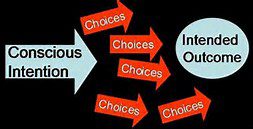
Credit: CC Search/Pinterest
I offer a few simple suggestions to help you become more intentional in your approach. This post gives the first idea; my next post will explain a second suggestion. (In One Gospel for All Nations, I offer a more comprehensive and practical model for biblical contextualization. A few statements below will make more sense to those who have read the book.)
In the early steps of the contextualization process, we need to intentionally look for the presence of key cultural themes within Scripture. Where does the biblical text speak of things that are important in the our cultural context?
In other words, actively look for honor-shame themes in the Bible.
Of course, don’t assume that honor-shame themes appear only in those places where the words “honor” or “shame” exist. For instance, collective identity is a major honor-shame motif but that issue manifests in countless texts that never explicitly mention “honor” and “shame.” In the process, a mass of potential insights will emerge (though many will no doubt be shown to be specious).
Someone might reply that we verge on eisegesis by so actively looking for certain ideas. In reality, simply looking for ideas is not the critical issue. WHO looks for a given theme is far more influential.
Imagine the person who has long been trained to see the legal language in the Bible and so is a bit reticent to embrace an honor-shame perspective when reading the Bible. His or her entire worldview and theological perspective act as a guard against ideas that are seem novel. Therefore, what happens when he forces himself to actively look for unfamiliar concepts?
Figuratively speaking, he does nothing more that use a chair to glance over the cultural wall that obstructs his vision of the world beyond the bounds of his own family, church, and friend groups. In reality, this is precisely the action of a humble learner.
Intentional or Ignorant?
The greater danger is found in the opposite situation–– when someone refuses to stretch their gaze beyond the scope of their normal perspective.
![frog_in_the_well [credit- bing.com http-_yankeekatha.blogspot.com_2010_04_blog-post_20.html]](https://wp-media.patheos.com/blogs/sites/576/2015/10/frog_in_the_well-credit-bing.com-http-_yankeekatha.blogspot.com_2010_04_blog-post_20.html_1-e1445235926186.jpg)
Credit: CC Search (bing.com)
Recall the proverbial frog in the well who assumes the stars above him are all there is in the world. Having recognized the limits of one’s one vantage point, it would be folly not to proactively seek the perspective of others who testify about a broader view of the world.
This error (of being content with our narrow perspectives) can reveal as much pride as prudence. After all, there may not be a necessarily contradiction between one’s long held views and those espoused by others. Thus, one’s worries are not only unfounded but he or she misses out on legitimate insights.
Perhaps, the traditionalist fears what it might lead to if they accepted such a new perspective. However, this is an irrational fear. It is like the proverbial well frog denying the reality of the outside world because, if that world exists, there might be predators that might kill that frog. It’s irrational to deny the reality of another perspective simply because you might not like the discomfort it causes.
Previous Post
May 25, 2016
One Gospel for Shame, Guilt, and Fear Cultures?
Next Post

June 8, 2016 How Empathy Helps Contextualization
Browse Our Archives
Select a Category Atonement Biblical Theology Book Reviews China Chinese Church Chinese Culture Chinese Language Collectivism Contextualization Culture (General) Ecclesiology Evangelism Gospel Honor & Shame (Face) Interpretation/Exegesis Justification/Righteousness Missiology Mission Methods One Gospel for All Nations Other Practical Contextualization Reading Romans with Eastern Eyes Resources Romans Salvation (General) Saving God's Face Seeking God's Face The Cross in Context Theological Contextualization Theological Education Theology Uncategorized
Select a Month October 2026 September 2026 August 2026 July 2026 June 2026 May 2026 April 2026 March 2026 February 2026 January 2026 December 2025 November 2025 October 2025 September 2025 August 2025 July 2025 June 2025 May 2025 April 2025 March 2025 February 2025 January 2025 December 2024 November 2024 October 2024 September 2024 August 2024 July 2024 June 2024 May 2024 April 2024 March 2024 February 2024 January 2024 December 2023 November 2023 October 2023 September 2023 August 2023 July 2023 June 2023 May 2023 April 2023 March 2023 February 2023 January 2023 December 2022 November 2022 October 2022 September 2022 August 2022 July 2022 June 2022 May 2022 April 2022 March 2022 February 2022 January 2022 December 2021 November 2021 October 2021 September 2021 August 2021 July 2021 June 2021 May 2021 April 2021 March 2021 February 2021 January 2021 December 2020 November 2020 October 2020 September 2020 August 2020 July 2020 June 2020 May 2020 April 2020 March 2020 February 2020 January 2020 December 2019 November 2019 October 2019 September 2019 August 2019 July 2019 June 2019 May 2019 April 2019 March 2019 February 2019 January 2019 December 2018 November 2018 October 2018 September 2018 August 2018 July 2018 June 2018 May 2018 April 2018 March 2018 February 2018 January 2018 December 2017 November 2017 October 2017 September 2017 August 2017 July 2017 June 2017 May 2017 April 2017 March 2017 February 2017 January 2017 December 2016 November 2016 October 2016 September 2016 August 2016 July 2016 June 2016 May 2016 April 2016 March 2016 February 2016 January 2016 December 2015 November 2015 October 2015 September 2015 August 2015 July 2015 June 2015 May 2015 April 2015 March 2015 February 2015 January 2015 December 2014 November 2014 October 2014 September 2014 August 2014 July 2014 June 2014 May 2014 April 2014 March 2014 February 2014 January 2014 December 2013 November 2013 October 2013 September 2013 August 2013 July 2013 June 2013 May 2013 April 2013 March 2013 February 2013 January 2013 December 2012 November 2012
Follow Us!
TAKE THE
Religious Wisdom Quiz
Who was promised descendants as numerous as the stars?
Select your answer to see how you score.
Jacob Abraham David Moses
Books by This Author Books by Brad Vaughn
Related posts from Saving God's Face
How Technique Undermines Mission
God both exceeds and undermines our expectations

Implications of Dignity, Honor, and Face Cultures for...

Should multiplication be the goal of missions?
TRENDING AT PATHEOS Evangelical

When Halloween Unmasks Married Hearts
Written by Dr. David K. Ewen from Eternal Truth Bible College Behind...

Aristotle. He’s been called the father of logic, the father of the...

Methodist Central Hall and Westminster Abbey
Situated on the same square is Methodist Central Hall and Westminster Abbey. ...

57th Dove Awards Honor Dolly Parton, Crown New...
On gospel music’s biggest night, the 57th annual GMA Dove Awards honored...

The First Eucharistic Controversy: Christ’s Real Presence
For Catholics, the Eucharist is the source and summit of the Christian...

What a Stop Sign Can Teach Us About...
How to Make a Decision When You Can't Hear God Main point:...
view all Evangelical blogs
Ad-Free & Subscriber Log-In Subscription Support
- About Us
- 2026 Calendar
- Videos
- Podcasts
- Library of World Religions
- Faith In Media Tracker
- Advertise With Us
- Write for Us
- Privacy Policy
- Terms of Service
- Do Not Sell My Data
- Contact Us
- Radiant Digital
- Manage Newsletter Subscriptions
- Unsubscribe From Notifications
- Sitemap
Copyright 2008-2026, Patheos. All rights reserved.
Subscription Support Ad-Free & Subscriber Log-In
Follow Patheos