
BuddhistCatholicContemplativeEvangelicalGeneral ChristianHinduJewishLatter-day SaintMuslimNew VisionsProgressive Christian
Beliefs
- Buddhist
- Catholic
- Contemplative
- Evangelical
- General Christian
- Hindu
- Jewish
- Latter-day Saint
- More Voices
- Muslim
- New Visions
- Pagan
- Progressive Christian
Topics
- Religion News
- Food and Religion
- Sports and Religion
- Religious Art
- Religious Music and Entertainment
- Religious Events
- History and Religion
- Style and Religion
- Politics and Religion
- Women in Religion
- Recreation Outdoors and Religion
- Business Finance and Religion
- Careers Workplace and Religion
- Education and Religion
- Family Parenting and Religion
- Health Fitness and Religion
- Home and Religion
- Relationships and Religion
- Technology and Religion
- Travel and Religion
Columnists
- Buddhist Columnists
- Business Finance and Religion Columnists
- Careers Workplace and Religion Columnists
- Catholic Columnists
- Contemplative Columnists
- Education and Religion Columnists
- Evangelists Columnists
- Family Parenting and Religion Columnists
- General Christian Columnists
- Health Fitness and Religion Columnists
- Hindu Columnists
- History and Religion Columnists
- Home and Religion Columnists
- Jewish Columnists
- More Voices Columnists
- Latter Day Columnists
- Muslim Columnists
- New Visions Columnists
- Nonreligious Columnists
- Pagan Columnists
- Politics and Religion Columnists
- Progressive Columnists
- Recreation Outdoors and Religion Columnists
- Relationships and Religion Columnists
- Religion News Columnists
- Religious Art Columnists
- Religious Events Columnists
- Religious Music and Entertainment Columnists
- Sports and Religion Columnists
- Style and Religion Columnists
- Technology and Religion Columnists
- Travel and Religion Columnists
- Women in Religion Columnists
Resource Library
- 2026 Calendar
- Library of World Religions
- The 100 Most Holy Places on Earth
- Patheos Answers
- Podcasts
- Videos
- Faith Leaders Database
- Anglican Episcopalian
- Bahai
- Baptist
- Buddhism
- Christianity
- Confucianism
- Eastern Orthodoxy
- Hinduism
- Holiness and Pentecostal
- ISKCON
- Islam
- Judaism
- Lutheran
- Methodist
- The Church of Jesus Christ of Latter-day Saints
- New Age
- Paganism
- Presbytarian and Reformed
- Protestantism
- Religion Behind the Scenes
- Roman Catholic
- Scientology
- Shia Islam
- Sikhism
- Sufism
- Sunni Islam
- Taoism
- Zen
- See all religions
Research Tools
 Ad-Free & Subscriber Log-In Subscription Support
Ad-Free & Subscriber Log-In Subscription Support
Follow Patheos 

- Trending:
- Forgiveness
- |
- Marriage
- |
- Consciousness
- |
- Death Penalty
- |
- Election
- |
- Halloween

-
Tools
-
Support the Work
- Home
- Evangelical
- No King forgets his crown. Why do we?
No King forgets his crown. Why do we?
Last updated on: October 13, 2026 at 6:00 am by Brad Vaughn
No King forgets his crown. Why do we? 2026-08-04T15:12:34-07:00 Brad Vaughn
Patheos Explore the world's faith through different perspectives on religion and spirituality! Patheos has the views of the prevalent religions and spiritualities of the world.
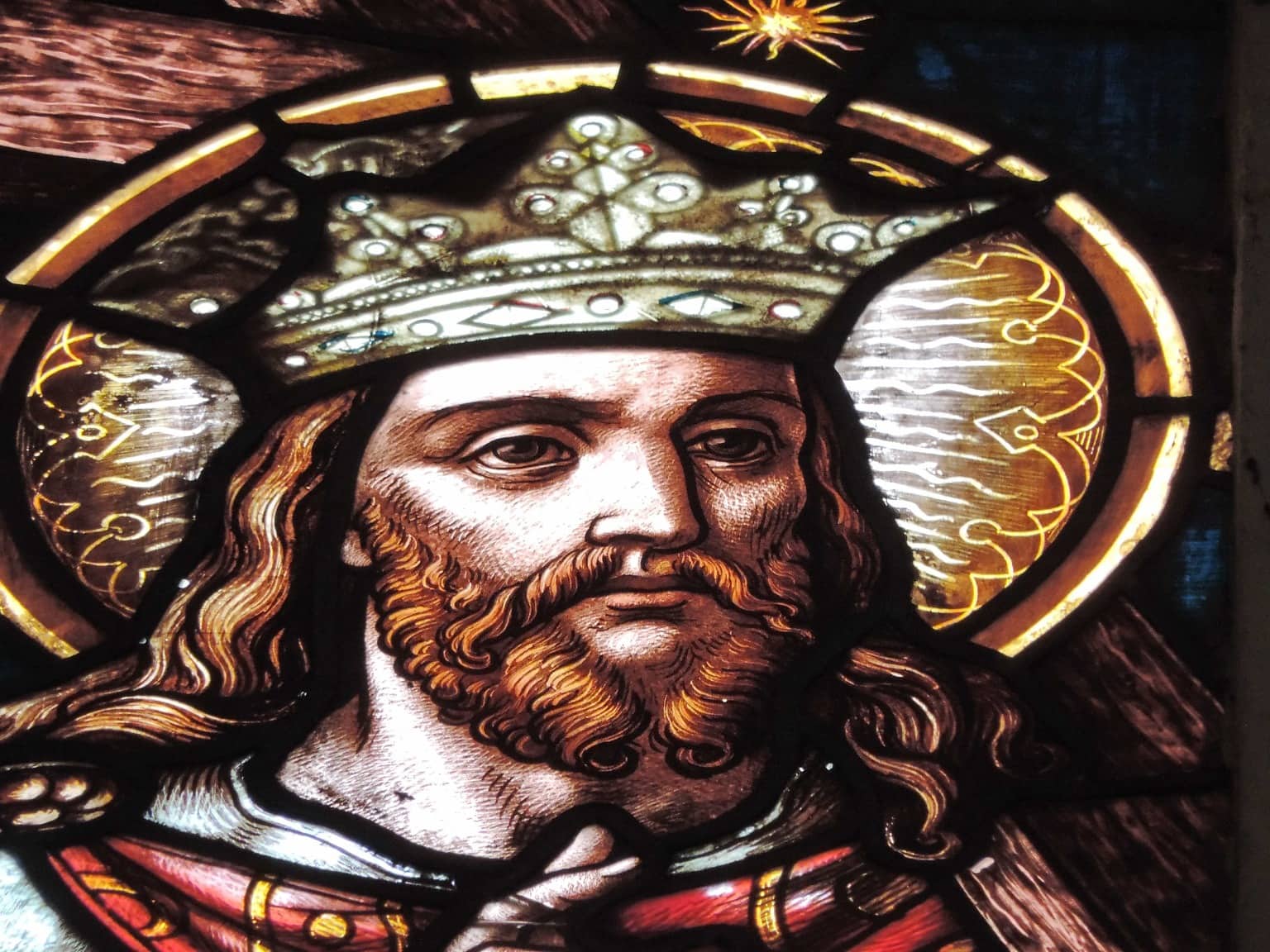
No king forgets his position or crown. He could lose it. Someone may seize it, or he may surrender it under threat. At the same time, a king does not simply wake up, glance in the mirror, and forget that he is a king. His position shapes self-perception. It also shapes how others approach him and what he expects the moment he walks into a room.
However, Christians forget their position constantly.
License CC0
In Psalm 103, David opens by talking to himself. “Bless the LORD, O my soul, and forget not all his benefits” (Ps. 103:2). Notice the last clause. David doesn’t assume gratitude comes naturally. He commands his own soul, because he knows his soul. Left alone, it forgets.
What does it forget?
God “forgives all your iniquity,” “heals all your diseases,” and “redeems your life from the pit” (Ps. 103:3–4). This is familiar territory. Forgiveness removes guilt. Healing repairs what broke. Redemption pulls a life back from the edge it was sliding toward.
Then David adds a fourth benefit, and it’s the one we tend to rush past: God “crowns you with steadfast love and mercy” (Ps. 103:4).
A Crown is Not a Feeling
The verb doesn’t portray God’s mercy merely as a gift filed away in the distant past. Alongside the God who forgives, heals, redeems, and satisfies, David praises the God whose characteristic work is to crown his people with steadfast love and compassion. The message is significant: crowning his people is what this King does.
In the ancient world, a crown was not decoration. It was a public claim about status. It made visible what might otherwise remain private. To be crowned was to be seen as honored, not merely to feel honored inwardly.
David does not say God feels compassion toward us, as though salvation primarily concerned God’s emotional disposition. Redemption is also not merely the erasure of a debt. God crowns his people. He confers a status and surrounds it continually with hesed and raḥamim.
Hesed is covenant loyalty: committed, obligated, enduring favor. A king owes this kind of loyalty to his own house. Raḥamim is not distant pity but the compassion that moves toward a person, the way mothers move toward a crying child rather than simply noting the crying from afar. Together, they’re not two adjectives modifying a crown. They are the material the crown is made of.
There is no greater worldly honor than a royal crown. And yet, we forget (or worse, we forsake) our own.
Forgiven, Yet Still Ashamed
I’ve said this before and will keep saying it until the distinction stops needing to be made: guilt and shame are not the same problem, even though they overlap. Guilt concerns what we did. Shame concerns who we’re judged to be. Forgiveness answers the first. It does not automatically answer the second.
Picture a man who publicly disgraces his family. Suppose his debt is fully paid and his punishment is canceled outright. Can he go home? Will his father receive him at the table, or does he stand at the door — forgiven (technically) but with his head still down?
Psalm 103 answers with a crown, not merely a receipt.
God doesn’t pull us from the pit and leave us standing next to it, relieved but still ashamed. He restores honor. Redemption changes the account. Crowning changes the status. Salvation addresses both guilt and shame.
None of this is self-congratulation, of course. We didn’t earn the crown; we did not even request it. The crown is made of his loyalty and his compassion, not our achievement. We are honored precisely as people who receive something we can’t produce.
Why We Keep Forgetting
Sometimes false humility is the culprit. We assume that continual self-contempt must please God. It does not; rather, agreeing with God about ourselves is humility; disputing what he says about us is its own quiet form of pride.
More often, we simply trade sacred honor for social honor. Even though we know the psalm, we still long for the room’s approval. We track faces, read reactions, and adjust ourselves in real time to avoid disapproval that’s not even been voiced. The room’s verdict feels immediate and powerful. God’s verdict, oddly, feels like it can wait.
So we forget and forget and forget again.
This is partly why shame carries the weight it does. It narrows the field of vision until one face (whether a parent’s, a congregation’s, an audience that may not even exist outside your own head) becomes the only face in the room. Psalm 103 asks a blunt question: whose judgment actually determines your status? Who has the standing to crown anyone?
Only the King does.
Remember the Benefits
David’s remedy is not self-esteem. He does not tell his soul to look inward and discover buried worth. He tells it to remember God: what God forgives, what God heals, what God redeems, what God bestows. Christian identity starts outside the self, in God’s action toward it, not in an improved internal narrative.
That changes discipleship at the root. We don’t obey in order to create an honorable identity we do not yet have. We obey from an identity already given to us. We’re not need to earn a seat in the house; we already have the King’s name on us.
This reality changes how we treat other people too. Anyone actually crowned by mercy has no honest use for shame as a tool to keep someone else beneath him. We honor the lowly because God does. We restore the disgraced because God restores. Mercy is already resting on our own heads (heavily, if we’re paying attention to notice), which leaves little room to withhold it from anyone else’s.
No king forgets his position. But Christians do, because grace becomes familiar, and familiar things get ignored.
So speak to your soul the way David spoke to his. Remember the pit. Remember your sin, though it no longer defines you. Remember, most of all, the one who lifted you out of it and put something atop your head.
You were not merely pardoned. You are crowned. Do not forget it.
Previous Post

September 29, 2026
Recovering Moral Vision Between Shame and Shamelessness
Recent Comments
"A thoughtful and thought-provoking article that raises important questions about the challenges facing the Western ..."
"to fit social or religious expectations. Especially women, who were expected to sacrifice everything to ..."
3 reasons you should not be ..."
"Powerful reminder short, sturdy truths can lose their weight if treated as slogans. The solas ..."
How Western Individualism Quietly Undermines the ..."
"If 'America’s deepest crisis is not merely political. It is moral and spiritual.' is in ..."
The Real Crisis Beneath America’s Social ..."
Browse Our Archives
Select a Category Atonement Biblical Theology Book Reviews China Chinese Church Chinese Culture Chinese Language Collectivism Contextualization Culture (General) Ecclesiology Evangelism Gospel Honor & Shame (Face) Interpretation/Exegesis Justification/Righteousness Missiology Mission Methods One Gospel for All Nations Other Practical Contextualization Reading Romans with Eastern Eyes Resources Romans Salvation (General) Saving God's Face Seeking God's Face The Cross in Context Theological Contextualization Theological Education Theology Uncategorized
Select a Month October 2026 September 2026 August 2026 July 2026 June 2026 May 2026 April 2026 March 2026 February 2026 January 2026 December 2025 November 2025 October 2025 September 2025 August 2025 July 2025 June 2025 May 2025 April 2025 March 2025 February 2025 January 2025 December 2024 November 2024 October 2024 September 2024 August 2024 July 2024 June 2024 May 2024 April 2024 March 2024 February 2024 January 2024 December 2023 November 2023 October 2023 September 2023 August 2023 July 2023 June 2023 May 2023 April 2023 March 2023 February 2023 January 2023 December 2022 November 2022 October 2022 September 2022 August 2022 July 2022 June 2022 May 2022 April 2022 March 2022 February 2022 January 2022 December 2021 November 2021 October 2021 September 2021 August 2021 July 2021 June 2021 May 2021 April 2021 March 2021 February 2021 January 2021 December 2020 November 2020 October 2020 September 2020 August 2020 July 2020 June 2020 May 2020 April 2020 March 2020 February 2020 January 2020 December 2019 November 2019 October 2019 September 2019 August 2019 July 2019 June 2019 May 2019 April 2019 March 2019 February 2019 January 2019 December 2018 November 2018 October 2018 September 2018 August 2018 July 2018 June 2018 May 2018 April 2018 March 2018 February 2018 January 2018 December 2017 November 2017 October 2017 September 2017 August 2017 July 2017 June 2017 May 2017 April 2017 March 2017 February 2017 January 2017 December 2016 November 2016 October 2016 September 2016 August 2016 July 2016 June 2016 May 2016 April 2016 March 2016 February 2016 January 2016 December 2015 November 2015 October 2015 September 2015 August 2015 July 2015 June 2015 May 2015 April 2015 March 2015 February 2015 January 2015 December 2014 November 2014 October 2014 September 2014 August 2014 July 2014 June 2014 May 2014 April 2014 March 2014 February 2014 January 2014 December 2013 November 2013 October 2013 September 2013 August 2013 July 2013 June 2013 May 2013 April 2013 March 2013 February 2013 January 2013 December 2012 November 2012
Follow Us!
TAKE THE
Religious Wisdom Quiz
What does the Bible say about giving?
Select your answer to see how you score.
Give to get rich God loves a cheerful giver Never give Only give under pressure
Books by This Author Books by Brad Vaughn
Related posts from Saving God's Face

Recovering Moral Vision Between Shame and Shamelessness

Refuge, Confession, and the End of Shame

Psalm 25 and the Fear of Being Put...
How Biblical Sacrifices Vindicate God’s Glory
TRENDING AT PATHEOS Evangelical

Swimfan: Forgotten Aughts Pleasures
This is a recovery effort. In 2002, My Big Fat Greek Wedding...

Top Three Anti-Catholic Lies About Catholicism
This is my initial transcript for the video, "THE 3 WORST...

Pope Leo Celebrates Mass for Nurses & Docs...
I don't have any idea how he did it, but Pope Leo...

The Sermon on the Mount, Part I: Matthew...
The Sermon on the Mount, Part I (Matthew 4:12-5:12) St. Matthew moves...

What's up from Crossway: Reviewing some of their latest A few weeks...

Janie Learns the Way of the Cross: A...
Teaching children about Jesus' Passion can be challenging. Many parents and educators...
view all Evangelical blogs
What Are Your Thoughts?leave a comment
Ad-Free & Subscriber Log-In Subscription Support
- About Us
- 2026 Calendar
- Videos
- Podcasts
- Library of World Religions
- Faith In Media Tracker
- Advertise With Us
- Write for Us
- Privacy Policy
- Terms of Service
- Do Not Sell My Data
- Contact Us
- Radiant Digital
- Manage Newsletter Subscriptions
- Unsubscribe From Notifications
- Sitemap
Copyright 2008-2026, Patheos. All rights reserved.
Subscription Support Ad-Free & Subscriber Log-In
Follow Patheos