
BuddhistCatholicContemplativeEvangelicalGeneral ChristianHinduJewishLatter-day SaintMuslimNew VisionsProgressive Christian
Beliefs
- Buddhist
- Catholic
- Contemplative
- Evangelical
- General Christian
- Hindu
- Jewish
- Latter-day Saint
- More Voices
- Muslim
- New Visions
- Pagan
- Progressive Christian
Topics
- Religion News
- Food and Religion
- Sports and Religion
- Religious Art
- Religious Music and Entertainment
- Religious Events
- History and Religion
- Style and Religion
- Politics and Religion
- Women in Religion
- Recreation Outdoors and Religion
- Business Finance and Religion
- Careers Workplace and Religion
- Education and Religion
- Family Parenting and Religion
- Health Fitness and Religion
- Home and Religion
- Relationships and Religion
- Technology and Religion
- Travel and Religion
Columnists
- Buddhist Columnists
- Business Finance and Religion Columnists
- Careers Workplace and Religion Columnists
- Catholic Columnists
- Contemplative Columnists
- Education and Religion Columnists
- Evangelists Columnists
- Family Parenting and Religion Columnists
- General Christian Columnists
- Health Fitness and Religion Columnists
- Hindu Columnists
- History and Religion Columnists
- Home and Religion Columnists
- Jewish Columnists
- More Voices Columnists
- Latter Day Columnists
- Muslim Columnists
- New Visions Columnists
- Nonreligious Columnists
- Pagan Columnists
- Politics and Religion Columnists
- Progressive Columnists
- Recreation Outdoors and Religion Columnists
- Relationships and Religion Columnists
- Religion News Columnists
- Religious Art Columnists
- Religious Events Columnists
- Religious Music and Entertainment Columnists
- Sports and Religion Columnists
- Style and Religion Columnists
- Technology and Religion Columnists
- Travel and Religion Columnists
- Women in Religion Columnists
Resource Library
- 2026 Calendar
- Library of World Religions
- The 100 Most Holy Places on Earth
- Patheos Answers
- Podcasts
- Videos
- Faith Leaders Database
- Anglican Episcopalian
- Bahai
- Baptist
- Buddhism
- Christianity
- Confucianism
- Eastern Orthodoxy
- Hinduism
- Holiness and Pentecostal
- ISKCON
- Islam
- Judaism
- Lutheran
- Methodist
- The Church of Jesus Christ of Latter-day Saints
- New Age
- Paganism
- Presbytarian and Reformed
- Protestantism
- Religion Behind the Scenes
- Roman Catholic
- Scientology
- Shia Islam
- Sikhism
- Sufism
- Sunni Islam
- Taoism
- Zen
- See all religions
Research Tools
 Ad-Free & Subscriber Log-In Subscription Support
Follow Patheos 

- Trending:
- Advent
- |
- Forgiveness
- |
- Thanksgiving
- |
- Election
- |
- Seasonal Holidays
- |
- Marriage

-
Tools
-
Support the Work
- Home
- Evangelical
- History and Religion
- Why “Jesus Died the Death I Deserve” Misses the Point
Why “Jesus Died the Death I Deserve” Misses the Point
Last updated on: September 2, 2025 at 3:50 am by Brad Vaughn
Why “Jesus Died the Death I Deserve” Misses the Point 2025-06-13T16:17:34-07:00 Brad Vaughn
Patheos Explore the world's faith through different perspectives on religion and spirituality! Patheos has the views of the prevalent religions and spiritualities of the world.
Credit: Pixabay
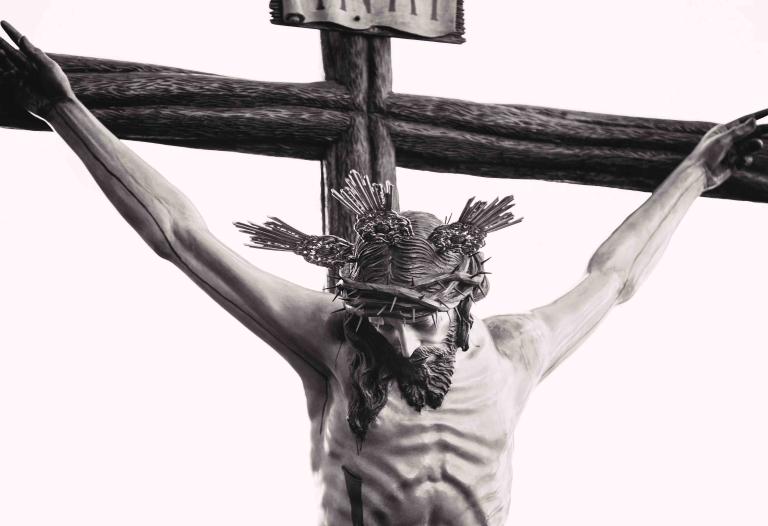
A common phrase in contemporary evangelical theology is “Jesus died the death I deserve.” You’ll hear it in sermons, worship songs, and theological discussions. It’s meant to capture the heart of the gospel— that Christ suffered punishment in our place. But what if this seemingly biblical phrase actually distorts the very thing it’s trying to explain?
In writing The Cross in Context: Reconsidering Biblical Metaphors for Atonement, I became convinced that this formulation contains a fundamental category error that undermines both the logic of divine justice and the beauty of what Christ actually accomplished. The problem isn’t just theological nitpicking; it’s that we’ve confused payment with punishment, creating contradictions that weaken our understanding of the cross and limit our ability to communicate the gospel across cultures.
The Logical Contradiction in Penal Substitution
The standard evangelical explanation goes like this: sin creates a debt before God that demands punishment, so Christ bears that punishment in our place. But here’s the problem—this conflates two entirely different concepts: debt and punishment.
In any coherent system of justice, payment satisfies debt, while punishment is the consequence when debt goes unpaid. You don’t pay a debt and go to prison for failing to pay it. If Jesus truly “paid” our debt through his sacrifice, then additional punishment becomes not just unnecessary but unjust. As I’ve argued elsewhere, “If Jesus already settled our debt, God no longer should punish us… Otherwise, God would accept our payment, yet still punish us. This is unjust.”
This isn’t merely a theoretical problem. It distorts our understanding of God’s character. It suggests that divine justice is purely punitive, requiring suffering even when restitution has been made. But biblical justice, especially in the Old Testament context, is primarily relational and restorative, aimed at repairing relationships and restoring honor rather than simply inflicting deserved pain.
The Resurrection Problem
There’s another logical issue: if Christ truly died “the death I deserve,” then why is he raised? The death that sinners deserve, according to Romans 6:23 and Revelation 20:14, is eternal death— permanent separation from God. Yet Jesus is vindicated, exalted, and restored to divine presence (Philippians 2:9-11). His resurrection signifies divine approval, not divine punishment.
This creates an inescapable tension. If Jesus bore the punishment I deserve (= eternal estrangement from God), then resurrection becomes theologically incoherent. The only way to preserve the integrity of the resurrection is to conclude that Jesus’ death was not punitive in a retributive sense, but rather the fulfillment of his mission of obedience.
Consider Jesus’ actual words from the cross: “Into your hands I commit my spirit” (Luke 23:46). This echoes Psalm 31:5 and reflects trust, not abandonment. Jesus doesn’t cry out in despair at divine rejection—he entrusts himself to the Father. This is incompatible with the logic of punitive substitution.
What Kind of Death Did Jesus Actually Die?
If we step back from the punishment framework, a different picture emerges. Jesus’ death saves not because of the suffering involved, but because of the life that led to it. His death is the culmination of perfect covenantal loyalty—what I call “the death I couldn’t die.”
Paul frames this precisely in Philippians 2:8-11, “He humbled himself by becoming obedient to the point of death—even death on a cross. Therefore, God highly exalted him…” Notice the logic: God vindicates Jesus not because he absorbed punishment, but because he fulfilled the covenant through self-emptying obedience.
This obedience pattern runs throughout the New Testament. Hebrews says Jesus “offered himself without blemish to God” (9:14), language drawn directly from Levitical purity laws where only unblemished offerings appropriately honor God. In John’s Gospel, Jesus explicitly frames his death as glorification: “Now is the Son of Man glorified, and God is glorified in him” (13:31).
Jesus’ death is unique not because of divine wrath poured out on him, but because of the perfect life behind it. No sinful human can offer what Christ does (i.e., an entire existence devoted to the Father in complete righteousness). While our deaths are the wages of sin, Christ’s death is the fruit of devotion. It’s not retribution but representation, not condemnation but consecration.
Sacrifice as Gift, Not Penalty
This reframing aligns perfectly with how the biblical sacrificial system actually works. The Levitical system focuses on the value of the gift, not the suffering of the victim. Offerings must be “without blemish” (Leviticus 1:3, 10); the animal’s perfection, not its pain, makes the gift acceptable.
Sacrifices function as valued offerings that restore God’s honor and repair relationships, not as condemned scapegoats absorbing divine fury. They act as “public confessions of need and sin” where “the giver admits his offense, expresses repentance, and acknowledges that he needs forgiveness.” The act is inherently relational—an expression of allegiance, not a mechanism of retribution.
This is why Christ’s atonement is consistently described in gift and devotion language: “Christ gave himself up for us, a fragrant offering and sacrifice to God” (Ephesians 5:2). The key concept is gift—a costly, voluntary act of love and loyalty whose value satisfies divine justice by restoring the honor due to God.
Reframing Key Texts
Consider Galatians 3:13: “Christ redeemed us from the curse of the law by becoming a curse for us.” Rather than absorbing divine punishment, Christ enters the covenantal defilement and exclusion that characterized Israel’s exile. As Israel’s representative king, he overcomes this curse through obedience and resurrection, not by being punished in our place.
Similarly, Romans 3:25 describes Christ as a hilastērion—often translated “propitiation” but better understood as “mercy seat,” the cover of the ark where atonement was made. Christ becomes the new mercy seat, the place where God meets his people, and relationship is restored. The blood of Christ, like blood applied to the ark, signals access to God, not appeasement of divine rage.
The Better Substitution
This doesn’t eliminate substitution; it reframes it. Christ substitutes for us not by absorbing our fate but by fulfilling our calling. He becomes what we could not: one who glorifies God perfectly through faithful life and death. This preserves substitution while grounding it in covenantal categories of honor, loyalty, and reconciliation rather than legal categories of guilt and punishment.
Jesus doesn’t merely “take the hit” for sinners. He offers up the life and death they could never give. His gift satisfies divine justice not by absorbing divine fury but by restoring the glory due to God’s name.
Why This Matters
This reframing has profound implications. It presents a God whose justice aims at restoration rather than retribution, whose wrath is appeased by honor-giving gifts rather than punishment-absorbing victims. It explains why the Father exalts rather than abandons the Son. And it provides a more coherent foundation for Christian discipleship—we’re not merely shielded from punishment but invited to participate in Christ’s life of faithful devotion.
Perhaps most importantly, this model speaks with clarity across cultures, especially in honor-shame contexts that characterize much of the global church. Legal metaphors of guilt and punishment often confuse people in cultures where honor, kinship, and relationships are primary moral categories.
Jesus didn’t die the death I deserve. He died the death I couldn’t die— offering perfect honor where I could only bring shame, perfect loyalty where I could only offer betrayal, perfect reconciliation where I could only create alienation. That’s not less than penal substitution—it’s far more beautiful and biblically grounded.
The gospel isn’t that God found someone to punish instead of me. The gospel is that God found someone faithful when I was not, and through union with him, I too can become what I could never be on my own: one who honors God through obedience, even unto death.
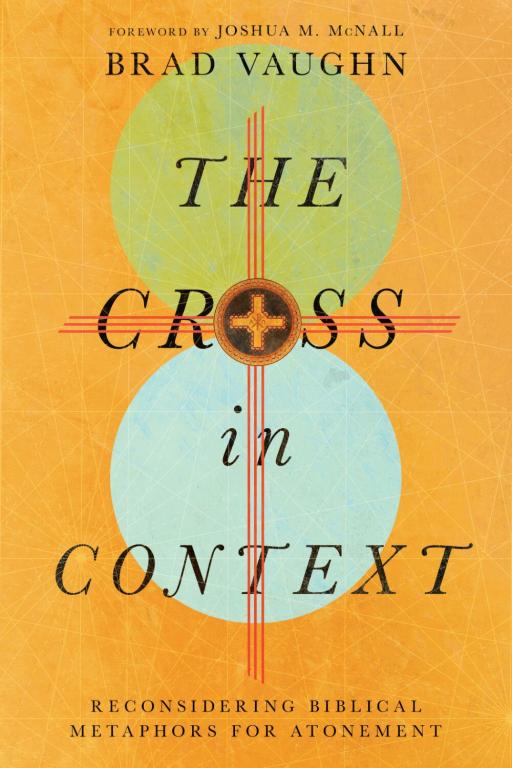
For a deep dive into the biblical arguments supporting this post, see The Cross in Context: Reconsidering Biblical Metaphors for Atonement.
History and Religion
Previous Post

August 19, 2025
Doubt Is the New Dogma
Next Post

September 16, 2025 "Why Have You Forsaken Me?” and the Problem of Evil
Recent Comments
"Excellent axiology."
Recovering Moral Vision Between Shame and ..."
"A thoughtful and thought-provoking article that raises important questions about the challenges facing the Western ..."
"to fit social or religious expectations. Especially women, who were expected to sacrifice everything to ..."
3 reasons you should not be ..."
"Powerful reminder short, sturdy truths can lose their weight if treated as slogans. The solas ..."
How Western Individualism Quietly Undermines the ..."
Browse Our Archives
Select a Category Atonement Biblical Theology Book Reviews China Chinese Church Chinese Culture Chinese Language Collectivism Contextualization Culture (General) Ecclesiology Evangelism Gospel Honor & Shame (Face) Interpretation/Exegesis Justification/Righteousness Missiology Mission Methods One Gospel for All Nations Other Practical Contextualization Reading Romans with Eastern Eyes Resources Romans Salvation (General) Saving God's Face Seeking God's Face The Cross in Context Theological Contextualization Theological Education Theology Uncategorized
Select a Month November 2026 October 2026 September 2026 August 2026 July 2026 June 2026 May 2026 April 2026 March 2026 February 2026 January 2026 December 2025 November 2025 October 2025 September 2025 August 2025 July 2025 June 2025 May 2025 April 2025 March 2025 February 2025 January 2025 December 2024 November 2024 October 2024 September 2024 August 2024 July 2024 June 2024 May 2024 April 2024 March 2024 February 2024 January 2024 December 2023 November 2023 October 2023 September 2023 August 2023 July 2023 June 2023 May 2023 April 2023 March 2023 February 2023 January 2023 December 2022 November 2022 October 2022 September 2022 August 2022 July 2022 June 2022 May 2022 April 2022 March 2022 February 2022 January 2022 December 2021 November 2021 October 2021 September 2021 August 2021 July 2021 June 2021 May 2021 April 2021 March 2021 February 2021 January 2021 December 2020 November 2020 October 2020 September 2020 August 2020 July 2020 June 2020 May 2020 April 2020 March 2020 February 2020 January 2020 December 2019 November 2019 October 2019 September 2019 August 2019 July 2019 June 2019 May 2019 April 2019 March 2019 February 2019 January 2019 December 2018 November 2018 October 2018 September 2018 August 2018 July 2018 June 2018 May 2018 April 2018 March 2018 February 2018 January 2018 December 2017 November 2017 October 2017 September 2017 August 2017 July 2017 June 2017 May 2017 April 2017 March 2017 February 2017 January 2017 December 2016 November 2016 October 2016 September 2016 August 2016 July 2016 June 2016 May 2016 April 2016 March 2016 February 2016 January 2016 December 2015 November 2015 October 2015 September 2015 August 2015 July 2015 June 2015 May 2015 April 2015 March 2015 February 2015 January 2015 December 2014 November 2014 October 2014 September 2014 August 2014 July 2014 June 2014 May 2014 April 2014 March 2014 February 2014 January 2014 December 2013 November 2013 October 2013 September 2013 August 2013 July 2013 June 2013 May 2013 April 2013 March 2013 February 2013 January 2013 December 2012 November 2012
Follow Us!
TAKE THE
Religious Wisdom Quiz
Who had a coat of many colors?
Select your answer to see how you score.
Jacob Saul Moses Joseph
Books by This Author Books by Brad Vaughn
Related posts from Saving God's Face
How Biblical Sacrifices Vindicate God’s Glory

What Exactly Does Christ Purify?
What are Essential Elements of Atonement?

The Heart of Biblical Sacrifice Is Not Blood...
TRENDING AT PATHEOS Evangelical

Rock N' Roll-- Morphing into/for a New Generation...
Well, should we be grateful, or is rock n' roll just dead? ...

Ansley Gordon Brings Faith and Fresh Stories to...
For screenwriter and actress Ansley Gordon, Christmas has always been about more...

Chris Pratt on Veterans, Faith, “The Way of...
For Chris Pratt, service is not something that ends when a person...

Chapter 5, Sarah: The Quest for Safety in...
Open and Relational Theology & Social Psychology About this series: This series...

When Worry Gets You Nowhere, How Can Faith...
Sometimes, we think that by worrying, we can somehow predict the future....

The Wasp And I: Meditations on Repentance
How can we enter the power and joy of the repentant self...
view all Evangelical blogs
What Are Your Thoughts?leave a comment
Ad-Free & Subscriber Log-In Subscription Support
- About Us
- 2026 Calendar
- Videos
- Podcasts
- Library of World Religions
- Faith In Media Tracker
- Advertise With Us
- Write for Us
- Privacy Policy
- Terms of Service
- Do Not Sell My Data
- Contact Us
- Radiant Digital
- Manage Newsletter Subscriptions
- Unsubscribe From Notifications
- Sitemap
Copyright 2008-2026, Patheos, part of the Radiant Digital network of media brands. All rights reserved.
Subscription Support Ad-Free & Subscriber Log-In
Follow Patheos