
BuddhistCatholicContemplativeEvangelicalGeneral ChristianHinduJewishLatter-day SaintMuslimNew VisionsProgressive Christian
Beliefs
- Buddhist
- Catholic
- Contemplative
- Evangelical
- General Christian
- Hindu
- Jewish
- Latter-day Saint
- More Voices
- Muslim
- New Visions
- Pagan
- Progressive Christian
Topics
- Religion News
- Food and Religion
- Sports and Religion
- Religious Art
- Religious Music and Entertainment
- Religious Events
- History and Religion
- Style and Religion
- Politics and Religion
- Women in Religion
- Recreation Outdoors and Religion
- Business Finance and Religion
- Careers Workplace and Religion
- Education and Religion
- Family Parenting and Religion
- Health Fitness and Religion
- Home and Religion
- Relationships and Religion
- Technology and Religion
- Travel and Religion
Columnists
- Buddhist Columnists
- Business Finance and Religion Columnists
- Careers Workplace and Religion Columnists
- Catholic Columnists
- Contemplative Columnists
- Education and Religion Columnists
- Evangelists Columnists
- Family Parenting and Religion Columnists
- General Christian Columnists
- Health Fitness and Religion Columnists
- Hindu Columnists
- History and Religion Columnists
- Home and Religion Columnists
- Jewish Columnists
- More Voices Columnists
- Latter Day Columnists
- Muslim Columnists
- New Visions Columnists
- Nonreligious Columnists
- Pagan Columnists
- Politics and Religion Columnists
- Progressive Columnists
- Recreation Outdoors and Religion Columnists
- Relationships and Religion Columnists
- Religion News Columnists
- Religious Art Columnists
- Religious Events Columnists
- Religious Music and Entertainment Columnists
- Sports and Religion Columnists
- Style and Religion Columnists
- Technology and Religion Columnists
- Travel and Religion Columnists
- Women in Religion Columnists
Resource Library
- 2026 Calendar
- Library of World Religions
- The 100 Most Holy Places on Earth
- Patheos Answers
- Podcasts
- Videos
- Faith Leaders Database
- Anglican Episcopalian
- Bahai
- Baptist
- Buddhism
- Christianity
- Confucianism
- Eastern Orthodoxy
- Hinduism
- Holiness and Pentecostal
- ISKCON
- Islam
- Judaism
- Lutheran
- Methodist
- The Church of Jesus Christ of Latter-day Saints
- New Age
- Paganism
- Presbytarian and Reformed
- Protestantism
- Religion Behind the Scenes
- Roman Catholic
- Scientology
- Shia Islam
- Sikhism
- Sufism
- Sunni Islam
- Taoism
- Zen
- See all religions
Research Tools
 Ad-Free & Subscriber Log-In Subscription Support
Ad-Free & Subscriber Log-In Subscription Support
Follow Patheos 

- Trending:
- Forgiveness
- |
- Marriage
- |
- Consciousness
- |
- Death Penalty
- |
- Election
- |
- Halloween

-
Tools
-
Support the Work
- Home
- Evangelical
- Relationships and Religion
- How to be a tribal church
How to be a tribal church
Last updated on: February 18, 2025 at 3:57 am by Brad Vaughn
How to be a tribal church 2024-10-11T12:38:44-07:00 Brad Vaughn
Patheos Explore the world's faith through different perspectives on religion and spirituality! Patheos has the views of the prevalent religions and spiritualities of the world.

Credit: CC0 1.0 Universal
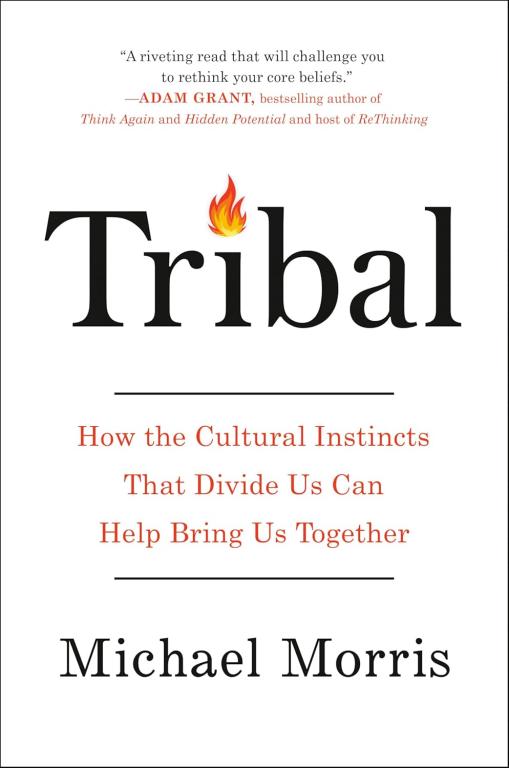
Michael Morris’s Tribal: How the Cultural Instincts That Divide Us Can Help Bring Us Together offers penetrating insights into the forces that shape human communities. His book resonates well in today’s society, revealing how our underlying instincts can both fracture and unite us. What about the church though?
By examining these instincts—reframed here as prevalence, prestige, and precedence—we see that Morris is fundamentally exploring honor-shame dynamics. (See my first post for an overview of the book.)
These concepts provide a framework not only for understanding societal divisions but also for addressing the challenges faced by communities, including the church. In this post, we will consider the significance of these insights, especially as they apply to the church, emphasizing the need to leverage these instincts for positive transformation.
Prevalence: Belonging as a Cornerstone of Community
The prevalence instinct— the drive to conform to the norms of one’s community—is a powerful force in human social behavior. It speaks to the need to belong, to fit in, and to be part of a group that validates one’s identity. This instinct is fundamentally about creating a sense of safety through shared practices and beliefs.
For the church, prevalence is an inclination that can either be a strength or a stumbling block, depending on how it is managed. In positive terms, prevalence allows the church to foster a deep sense of community. When the church establishes shared norms, values, and traditions that are inclusive and grace-filled, it helps individuals feel welcomed and accepted.
This communal spirit reflects the early Christian community described in Acts 2:44-47, where believers came together, shared their possessions, and supported one another. The instinct for prevalence helps create a cohesive body where members see themselves as part of something larger, providing a sense of stability and purpose.
However, the prevalence instinct can also lead to exclusion when the norms become rigid and alienating to those who are different. Churches that overemphasize conformity at the expense of grace can end up reinforcing barriers, making those who do not fit the mold feel unwelcome or unworthy.
This overemphasis is particularly problematic when it comes to cultural or social differences, as rigid norms can lead to the formation of in-groups and out-groups within the church. To harness the prevalence instinct effectively, churches must cultivate norms that are not only rooted in biblical truth but also flexible enough to include diverse ways of thinking and life experiences.
Prestige: Elevating Service over Status
The prestige instinct— the desire for respect and recognition— is also deeply embedded in human nature. It’s the drive that pushes individuals to contribute meaningfully, earn the esteem of others, and make a name for themselves.
In a church context, this instinct can be a double-edged sword. On the one hand, prestige can inspire individuals to serve, take on leadership roles, and use their gifts to benefit the community. On the other hand, if misdirected, it leads to pride, competition, and abuse of power.
The Bible offers numerous examples of how prestige can be both virtuous and dangerous. Jesus’ disciples often struggled with their desire for prestige, as seen in their debates about who among them was the greatest (Mark 9:34). Jesus’ response—that the greatest must be the servant of all—radically redefines prestige.
In the church, the prestige instinct should be directed towards service, humility, and the pursuit of God’s kingdom rather than personal glory. Pursued in this way, prestige becomes a powerful motivator for good, encouraging individuals to invest their talents and energies in ways that uplift the entire community.
The challenge for the church lies in creating a culture where prestige is tied to service rather than status. Too often, churches fall into the trap of elevating charismatic leaders or rewarding visible forms of ministry while neglecting the quieter acts of service that are equally vital.
By redefining prestige in terms of Christ-like humility and sacrificial love, the church can cultivate an environment where all members, regardless of their role, feel valued and respected. This approach not only honors the contributions of each individual but also guards against the sort of competition and ambition that breeds division.
Precedence: Honoring Tradition while Embracing Change
The precedence instinct— the respect for tradition and the wisdom of past generations —is another key component of human society. This instinct gives individuals a sense of identity and continuity. It anchors them in a story that stretches beyond their individual lives.
For the church, precedence is essential, as it connects believers to the rich history of faith that has been passed down through centuries. It provides a sense of rootedness, reminding the church of its foundations in the teachings of Christ and the apostles.
Tradition plays a vital role in shaping the identity of the church, offering a framework for worship, doctrine, and community life. The precedence instinct encourages believers to honor the practices and beliefs that have sustained the church through generations.
However, the inclination for precedence can also become problematic when it leads to an unyielding adherence to tradition at the expense of growth and relevance. Churches that resist change out of a desire to protect tradition may find themselves struggling to connect with new generations or address contemporary issues effectively.
The key for the church is to strike a balance between honoring tradition and embracing change. The precedence instinct should not be about rigidly preserving the past but about drawing on the wisdom of tradition to inform the present and guide the future.
This means being open to new ways of worship, new forms of ministry, and new expressions of faith that resonate with today’s world while remaining anchored in the core truths of the gospel. By doing so, the church can ensure that precedence serves as a source of strength rather than a barrier to growth.
Honor and Shame in the Church Context
The instincts of prevalence, prestige, and precedence are fundamentally about honor and shame— dynamics that are deeply embedded in both society and the church. Prevalence speaks to the honor of belonging, the sense of being part of a group that shares common values and practices.
 Prestige is about the honor that comes from contributing meaningfully and being recognized for one’s efforts. Precedence is about the honor of continuity, of being part of a tradition that stretches back through time. These honor-shame dynamics can either build up the church or tear it apart, depending on how they are navigated.
When the church leverages these instincts positively, it creates an environment where people feel a deep sense of belonging, purpose, and identity. Prevalence fosters a culture of inclusion, prestige encourages sacrificial service, and precedence connects believers to the larger story of God’s work in the world.
However, when misdirected, these instincts lead to exclusion, competition, and stagnation. The church must therefore be intentional in how it cultivates its culture, ensuring that honor is extended to all and that shame is not used as a tool for control or exclusion.
The Church’s Role in Healing Divisions
Morris’s insights into human instincts offer a valuable lens through which to view the challenges facing the church today. In a world that is increasingly divided along cultural, political, and social lines, the church has the opportunity to model a different way of being—one that draws on the best of prevalence, prestige, and precedence to bring people together.
By understanding these instincts and using them to foster a culture of grace, humility, and inclusion, the church can become a place where people from all walks of life feel valued and connected.
The prevalence instinct can be harnessed to create a culture of radical hospitality, where all are welcomed regardless of their background. The prestige instinct can be directed towards acts of service that uplift the community and reflect Christ’s love. The precedence instinct can be used to honor the past while embracing the future, ensuring that the church remains both rooted and relevant. By engaging these instincts in constructive ways, the church can play a pivotal role in healing divisions and building a society that reflects the values of God’s kingdom.
In conclusion, the instincts of prevalence, prestige, and precedence are powerful forces that shape human behavior and community life. Tribal’s insights into these instincts provide a valuable framework for understanding both the challenges and the opportunities facing the church today.
By leveraging these instincts for good, the church can foster a culture of belonging, service, and continuity that brings people together and points them toward the hope and healing found in Christ.
Relationships and Religion
History and Religion
Previous Post
February 4, 2025
Tribal is a book worth reading!
Next Post

March 4, 2025 Pride Economy: When Passion Becomes Workplace Exploitation
Recent Comments
"A thoughtful and thought-provoking article that raises important questions about the challenges facing the Western ..."
"to fit social or religious expectations. Especially women, who were expected to sacrifice everything to ..."
3 reasons you should not be ..."
"Powerful reminder short, sturdy truths can lose their weight if treated as slogans. The solas ..."
How Western Individualism Quietly Undermines the ..."
"If 'America’s deepest crisis is not merely political. It is moral and spiritual.' is in ..."
The Real Crisis Beneath America’s Social ..."
Browse Our Archives
Select a Category Atonement Biblical Theology Book Reviews China Chinese Church Chinese Culture Chinese Language Collectivism Contextualization Culture (General) Ecclesiology Evangelism Gospel Honor & Shame (Face) Interpretation/Exegesis Justification/Righteousness Missiology Mission Methods One Gospel for All Nations Other Practical Contextualization Reading Romans with Eastern Eyes Resources Romans Salvation (General) Saving God's Face Seeking God's Face The Cross in Context Theological Contextualization Theological Education Theology Uncategorized
Select a Month October 2026 September 2026 August 2026 July 2026 June 2026 May 2026 April 2026 March 2026 February 2026 January 2026 December 2025 November 2025 October 2025 September 2025 August 2025 July 2025 June 2025 May 2025 April 2025 March 2025 February 2025 January 2025 December 2024 November 2024 October 2024 September 2024 August 2024 July 2024 June 2024 May 2024 April 2024 March 2024 February 2024 January 2024 December 2023 November 2023 October 2023 September 2023 August 2023 July 2023 June 2023 May 2023 April 2023 March 2023 February 2023 January 2023 December 2022 November 2022 October 2022 September 2022 August 2022 July 2022 June 2022 May 2022 April 2022 March 2022 February 2022 January 2022 December 2021 November 2021 October 2021 September 2021 August 2021 July 2021 June 2021 May 2021 April 2021 March 2021 February 2021 January 2021 December 2020 November 2020 October 2020 September 2020 August 2020 July 2020 June 2020 May 2020 April 2020 March 2020 February 2020 January 2020 December 2019 November 2019 October 2019 September 2019 August 2019 July 2019 June 2019 May 2019 April 2019 March 2019 February 2019 January 2019 December 2018 November 2018 October 2018 September 2018 August 2018 July 2018 June 2018 May 2018 April 2018 March 2018 February 2018 January 2018 December 2017 November 2017 October 2017 September 2017 August 2017 July 2017 June 2017 May 2017 April 2017 March 2017 February 2017 January 2017 December 2016 November 2016 October 2016 September 2016 August 2016 July 2016 June 2016 May 2016 April 2016 March 2016 February 2016 January 2016 December 2015 November 2015 October 2015 September 2015 August 2015 July 2015 June 2015 May 2015 April 2015 March 2015 February 2015 January 2015 December 2014 November 2014 October 2014 September 2014 August 2014 July 2014 June 2014 May 2014 April 2014 March 2014 February 2014 January 2014 December 2013 November 2013 October 2013 September 2013 August 2013 July 2013 June 2013 May 2013 April 2013 March 2013 February 2013 January 2013 December 2012 November 2012
Follow Us!
TAKE THE
Religious Wisdom Quiz
What happened when the Israelites saved the with leftover manna?
Select your answer to see how you score.
It fed animals It turned to gold It bred worms and stank It melted
Books by This Author Books by Brad Vaughn
Related posts from Saving God's Face

The Real Crisis Beneath America’s Social Crises (Part...

America’s Crisis Is Deeper Than Politics

Independent Thinking Isn’t What You Think

The Gulag Theology of One Day in the...
TRENDING AT PATHEOS Evangelical

The Sermon on the Mount, Part I: Matthew...
The Sermon on the Mount, Part I (Matthew 4:12-5:12) St. Matthew moves...

What's up from Crossway: Reviewing some of their latest A few weeks...

Janie Learns the Way of the Cross: A...
Teaching children about Jesus' Passion can be challenging. Many parents and educators...

Looking For Good Catholic Writing - October 2026
He alone extends the heavens, and he walks upon the waves of...

In "Irreplaceable," our book on vocation and technology, Trevor Sutton and I...

I was strolling through the top floor of the brand new Parthenon...
view all Evangelical blogs
What Are Your Thoughts?leave a comment
Ad-Free & Subscriber Log-In Subscription Support
- About Us
- 2026 Calendar
- Videos
- Podcasts
- Library of World Religions
- Faith In Media Tracker
- Advertise With Us
- Write for Us
- Privacy Policy
- Terms of Service
- Do Not Sell My Data
- Contact Us
- Radiant Digital
- Manage Newsletter Subscriptions
- Unsubscribe From Notifications
- Sitemap
Copyright 2008-2026, Patheos. All rights reserved.
Subscription Support Ad-Free & Subscriber Log-In
Follow Patheos